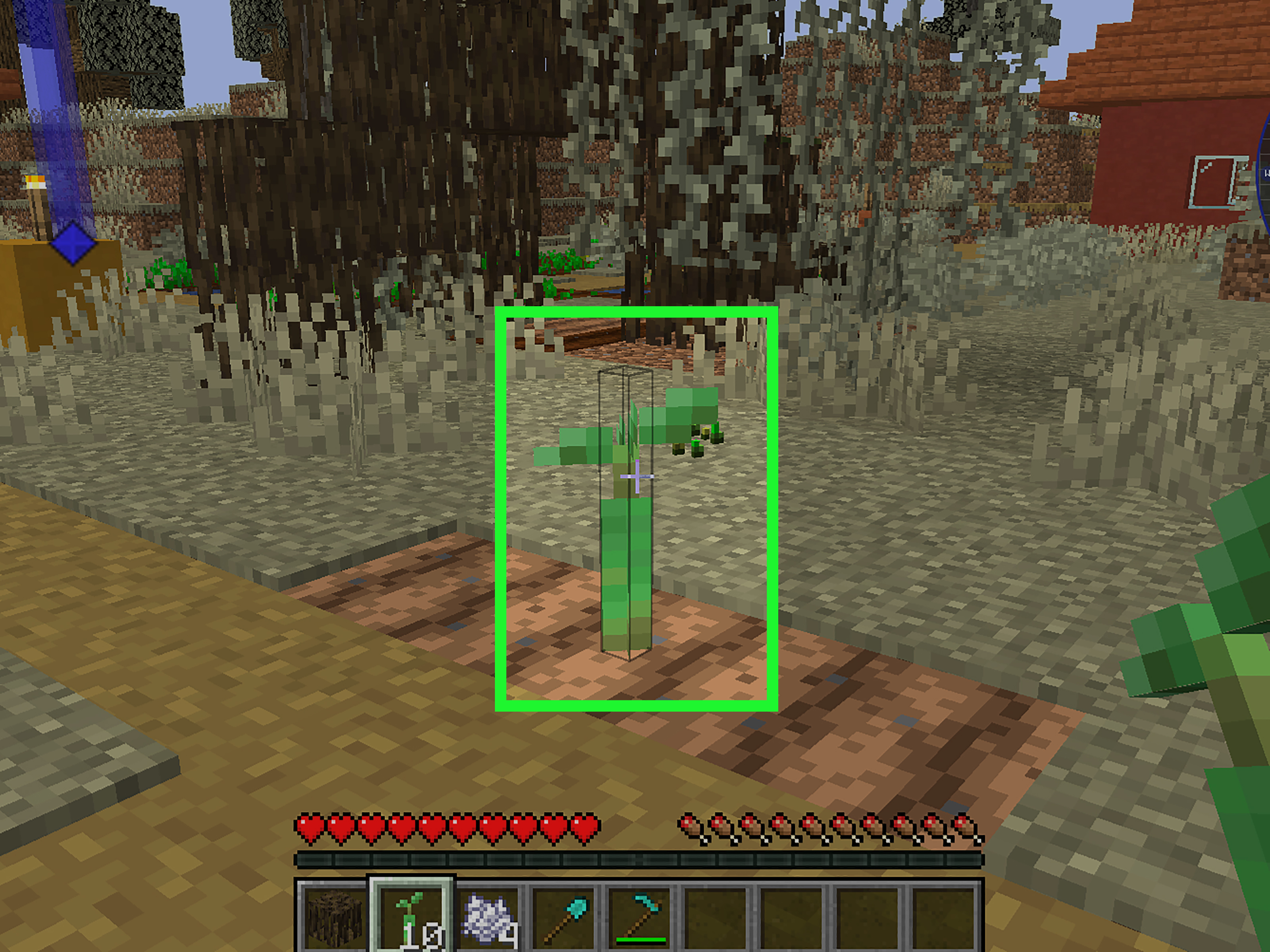
Growing mangrove trees in Minecraft sounds simple: grab a little green thing, plant it, wait, and boominstant swamp mansion materials. But mangroves are not quite like oak, birch, or spruce trees. They have dangling propagules instead of normal saplings, they grow dramatic root systems like they are auditioning for a fantasy movie, and yes, they can even grow underwater. Very fancy. Very muddy.
This easy guide explains exactly how to grow mangrove trees in Minecraft, where to find mangrove propagules, which blocks they grow on, how to use bone meal, and what to do when your tree refuses to grow like a stubborn villager blocking your doorway. Whether you are building a swamp base, farming mangrove wood, decorating a dock, or just trying to make your world look less like a flat grass pancake, this guide will help you grow mangrove trees the right way.
What Are Mangrove Trees in Minecraft?
Mangrove trees are a unique tree type added with Minecraft’s Wild Update. They naturally generate in mangrove swamp biomes, where you will find muddy ground, shallow water, vines, frogs, bees, tropical fish, glow squid, and those unmistakable tangled roots. If regular trees are polite little citizens, mangrove trees are dramatic swamp royalty.
Unlike most Minecraft trees, mangroves do not grow from traditional saplings. Instead, they grow from mangrove propagules. A propagule works like a sapling once planted, but it has a special origin: it hangs from the underside of mangrove leaves before you harvest it. This makes mangrove farming feel a little different from farming oak or spruce, because you are not waiting for leaves to decay and drop saplings. You are looking for the long green shoots hanging below the leaves.
Quick Answer: How to Grow Mangrove Trees in Minecraft
To grow a mangrove tree in Minecraft, collect a mature mangrove propagule from a mangrove tree, place it on a suitable block such as mud, dirt, grass, clay, or moss, then wait for it to grow or use bone meal to speed up the process. Mangrove propagules can be planted on land or underwater, making them one of the most flexible tree starters in the game.
Basic Steps
- Find a mangrove swamp biome.
- Look under mangrove leaves for hanging propagules.
- Break a mature propagule by hand or with any tool.
- Place the propagule on mud, dirt, grass, clay, or moss.
- Make sure there is enough space above and around it.
- Wait naturally or use bone meal until the tree grows.
Where to Find Mangrove Trees
Mangrove trees naturally grow in mangrove swamp biomes. These biomes usually appear in warmer, humid regions of the Minecraft world, often near areas such as jungles, deserts, savannas, or regular swamps. They are easy to recognize once you see them: muddy terrain, lots of water, dense vegetation, and trees standing on tall root systems.
If you are playing survival and want mangrove wood early, exploration is the main method. Travel through warmer biomes and keep an eye out for large swampy areas with mud instead of regular dirt. A boat can be useful, but mangrove roots may turn your smooth sailing adventure into bumper boats with plants. Bring food, tools, and patience.
How to Get Mangrove Propagules
Mangrove propagules are the key to growing mangrove trees. Without them, you just have mud, water, and dreams. You can get propagules in a few ways.
1. Harvest Them From Mangrove Trees
The easiest way is to find a mangrove tree and look underneath its leaf blocks. Mature propagules hang from the bottom of mangrove leaves. Once you spot one, break it with your hand or any tool. You do not need a special item. Minecraft is generous here; no diamond-powered gardening gloves required.
Make sure the propagule is fully grown before collecting it. A mature propagule is longer and clearly visible. If it is still in an early stage, it may not drop as an item. If you are unsure, wait a little longer or use bone meal to help it mature.
2. Use Bone Meal on Mangrove Leaves
If you already have mangrove leaves available, you can use bone meal on the underside of mangrove leaves to produce a hanging propagule, as long as there is space below the leaf block. This is extremely useful if you want to farm propagules instead of wandering through the swamp like a lost frog accountant.
After the propagule appears, it grows through several stages. You can let it mature naturally or use more bone meal to speed up the process. Once it is fully grown, break it and plant it wherever you want your new mangrove tree.
3. Check Wandering Traders
In many versions of Minecraft, wandering traders may sell mangrove propagules for emeralds. This is not always the most efficient method, because wandering traders are basically traveling mystery boxes with llamas, but it can save you time if you cannot find a mangrove swamp nearby.
Where Can You Plant Mangrove Propagules?
Mangrove propagules are flexible. You can plant them on several block types, including:
- Dirt
- Grass blocks
- Coarse dirt
- Rooted dirt
- Podzol
- Mycelium
- Moss blocks
- Mud
- Clay
The big surprise is that mangrove propagules can also grow underwater. This makes them perfect for swamp builds, riverbanks, coastal villages, custom wetlands, and dramatic hidden bases where your front yard says, “Yes, I live here, and yes, the frogs are my security team.”
Do not plant propagules on unsuitable blocks like stone, sand, gravel, planks, slabs, glass, or dirt paths. If the game will not let you place the propagule, the block is not valid. If it lets you place it but the tree refuses to grow, the problem is probably space, light, or nearby block obstruction.
How Much Space Does a Mangrove Tree Need?
Mangrove trees are larger and messier than many other Minecraft trees. Their roots spread outward and downward, so they need more room than a simple oak sapling. For best results, give each propagule a clear area around it.
Recommended Growing Space
Use this practical setup:
- Leave at least 6 blocks of empty space above the propagule.
- Clear a wide area around the planting spot, ideally about 7×7 or 9×9 blocks.
- Avoid placing walls, fences, pillars, slabs, or other solid blocks too close.
- If growing underwater, make sure the roots have space to form.
- Keep the area reasonably lit, especially if you are growing trees underground.
If your mangrove propagule is not growing, space is the most common villain. Mangrove roots are bulky, and the game needs room to generate the tree shape. A tiny indoor room may work for oak, but mangrove trees look at low ceilings and say, “Absolutely not.”
How to Grow Mangrove Trees With Bone Meal
Bone meal is the fastest way to grow mangrove trees. Simply hold bone meal, aim at the planted propagule, and use it. The tree may grow after one use, or it may take several attempts. Randomness is part of the Minecraft gardening experience. Sometimes the tree grows instantly. Sometimes it acts like you asked it to solve redstone.
If bone meal does not work after many tries, do not keep wasting it forever. Check these issues first:
- Is the propagule planted on a valid block?
- Is there enough empty space above it?
- Are nearby blocks blocking root generation?
- Is there enough light?
- Are you trying to grow a hanging propagule instead of a planted one?
Important detail: a propagule hanging from mangrove leaves will not grow into a full tree while it is still hanging. It must be harvested and planted like a sapling first. The hanging version is basically a baby tree waiting to move out.
Can Mangrove Trees Grow Underwater?
Yes, mangrove trees can grow underwater in Minecraft. That is one of their coolest features. You can plant a propagule on a suitable underwater block such as mud or clay, then wait or use bone meal. This allows players to create natural-looking swamps, flooded forests, custom river deltas, and overgrown lagoon bases.
For underwater planting, make sure the propagule is attached to a valid block and has enough surrounding space. Shallow water is usually easier to work with than deep water because you can place blocks, apply bone meal, and harvest wood without turning the project into a drowning simulator.
How to Farm Mangrove Wood Efficiently
Mangrove wood is beautiful, warm, reddish, and excellent for builds that need a bold color. It works well for bridges, docks, swamp cabins, fantasy villages, roofs, fences, trapdoors, boats, and interior accents. The downside? Mangrove trees can be annoying to chop because the roots and branches do not always behave like a neat vertical trunk.
Simple Mangrove Tree Farm Layout
For a basic farm, plant propagules in rows with plenty of spacing. Leave 7 to 9 blocks between each planting spot if you want fewer growth problems. Use mud or grass as your floor, keep the ceiling open, and bring bone meal if you want fast results.
After the trees grow, chop the logs first, then collect roots if you want them for decoration. Mangrove roots and muddy mangrove roots are excellent for natural builds. They can make docks, wetlands, ruins, aquariums, and fantasy forests look far more detailed. They are also great for hiding lighting or creating messy organic shapes.
Best Tools for Harvesting
- Use an axe for mangrove logs and wood blocks.
- Use shears or Silk Touch if you want to collect mangrove leaves.
- Use a shovel for mud and clay around the farm.
- Bring scaffolding, ladders, or blocks because mangrove trees can be awkwardly tall.
A helpful trick is to grow mangrove trees near water, then use the water as a soft landing area while chopping upper logs. This is not required, but it can prevent fall damage and make the farm feel more natural. Plus, jumping into swamp water after chopping a tree feels oddly cinematic.
Why Is My Mangrove Tree Not Growing?
If your mangrove propagule will not grow, do not panic. It is probably not cursed. Probably. Here are the most common reasons and fixes.
Problem: Not Enough Space
Mangrove trees need room for both the trunk and the roots. Clear blocks above and around the propagule. If you planted it near a wall, pillar, roof, fence, or another tree, move it to a more open area.
Problem: Wrong Block
Plant the propagule on mud, dirt-type blocks, clay, or moss. If it is on a block that does not support growth, it will not become a tree.
Problem: Low Light
Like many saplings, mangrove propagules need enough light to grow naturally. If you are underground, add torches, lanterns, glowstone, sea lanterns, or another light source.
Problem: You Are Using a Hanging Propagule
A hanging propagule is for harvesting. It does not become a full tree until you break it, collect it, and plant it on a valid block.
Problem: Bad Farm Design
If your farm is too compact, growth may fail often. Give each propagule more breathing room. Mangrove trees are not compact crops; they are swamp architecture with leaves.
Best Uses for Mangrove Trees
Once you know how to grow mangrove trees in Minecraft, you can use them for much more than wood farming. Their blocks are extremely useful for creative and survival builds.
1. Swamp Houses and Stilt Bases
Mangrove wood pairs perfectly with mud bricks, packed mud, moss, vines, lanterns, and dark oak. Build your house above the water on stilts, then surround it with grown mangrove trees for instant atmosphere.
2. Bridges and Docks
Mangrove planks, fences, and trapdoors make excellent docks. Add roots around the edges to make the structure look old, natural, and slightly dangerous in the best way.
3. Custom Biomes
If you enjoy terraforming, mangrove trees are perfect for creating custom wetlands. Add mud, water, lily pads, moss carpets, frogs, and reeds to create a biome that looks hand-crafted but still feels vanilla.
4. Bee and Nature Builds
Bees interact with mangrove propagules, which makes them useful in garden builds. Place mangrove trees near flowers and bee nests for a lively, natural environment.
5. Decorative Roots
Mangrove roots are one of the most interesting organic blocks in Minecraft. Use them for tangled forests, cave entrances, overgrown ruins, fantasy creature nests, or riverbank supports.
Extra Player Experience: Growing Mangrove Trees the Fun Way
The first time you grow mangrove trees in Minecraft, you may expect them to behave like oak trees. That expectation lasts about five seconds. You plant the propagule, use bone meal, and suddenly the game creates a twisting wooden octopus with leaves. It is wonderful, chaotic, and slightly rude if you planted it too close to your house.
In survival mode, the best experience usually starts with an expedition. Pack a boat, food, an axe, a shovel, and a bed. Travel through warm biomes until you find the mangrove swamp. The moment you spot mud and giant roots, you know you have arrived. The biome feels different from regular forests because it is dense and awkward to move through. You will climb roots, slip into water, dodge vines, and probably question why your boat keeps getting blocked. This is normal. The swamp is not broken. It is simply committed to the swamp lifestyle.
When collecting propagules, do not rush. Look under the leaves and gather several at once. One propagule is enough to start, but a stack gives you freedom to experiment. I like bringing at least eight to twelve back to base. That way, if a few refuse to grow because the area is cramped, I can move them without feeling like I wasted the entire adventure.
For a first mangrove farm, avoid building indoors. Use an open field or a muddy shoreline. Plant the propagules with wide spacing, then test bone meal on one at a time. If a tree grows instantly, great. If it does not, check the nearby blocks before blaming the plant. Mangrove trees are picky about space because their roots need somewhere to generate. Once you understand that, farming becomes much smoother.
One of the most satisfying projects is creating a custom swamp around a base. Start with a shallow pond, replace patches of grass with mud, plant propagules along the waterline, and grow them with bone meal. Add moss, vines, lily pads, lanterns, and frogs if you have them. The result feels alive, especially at night when the trees cast shadows over the water. It is also a great way to make a survival base look planned instead of “I placed chests everywhere and now this is my personality.”
Mangrove wood is also underrated for color contrast. Its reddish tone looks excellent with mud bricks, deepslate, sandstone, copper, and dark oak. If your builds often look too gray or too brown, mangrove blocks can add warmth without becoming too bright. Use mangrove trapdoors for shutters, fences for railings, and stripped logs for clean supports.
The only annoying part is chopping the trees. Mangroves are not neat. Logs can hide inside leaves and roots, so bring patience and scaffolding. Still, the extra effort is worth it. Once you have a reliable propagule supply, mangrove trees become one of the most stylish renewable resources in Minecraft. They are practical, atmospheric, and just messy enough to make your world feel naturally grown instead of copy-pasted.
Conclusion
Learning how to grow mangrove trees in Minecraft is easy once you understand the propagule system. Find a mangrove swamp, collect mature propagules from under the leaves, plant them on a suitable block, give them enough space, and use bone meal if you want quick results. Unlike most trees, mangroves can grow on land or underwater, which makes them excellent for swamp bases, custom biomes, docks, and decorative nature builds.
The biggest tip is simple: give them room. Mangrove trees are dramatic growers with large roots, so cramped spaces often cause problems. Plant them in open areas, keep the light level healthy, and avoid blocking the space where roots and leaves need to generate. Do that, and your world will soon have all the mangrove wood, roots, and swampy charm it can handle.
Note: This HTML article is written in original American English for web publishing, with source links intentionally omitted from the article body as requested.