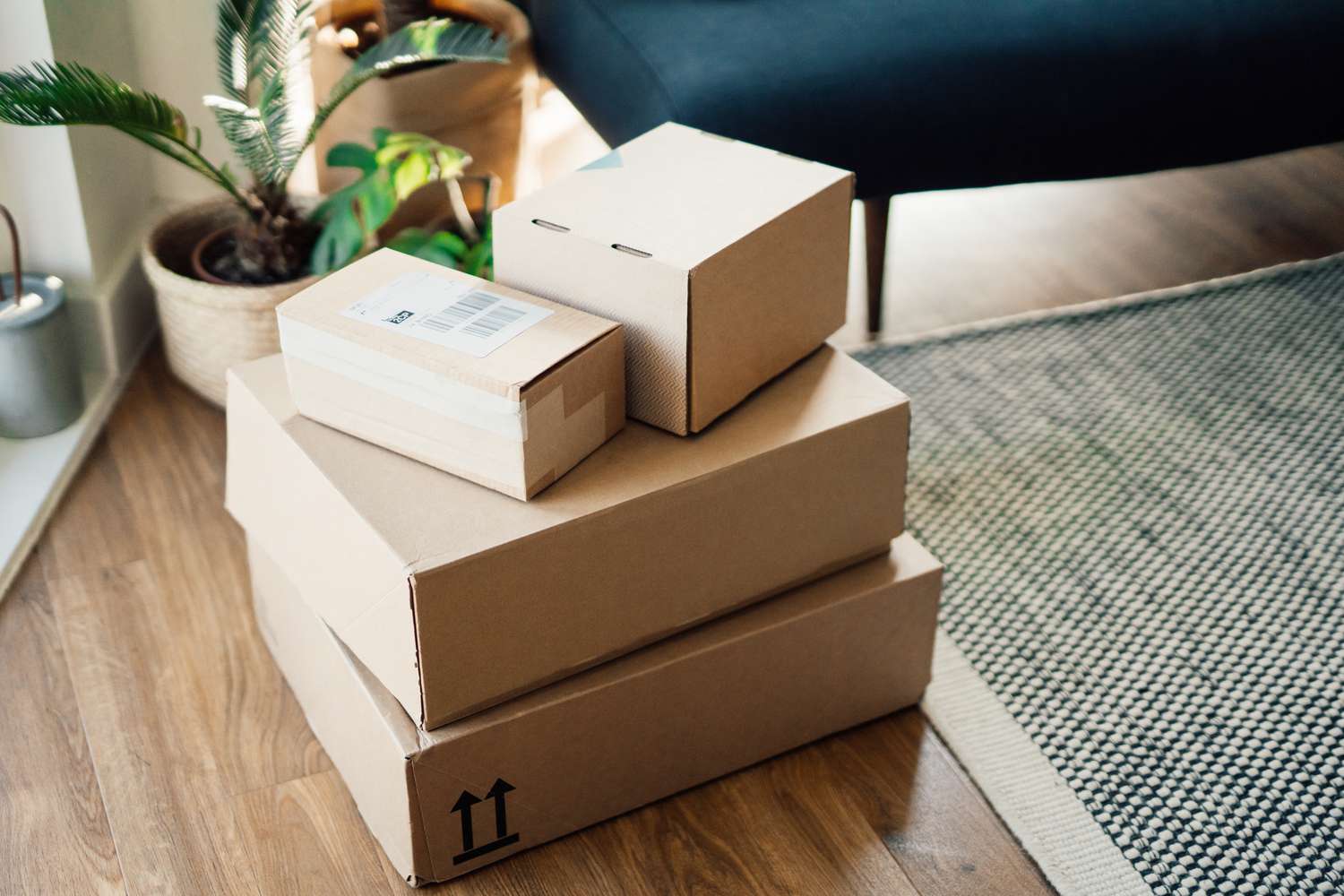
Cardboard boxes are the unsung heroes of modern life. They deliver our shoes, our blenders, our “I definitely needed this at 11:47 p.m.” online purchases, and occasionally our dignity after a moving day meltdown. But here is the less charming truth: cardboard boxes can also arrive with tiny freeloaders, musty odors, moisture, droppings, eggs, and enough hidden crevices to make a cockroach feel like it just checked into a boutique hotel.
The gross reason you should never bring cardboard boxes inside is simple: cardboard can carry pests and create the perfect conditions for them to hide, feed, breed, and spread. Corrugated cardboard has little ridges and hollow channels where insects can tuck themselves away. It absorbs moisture. It collects dust. It is often handled in warehouses, delivery trucks, garages, storage rooms, porches, and recycling areas before it ever reaches your front door. In other words, that innocent-looking box may have lived a more adventurous life than you have this month.
This does not mean every delivery box is crawling with bugs. No need to greet the mail carrier in a hazmat suit. But if you regularly bring cardboard boxes into kitchens, bedrooms, closets, basements, pantries, or under-bed storage areas, you may be making your home more attractive to roaches, silverfish, pantry pests, rodents, bed bugs, and mold. The good news? You can still enjoy deliveries and moving supplies without turning your house into a pest Airbnb.
Why Cardboard Boxes Are So Attractive to Pests
Cardboard is made from paper-based material, and many household pests love paper, glue, starch, darkness, and tight hiding spaces. That is basically cardboard’s entire personality. The corrugated layer inside many shipping boxes creates protected tunnels where small insects can hide from light, movement, and predators. A box stacked against a wall or shoved into a closet can become a quiet shelter that is rarely disturbed.
Roaches, in particular, are famous for using clutter as cover. They like warm, dark, tight areas near food and water. A cardboard box in a pantry, under the sink, near the refrigerator, or beside pet food can provide the kind of shelter that makes a roach whisper, “Finally, a starter home.” Some roaches may even feed on the glue and starches used in corrugated cardboard. Once they find food crumbs, moisture, and hiding space, they can settle in quickly.
Silverfish are another cardboard-loving nuisance. These fast, silvery insects prefer humid areas such as basements, attics, bathrooms, and garages. They feed on paper, glue, books, envelopes, and other starchy materials. Cardboard boxes filled with old magazines, photos, documents, or books are practically a buffet with walls.
Then there are pantry pests. Moths, beetles, and weevils can get into thin cardboard, paper, and loosely sealed food packaging. If you bring grocery boxes or bulk-food shipping boxes into the pantry and leave them there, you may be giving insects a bridge from the outside world to your cereal, rice, flour, pet food, birdseed, or baking mixes. Nothing ruins pancake morning like discovering your flour has developed its own tiny tenants.
The Grossest Part: Cardboard Can Hide Eggs, Droppings, and Hitchhikers
The truly unsettling issue is not just that bugs like cardboard. It is that cardboard can hide what you cannot easily see. Cockroaches may tuck into seams or corrugation. Bed bugs may hide in folds or cracks. Silverfish and pantry pests may slip between flaps. Rodents may gnaw cardboard or use soft paper material for nesting. And if boxes have been stored in damp places, they may carry mold spores, musty smells, or microscopic debris.
Delivery boxes often pass through warehouses, distribution centers, delivery vehicles, apartment package rooms, loading docks, porches, and sometimes rainy sidewalks. Most of those places are not exactly spa-clean environments. A box can brush against dirty floors, sit near garbage areas, absorb moisture, or come into contact with other infested packages. By the time it reaches your living room, the outside may look fine, but the box may have picked up more than a shipping label.
Even moving boxes can be risky, especially if they are reused. Free boxes from grocery stores, liquor stores, online marketplaces, garages, or storage units may seem like a money-saving miracle. Sometimes they are. Sometimes they are also carrying crumbs, food residue, insect eggs, or moisture damage. Reusing boxes is not automatically bad, but bringing unknown cardboard straight into bedrooms, closets, or kitchens is a gambleand not the fun kind with snacks and dramatic lighting.
Cardboard and Cockroaches: A Particularly Unpleasant Love Story
If cardboard had a dating profile, cockroaches would swipe right immediately. Roaches are drawn to places that offer shelter, food, warmth, and moisture. Cardboard checks several boxespun unfortunately intended. Corrugated cardboard gives them narrow hiding places. Kitchen boxes may hold food residue. Bathroom or basement boxes may stay damp. Pantry boxes may sit undisturbed for months.
German cockroaches are especially troublesome indoors because they reproduce quickly and prefer human spaces. They commonly hide near sinks, cabinets, appliances, and stored goods. A single box left near a water source or food area can become part of a larger harborage zone. Once roaches establish themselves, they are much harder to remove than they are to prevent.
Roach prevention is not glamorous, but it is practical: reduce clutter, seal cracks, store food in tight containers, fix leaks, remove cardboard, and inspect packages before bringing them inside. These steps matter because pests need three things to thrive: food, water, and shelter. Cardboard mostly contributes the shelter part, and sometimes the food part too. It is like giving them a tiny apartment and a snack drawer.
Silverfish, Paper, and the Basement Box Problem
Silverfish are not dangerous in the dramatic movie-monster sense. They do not bite people, spread disease, or leap out while playing violin music. But they can damage paper goods, books, wallpaper, envelopes, cardboard, photos, and fabric. They thrive in humid spaces and can go unnoticed for a long time because they are nocturnal and quick.
Basements and attics are prime silverfish zones because they are often humid, dark, and packed with long-forgotten boxes. The holiday decorations from 2009, the college notebooks, the “important cables” box full of mystery cordsthese are all classic cardboard storage situations. If moisture creeps in, the cardboard softens and becomes even more attractive to pests and mold.
For long-term storage, plastic bins with tight-fitting lids are a better option. They are not perfect, but they are less appetizing, less absorbent, and easier to clean than cardboard. Clear bins also help because you can see what is inside without opening every container and conducting an archaeological dig in your own basement.
Cardboard Can Also Invite Mold
Pests are not the only concern. Cardboard is porous, which means it absorbs moisture from damp floors, humid air, leaks, condensation, or wet deliveries. Once cardboard stays damp, it can support mold growth. Mold does not need a luxury condo. It needs moisture and organic material. Cardboard supplies the organic material, and a damp basement, garage, laundry room, or porch can supply the moisture.
Moldy cardboard may smell musty, feel soft, show discoloration, or leave dust-like residue. Sometimes the damage is obvious. Other times the box looks mostly normal while the bottom is damp from sitting on concrete. If you have ever lifted a basement box and found a suspicious dark patch underneath, congratulations: your storage system has sent you a warning letter.
Indoor mold should be taken seriously because it can affect air quality and damage belongings. If cardboard becomes wet and cannot be dried quickly, it is usually safer to discard it. Storing valuables in cardboard on basement floors, against exterior walls, or near plumbing is asking for trouble. Use shelves, sealed bins, and humidity control instead.
Why You Should Not Store Food in Shipping Boxes
Pantry storage deserves special attention. It is tempting to keep bulk snacks, cereal boxes, pet food, cans, or baking ingredients in the shipping box they arrived in. It looks tidy for approximately four minutes. Unfortunately, cardboard can hide insects, collect crumbs, and make it harder to spot early signs of infestation.
Pantry pests can get into paper, thin cardboard, plastic wrap, foil, and cellophane packaging by chewing through weak spots or crawling through folds and seams. Once inside a stored-food package, they can multiply and spread to nearby foods. That is why airtight containers made of glass, metal, or heavy plastic are a better choice for flour, rice, pasta, cereal, nuts, dry pet food, birdseed, and baking mixes.
The rule is simple: unpack the food, inspect it, transfer vulnerable items to sealed containers, and recycle the shipping box quickly. Your pantry should not look like a warehouse break room after a long weekend.
The Safest Way to Handle Delivery Boxes
You do not have to stop ordering online, moving houses, or receiving gifts. You just need a better box routine. Think of it as a “cardboard quarantine” without the drama.
1. Open Boxes Outside When Possible
If weather and security allow, open delivery boxes on the porch, in the garage, on a balcony, or in another transition area. Remove the contents, inspect them, and bring the items inside without the shipping box. This is especially useful for boxes that sat outside, arrived damp, or came from unknown storage conditions.
2. Inspect Before You Carry
Look at seams, flaps, corners, tape lines, and corrugated edges. Watch for live insects, egg cases, webbing, holes, chew marks, droppings, shed skins, stains, or musty odors. If anything looks suspicious, keep the box outside and dispose of it properly.
3. Break Boxes Down Immediately
Do not let empty boxes pile up in the kitchen, hallway, closet, bedroom, or laundry room. Break them down and move them to recycling as soon as practical. A stack of boxes beside the door may look harmless, but to pests it looks like a luxury condo tower with excellent shade.
4. Avoid Long-Term Cardboard Storage
Cardboard is fine for short-term moving and temporary organization. It is not ideal for storing heirlooms, documents, fabrics, books, food, pet supplies, or seasonal items for months or years. Use plastic bins with tight lids, keep them elevated, and leave space for airflow.
5. Keep Boxes Away From Kitchens and Bathrooms
Kitchens offer food. Bathrooms offer moisture. Roaches love both. If you must bring a box inside briefly, avoid placing it under sinks, near pet bowls, beside trash cans, next to appliances, or in pantry corners.
What to Use Instead of Cardboard Boxes
For everyday storage, choose containers that are durable, washable, and pest-resistant. Heavy plastic bins with snap-on lids are a practical upgrade for seasonal decorations, clothing, tools, craft supplies, and household extras. Clear bins are especially useful because you can identify contents quickly without opening every lid like a contestant on a low-budget game show.
For food, use airtight glass jars, metal tins, or heavy-duty plastic containers. For documents and photos, consider archival storage boxes made for preservation, but keep them in clean, dry, climate-controlled spacesnot damp basements or garages. For clothing, use sealed storage bags or bins, and make sure fabrics are clean and completely dry before storage. Pests are much less impressed by clean, sealed, dry storage.
If you are moving, buy new boxes when possible, inspect reused boxes carefully, and avoid boxes that previously held food. Label boxes clearly, unpack quickly, and recycle them as soon as the move is over. The longer moving boxes linger, the more likely they become part of the furnitureand not in a cute rustic farmhouse way.
Signs a Cardboard Box Should Never Come Inside
Some boxes should be rejected at the door like a suspicious party guest. Do not bring cardboard inside if it is wet, musty, stained, greasy, torn, or visibly dirty. Be cautious with boxes that have small black specks, insect skins, webbing, roach-like egg cases, chew marks, shredded paper, or unexplained debris. Also avoid cardboard that has been stored in garages, sheds, dumpsters, basements, or unknown storage units.
Boxes from grocery stores or restaurants can be especially risky because food residue attracts insects and rodents. Produce boxes, banana boxes, and beverage boxes may be sturdy, but they can also carry crumbs, moisture, or hitchhiking pests. If you use them for moving, inspect them outdoors and avoid storing them in bedrooms or pantries.
How to Clean Up If You Already Have Too Many Boxes Indoors
If your home already has a cardboard collection large enough to qualify for its own ZIP code, do not panic. Start with one area at a time. Remove empty boxes first. Then sort full boxes into categories: keep, donate, recycle, and discard. Transfer long-term items into plastic bins and wipe down shelves or floors as you go.
Use a vacuum to remove dust, crumbs, and debris from storage areas. Check baseboards, corners, closets, pantries, and areas behind appliances. If you find pest evidence, avoid spraying random pesticides everywhere. Identify the pest first, reduce food and water sources, seal entry points, and consider contacting a licensed pest professional for a serious infestation.
If you find rodent droppings or urine, use safe cleanup practices. Do not sweep or vacuum dry droppings, because that can stir contaminated particles into the air. Wear gloves, disinfect the area, let the disinfectant sit as directed, and dispose of cleanup materials safely. Rodent evidence is not just gross; it can present health risks.
Real-Life Experiences: What Happens When Cardboard Moves In and Never Leaves
Almost everyone has a cardboard story. Maybe yours starts with one innocent delivery box. You tell yourself, “I’ll recycle it tomorrow.” Tomorrow becomes next week. Next week becomes a small cardboard skyline near the front door. Then one day, you move the stack and something tiny darts across the floor with the confidence of a creature that has been paying rent in vibes.
One common experience is the “garage box surprise.” A family stores holiday decorations in cardboard boxes in the garage. The boxes sit through summer heat, winter dampness, and a few rainy seasons. When December arrives, someone opens the ornament box and finds shredded cardboard, droppings, and a smell that can only be described as “haunted attic with a plumbing problem.” The decorations may be fine, but the box has become nesting material. At that point, the magic of the holidays takes a brief detour through rubber gloves and disinfectant.
Another classic scenario happens in the pantry. Someone orders bulk snacks or baking supplies and leaves everything in the shipping box because it looks organized. Weeks later, they notice tiny moths fluttering near the ceiling or small beetles inside a bag of grains. The box did not cause the entire problem by itself, but it helped hide the early signs. Once pantry pests spread, the cleanup becomes tedious: inspect every package, discard infested food, vacuum shelves, wipe corners, and transfer safe items into sealed containers. It is amazing how quickly “I saved five minutes” can become “I spent Saturday interrogating a bag of rice.”
Then there is the under-bed storage mistake. Cardboard boxes slide neatly under the bed, which feels brilliant until you remember that under-bed areas are dark, dusty, and rarely disturbed. For pests that like hiding places, that is prime real estate. Add fabric, books, papers, or shoes, and you have created a quiet little ecosystem. Many people only discover the issue when they pull out a box and notice silverfish damage, dust buildup, or mystery specks that inspire immediate regret.
Moving day can also create problems. People often gather free boxes from stores, neighbors, offices, or online listings. Most are harmless, but some have been stored in damp garages or carried food products. If those boxes go straight into bedrooms and closets, they bring their history with them. A smarter approach is to inspect boxes outdoors, avoid food-stained cardboard, unpack quickly, and get the cardboard out of the house as soon as possible.
The best lesson from these experiences is not that cardboard is evil. Cardboard is useful, recyclable, and convenient. The lesson is that cardboard should be temporary. Treat it like a guest, not a roommate. Let it come in briefly when necessary, but do not give it a long-term lease in your pantry, bedroom, basement, or closet. Your future selfthe one not chasing a silverfish across the bathroom floor at midnightwill be deeply grateful.
Conclusion: Keep the Delivery, Ditch the Box
Cardboard boxes may look clean, but they can hide pests, absorb moisture, collect dust, and create cozy shelter for insects and rodents. The gross reason you should never bring cardboard boxes inside is not one single bug or one dramatic horror story. It is the combination of hidden crevices, paper-based material, glue, moisture, and unknown storage history.
The safest habit is simple: open boxes outside or in a transition area, inspect items before bringing them indoors, recycle cardboard quickly, and use sealed plastic, glass, or metal containers for long-term storage. Keep cardboard out of kitchens, bathrooms, bedrooms, basements, and pantries whenever possible. Your home will look cleaner, smell fresher, and be far less inviting to the tiny freeloaders who think corrugated cardboard is a five-star resort.