Research-informed draft based on official Warrior Cats materials, feline behavior guidance, and professional illustration resources.
There are creative prompts, and then there are creative prompts that cause an entire comment section to suddenly become emotionally invested in a fictional cat with one torn ear, a suspiciously dramatic backstory, and a name like Mistwhisper. “Hey Pandas, Draw A Warrior Cats OC!” belongs firmly in the second category.
A Warrior Cats original character, often called a Warrior Cats OC, is more than a cat with stripes and a cool scar. It is a tiny, furry storytelling machine. The best designs suggest where the character came from, what they fear, who they trust, what kind of trouble they attract, and whether they would absolutely steal prey from the fresh-kill pile and deny everything.
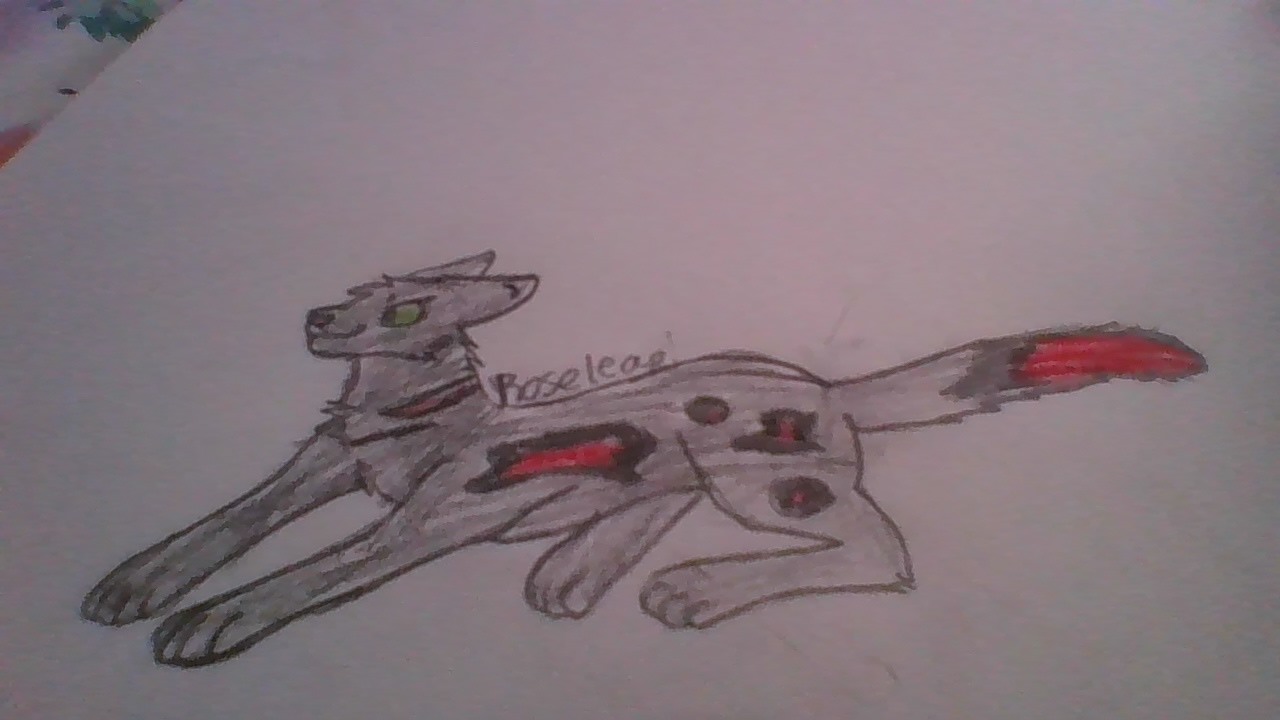
For artists, writers, and fans, this kind of fan art prompt is an invitation to build a personality through fur, posture, color, clan identity, and a little bit of glorious feline chaos. You do not need to be a professional illustrator or know every Warriors book by heart. You only need curiosity, a sketching tool, and the willingness to let one fictional cat become far more important to you than your unfinished laundry.
Why Drawing a Warrior Cats OC Is So Much Fun
The Warriors universe gives artists a ready-made storytelling playground. Clan cats have territories, traditions, roles, relationships, rivalries, mentors, apprentices, and enough emotional weather to make a thunderstorm feel underdressed. Official Warriors materials describe the Clans as groups with distinct territories, skills, beliefs, and identities, which gives fan artists a strong foundation without forcing every original character into the same mold.
That is what makes a Warrior Cats drawing challenge so satisfying. A single character design can answer dozens of questions before the viewer reads a word of biography. Is this cat a RiverClan fisher with sleek fur and webbed-looking paws? A WindClan runner with long legs and a permanently windblown expression? A ShadowClan scout who looks like they have not trusted anyone since breakfast?
Good Warrior Cats OC art balances familiarity with surprise. The design should feel as though it belongs in a wild-cat society, yet still carry a visual detail that makes people stop scrolling. The trick is not to make the character louder. The trick is to make the character clearer.
Start With a Story Before You Start With the Fur
Before choosing eye color or adding a scar that definitely happened during a totally heroic battle, give your cat one sentence of emotional direction. This is the core of the character.
Try prompts such as:
- “A medicine cat apprentice who is terrified of the dark.”
- “A former kittypet trying too hard to prove they belong.”
- “A cheerful warrior who becomes frighteningly focused in battle.”
- “A deputy who remembers every insult but pretends not to.”
- “A rogue who knows every secret path through the territory.”
That sentence gives your drawing purpose. A nervous apprentice may have tucked paws, wide eyes, and a tail wrapped tightly around their body. A confident fighter may stand with the chest forward, head lifted, and weight distributed like they are ready to launch into action or dramatically interrupt a gathering.
Do not begin by asking, “What colors should this cat be?” Start with, “What does this cat want?” A character who wants approval will not pose the same way as one who wants revenge, snacks, or both.
Use Personality to Guide the Design
Personality should influence nearly every visual choice. A stubborn warrior may have a broad head, squared shoulders, and blunt markings. A gentle healer may have softer shapes, rounded cheeks, and calmer eyes. A clever scout might have a lean frame, alert ears, and markings that resemble shadows breaking across leaves.
This does not mean shy cats must always be pale or bold cats must always be black. Personality is not a paint-by-numbers worksheet. It is a guide for making choices that work together. A quiet cat can have blazing orange fur. A loud cat can be gray as rainwater. Contrast is often where the fun begins.
Build a Strong Warrior Cats OC Silhouette
One of the fastest ways to improve a cat character design is to focus on silhouette. If you filled the entire cat shape with black, would viewers still recognize the character? Could they tell whether the cat is long-legged, fluffy, compact, battle-worn, elegant, awkward, or one bad decision away from falling off a tree branch?
Professional character-design teaching often emphasizes silhouette, shape language, gesture, and iteration because those elements communicate personality before tiny details appear. For a Warrior Cats OC, silhouette can do more storytelling work than a dozen decorative accessories.
Choose a Body Type That Matches the Character
Consider the character’s job, territory, age, and lifestyle. A heavily built forest warrior may have a thick chest and sturdy legs. A fast moor runner may look lighter and more aerodynamic. A cat who climbs often may have longer limbs and a tail that helps balance the pose. Real cats are remarkably flexible and use their bodies, tails, ears, and posture as part of how they move through the world.
You do not need to draw scientifically perfect anatomy in every sketch. You do need to understand the basic idea of a cat skeleton beneath the fluff. Even the fluffiest warrior still has joints. Somewhere under that dramatic mane, there is a shoulder blade doing its best.
Make Fur Length Part of the Story
Fur length can add instant personality. A shorthaired cat may feel practical, sleek, quick, or low-maintenance. A longhaired cat may look regal, rugged, mysterious, or perpetually one twig away from a grooming crisis. The official Warrior Cats character-building material encourages artists to think about build, fur length, color, and pattern as separate design choices rather than one giant blur of “cat.”
Use fur direction to emphasize movement. Let the fur along the spine lift during fear or anger. Let cheek fur sweep backward when the character runs. Let a winter coat make the cat look rounder and slightly offended by the existence of snow.
Choose Fur Colors and Patterns With Intention
Warrior Cats OCs are famous for beautiful coats, but beautiful does not have to mean complicated. A memorable pattern usually has one dominant idea and one supporting detail. Think “silver tabby with dark paws” rather than “every color in the sunset plus galaxy markings plus glowing freckles plus a birthmark shaped like a prophecy.”
Real domestic cats appear in a broad range of coat colors and common patterns, including solid, tabby, tortoiseshell, point, and van-style markings. Those real-world patterns give artists plenty of inspiration while keeping a Warrior Cats OC visually grounded.
Simple Pattern Formulas That Work
- Dark body, pale chest: Great for a serious or mysterious character.
- Warm tabby stripes, bright eyes: Useful for an energetic apprentice or outgoing hunter.
- White paws and muzzle: Creates immediate contrast and helps facial expressions read clearly.
- One distinctive patch: A blaze, mask, ear spot, or tail tip can become a visual signature.
- Muted coat with unusual eyes: Makes the expression the focal point instead of the fur pattern.
When choosing colors, remember that the background matters. A dark cat against a moonlit forest may disappear unless you add rim lighting, a pale chest, or a brighter sky behind them. A pale cat in snow may need shadows, warm accents, or a strong pose. Your OC should not look like they accidentally merged with the wallpaper.
Use Feline Body Language to Show Emotion
A Warrior Cats OC should feel like a cat first and a tiny armored drama actor second. Real feline body language can make a drawing feel far more alive. Ears, tails, whiskers, pupils, and body posture all communicate mood. Animal-welfare and feline-care guidance notes that flattened ears, crouched bodies, tucked tails, raised fur, and dilated pupils can signal fear, stress, or defensiveness.
Use those cues as visual storytelling tools. A cat does not need to be shouting to look angry. The head can lower. The ears can angle back. The tail can puff. The shoulders can rise. Suddenly, your quiet little medicine cat looks ready to challenge StarClan over a scheduling conflict.
Quick Emotion Guide for Warrior Cats Art
- Confident: Ears forward, tail lifted, open chest, relaxed paws.
- Suspicious: Narrow eyes, sideways glance, tail low, one paw slightly lifted.
- Frightened: Flattened ears, crouched body, puffed fur, wide pupils.
- Playful: Raised rump, loose posture, curved tail, front paws ready to pounce.
- Grieving: Drooped head, soft eyes, still posture, tail close to the body.
- Determined: Low stance, focused stare, claws visible, fur streamlined backward.
These small choices give viewers a reason to imagine what happened immediately before and after the drawing. A strong illustration does not simply show a cat. It creates a moment.
Connect Your OC to a Clan, Role, or Territory
Warrior Cats character design becomes richer when the environment leaves fingerprints on the character. A cat who hunts among reeds should not look exactly like a cat who races through open moorland. Let the territory influence the build, colors, habits, and pose.
A RiverClan-inspired OC might have a smooth coat, broad paws, and cool tones that echo water and stones. A ThunderClan-inspired cat may look sturdy and at home among undergrowth. A WindClan-inspired runner can have long legs, narrow shoulders, and a windswept silhouette. A ShadowClan-inspired character might use darker values, sharper angles, and a cautious expression. SkyClan-inspired cats can lean into climbing ability, long tails, and elevated poses.
The clan does not have to become a costume. Avoid putting every RiverClan cat in blue flowers and every ShadowClan cat in a permanent black cape made of darkness. Instead, borrow subtle visual language from the setting. Think of the territory as a quiet co-designer.
Give the Character a Role Beyond “Warrior”
Roles create details. A medicine cat may carry herbs, have stained paws from crushed leaves, or look tired after a night spent listening to prophetic dreams that were unhelpfully vague. A hunter may have nicked ears and mud on the paws. A deputy may stand in a formal pose, as though they are already rehearsing a speech nobody asked for.
You can also create a character outside Clan life: rogue, loner, kittypet, former Clan cat, barn cat, traveling healer, or a cat whose only known title is “the one who keeps appearing near the border at inconvenient times.” Original characters become memorable when their role creates tension.
Example Warrior Cats OC: Brackenflare
Here is one way to turn a few design choices into a complete original character.
Name: Brackenflare
Clan: ThunderClan
Role: Young warrior
Appearance: Rust-brown tabby with a cream muzzle, dark forelegs, and one bright amber eye. The other eye is slightly clouded after a fox encounter.
Personality: Brave in public, anxious in private, determined to become a mentor before anyone notices how much they second-guess every decision.
Visual clue: Their tail is always curled tightly around one hind leg when they are nervous.
Best drawing pose: Standing near a bramble wall at sunrise, ears forward but shoulders tense, as though they have just heard something in the undergrowth.
Notice that Brackenflare does not need glowing powers, twelve scars, royal ancestry, or a prophecy that requires three full moons and a suspiciously specific squirrel. The character feels interesting because the visual details support the emotional idea.
How to Make Your Warrior Cats Fan Art Stand Out
When sharing a Warrior Cats OC in a community challenge, do not only post the final portrait. Give people a reason to connect with the character. Add a name, clan, role, one personality trait, and one detail viewers can remember.
For example:
“This is Larkshade, a WindClan warrior who can outrun nearly anyone but freezes whenever they have to speak at a Gathering. She collects feathers and insists it is not sentimental.”
That is enough to make people curious. They can imagine the cat running, hiding, arguing, or pretending not to care. A short caption turns a picture into a doorway.
Also, show process when possible. Rough thumbnails, color tests, expression studies, and rejected names can be just as entertaining as the finished art. Character designers often work through sketches and revisions before settling on a final look, because iteration helps reveal which choices actually support the story.
Common Warrior Cats OC Mistakes to Avoid
There is no wrong way to make fan art, but a few habits can make a design harder to read.
- Too many focal points: Pick one or two standout features instead of five competing ones.
- Perfect symmetry everywhere: Small asymmetry can make a cat feel natural and memorable.
- Ignoring pose: A beautiful headshot is nice, but a full-body pose tells more story.
- Overexplaining the biography: Leave room for viewers to wonder.
- Copying a canon character too closely: Inspiration is great; visual cloning is less interesting.
- Making every scar decorative: A scar should suggest history, not act like glitter with trauma.
The goal is not to create the “best” Warrior Cats OC in existence. Somewhere, another artist is probably inventing a cat named Moonfang with six different eye colors and a secret connection to every Clan leader. Let them have their fun. Your job is to make a character that feels alive to you.
Creative Experiences: What It Feels Like to Draw a Warrior Cats OC
Drawing a Warrior Cats OC often begins with a simple idea and ends with a full emotional attachment that nobody warned you about. You may start by thinking, “I will sketch a gray cat with green eyes.” Twenty minutes later, that gray cat has a tragic mentor, a forbidden friendship, a fear of thunder, and a complicated opinion about frogs.
That escalation is part of the experience. Warrior Cats art challenges encourage people to make creative decisions quickly, and quick decisions can reveal surprising ideas. A stripe becomes a reminder of a parent. A torn ear becomes evidence of a border fight. A crooked smile becomes the visual clue that this cat is always planning something mildly illegal, such as borrowing prey without asking.
One of the best parts of drawing original characters is learning how much story can live in a pose. A cat looking over one shoulder can feel guilty, curious, watchful, or lonely depending on the ears, tail, and expression. A crouching pose can become a hunting scene, a defensive moment, or the exact instant before someone accidentally lands in a puddle. The same character can look completely different when placed in moonlight, rain, snow, tall grass, or the warm orange glow of a campfire.
Artists also discover that the first draft is rarely the final answer. Maybe the original design has too many markings. Maybe the eyes look too large. Maybe the fluffy tail accidentally becomes the entire personality. That is normal. Redrawing is not failure; it is how the character starts talking back. Each version teaches you what matters most.
Sharing a Warrior Cats OC with other fans can be unexpectedly encouraging. People may notice details you barely considered important: the paw color, the tilted ears, the leaf caught in the fur, the nervous tail curl. Their comments can help you see what your drawing communicates. Sometimes another fan will say, “This cat looks like they would be an amazing medicine cat,” and suddenly you are rewriting the entire biography at midnight.
The experience is especially fun because it combines imagination with observation. Looking at real cats helps artists understand how shoulders move, how tails balance, how ears turn, and how a bored house cat can somehow look more judgmental than a principal at a school assembly. Then the artist translates those real details into a fictional world full of clan politics, forest paths, rivalries, loyalty, and the occasional extremely dramatic prophecy.
Most importantly, drawing a Warrior Cats OC gives people permission to create without waiting for perfection. A sketch can be messy. A name can change. A design can evolve. The cat does not need to be legendary on the first try. Sometimes the best character begins as a doodle in the corner of a notebook and grows into the one you cannot stop thinking about.
So, hey Pandas: draw the warrior cat. Give them unusual paws, a stubborn expression, a questionable past, and one deeply specific fear. Let them run through the forest, glare at the moon, defend their Clan, or complain about wet leaves. Your original character is waiting. They are probably already judging your line art.
Note: This is an original, publication-ready fan-art article written for creative and informational purposes. Warrior Cats remains the property of its respective rights holders.
Conclusion
A great Warrior Cats OC is not built from random details. It grows from a clear personality, a readable silhouette, believable feline body language, intentional fur patterns, and a small piece of story that makes viewers want to know more. Whether you create a fierce Clan warrior, a nervous apprentice, a mysterious rogue, or a cat who simply looks like they have seen too much, the goal is the same: make the character feel alive.
Draw boldly, revise freely, and remember that every legendary warrior probably started as a weird little sketch with oversized paws.