Crunchy snacks have a terrible reputation. Somewhere along the way, “crunchy” became code for “salty mystery dust in a bag that disappears before the opening credits are over.” But the crunch itself is not the villain. In fact, that crisp, crackly, satisfying texture can absolutely belong in a balanced eating pattern. The trick is choosing snacks that bring more to the party than just noise.
Dietitians tend to recommend snacks that do at least one useful thing: add fiber, deliver protein, include healthy fats, or help you eat more whole foods like beans, vegetables, nuts, seeds, and whole grains. Ideally, the best crunchy snacks do two or three of those jobs at once. That means they are not just tasty. They are actually helpful.
So if you are tired of snacks that leave you hungrier, saltier, and somehow emotionally attached to a family-size bag of chips, this list is for you. Below are 14 crunchy snacks that are genuinely good for you, plus tips on how to shop smarter, snack better, and keep your pantry from turning into a sodium museum.
What Makes a Crunchy Snack “Actually Good for You”?
Before we get to the snack lineup, let’s define the rules. A healthier crunchy snack usually checks several boxes. First, it contains real ingredients you can recognize. Second, it offers nutrients that help with fullness and energy, especially fiber, protein, and unsaturated fats. Third, it is not overloaded with added sugars, sodium, or saturated fat. In plain English: your snack should do more than make your fingers orange.
Here is a good shortcut when you are reading a package: look for snacks with fiber, protein, or both, and keep an eye on sodium and added sugars. If a product is marketed like a “health food” but behaves nutritionally like dessert wearing a yoga mat, put it back on the shelf with confidence.
Another smart move is pairing foods. Crunchy vegetables become more satisfying with hummus. Fruit becomes more filling with nut butter. Whole-grain crackers get a nutritional upgrade when they meet cottage cheese, tuna, or mashed avocado. In snack terms, this is called teamwork.
14 Healthy Crunchy Snacks Dietitians Love
-
Air-Popped Popcorn
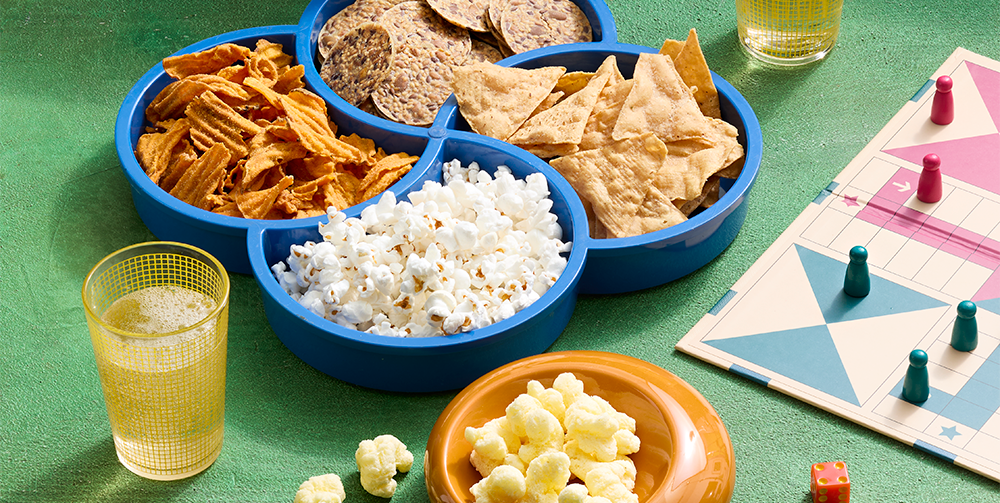
Popcorn is the overachiever of the snack world. It is crunchy, budget-friendly, easy to make, and naturally a whole grain. That means it can bring fiber to the table without pretending to be something it is not. Three cups of air-popped popcorn feels generous, which is nice if you enjoy a snack that does not vanish in four bites.
Keep it healthy by skipping the heavy butter bath and going easy on salt. Season it with cinnamon, smoked paprika, garlic powder, nutritional yeast, or a dusting of Parmesan. Suddenly your movie snack has grown up.
-
Roasted Chickpeas
If chips and beans had a beautiful, responsible child, it would be roasted chickpeas. They are crunchy, portable, and packed with plant-based protein and fiber. That combo helps make them more satisfying than many standard snack crackers.
You can roast canned chickpeas at home with olive oil and spices, or buy packaged versions and compare labels. Look for shorter ingredient lists and reasonable sodium levels. Flavors like chili-lime, cumin, ranch-style herbs, or cinnamon can keep things interesting without turning snack time into a chemistry experiment.
-
Dry-Roasted Edamame
Edamame is one of those foods that dietitians keep recommending because it quietly does everything right. It is a soy food that delivers protein, fiber, and crunch in one neat package. Dry-roasted edamame works well when you want something savory that feels substantial.
It is also one of the best desk-drawer snacks because it does not need much help. Just watch portion size, especially with flavored versions, since sodium can rise fast. But nutritionally, this snack is built like a tiny green tank.
-
Pistachios in the Shell
Pistachios are crunchy, rich, and wonderfully inconvenient in the best possible way. The shells slow you down, which helps turn mindless snacking into actual eating. They also provide healthy fats, protein, and fiber, which is a much better nutritional résumé than most vending machine options.
Choose unsalted or lightly salted versions when possible. Pair them with fruit for a more balanced snack, or enjoy a small handful on their own. They feel fancy, but they are really just practical nuts in good packaging.
-
Almonds or Walnuts
Nuts are classic for a reason. Almonds bring crunch and staying power, while walnuts add richness and healthy fats. They are easy to portion, easy to carry, and easy to overeat if you snack straight from the family-size bag like a raccoon with no self-awareness.
The best move is to portion them into small containers or pair them with fruit. Apples, grapes, pears, and berries all work beautifully. Unsalted versions are usually your friend, especially if the rest of your day already includes plenty of packaged foods.
-
Pumpkin Seeds
Pumpkin seeds, also called pepitas, are tiny but mighty. They add crunch, healthy fats, and a little protein, making them a nice upgrade from pretzels or cheese puffs. They also work in more than one role: snack, topping, salad booster, yogurt sidekick, or “I put this on soup and now I am a person who has their life together.”
Roast them at home or buy them plain. Season with chili powder, cinnamon, or a little black pepper and lime zest. They are especially handy if you want a crunchy snack that does not require refrigeration or prep.
-
Veggie Sticks with Hummus
Carrots, cucumbers, bell peppers, snap peas, and celery all bring serious crunch. Hummus adds creaminess, fiber, and plant-based protein, which turns a pile of vegetables into a snack that can actually hold you over.
This is one of the simplest ways to snack smarter without feeling like you are being punished. Pre-cut vegetables make it more convenient, but washing and slicing your own can save money. Either way, the key is having them ready before hunger turns you into a person who considers dry cereal a dinner plan.
-
Apple Slices with Peanut or Almond Butter
Yes, this snack is crunchy in the produce aisle way rather than the potato chip way, but it still counts. Apples bring natural sweetness and fiber, while nut butter adds healthy fat and protein. Together they create the holy trinity of snack satisfaction: crunch, creaminess, and enough substance to stop the pantry wandering.
Choose nut butters with minimal ingredients, ideally nuts and maybe a little salt. If the label reads like frosting, keep looking. This snack is simple, but that is part of the charm.
-
Whole-Grain Crackers with Cottage Cheese
Crackers are not the problem. It is the type of crackers, and what you put on them, that matters. Whole-grain crackers provide a better base than refined, buttery versions, while cottage cheese brings protein and a creamy contrast to all that crunch.
Add sliced tomatoes, cucumber, black pepper, or everything seasoning if you want to make it feel more intentional. This snack works especially well in the afternoon when you need something more substantial than a handful of air and optimism.
-
Plain Greek Yogurt with Crunchy Toppings
Greek yogurt is not crunchy by itself, obviously. But it becomes a great crunchy snack when you top it with chopped walnuts, pumpkin seeds, high-fiber cereal, or a sprinkle of low-sugar granola. You get protein from the yogurt and texture from the topping without sliding into dessert territory.
Plain yogurt gives you more control over sweetness. Add berries, diced apple, or cinnamon if needed. Think of it as building your own better snack instead of buying a yogurt that already has more sugar than your morning coffee should ever see.
-
Roasted Seaweed Snacks
Seaweed snacks are light, crisp, and surprisingly satisfying when you want a salty crunch without a lot of heaviness. They are not the most filling option on this list, but they can absolutely earn a place in a healthy snack rotation.
The catch is sodium. Some packs are reasonable, and some taste like the ocean filed a complaint. Compare labels and use seaweed as a sidekick rather than the entire snack. Pair it with edamame, brown rice crackers, or a boiled egg if you need more staying power.
-
High-Fiber Cereal as a Snack Mix Base
A good high-fiber, low-sugar cereal can work as a crunchy snack instead of a breakfast-only citizen. Mix it with nuts, seeds, and unsweetened dried fruit to create a DIY snack mix that feels fun but still behaves itself nutritionally.
This is where label reading matters. Some cereals are basically cookies that went to college. Look for whole grains, decent fiber, and not too much added sugar. It is a smart option for travel, school, or the workday snack slump.
-
Brown Rice Cakes with Avocado or Nut Butter
Rice cakes are light and crispy, and they become much more useful when topped with something satisfying. Avocado adds healthy fats, while peanut or almond butter adds protein and richness. Suddenly the humble rice cake is no longer just edible packing material.
Choose plain or lightly salted versions, then build from there. Try avocado with chili flakes, or nut butter with banana slices. This snack is especially handy when you want crunch but not a heavy portion.
-
Crunchy Snap Peas or Jicama with Guacamole
Snap peas and jicama are naturally crisp, refreshing, and underrated. They scratch the same itch as chips but come with fiber, water content, and actual vegetable credentials. Pair them with guacamole for healthy fats and more staying power.
Jicama has a slightly sweet crunch, while snap peas feel like nature made a snack pod on purpose. Either one is excellent when you want something bright, crunchy, and not remotely greasy.
-
Kale Chips or Brussels Sprout Chips
Homemade veggie chips can be a smart way to get that crisp, salty satisfaction in a more nutrient-dense form. Kale chips and roasted Brussels sprout leaves are the stars here. They are crunchy, flavorful, and ideal for people who enjoy saying, “I made chips out of vegetables,” with deserved pride.
The key is not drowning them in oil or salt. A light coating, a hot oven, and good timing go a long way. Store-bought versions can work too, but compare labels because some are healthier in branding than in reality.
How to Shop for Better Crunchy Snacks
If you are buying packaged snacks, the Nutrition Facts label is your best friend and your bluntest one. Look for options that are higher in fiber and lower in sodium, saturated fat, and added sugars. Whole grains should ideally show up early in the ingredient list for grain-based snacks. Nuts, seeds, beans, and plain dairy products are also strong signs that the snack may have some real nutritional value.
Another helpful strategy is asking one question before you buy: “Will this snack hold me over, or just keep me chewing?” A snack built around refined starch and salt may taste great, but it often disappears fast and leaves you hunting for more food an hour later. Snacks with protein, fiber, and healthy fats are simply better at doing the actual job of a snack.
Common Crunchy Snack Mistakes
The biggest mistake is assuming every snack marketed as healthy actually is. Veggie chips, protein chips, granola clusters, and multigrain crackers can range from excellent to basically party food in a wellness costume. Read the label. Compare brands. Do not let leafy packaging make your decisions for you.
The second mistake is ignoring portion awareness. Even nutrient-dense foods like nuts, seeds, and crackers can become an accidental meal if you snack from a giant container while distracted. Portioning snacks ahead of time is not boring. It is practical. Also, it prevents the tragic moment when your “small handful” turns out to be enough almonds to start a small squirrel economy.
Real-Life Experiences With Healthier Crunchy Snacks
One of the most interesting things about switching to healthier crunchy snacks is how quickly your expectations change. At first, many people assume the new options will feel less fun, less flavorful, or somehow less snack-like. But in real life, the opposite often happens. Once you get used to snacks that have actual texture and substance, you stop missing the foods that were mostly salt, powder, and regret.
A very common experience is the afternoon energy slump. This is when people used to grab chips, crackers, or a sweet granola bar because it was fast and familiar. But that kind of snack often creates a pattern: quick satisfaction, then quick hunger. When someone swaps that out for popcorn and pistachios, or apple slices with peanut butter, or veggies with hummus, they often notice they stay fuller longer and feel less desperate for a second snack before dinner. That is not magic. It is what tends to happen when fiber, protein, and healthy fats finally join the conversation.
Another real-world change is convenience. People often think healthy snacking takes too much effort, but usually the issue is not effort. It is setup. If roasted chickpeas, dry-roasted edamame, whole-grain crackers, or nuts are already portioned and visible, they become just as easy as less nutritious options. If cut vegetables are waiting in the fridge and hummus is right next to them, the snack decision becomes almost automatic. Good choices become easier when they are not hidden behind leftover takeout containers and a jar of pickles from 2023.
There is also the taste adjustment. Many people realize their old crunchy favorites were designed to be hyper-palatable, meaning engineered to make stopping more difficult than it should be. Healthier crunchy snacks usually taste more like actual food. At first, that can seem less exciting. Then your taste buds recalibrate. Suddenly sea salt popcorn tastes plenty salty. Roasted pumpkin seeds feel rich and satisfying. Snap peas taste sweet. An apple has crunch and flavor instead of just acting as the thing you ignore on the kitchen counter.
Families often report another surprising benefit: healthier crunchy snacks are easier to customize. One person likes popcorn with chili powder, another wants cinnamon. One likes cucumber and hummus, another wants jicama and guacamole. A parent can set out a simple snack board with cut vegetables, fruit, nuts, yogurt, and whole-grain crackers, and everyone can build something they enjoy. That flexibility matters because the best snack plan is one people will actually follow, not one that looks impressive in a meal prep video and then dies in the refrigerator.
And then there is the mental side of it. Choosing snacks that are genuinely nourishing often makes people feel more in control, not because they are “being good,” but because they stop bouncing between restriction and overeating. Crunchy snacks stop feeling like a guilty pleasure and start feeling like a normal part of eating well. That shift is huge. It means you can enjoy texture, flavor, and satisfaction without turning snack time into a moral debate.
In other words, the experience of eating better crunchy snacks is usually not dramatic. It is better than dramatic. It is sustainable. You feel fuller. You snack more intentionally. Your pantry gets smarter. And you still get the crunch. Honestly, that is the dream.
Final Thoughts
Healthy crunchy snacks are not a myth invented by dietitians to make celery more popular. They are real, delicious, and surprisingly easy to build into everyday life. The best ones offer more than crunch alone. They bring fiber, protein, healthy fats, or whole-food ingredients that help support fullness and better overall nutrition.
So the next time a crunchy craving hits, do not assume your only options are a chip aisle identity crisis or pretending you are not hungry. Go for popcorn, chickpeas, nuts, seeds, crunchy vegetables, edamame, whole-grain crackers, or fruit paired with something satisfying. Your snack can absolutely be loud and useful at the same time.