Every generation believes it has seen the peak of baby-name chaos. Then somebody meets a child named after a luxury SUV, a streaming password, or a word that looks like it lost a fight with a keyboard. Suddenly, the old classroom roll call of Jessica, Michael, Ashley, and Brandon feels like a quiet vacation in beige cardigans.
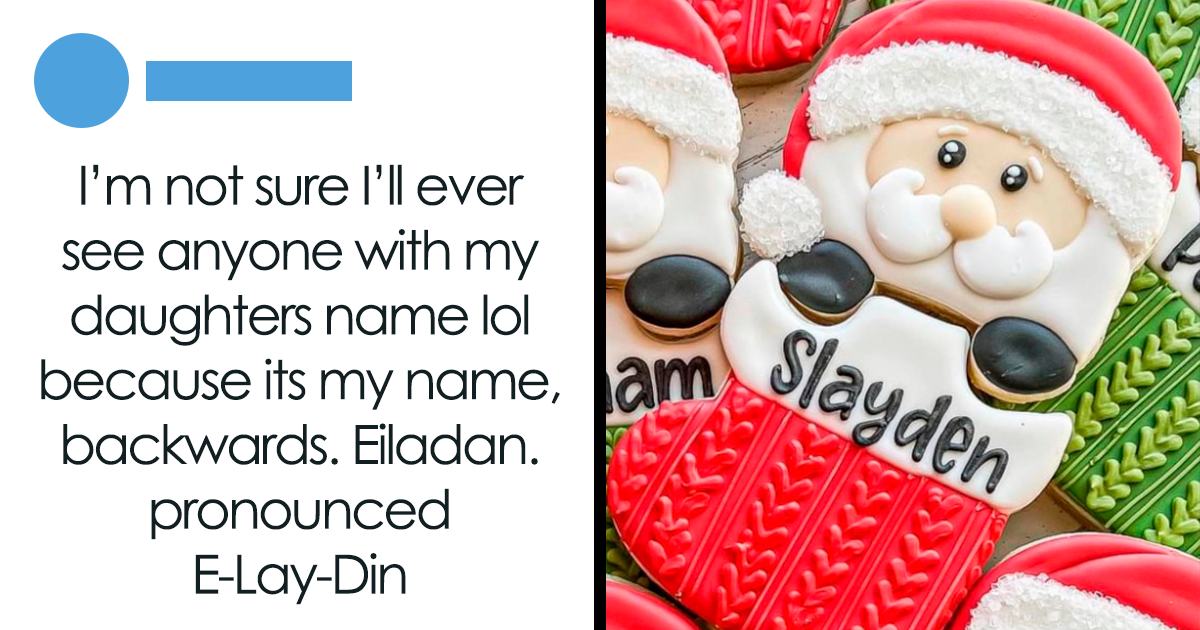
The internet has turned unusual baby names into a full-contact spectator sport. People share stories about names that made teachers pause, nurses blink, hiring managers reread resumes, and relatives whisper, “So… is that pronounced how it looks?” But behind the jokes is a surprisingly serious topic: a name follows a person through school, job applications, medical forms, email introductions, wedding invitations, and coffee cups that never stood a chance.
This article takes a humorous but thoughtful look at terrible names people say they have encountered, why some names trigger such strong reactions, and what parents should consider before turning a birth certificate into an experimental poetry slam.
Why Bad Baby Names Fascinate Everyone
Names are tiny autobiographies written by someone else. They can signal family history, culture, religion, creativity, hopes, humor, and sometimes a parent’s temporary obsession with a fantasy series. In the United States, baby-name culture has become more individualistic over time. Parents are not only choosing names; they are branding, storytelling, and occasionally inventing a spelling that looks like it requires a software update.
Official U.S. baby-name data shows that classic names still dominate the top charts. Liam, Noah, Oliver, Olivia, Emma, and Amelia remain familiar favorites, proving that plenty of parents still prefer names that do not require a pronunciation meeting. At the same time, modern parents are increasingly drawn to names inspired by nature, mythology, surnames, places, pop culture, vintage revival trends, and unique spellings.
There is nothing wrong with creativity. A distinctive name can be beautiful, meaningful, and memorable. The problem begins when a name stops serving the child and starts serving the parent’s need to be different. That is when people ask the immortal question: “What were the parents thinking?”
30 Terrible Names People Say They Have Encountered
To be clear, this list is not about mocking children, cultural names, or meaningful names from languages unfamiliar to English speakers. A name is not “bad” just because someone does not recognize it. The names below represent patterns people commonly complain about online and in real-life conversations: confusing spellings, awkward puns, unfortunate meanings, heavy-handed titles, and names that may be cute on a baby but exhausting for a future adult.
1. Abcde
Usually pronounced “AB-si-dee,” this name became widely discussed because it looks like the alphabet gave up halfway through. It is memorable, yes, but so is a fire alarm.
2. Nevaeh
Nevaeh, famously “heaven” spelled backward, is not rare anymore. The issue is not the sound; it is the explanation. Many people joke that a child should not have to carry a spelling tutorial in their backpack.
3. Pryncess
Princess already makes a statement. Pryncess makes the same statement while wearing glitter sunglasses indoors. Title names can feel heavy because the child must grow into a word that already comes with expectations.
4. Kyng
King has become more visible as a baby name in the U.S., but Kyng turns the drama dial higher. It says, “We wanted royal energy, but with bonus Wi-Fi password spelling.”
5. Messiah
Some parents choose religious or spiritual names with deep meaning. However, names carrying major religious titles can create controversy, especially when the child is simply trying to get through kindergarten snack time.
6. Sir
Calling a child Sir can sound charming in a celebrity headline, but imagine a substitute teacher saying, “Sir, please stop throwing crayons.” Suddenly, the room becomes a courtroom sketch.
7. Queenie
Queenie has vintage charm for some people and cartoon-villain energy for others. It may work beautifully as a nickname, but as a legal first name, it is a lot of crown for one tiny head.
8. Chardonnay
Some beverage-inspired names sound elegant in theory. In practice, Chardonnay can make every introduction feel like a restaurant order. “This is my daughter, Chardonnay” has a way of summoning a waiter.
9. Riot
Riot has an edgy sound, but it also means public disorder. Naming a toddler Riot feels less like prophecy and more like surrender.
10. Rebel
Rebel can be cool, but it may also hand a child a personality before they have chosen one. What if Rebel becomes an accountant who loves beige folders and early bedtime?
11. Chaos
Chaos is the kind of name that makes preschool teachers quietly update their resumes. It may be bold, but it also sounds like a warning label.
12. Heavenlyangel
Sweet? Sure. Subtle? Absolutely not. Compound virtue names can become heavy when they leave no room for a child to be grumpy, messy, human, or mildly annoyed at math homework.
13. Blessyn
Blessing is meaningful. Blessyn is what happens when a perfectly good word is sent through a decorative spelling machine. Parents often mean well, but creative spelling can create a lifetime of corrections.
14. McKynzleigh
This is the final boss of modern invented spelling. Somewhere inside it is Mackenzie, but it has been wrapped in extra letters like a holiday gift from a confused aunt.
15. Braxxtyn
Braxton is already trendy. Braxxtyn adds a double-X situation that looks more like a motocross brand than a first name. The child may spend years saying, “No, two Xs, no O, yes really.”
16. Jaxsyn
Jackson is classic. Jaxon is modern. Jaxsyn is where the spelling begins doing parkour. It is pronounceable, but it asks a lot from every form, teacher, and receptionist.
17. Paizlee
Paisley is a pattern and a name. Paizlee is the same name after it discovered influencer lighting. Cute on a nursery wall, perhaps; harder on a professional nameplate.
18. Khaos
Chaos was already doing enough. Khaos adds the dramatic K, because apparently disorder needed a rebrand.
19. Cashlynn
Cash names can sound confident, but Cashlynn feels like a financial app wearing a hair bow. Money-inspired names often raise eyebrows because they can sound more promotional than personal.
20. Billion
Million, Billion, and similar wealth names sound aspirational, but they may also feel like a parent’s vision board wandered onto a birth certificate.
21. Legacy
Legacy can be meaningful, but it is also a concept, a pressure, and sometimes a car model. A child named Legacy may spend years wondering why their name arrived with a motivational speech.
22. Unique
Unique is a bold name, but it comes with a built-in challenge: what happens when there are three Uniques in the same school district? Irony enters wearing tap shoes.
23. Babyboy
Temporary hospital labels sometimes become cautionary tales. A legal name should probably not sound like someone forgot to finish the paperwork.
24. Sparkle
Sparkle is cheerful, bright, and possibly better suited to a pony in a children’s cartoon. It is hard to imagine a judge saying, “Counselor Sparkle, your opening statement?” with a straight face.
25. Danger
People love to joke that Danger is someone’s middle name. Making it official, however, turns the joke into a lifelong administrative event.
26. Maverick
Maverick has become mainstream, partly because it sounds adventurous and cinematic. Still, some people dislike it because it feels like naming a baby after a leather jacket.
27. Khaleesi
Pop-culture names can rise quickly, but stories change. Naming a child after a character before the final season, final book, or final plot twist can be risky business.
28. Renesmee
Invented literary names can be charming for fans, but they may also trap a child inside their parents’ favorite fandom. A baby should not have to explain vampire romance lore at every doctor’s appointment.
29. Apple
Apple is simple and sweet, but it still divides people. Some hear fresh and wholesome; others hear lunchbox. Fruit names are a delicate orchard.
30. Audio Science
Two-word concept names can sound artistic, but they often feel less like a person and more like a college elective. “Audio Science” might be a fascinating course, but as a first-and-middle-name combo, it is doing a lot.
What Makes a Name Feel “Terrible”?
It Is Hard to Spell
Creative spelling is one of the biggest reasons names get criticized. Parents may think an unusual spelling makes a name special, but the child experiences the practical side: correcting teachers, repeating letters over the phone, fixing forms, and watching autocorrect lose its will to live.
It Sounds Like a Joke
Some names are funny once. Unfortunately, a child may hear that joke thousands of times. Puns, product names, titles, and dramatic word names can become exhausting when the humor belongs to the parents but the consequences belong to the kid.
It Carries Too Much Pressure
Names like King, Queen, Legend, Saint, and Legacy can be meaningful, but they also carry expectations. Not every child wants to be introduced like a motivational billboard. A name should give a person room to become themselves.
It Ages Poorly
A name that sounds adorable on a newborn may not fit a teenager, a lawyer, a nurse, a mechanic, a scientist, or a tired adult trying to refinance a mortgage. Good baby names should also work as adult names. After all, the baby phase is short; the email signature phase is long.
It Depends Too Much on a Trend
Pop culture can inspire wonderful names, but it can also create naming regret. A character may be beloved today and controversial tomorrow. A celebrity trend may feel fresh for six months and dated for sixty years. Parents should ask whether they love the name itself or just the current hype around it.
The Serious Side of Funny Name Stories
It is easy to laugh at unusual names, but names also connect to identity, belonging, and opportunity. Research on name-based bias has shown that names can influence how people are perceived in school and the workplace. Teachers, employers, classmates, and strangers may make assumptions based on spelling, pronunciation, cultural origin, or perceived social class.
This is why it is important to separate genuinely impractical names from culturally unfamiliar names. A name from another language is not “terrible” because an English speaker has not learned it. Mispronouncing or mocking cultural names can be harmful. The issue is not difference; the issue is avoidable burden.
In schools, name pronunciation matters. When a teacher consistently says a student’s name incorrectly, the student may feel unseen or disrespected. That does not mean every name must be common. It means adults should make an honest effort, and parents should consider whether a name will invite confusion for reasons that have nothing to do with heritage and everything to do with unnecessary decoration.
Why Parents Choose Wild Names Anyway
They Want Originality
Many parents grew up with five kids sharing the same name in class. They want their child to stand out. That instinct is understandable. The trick is finding a name that is distinctive without becoming a daily obstacle course.
They Want Meaning
Names like Miracle, Blessing, Hope, and Journey can reflect powerful family stories. Sometimes people criticize names without knowing the emotional reason behind them. Still, meaning and practicality should work together. A meaningful name can be beautiful without needing six extra consonants.
They Follow Trends
Modern naming trends move fast. One year, everyone loves surname names. The next year, nature names bloom everywhere. Then vintage names return, mythology names rise, and suddenly a toddler named Atlas is sharing crackers with a toddler named Juniper. Trends are not bad, but parents should avoid choosing a name only because it sounds fashionable this minute.
They Underestimate the Paperwork
A name is not just spoken at birthday parties. It appears on medical records, school systems, passports, college applications, job documents, bank accounts, and legal forms. A name that includes unusual punctuation, numbers, symbols, or extremely creative spelling may create problems in databases that were clearly designed by people who expected everyone to be named John.
How to Choose a Unique Name Without Creating a Headache
Parents do not have to pick a top-ten name to be responsible. A child can have a rare, beautiful, memorable name that still works in real life. The key is testing the name beyond the nursery.
Say it out loud with a last name. Imagine it on a resume. Picture it being called at graduation. Try spelling it over the phone. Ask whether it has an obvious cruel nickname. Search the meaning. Check whether the initials spell anything unfortunate. Consider whether the name belongs to a trend that may feel outdated quickly. Most importantly, remember that the child is the one who will carry it.
A good unusual name usually has at least one anchor: clear pronunciation, meaningful origin, simple spelling, pleasant sound, or family significance. A risky unusual name has none of those and relies entirely on shock value. That is the difference between “interesting” and “please report to the birth-certificate help desk.”
Personal Experiences and Real-Life Reflections on Terrible Names
Anyone who has worked in a school, clinic, customer-service desk, summer camp, or office has probably encountered at least one name that caused a tiny internal reboot. You see the name on paper, prepare your best professional face, and then quietly wonder whether the parents lost a bet. The important thing, of course, is never to embarrass the person. Children do not name themselves, and adults with unusual names have usually heard every joke already. The kindest approach is simple: ask politely, pronounce carefully, and save your dramatic reaction for the group chat you should probably not send.
One common experience is the spelling marathon. A person says, “My name is Jaxsyn,” and the receptionist types Jackson. Then comes the correction: “No, J-A-X-S-Y-N.” Everyone remains polite, but the air fills with paperwork fatigue. Multiply that by school attendance, sports registration, dental appointments, airport security, college applications, and work email accounts, and suddenly the cute spelling becomes a lifelong subscription service nobody ordered.
Another familiar situation is the name that sounds like a punchline even when nobody wants it to. A child named Chaos may be perfectly calm. A child named Princess may hate attention. A teenager named Legend may just want to survive algebra without being treated like a motivational poster. Names can create expectations before a person has a chance to introduce their actual personality. That is unfair, especially for kids who are still figuring out who they are.
There is also the pop-culture problem. Parents fall in love with a character, song, celebrity, or fictional world and choose a name that feels magical in the moment. But children grow up in the real world, where classmates may not understand the reference or may understand it too well. A name tied closely to a famous franchise can become dated, awkward, or impossible to separate from the original character. It is one thing to enjoy a show; it is another to make your child a walking trivia question.
The best naming experiences tend to happen when parents balance creativity with empathy. A name can be uncommon without being confusing. It can honor family without sounding ancient in a bad way. It can be playful without becoming a joke. Before choosing a dramatic name, parents should imagine their child at five, fifteen, thirty-five, and seventy. Will the name still feel like a gift? Or will it feel like a costume they never agreed to wear?
In the end, the funniest terrible-name stories all point to one serious lesson: naming a child is not a contest for originality. It is an act of care. The goal is not to impress strangers, win the internet, or prove that vowels are optional. The goal is to give a real person a name they can carry with confidence, dignity, and maybe only a normal amount of Starbucks misspellings.
Conclusion
Terrible names are funny because they surprise us, but they matter because names are deeply personal. A strange spelling or dramatic title may seem harmless when a baby is tiny, but that name will eventually belong to a student, employee, friend, partner, parent, and adult human being who has to say it thousands of times.
The best names do not have to be boring. They simply need to be livable. Creativity is wonderful when it serves the child. But when a name becomes a spelling puzzle, a punchline, or a pressure campaign, people will keep asking: “What were the parents thinking?”
Note: This article is original, written in standard American English, and informed by real U.S. baby-name data, naming-law discussions, education research, workplace name-bias studies, and current baby-name trend reporting.