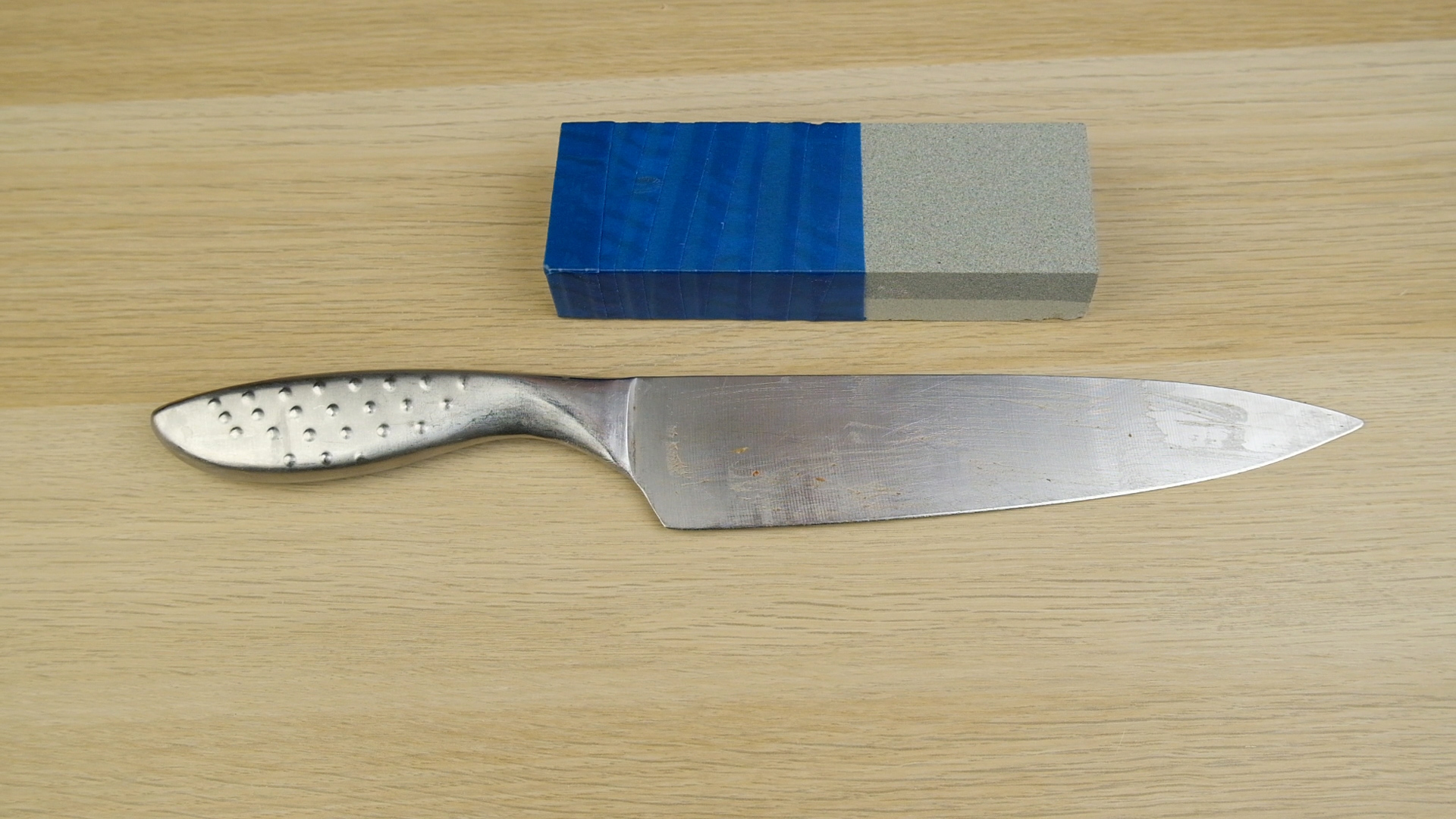
An old knife can be a beautiful thing. It might be your grandfather’s pocketknife, a flea-market chef’s knife with “character,” or that camp blade you swore you’d clean after the last trip and then absolutely did not. The good news is that surface rust does not always mean a knife is finished. In many cases, you can remove rust from an old knife, improve its appearance, and get it back into respectable working shape.
The trick is not to go full medieval on it. Rust removal works best when you start gently, match the method to the level of corrosion, and stop before you sand away half the blade along with the orange spots. That is especially important if the knife is old, collectible, or sentimental. Sometimes “restored” is just a fancy word for “oops, I ruined the finish.”
In this guide, you’ll learn six practical ways to remove rust from an old knife, when each method makes sense, and how to keep rust from coming back like an unwanted sequel.
Before You Start: Figure Out What Kind of Rust You’re Dealing With
Not all rust looks the same, and not every old knife should be cleaned the same way. A few orange freckles on a carbon steel blade are very different from thick crusty corrosion, black pitting, or a blade that looks like it spent a decade at the bottom of a tackle box.
Surface Rust
This is the light stuff: orange or brown discoloration, tiny rust specks, or faint haze on the blade. Surface rust usually responds well to oil, baking soda paste, vinegar, or a mild polish.
Heavier Rust and Pitting
If the blade feels rough, looks cratered, or has rust concentrated near the edge or pivot, you’re dealing with deeper corrosion. You may still be able to improve it, but you might not restore a like-new finish. Once rust has eaten into the steel, the color can come off while the damage stays behind.
Valuable or Antique Knives
If the knife is collectible, handmade, military, or a family heirloom, use extra caution. Old blades often carry patina, original polish, and age marks that collectors actually value. Over-cleaning can lower that value fast. In those cases, the gentlest method is usually the smartest one, and sometimes leaving a stable patina alone is better than scrubbing for a mirror shine.
Safety First, Because Knives Are Still Knives
Before you start cleaning, put on gloves if you’re using chemical products, work on a stable surface, and keep the edge pointed away from you. Folded knives should be cleaned carefully around the pivot and lock. If the blade is loose, cracked, or seriously damaged, do not force restoration. And if the knife will be used for food prep after cleaning, wash it thoroughly with mild soap and water, rinse well, and dry it completely.
1) Remove Light Rust with Oil and a Soft Cloth
This is the gentlest method, and it’s the best place to start when the rust is minor. If your old knife has only faint spotting or a small bloom of orange haze, a little oil and patient rubbing may be enough.
How to do it
Apply a few drops of light oil to the blade. Then rub the rusty area with a soft cloth, paper towel, or very fine non-scratching pad. Work slowly and check your progress often. On a folding knife, you can also put a tiny amount around the pivot after cleaning to help protect moving parts.
Why it works
Oil helps loosen light oxidation while reducing friction as you rub, which lowers the odds of scratching the finish. This method is especially good for older knives with delicate finishes or sentimental value because it does the least violence to the metal.
Best for
Light rust, recent rust spots, and knives you do not want to over-clean.
Pro tip: If the knife has a polished blade, rub lengthwise with the blade rather than in wild circles like you’re buffing a car hood at a county fair.
2) Use a Baking Soda Paste for Mild Rust
Baking soda is the classic “I already have this in the kitchen” solution, and for mild rust, it earns its reputation. It acts as a gentle abrasive, which means it can lift surface rust without being as harsh as aggressive scrubbers.
How to do it
Mix baking soda with a small amount of water until it forms a thick paste, roughly the texture of toothpaste. Spread the paste over the rusted spots and let it sit for 10 to 20 minutes. Then scrub gently with a soft cloth, sponge, or soft-bristled toothbrush. Rinse, dry immediately, and inspect the blade. Repeat if needed.
Why it works
Baking soda gives you controlled abrasion. It is strong enough to help dislodge light rust but usually mild enough for everyday old knives that are not museum pieces.
Best for
Stainless steel kitchen knives, old utility knives, and light-to-moderate spotting.
Watch out: If you scrub too hard with a rough pad, the baking soda is not the problem. Your enthusiasm is.
3) Soak the Rust in White Vinegar
White vinegar is one of the most effective home methods for rust removal because its acidity helps break down oxidation. This is a stronger move than oil or baking soda, so it is better for moderate rust than for a blade with a very delicate finish.
How to do it
For a fixed-blade knife, place the rusty part in a shallow container of white vinegar. For a folding knife, use caution and avoid soaking handle materials that may react badly to moisture. You can also soak a paper towel in vinegar, wrap it around the blade, and let it sit for a few hours. Check the knife periodically. After soaking, scrub gently with a soft pad or cloth, rinse thoroughly, and dry the blade right away.
Why it works
The acetic acid in vinegar helps dissolve rust, making it easier to wipe or scrub away. For many old knives, this is where the real progress starts.
Best for
Moderate rust, stubborn orange patches, and neglected blades that need more than a cosmetic touch-up.
Important: Do not leave the knife in vinegar forever. Extended soaking can dull the finish and may affect handle materials or adhesives. Check it often instead of treating the bowl like a time capsule.
4) Try Lemon Juice or Citric Acid for Fresh Rust
If you prefer another acidic method, lemon juice or a citric acid solution can help with lighter rust. This option is especially handy when the rust is fresh and not deeply embedded.
How to do it
You can sprinkle a little baking soda on the rust and squeeze lemon juice over it, then let the mixture fizz for several minutes before gently scrubbing. Another option is to dissolve food-grade citric acid in warm water and apply it to the rusted area or briefly soak the blade. Afterward, rinse well and dry completely.
Why it works
Citric acid helps loosen oxidation in a similar way to vinegar. It can be a practical middle-ground method when the rust is light and you want a cleaner, more targeted treatment.
Best for
Fresh rust, light staining, and spot treatment.
Use caution: Always spot-test first. Acidic cleaners can affect certain finishes, and they are not a great choice for every metal surface or decorative handle material.
5) Use a Non-Abrasive Metal Polish or Oxalic-Acid Cleanser
When home remedies are not cutting it, a commercial product can save time and elbow grease. This is a smart choice for old knives with tougher rust staining but without severe structural damage.
How to do it
Apply the product according to its label. For a non-abrasive metal polish, work a small amount onto the rusted area with a soft cloth, then buff carefully. For an oxalic-acid cleanser, use a damp cloth or sponge, scrub gently, and rinse thoroughly. Do not let the product sit longer than directed.
Why it works
These products are formulated specifically to break down rust and discoloration more efficiently than pantry ingredients. They can be especially useful on stainless blades or knives with heavier staining that still have a decent surface underneath.
Best for
Stubborn rust stains, heavier discoloration, and blades that need a more serious cleaning step.
Good judgment matters here: If the knife is used for food, rinse very thoroughly, wash with mild soap, and dry completely before it goes anywhere near a tomato, onion, or your favorite sandwich.
6) Use a Rust-Remover Soak for Severe Corrosion
If the knife is badly rusted and the gentler methods barely make a dent, a dedicated rust-remover soak may be the most effective route. This is often the best choice for garage-find knives, heavily neglected shop knives, or tool-style blades that are rusty all over.
How to do it
Clean off dirt and grease first. Then submerge the blade in the rust-remover solution according to the product directions. After soaking, rinse, dry, and inspect. You may need a second round, followed by gentle polishing or very light scrubbing in remaining problem spots.
Why it works
Commercial rust removers are made to tackle heavier corrosion with less brute-force scrubbing. That means they can remove rust while reducing the chance that you will gouge the blade with an overly enthusiastic abrasive attack.
Best for
Heavy rust, blades rescued from damp storage, and restoration projects where surface beauty left the building years ago.
Reality check: A rust remover can remove rust, but it cannot magically refill missing steel. Deep pits, edge damage, or serious metal loss may still remain. Sometimes the victory is “clean and usable,” not “looks like it was forged yesterday.”
What Not to Do When Cleaning a Rusty Old Knife
Rust removal is partly about what you avoid. Here are the biggest mistakes:
Do not start with coarse sandpaper. It removes rust, sure, but it also removes finish, character, and sometimes your future happiness.
Do not use power tools unless you truly know what you’re doing. Buffing wheels and grinders can heat the blade, alter the finish, and erase details fast.
Do not soak the whole knife carelessly. Wood, bone, horn, stacked leather, adhesives, and pivots may not appreciate a chemical bath.
Do not leave moisture behind. The fastest way to welcome rust back is to clean the knife and then let it sit damp. That is not restoration. That is a sequel.
How to Prevent Rust from Coming Back
Once the blade is clean, your job is only half done. Rust prevention is where the long-term win happens.
Dry It Immediately
After washing or rinsing, dry the knife right away with a soft towel. Do not leave it to air-dry on the counter. Water spots and lingering moisture are basically rust’s RSVP card.
Apply a Light Protective Coat
A very light coat of oil helps protect the blade from moisture and oxygen. For a knife used around food, many people prefer a food-safe mineral oil. For non-food utility knives, light machine oil is also commonly used.
Store It in a Dry Place
A dry drawer, knife roll, or rack is better than a damp basement or a leather sheath for long-term storage. Leather can trap moisture and tanning chemicals, which is bad news for carbon steel.
Clean It After Use
Salt, acids, fingerprints, and food residue all invite corrosion. A quick wash, dry, and wipe-down after use is boring, yes, but boring is exactly how knives survive for decades.
When to Stop Cleaning and Call It “Good”
There is a point where continued scrubbing gives you less and less benefit. If the knife is clean, stable, and no longer actively rusting, you may not need to chase every dark mark. Old steel often develops patina, and that is not the same thing as active rust. Patina can be harmless. Deep orange rust is not.
If the blade has severe pitting along the edge, structural weakness, or rust that keeps returning from inside cracks or joints, consider professional restoration or retiring the knife from serious use. Not every old knife needs to become a daily driver. Some deserve to become a well-preserved storyteller instead.
Real-World Experiences with Rusty Old Knives
If you spend enough time around old knives, you start to notice a pattern: almost every rusty blade comes with a backstory. The tiny pocketknife from a garage sale usually has light surface rust and a sticky pivot because it sat in a tackle box for ten summers. The old kitchen knife from a relative’s drawer often has orange spots from being washed and left wet, but the edge still has life in it. The camp knife pulled from a shed usually looks dramatic, yet half the battle is just dirt, neglect, and somebody’s long-running misunderstanding of the phrase “stainless steel.”
One of the most common experiences people have is discovering that the scary-looking knife is not always the hardest one to fix. Light rust can look ugly, but it often wipes away with oil, a baking soda paste, or a vinegar treatment. The real heartbreak is pitting. That is when you realize the rust was not just visiting; it moved in, redecorated, and took little bites out of the steel. In those cases, cleaning still helps, but the goal shifts. You stop chasing perfection and start aiming for preservation.
Another lesson people learn fast is that patience beats aggression. The first instinct with a rusty knife is often to grab the roughest pad in the house and scrub like you’re in a contest. Then the blade ends up cleaner but scratched to pieces. A lot of experienced knife owners eventually settle into the same rhythm: start gentle, inspect often, and only step up to stronger methods when the lighter ones stall out. It is less exciting than the movie montage version of restoration, but it works better in real life.
There is also the emotional side of it. Cleaning an old knife is not always about money or even utility. Sometimes it is about memory. A worn trapper from a grandfather, an old hunting knife from a parent, or a beat-up chef’s knife from the first apartment kitchen can be worth restoring simply because it matters to you. In those moments, removing rust feels less like maintenance and more like rescuing a piece of family history from a long nap in a damp drawer.
And then there is the humbling experience almost everyone has at least once: you finally remove the rust, admire your work, and forget to oil the blade before storing it. A few days later, the orange freckles come back like they own the place. That is when the final truth clicks. Rust removal is not a one-time magic trick. It is part cleaning, part prevention, and part accepting that old steel likes attention. Give it a little care, keep it dry, and it will usually repay you with years of service. Ignore it, and it turns into a science experiment wearing a knife costume.
Conclusion
If you want to remove rust from an old knife successfully, the smartest approach is simple: start gentle, choose the method that matches the rust, and protect the blade once you are done. Oil works for the lightest cases, baking soda helps with mild rust, vinegar and citric acid step things up, commercial polishes and oxalic-acid cleansers tackle more stubborn staining, and dedicated rust-remover soaks are the heavy hitters for serious corrosion.
The best result is not always a perfect showroom finish. Sometimes it is a clean, stable, useful old knife that still looks its age in the best possible way. Honestly, that is part of the charm. A knife with a little history is more interesting than one that looks like it was born yesterday.