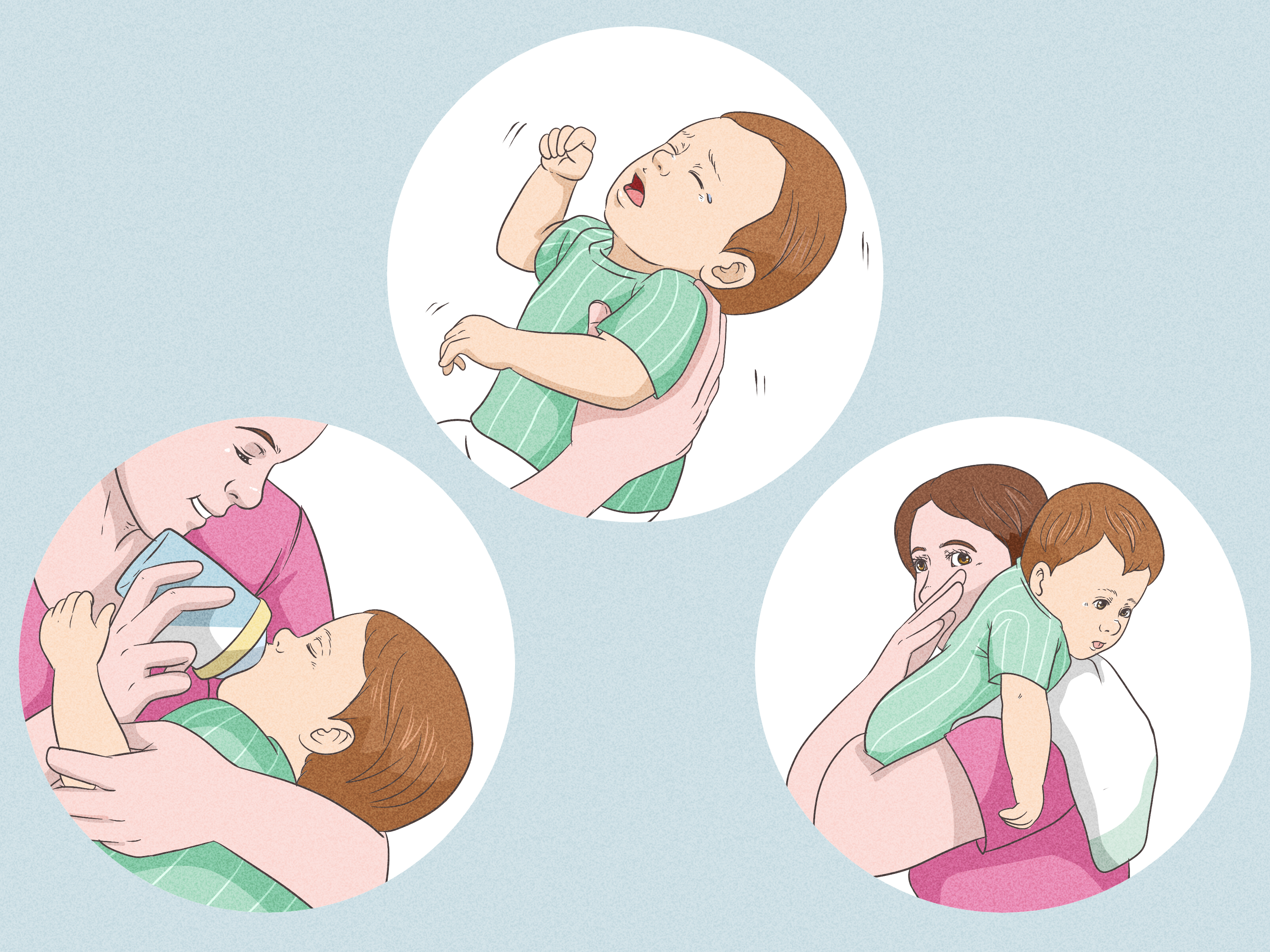
Burping a baby can feel like a tiny post-meal magic trick: hold, pat, wait, and hope for a sound that somehow makes everyone in the room cheer. While not every baby burps after every feeding, helping your little one release swallowed air can make feeding more comfortable and may reduce fussiness, gas, or spit-up.
The good news is that you do not need a complicated routine, expensive gadget, or a Ph.D. in infant acoustics. You mainly need a comfortable position, gentle hands, good head-and-neck support, and a burp cloth prepared for the occasional surprise cameo from breast milk or formula.
This guide explains four safe, practical ways to burp babies, when to try each position, what to do if no burp appears, and when spit-up may be worth discussing with your child’s pediatrician.
Why Do Babies Need to Burp?
Babies can swallow air while nursing, drinking from a bottle, crying, or feeding quickly. That air may sit in the stomach and make a baby feel uncomfortable. Since newborns are still learning how their little bodies work, they are not always great at moving gas along without help.
Burping gives trapped air a chance to rise and escape. Some babies become restless, kick their legs, squirm, pull away from the bottle or breast, or start crying shortly after a feeding when they need a burp. Others seem perfectly content and may not need much assistance at all.
There is no universal burp quota. One baby may produce a dramatic grown-up-style belch after every ounce, while another may offer nothing but a peaceful stare. Both can be completely normal.
Before You Burp Your Baby: A Few Simple Safety Rules
Before trying any burping position, keep these basics in mind:
- Always support your baby’s head and neck, especially during the first months.
- Use gentle pats, light rubbing, or small circular motions on the back.
- Never shake, bounce forcefully, squeeze the belly, or press on the throat.
- Keep a burp cloth under your baby’s chin or over your shoulder.
- Try burping during natural feeding pauses instead of interrupting an eager baby every few seconds.
- Do not worry if no burp comes after a minute or two. Some babies simply do not need one every time.
For bottle-fed babies, many caregivers pause for a burp after about 1 to 3 ounces, depending on the baby’s age and feeding style. For breastfed babies, a natural time to burp is when switching sides or at the end of the feeding. Your baby’s appetite, comfort, and feeding pace matter more than following a stopwatch like you are running a tiny milk-themed Olympics.
1. The Over-the-Shoulder Burp
The over-the-shoulder burp is the classic move most people picture first. It is simple, widely used, and especially convenient when your baby likes to snuggle after feeding.
How to Do It
- Place a burp cloth over your shoulder.
- Hold your baby upright against your chest.
- Rest your baby’s head near or slightly above your shoulder.
- Use one hand and arm to support your baby’s bottom and body.
- Use your other hand to gently pat or rub the middle to lower part of the back.
If your baby does not yet have steady head control, make sure the head is supported against your chest or shoulder. Keep your baby’s face turned to the side so the nose and mouth remain clear.
When This Position Works Best
This method can be especially helpful for babies who enjoy being upright after feeding or tend to relax when held close. The upright posture may help air move toward the top of the stomach, while the gentle back rub provides a calm rhythm.
Try alternating between soft pats and slow upward rubs. Some babies find patting annoying but respond beautifully to a slow rub. Others prefer a light pat-pat-pat rhythm that says, “Yes, small human, we are negotiating with your digestive system.”
2. The Seated Lap Burp
The seated lap burp is a useful option when you want more control over your baby’s head and neck. It also works well if your baby spits up more easily over the shoulder or seems happier facing outward.
How to Do It
- Sit comfortably in a chair, sofa, or bed with your feet supported.
- Place your baby on your lap facing sideways or facing away from you.
- Lean your baby slightly forward.
- Support the chest and jaw with one hand, keeping fingers away from the throat.
- Use your other hand to gently pat or rub the middle to lower back.
Your hand should stabilize the chest and support the head without putting pressure on the neck. Think “steady support,” not “tiny chin lift.” Your baby should be comfortable, breathing freely, and slightly inclined forward.
Why Parents Like This Method
This position gives you a clear view of your baby’s face and posture. It can be useful for newborns who need extra head support, and it often works well after a bottle or during a brief break between breastfeeding sides.
It can also be gentler for babies who dislike the pressure of being held high on a shoulder. Keep the motion calm and controlled. The goal is not to rattle a burp loose; it is to give swallowed air an easy exit route.
3. The Tummy-Across-the-Lap Burp
Some babies seem to burp best when resting tummy-down across a caregiver’s lap. This position can create mild, natural pressure against the stomach while allowing you to rub the back.
How to Do It
- Sit down securely with both feet on the floor.
- Place a burp cloth across your lap.
- Lay your baby face-down across your thighs.
- Keep the baby’s head turned to one side.
- Make sure the head is slightly higher than the chest.
- Support the head and upper body with one hand if needed.
- Gently pat or rub the baby’s back with your free hand.
This is a burping position only. It is not a sleep position. If your baby falls asleep after feeding, transfer them to a safe sleep space on their back, on a firm and flat surface.
When to Try It
The tummy-across-the-lap position can be helpful when your baby becomes fussy in upright holds or seems to relax with gentle pressure on the tummy. It may also be worth trying when the over-the-shoulder method produces only a burp cloth full of hope and absolutely no burp.
Keep the session short. A minute or two is usually enough to see whether it works. If your baby is content and no burp happens, move on with the feeding or cuddle time.
4. The Side-Facing Armrest Burp
The side-facing armrest burp is a variation of the seated lap method. It gives your baby a small forward lean while their upper body rests across your forearm. Many caregivers find it comfortable because it supports the baby securely without requiring a full over-the-shoulder hold.
How to Do It
- Sit in a stable chair or on a couch.
- Place your baby sideways on your lap.
- Let the baby’s upper body rest slightly forward across your forearm.
- Use your hand to gently cradle the jaw and support the head.
- Keep fingers away from the throat and avoid pressing on the neck.
- Pat or rub the middle to lower back with your free hand.
This angle may help some babies release air without putting too much pressure on a full stomach. It is also useful when you want to watch your baby’s face closely during the burping attempt.
A Gentle Reminder About Technique
Burping should be calm. Use soft, controlled motions rather than hard thumps. A slightly cupped hand can make pats feel gentler than a flat palm. You are trying to help a small bubble travel upward, not knock on a door three floors away.
When Should You Burp a Baby?
Most babies benefit from a burping break during and after feedings, especially in the early months. A practical routine may look like this:
- During bottle-feeding: Pause around the halfway point or after 1 to 3 ounces.
- During breastfeeding: Try a burp when switching breasts or when your baby pauses naturally.
- After feeding: Hold your baby upright for a few minutes and offer one final burping opportunity.
- When your baby seems uncomfortable: Try a burp if they squirm, arch, pull away, cry, or become fussy shortly after eating.
Some breastfed babies swallow less air and may not burp often. That is not automatically a problem. If your baby is feeding well, gaining weight, producing wet diapers, and generally seems comfortable, an absent burp is usually not a crisis.
What If Your Baby Will Not Burp?
First, take a breath. A missing burp does not mean you failed the parenting level.
Try changing positions once. Move from the shoulder hold to a seated lap burp, or from the lap to the tummy-across-the-lap method. Give each position about one or two minutes. If no burp happens and your baby seems calm, continue feeding or settle them upright for a short period.
Sometimes a baby may pass gas later instead. Sometimes they may spit up a small amount. Small, effortless spit-ups are common in infancy and often look much larger than they really are because milk has a talent for dramatic puddle-making.
You can also reduce swallowed air during feeding by keeping bottle nipples filled with milk, using an appropriate nipple flow, feeding your baby in a more upright position, and allowing breaks when your baby is drinking quickly.
Burping and Spit-Up: What Is Normal?
Many babies spit up occasionally, especially during burping. Normal spit-up is usually a gentle flow of milk or formula, and babies often remain comfortable afterward. It is different from forceful vomiting, which may project out with noticeable effort and upset the baby.
Holding your baby upright for a short time after feeding may help reduce spit-up for some babies. Avoid vigorous bouncing, active play, or tight pressure around the belly right after meals.
Even if your baby spits up frequently, always place them on their back to sleep on a firm, flat sleep surface. Do not use wedges, inclined sleepers, pillows, or positioners for sleep unless your child’s medical team gives you specific instructions.
When to Call a Pediatrician
Burping can help with ordinary swallowed air, but it cannot fix every feeding concern. Contact your child’s pediatrician if your baby has:
- Forceful or repeated vomiting.
- Green or yellow-green vomit, blood in vomit, or blood in stool.
- Difficulty breathing, repeated choking, blue lips, or unusual limpness.
- Signs of dehydration, such as very few wet diapers, dry mouth, or unusual sleepiness.
- Poor weight gain or feeding refusal.
- Frequent crying, worsening spit-up, or obvious discomfort after most feedings.
- A fever in a young infant or any symptom that makes your baby seem unusually ill.
Trust your instincts. You know your baby’s usual behavior better than anyone else. When something feels different or concerning, it is reasonable to call for medical guidance.
Parent Experiences: What Burping Babies Really Feels Like
New parents often expect burping to be simple: feed baby, pat baby, hear burp, move on. In real life, it can feel more like trying to solve a tiny mystery with limited clues and a burp cloth draped over one shoulder.
One of the biggest lessons caregivers learn is that every baby has preferences. A method that works beautifully for one child may lead to instant protest from another. Some babies settle immediately over a shoulder and release a satisfying burp within seconds. Others stiffen, wiggle, and act personally offended by the entire concept of being interrupted during dinner.
Many parents discover that the seated lap position becomes their favorite because they can see the baby’s face. This is especially reassuring in the newborn stage, when caregivers are still learning every little expression. A calm face, relaxed hands, and soft breathing can be signs that the baby is comfortable, even if no burp arrives.
The over-the-shoulder method is often the first choice during sleepy nighttime feedings. It feels natural, keeps the baby close, and gives caregivers a chance to slow down after a long night. The downside is that it can turn clean pajamas into a milk-themed art project. Experienced parents quickly learn that burp cloths are not optional accessories; they are essential survival equipment.
Parents also learn not to chase a burp for too long. Spending ten minutes patting a content baby can make everyone frustrated, especially if the baby was still hungry. A brief attempt, a position change, and then moving on is usually more peaceful. Babies can sense stress, and feeding time goes better when the caregiver is relaxed too.
Another common experience is realizing that fussiness does not always mean gas. Babies cry because they are hungry, tired, overstimulated, too warm, too cool, wet, bored, or simply having a difficult moment. Burping is worth trying after a feeding, but it is not a universal reset button.
Caregivers often become more confident once they stop comparing their baby to someone else’s. Your friend’s baby may burp loudly after every bottle. Your baby may quietly pass gas later and look completely pleased with the arrangement. Both babies can be normal.
With time, burping becomes less of a performance and more of a routine. You learn your baby’s cues, discover their preferred position, and recognize when they are comfortable enough to skip the encore. The goal is not to produce the loudest burp in the nursery. The goal is a calm, fed, comfortable baby and a caregiver who knows they are doing a good job.
Final Thoughts
The best way to burp a baby is the one that keeps your child safe, supported, and comfortable. Start with the classic over-the-shoulder hold, then experiment with a seated lap burp, tummy-across-the-lap position, or side-facing armrest hold. Use gentle pats or rubs, give each attempt a little time, and remember that not every feeding ends with a burp.
As your baby grows, feeding skills change and burping needs often change too. Until then, keep the burp cloth nearby, trust your observations, and celebrate the small victorieseven when they are surprisingly loud.