Beautiful fingernails do not require acrylic armor, glitter explosions, or a weekly appointment that costs more than lunch for two. Natural-looking nails can be clean, smooth, strong, and quietly elegant with a few smart habits repeated consistently. In other words, your hands can look “I have my life together” even if your laundry basket strongly disagrees.
The secret is not one miracle oil, one celebrity supplement, or one dramatic “nail detox.” Fingernails are made mostly of keratin, and they grow slowly, so real improvement comes from protecting the nail plate, caring for the cuticle, eating enough nutrients, avoiding harsh habits, and giving your nails time to recover. Think of nail care like gardening: you cannot yell at the flower to bloom faster, but you can improve the soil, water it properly, and stop stepping on it.
This guide explains how to make your fingernails look good naturally using practical, dermatologist-aligned nail care habits. You will learn how to clean, shape, moisturize, strengthen, and polish-free your way to healthier-looking hands without turning your bathroom into a tiny salon laboratory.
What “Good Natural Nails” Actually Look Like
Healthy-looking natural fingernails are usually smooth, clean, evenly shaped, and similar in color from nail to nail. They may have subtle vertical ridges, especially with age, and that is often normal. A natural nail does not need to be glassy-perfect. It simply needs to look cared for.
Good natural nails usually have three things in common: a tidy shape, hydrated skin around the nail, and no obvious tearing or peeling at the edges. Even short nails can look elegant when the tips are filed evenly and the cuticles are not dry enough to qualify as desert terrain.
Start With Clean Nails, Not Over-Scrubbed Nails
Clean nails instantly look better. Dirt under the nail tip, stained edges, and dry soap residue can make even strong nails look neglected. Wash your hands with soap and water, and gently clean under the nails with a soft nail brush when needed. Avoid digging aggressively under the nail with metal tools because that can separate the nail from the skin underneath and invite irritation.
After washing, dry your hands well. Moisture trapped around the nails can encourage irritation and make nails softer and more prone to splitting. Clean and dry is the goal; squeaky, stripped, and angry is not.
Simple Daily Cleaning Routine
Once a day, wash your hands, gently brush around the nail edges, dry thoroughly, and apply hand cream. This tiny routine takes less than two minutes and does more for natural nail beauty than many complicated treatments. If you cook with turmeric, garden, clean, or handle dark pigments, clean your nails sooner rather than later so stains do not settle in like they signed a lease.
Shape Your Nails for Strength and Style
The easiest way to make fingernails look good naturally is to keep them shaped. Uneven tips catch on fabric, split, and make nails look messy. Use sharp nail clippers or manicure scissors, then file the edges smooth with an emery board or glass file.
For most people, a short oval, soft square, or rounded-square shape is the most flattering and practical. Very pointy or very long nails may look dramatic, but they also break more easily. If your nails are weak, keep them shorter while they recover. Short, neat nails look intentional; broken long nails look like they lost a tiny bar fight.
How to File Nails Correctly
File gently from the side toward the center rather than sawing back and forth with enthusiasm. A rough sawing motion can fray the nail edge and lead to peeling. Smooth the free edge until it no longer catches on clothing or hair. That “snag test” is simple: if your nail grabs your sweater, it needs more filing.
Moisturize Your Nails and Cuticles Every Day
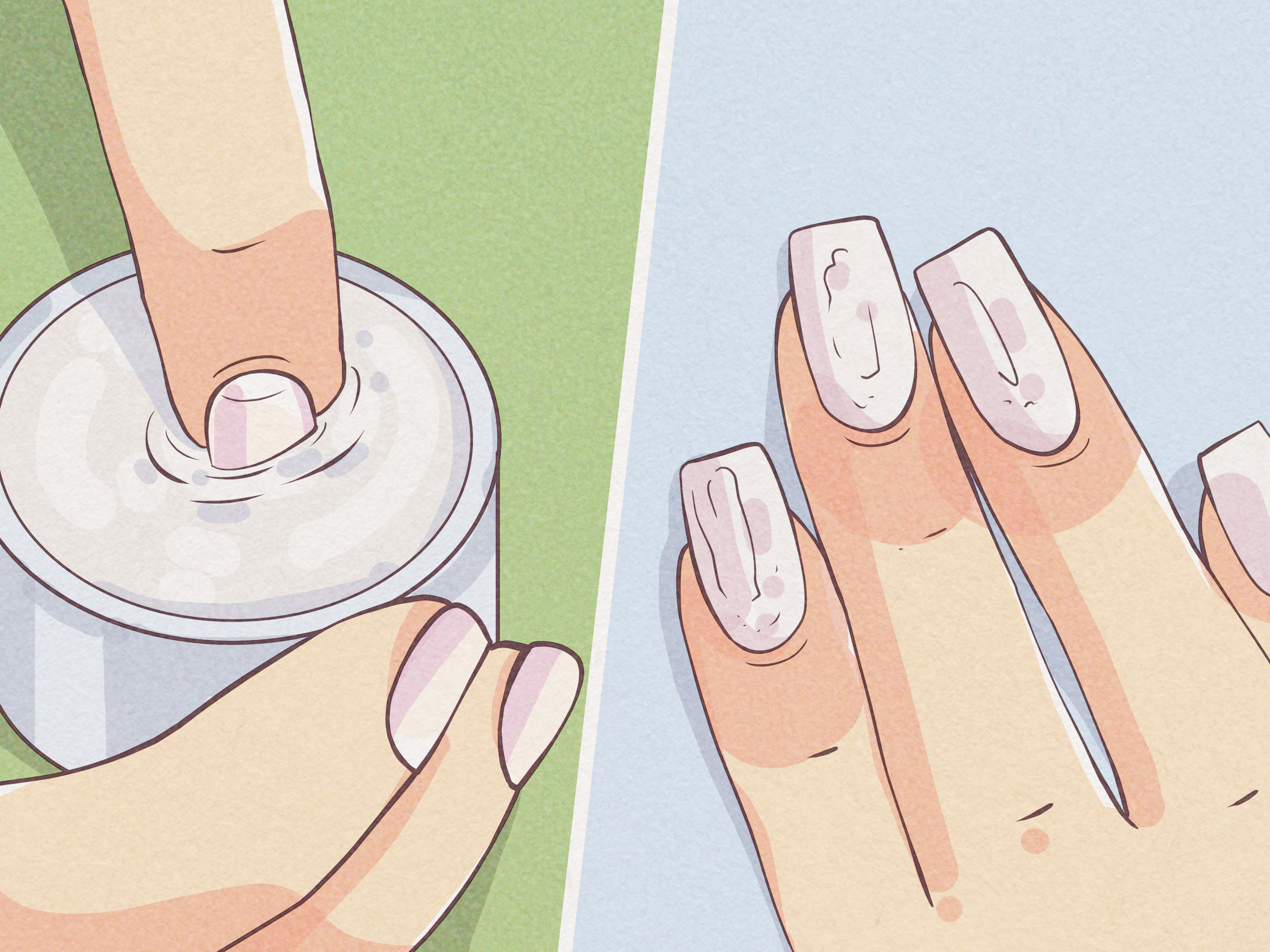
If natural nail care had a queen, it would be moisturizer. Dry nails are more likely to split, peel, and look dull. Every time you apply hand lotion, rub a little into your fingernails and cuticles. This keeps the nail area flexible and helps the skin around the nails look smooth.
You do not need a fancy product. A good hand cream, petroleum jelly, cuticle oil, jojoba oil, almond oil, or a fragrance-free moisturizer can help. The best nail moisturizer is the one you will actually use, not the one that sits beautifully on your nightstand while your cuticles file a complaint.
Nighttime Nail Care Trick
Before bed, apply a thicker layer of cream or ointment around your nails. If your hands are very dry, wear light cotton gloves for 20 minutes or overnight. This creates a mini spa moment without the spa bill. By morning, the skin around your nails often looks calmer, softer, and less ragged.
Protect Your Nails From Too Much Water
Water sounds harmless, but repeated wetting and drying can weaken fingernails. Dishwashing, cleaning, frequent handwashing, and soaking nails for long periods can make nails brittle or split. This does not mean you should avoid washing your hands. Please wash your hands. Society thanks you. It means you should protect your nails during long wet tasks.
Wear cotton-lined rubber gloves when washing dishes, scrubbing the bathroom, gardening, or using cleaning products. Gloves are not glamorous, but neither is a thumb nail that peels like a croissant.
Stop Cutting or Pushing Cuticles Too Aggressively
Cuticles are not the enemy. They help protect the nail root area from germs and irritation. Cutting them too much, pushing them back harshly, or picking at them can lead to redness, swelling, hangnails, and infection. For natural-looking nails, focus on softening the cuticles rather than removing them.
After a shower or hand soak, gently nudge excess cuticle only if needed, using a soft towel or a gentle wooden stick. Do not force it. Then apply cuticle oil or cream. The result is a cleaner nail outline without turning your cuticles into a construction zone.
Handle Hangnails the Right Way
Hangnails are tiny, annoying, and surprisingly powerful. The worst thing you can do is rip one off. Pulling a hangnail can tear healthy skin and create an opening for infection. Instead, wash your hands, use clean cuticle scissors or clippers, trim only the loose piece, and moisturize afterward.
If the area becomes painful, swollen, warm, or filled with pus, it is time to stop playing bathroom surgeon and contact a healthcare professional.
Give Your Nails a Break From Harsh Products
Nail polish, gel manicures, acrylics, and removers can be fun, but frequent use may leave natural nails thin, dry, or peeling. Acetone-based remover is effective, but it can be drying when used often. Gel manicures may also involve UV or LED curing lights and removal methods that can weaken the nail if done aggressively.
If your goal is naturally good-looking fingernails, take breaks between manicures. During the break, keep nails short, moisturized, and protected. If you do use polish, choose gentle removal, avoid picking polish off, and do not peel gel or acrylic from the nail. Peeling enhancements off your nail is basically removing polish with violence.
Natural Shine Without Polish
For a clean natural shine, buff lightly with a fine buffer no more than occasionally. Over-buffing can thin the nail plate. A better everyday option is to moisturize well and use a clear strengthening product if your nails tolerate it. Natural nails do not have to sparkle like a chandelier to look polished.
Eat for Stronger-Looking Nails
Your fingernails grow from the inside, so nutrition matters. A balanced diet with enough protein, iron, zinc, healthy fats, and B vitamins supports normal nail growth. Protein is especially important because nails are made of keratin, a structural protein. If your diet is consistently low in protein, your nails may become weaker or slower to grow.
Good nail-friendly foods include eggs, fish, poultry, beans, lentils, Greek yogurt, nuts, seeds, leafy greens, whole grains, and colorful fruits and vegetables. You do not need to eat a “nail diet.” You need a real-food pattern that gives your body the building blocks it needs.
What About Biotin?
Biotin is often marketed for hair, skin, and nails. Some small studies suggest it may help people with brittle nails, but it is not magic, and it is not necessary for everyone. If you want to try a biotin supplement, ask your healthcare professional first, especially if you take medications or have upcoming blood tests. High-dose biotin can interfere with certain lab results, including some thyroid and heart-related tests.
Food sources of biotin include eggs, salmon, nuts, seeds, sweet potatoes, and legumes. For many people, improving overall diet, hydration, and nail protection matters more than chasing a supplement bottle with a shiny label.
Hydration Helps, But Do Not Expect Miracles From Water Alone
Drinking enough water supports overall health, including skin and nail appearance, but water alone will not repair nails damaged by picking, harsh removers, or constant wet work. Hydration works best as part of a complete routine: drink water, moisturize externally, eat well, and protect your hands.
A useful rule: hydrate from the inside, seal from the outside. That means fluids and balanced meals for your body, plus cream or oil for the nail surface and surrounding skin.
Avoid Nail Biting and Picking
Nail biting and cuticle picking can damage the nail bed, create uneven nail growth, and increase the risk of infection. It also makes nails look rough even when they are otherwise healthy. If you bite your nails when stressed, bored, or concentrating, you are not alone. Your nails are just the unfortunate victims of your brain’s fidget department.
Try keeping nails short, using a bitter-tasting nail treatment, applying cuticle oil when the urge hits, or replacing the habit with a stress ball, ring spinner, or textured object. If nail biting feels compulsive or causes bleeding, a therapist or healthcare professional can help with habit-reversal strategies.
Brighten Stained Nails Naturally and Safely
Stains from dark polish, spices, gardening, or hair dye can make natural nails look dull. Start with gentle methods. Wash with soap, use a soft brush, and lightly buff only if needed. Rubbing a little baking soda paste on the nail surface may help with mild surface stains, but do not scrub aggressively or do it daily.
To prevent polish stains, use a base coat before dark colors. To prevent life stains, wear gloves when handling dyes, soil, or strongly colored foods. Yes, gloves again. They are the unsung hero of natural nail beauty, quietly doing the work while receiving none of the applause.
Know When Nail Changes Need Attention
Most nail issues are caused by dryness, trauma, aging, or product damage. Still, some changes deserve professional attention. See a dermatologist or healthcare professional if you notice sudden dark streaks, painful swelling, nail lifting, green or black discoloration, thickening, bleeding, deep horizontal grooves, or changes that affect only one nail and do not improve.
Also pay attention if nail changes come with fatigue, hair loss, unexplained weight changes, skin rashes, or other symptoms. Fingernails can reflect health problems, but they are not a crystal ball. Do not diagnose yourself based on one ridge and a late-night search spiral.
Your Natural Nail Care Routine: Simple Weekly Plan
Daily
Wash hands gently, dry well, moisturize nails and cuticles, and wear gloves for wet work or cleaning. Keep a small hand cream near the sink, in your bag, or beside your laptop so nail care becomes automatic.
Two or Three Times a Week
Apply cuticle oil or a thicker moisturizer before bed. Check for snags and file them before they turn into splits. If you use polish, inspect for lifting or chips instead of peeling them off.
Once a Week
Trim and shape nails, clean under the free edge, gently smooth rough tips, and do a deeper moisturizing session. This is also a good time to check for changes in color, texture, or tenderness.
Common Mistakes That Make Natural Nails Look Worse
The most common mistake is doing too much. Over-filing, over-buffing, over-cutting cuticles, and changing products constantly can irritate nails. Natural nail care rewards patience. Choose a simple routine and give it several weeks.
Another mistake is using nails as tools. Do not use them to open cans, scrape labels, pry key rings, peel stickers, or attack packaging like a tiny raccoon. Use actual tools. Your nails are decorative body parts, not screwdrivers.
Finally, do not ignore dryness. Many people focus on the nail plate but forget the skin around it. Dry cuticles and cracked sidewalls can make nails look messy even when the nails themselves are healthy. Moisturized skin frames the nail beautifully.
Natural Nail Care Experiences: What Actually Works in Real Life
Here is the honest truth from real-world nail care: the boring habits work best. The routine that transforms nails is rarely dramatic. It usually begins with someone noticing their nails are peeling, catching on sweaters, or looking dull after months of polish, cleaning, typing, and opening snack bags with the confidence of a raccoon. Then they try a hundred things, and eventually discover that the simple routine wins.
One of the most helpful experiences is keeping nails short during recovery. Many people want long natural nails immediately, but weak nails often break before they get there. Short nails with a soft oval shape are easier to maintain and less likely to split. After several weeks of trimming, filing, and moisturizing, the new growth often looks smoother. It may feel slow, but nails grow at their own pace. They are not impressed by your calendar.
Another practical lesson is that gloves make a bigger difference than expected. People often moisturize faithfully but still wash dishes barehanded, scrub counters with cleaning spray, garden without protection, and then wonder why their nails keep peeling. Wearing gloves for wet chores can feel annoying at first, but it quickly becomes normal. Keep one pair by the sink and one pair with cleaning supplies. Convenience beats good intentions every time.
Cuticle oil is another small habit with a surprisingly visible payoff. Applying oil once at night can make the nail area look smoother by morning. It will not magically grow half-inch nails by Friday, but it can reduce the dry, ragged look that makes hands appear neglected. The trick is consistency. One heroic oil bath per month is less useful than thirty seconds every evening.
Many people also learn that removing polish properly matters more than the polish itself. Peeling off gel or regular polish can remove surface layers of the nail, leaving white patches, rough texture, and thin spots. When nails are already weak, that damage shows quickly. A gentle remover, patience, and a break between manicures can help nails regain a healthier appearance.
Food habits can also show up over time. Someone who skips meals, eats very little protein, or lives mostly on coffee and crackers may notice slower nail growth or more breakage. Adding protein at breakfast, nuts or yogurt as snacks, and more iron- and zinc-rich foods can support healthier nails. The goal is not perfection; it is giving your body enough materials to build with. Nails cannot be strong if the construction crew keeps receiving only iced coffee and vibes.
The most encouraging experience is realizing that natural nails do not need to be flawless to be beautiful. A tiny ridge, a short length, or a simple shape can still look clean and elegant. When the skin is moisturized, the tips are even, and the nails are healthy-looking, hands appear polished without polish. That is the charm of natural nail care: it is quiet, practical, affordable, and surprisingly confidence-boosting.
Conclusion: Naturally Good Nails Are Built, Not Faked
Making your fingernails look good naturally is not about chasing perfection. It is about protecting your nails from damage, keeping them clean and shaped, moisturizing daily, eating enough nutrients, and avoiding habits that weaken the nail bed. The best natural nail routine is simple enough to repeat and gentle enough not to create new problems.
Start with the basics: short and smooth nails, moisturized cuticles, gloves for wet work, careful polish removal, and patience. Within a few weeks, your hands can look neater. Over a few months, healthier new growth can make your nails stronger and more attractive. No drama, no harsh tricks, no tiny fingernail panic. Just steady care and naturally better-looking nails.
Note: This article is for general educational purposes. If you notice pain, swelling, sudden discoloration, nail lifting, or persistent changes, consult a qualified healthcare professional or dermatologist.