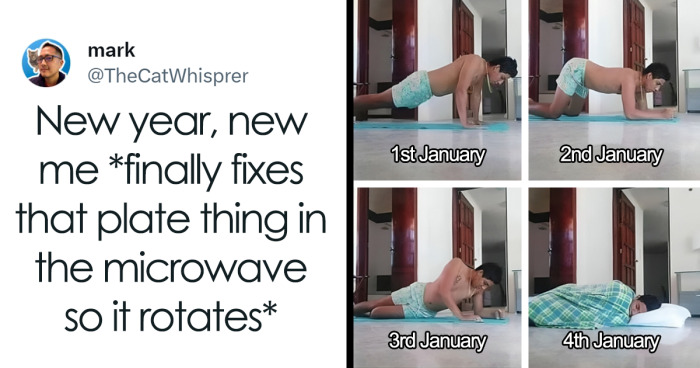
Every January, millions of Americans look at the calendar, take a brave sip of coffee, and announce that this is finally the year they become a hydrated, financially responsible, meal-prepping, emotionally balanced morning person. By January 12, many of those same people are eating cereal for dinner and calling it “intuitive living.” Welcome to the beautiful, chaotic tradition of New Year’s resolutions.
The funny thing about resolutions is that they are both inspiring and suspiciously dramatic. We do not simply say, “I will go for a walk.” No, we declare, “I am becoming a completely different person with better posture and a labeled spice drawer.” That emotional overcommitment is exactly why jokes about resolutions feel so painfully accurate. They capture the tiny gap between our ambitious January selves and our very human everyday selves.
According to recent surveys, fitness, money, mental health, weight loss, and healthier eating remain some of the most common New Year goals. That makes sense. These are real priorities, and many people genuinely want to feel better, move more, save more, and stress less. But the internet has also noticed that our resolutions often collide with leftovers, busy schedules, low motivation, and the gravitational pull of the couch.
So, in the spirit of self-improvement with a side of sarcasm, here are 30 hilariously accurate tweets about New Year’s resolutions, followed by a deeper look at why these jokes land so perfectly and how to make resolutions that do not disappear faster than the holiday cookies.
Why New Year’s Resolution Jokes Are So Relatable
New Year’s resolutions are funny because they are built on hope, pressure, and unrealistic confidence. January 1 feels like a magical reset button. Suddenly, the same person who ignored laundry for four days believes they can wake up at 5 a.m., journal, meditate, run three miles, drink green juice, and answer emails before sunrise.
This motivation is not imaginary. Researchers have described the “fresh start effect,” where meaningful dates like New Year’s Day, birthdays, Mondays, or the start of a month can make people feel separated from past failures and more ready to pursue goals. That explains why January feels powerful. It also explains why everyone starts strong and then quietly negotiates with reality.
There is nothing wrong with wanting to improve. The problem is that many resolutions are too vague, too large, or too joyless. “Get healthy” sounds noble, but what does it mean on a Wednesday when you are tired? “Save money” is great, but does it include the emotional support iced coffee? “Be more organized” is admirable, but your junk drawer has been training for this fight since 2018.
The best New Year’s resolution humor points out this tension without being cruel. It says, “We are all trying. We are also all ridiculous.” That balance is why resolution jokes travel so well across social media.
30 Hilariously Accurate Tweet-Style Jokes About New Year’s Resolutions
Note: The following are original tweet-style jokes written for this article, not copied from real tweets.
- My New Year’s resolution is to stop procrastinating. Starting tomorrow, obviously.
- I bought a planner for the new year, so technically I am organized now. Please respect my journey.
- January me wants abs. February me wants fries. March me wants answers.
- My resolution was to drink more water, but coffee is mostly water with ambition.
- Going to the gym on January 2 feels like joining a flash mob of people pretending they know where the machines are.
- My New Year’s resolution is to save money, which is why I only added six things to my cart instead of seven.
- I said I would meal prep, and I did. I prepared to think about meals.
- New year, new me, same password I forgot three times today.
- My resolution is to read more books. So far I have read several restaurant menus. Progress is progress.
- I am practicing mindfulness by staring at my laundry and accepting it exactly as it is.
- My fitness goal is to close my rings without opening my mouth to complain.
- I resolved to reduce screen time, then downloaded an app to track it and spent 40 minutes customizing the icon.
- This year I am cutting out toxic habits, starting with pretending I enjoy kale chips.
- My budget plan is simple: earn more, spend less, and stop believing every sale is a personal invitation.
- I promised myself I would wake up earlier, and now I wake up earlier to hit snooze more times.
- My resolution is to be more spontaneous, but only after I schedule it properly.
- I cleaned one drawer and now I understand why people start podcasts about personal growth.
- My goal is to cook at home more often. Delivery apps have been notified of this temporary emotional distance.
- I am not quitting sugar. I am simply entering a complicated long-distance relationship with dessert.
- My New Year’s resolution is to stop overthinking. I have already created a 12-step plan and three backup plans.
- I joined a gym and immediately felt healthier walking back to my car.
- Resolution update: I have replaced doomscrolling with wellness scrolling, which is somehow the same chair.
- My goal is to be more patient, but the microwave has 37 seconds left and I am being tested.
- I decided to journal every day. Day one: “Dear diary, why is this already work?”
- My resolution is to declutter, but every object suddenly has a memory, a purpose, or a legal claim to my heart.
- I promised to eat more vegetables. Today I had salsa. Please update the records.
- My sleep goal is eight hours. My brain’s goal is to replay conversations from 2016.
- I resolved to be less dramatic, but my phone battery hit 9% and I saw my life flash before my eyes.
- My New Year’s resolution is balance, which is why I had salad and then balanced it with cake.
- I am not failing my resolutions. I am collecting data for a more realistic version of myself.
What These New Year’s Resolution Tweets Reveal About Us
Behind every joke is a tiny truth. These funny New Year’s resolution tweets work because they describe familiar patterns: overplanning, underestimating effort, confusing buying supplies with changing behavior, and treating one imperfect day like a full courtroom trial.
1. We love the idea of transformation
People do not make resolutions because they hate themselves. Usually, they make them because they can imagine a better version of daily life. They want more energy, more calm, more savings, more confidence, or more time for things that matter. The trouble starts when the imagined transformation becomes too extreme.
A person who has not exercised in months may decide to work out six days a week. Someone who rarely cooks may plan a full month of healthy homemade meals. A chronic night owl may decide to become a sunrise productivity influencer overnight. These goals are exciting, but they can be too heavy to carry.
2. We confuse tools with habits
Buying a planner is not the same as planning. Buying running shoes is not the same as running. Downloading a budgeting app is not the same as budgeting. But those first purchases feel so satisfying that the brain gives us early credit. That is why jokes about planners, gym memberships, water bottles, and habit-tracking apps are so accurate.
Tools can help, but only when they support a behavior that is clear and repeatable. A fancy notebook cannot rescue a vague goal. A realistic plan can.
3. We forget that motivation changes
January motivation is loud. February motivation speaks in a whisper from under a blanket. That does not mean a resolution is doomed. It means the plan needs to survive normal life.
Experts often recommend making goals specific, measurable, realistic, and flexible. Instead of “get fit,” a better resolution might be “walk for 20 minutes after school or work on Monday, Wednesday, and Friday.” Instead of “save money,” try “transfer $20 every Friday into savings before spending on extras.” The smaller plan may sound less glamorous, but it is far more useful.
The Most Common New Year’s Resolutions
Surveys show that many Americans set goals around physical health, finances, mental well-being, diet, and weight. These categories make sense because they affect everyday life. People want to feel less tired, less stressed, less behind, and less trapped in routines that do not serve them.
Fitness resolutions are especially popular. Many adults want to move more, build strength, or return to exercise after a long break. Public health guidance generally encourages adults to aim for regular aerobic activity and muscle-strengthening work during the week. But the funniest resolution tweets remind us that going from zero to superhero is not required. A ten-minute walk still counts as a vote for your future self.
Financial resolutions are also rising in importance. Saving more, spending less, paying down debt, and building emergency funds are common goals, especially when household costs feel high. The joke, of course, is that “spend less” often meets “limited-time sale” and immediately needs adult supervision.
Mental health resolutions have become more visible too. People want better boundaries, more sleep, less screen time, stronger relationships, and fewer stress spirals. These goals may not look as flashy as a before-and-after photo, but they can change daily life in powerful ways.
How to Make New Year’s Resolutions That Actually Last
The internet may roast resolutions, but it also reveals what makes them fail. Most broken resolutions are not proof of weak character. They are often proof of poor design. A goal needs structure, support, and room for imperfect days.
Start with one small behavior
Trying to change ten things at once is like opening 47 browser tabs in your brain. Pick one behavior first. If your goal is better health, start with walking after dinner three times a week. If your goal is better finances, start by reviewing your spending every Sunday. If your goal is better sleep, start by setting a consistent bedtime alarm.
Make the goal specific
“Eat healthier” is a slogan. “Add one fruit or vegetable to lunch every weekday” is a plan. “Read more” is a wish. “Read ten pages before bed on school nights” is actionable. Specific goals reduce the amount of thinking required, and that matters because decision fatigue is real.
Track progress without turning it into a punishment
Tracking can help, but it should not become a courtroom where you prosecute yourself for missing a day. Use a calendar, checklist, app, or notebook to notice patterns. If you miss a workout, you are not a failure. You are a person with a schedule. Restarting quickly is more important than maintaining a perfect streak.
Plan for obstacles
Every resolution needs an “annoying Tuesday” plan. What will you do when it rains, you are busy, your energy is low, or your original plan becomes inconvenient? A backup plan keeps one disruption from becoming a dramatic exit.
For example, if you cannot do a full workout, do five minutes of stretching. If you cannot cook dinner, choose a simple healthier option rather than declaring the week ruined. If you overspend one day, return to the budget at the next purchase. Flexible goals survive longer.
Use humor as fuel
Laughing at your resolution struggles can actually be useful. Humor lowers the emotional temperature. It reminds you that everyone is figuring things out. The goal is not to become a flawless productivity robot. The goal is to build a life that feels a little healthier, calmer, and more intentional.
Why “Failing” a Resolution Is Not the End
One of the biggest myths about New Year’s resolutions is that missing a day means the goal is over. That is nonsense with a calendar costume. Real behavior change is messy. People pause, restart, adjust, forget, remember, and try again. That is not failure. That is the process.
The final tweet on the list says it best: “I am collecting data for a more realistic version of myself.” That mindset is powerful. If your resolution collapses by mid-January, ask what the collapse taught you. Was the goal too big? Too boring? Too expensive? Too dependent on motivation? Too disconnected from your real schedule?
Then revise it. A smaller resolution that lasts is better than a dramatic resolution that burns out immediately. Drinking one extra glass of water a day may not sound heroic, but it beats announcing a complete lifestyle overhaul and abandoning it before the decorations come down.
500-Word Experience Section: What New Year’s Resolutions Feel Like in Real Life
The most honest experience with New Year’s resolutions usually begins with optimism. You wake up in early January feeling like the main character in a movie montage. The air seems fresher. The calendar is clean. The fridge contains at least one vegetable purchased with noble intentions. You tell yourself, “This is it. This is the year I become consistent.”
For the first few days, everything feels possible. You drink water from a bottle large enough to qualify as luggage. You open the budgeting app and stare at your spending categories like a responsible citizen. You put workout clothes on the chair the night before, because apparently that is what disciplined people do. You may even write a to-do list with checkboxes, which gives the illusion that life is now under control.
Then real life enters the room wearing muddy shoes. You sleep badly. Work or school gets busy. Someone brings snacks. Your phone distracts you. The gym is crowded. The weather acts personally offended by your walking plan. Suddenly, the resolution that felt inspiring on January 1 feels like one more chore fighting for space in your day.
This is the moment that separates fantasy goals from real habits. A fantasy goal says, “I must do this perfectly or quit.” A real habit says, “What is the smallest version I can still do today?” That question can save the entire resolution. Maybe you do not have time for a full workout, but you can walk around the block. Maybe you cannot cook a perfect dinner, but you can add a side salad. Maybe you cannot deep-clean the whole room, but you can clear one surface. The smaller action keeps the promise alive.
Another common experience is the strange emotional power of buying supplies. A new planner, a gym bag, a meal-prep container set, a stack of books, or a beautiful water bottle can make change feel immediate. Supplies are motivating, but they are not magic. The real transformation happens in boring little repetitions. It happens when you refill the water bottle on a normal day, write one honest line in the journal, choose a cheaper option when nobody is watching, or go to bed ten minutes earlier even though your brain wants one more video.
The best resolution experience is not perfection. It is the moment you realize you can restart without shame. You missed Monday? Try Tuesday. You overspent? Review the next choice. You skipped the gym? Stretch at home. You ate the cake? Enjoy it and move on like a person, not a scandal. Progress becomes easier when you stop treating every slip like a personality diagnosis.
That is why funny tweets about New Year’s resolutions feel so comforting. They tell the truth: we are ambitious, inconsistent, hopeful, dramatic, tired, and still trying. We want better habits, but we also want snacks. We want financial discipline, but sales exist. We want inner peace, but the printer is jammed. The comedy does not cancel the goal. It makes the goal feel human.
Conclusion: Laugh, Reset, and Keep Going
New Year’s resolutions are easy to mock because they are easy to recognize. We have all been the person who buys the planner, joins the gym, downloads the app, and declares a new era before fully understanding the terms and conditions. But beneath the jokes is something worth keeping: the desire to grow.
The smartest approach is not to abandon resolutions completely. It is to make them smaller, clearer, kinder, and more realistic. Choose one habit. Give it a specific time and place. Track it lightly. Expect obstacles. Laugh when things get weird. Then restart as many times as needed.
After all, the funniest and most accurate New Year’s resolution is not “new year, new me.” It is “new year, same me, but slightly better at making a plan I can actually live with.” And honestly, that is a pretty great start.