Ham radio has always had a talent for making yesterday’s idea feel strangely futuristic. Morse code? Still useful. Vacuum tubes? Still glowing like tiny glass campfires. Antennas made from wire, tape measures, or plumbing parts? Absolutely. So when someone says “ham radio answering machine,” it sounds like a joke from a 1980s electronics catalogbut it is actually a very modern idea.
A ham radio answering machine is not a telephone voicemail box with a rubber duck antenna taped to the side. It is a system that can monitor radio audio, record incoming transmissions, organize messages, and in more advanced versions, transcribe speech, detect call signs, trigger alerts, and help operators review what happened while they were away from the shack. Think of it as a patient little radio assistant that never complains about static, never forgets to log a call, and never says, “Sorry, I was making coffee.”
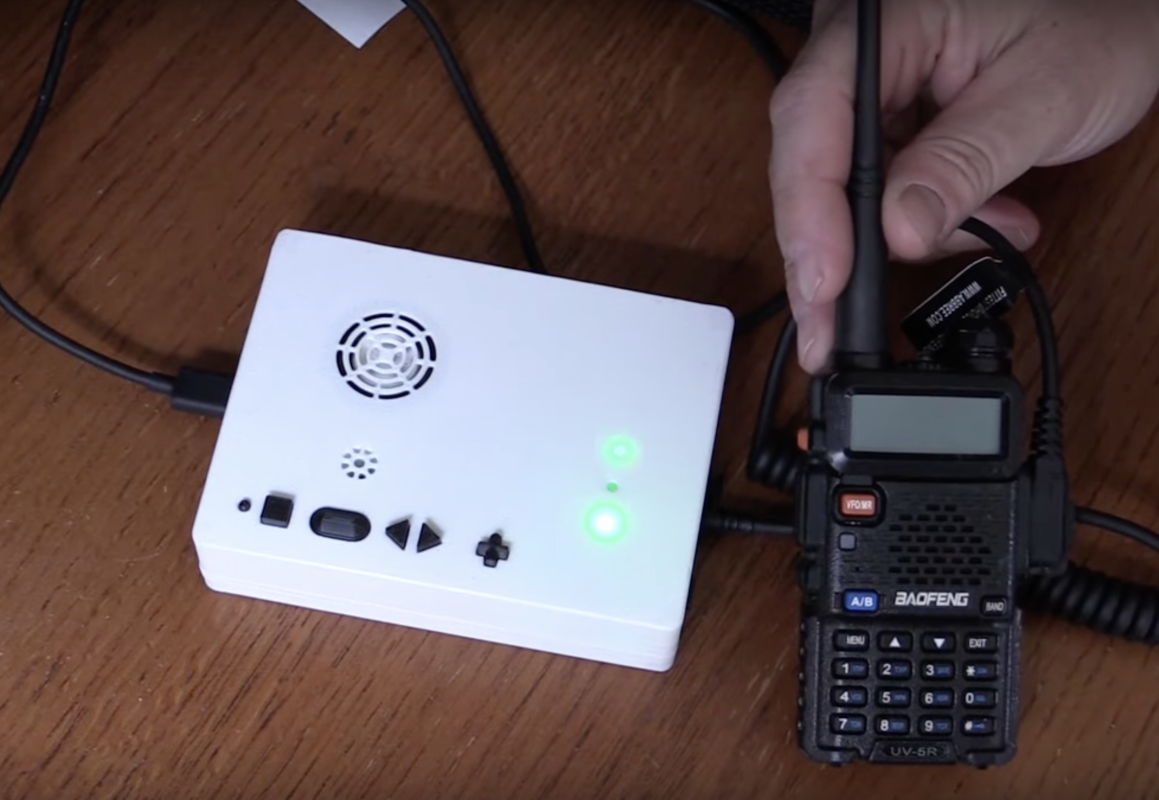
The concept has gained attention thanks to projects such as Boondock Echo, an internet-backed recording and playback device designed for two-way radio users. It combines embedded hardware, audio recording, cloud processing, and speech-to-text features to make radio traffic searchable and more useful. In plain English: your radio hears something, the system records it, and you can review it later without sitting beside the speaker all day like a loyal but underpaid golden retriever.
What Is a Ham Radio Answering Machine?
A ham radio answering machine is a device or software-assisted station accessory that records radio transmissions when activity is detected. The simplest version is just a recorder connected to a receiver. The smarter version listens for audio, stores clips, timestamps them, and may use transcription or keyword detection to identify important messages. The fanciest version can behave almost like a communications dashboard, helping operators manage missed calls, local repeater activity, emergency nets, and message traffic.
Unlike a household answering machine, it does not “answer” in the casual telephone sense unless it is designed and operated within amateur radio rules. That distinction matters. Amateur radio is a licensed service, not a private messaging playground or a low-budget replacement for a cell phone plan. A responsible system records and organizes communications; any transmission it makes must still follow station identification, control operator, band, mode, and content rules.
The Basic Idea
At its core, the setup usually includes four parts: a radio receiver, an audio interface, a recorder or microcontroller, and a way to review the captured messages. Some designs use an ESP32-based audio board. Others rely on a Raspberry Pi, a sound card interface, or existing station computer software. The radio provides the audio, the device records it, and the operator gets a neat list of clips instead of one long audio swamp full of squelch tails and mystery beeps.
More advanced systems can apply noise reduction, speech-to-text conversion, call sign recognition, and even message prioritization. That is where the idea becomes especially useful. If you monitor a local repeater, a public-service net, weather spotter traffic, or a club frequency, you may not need every second of audio. You need the useful bits: who called, when they called, what they said, and whether it requires action.
Why Hams Would Want One
Ham radio is live by nature. You call CQ, someone answers, and the magic happens in real time. That is part of the charm. It is also part of the problem. Operators have jobs, school, errands, family dinners, and that one drawer full of coax adapters that must be reorganized every six months for reasons no one can explain.
A ham radio answering machine helps fill the gap between “I was listening” and “I missed everything.” It does not replace being on the air, but it makes radio monitoring more practical. For local clubs, emergency communication teams, remote stations, and experimenters, that can be a big deal.
Missed Calls and Local Repeater Activity
Many VHF and UHF operators leave a radio monitoring a local repeater. Sometimes the repeater is quiet for hours. Sometimes it springs to life the moment you step away. A recording system can capture those short bursts of activity so you know whether a friend called, a net was announced, or someone tested a new antenna and accidentally discovered every loose connector in the county.
Emergency Communications and Public Service Nets
During emergency communication exercises, weather events, charity walks, bike rides, and local public-service nets, information can move quickly. A recorded archive can help net control review details, confirm times, and reduce misunderstandings. It can be especially useful when multiple frequencies are being monitored or when conditions are noisy.
This is not a replacement for proper message handling. Formal systems such as the ARRL National Traffic System, Winlink radio email, and structured net procedures exist for a reason. But an answering-machine-style recorder can support those methods by preserving audio that might otherwise vanish into the static like a raccoon stealing snacks at a campsite.
Remote and Off-Grid Monitoring
Some operators maintain stations at cabins, hilltop sites, farms, or repeater locations. A smart recorder can provide a way to check activity without physically being at the station. Depending on the design, recordings may be stored locally on an SD card or forwarded through an internet connection when available. In weak-signal or rural areas, that can make a station feel less lonely and more useful.
How Modern Projects Make It Smarter
The modern version of a ham radio answering machine is far more than a tape recorder. Projects like Boondock Echo show how embedded hardware and cloud services can transform raw radio audio into searchable, useful data. A device may detect sound, begin recording, stop when silence returns, upload the clip, remove noise, transcribe the speech, and make the message available through a web or mobile interface.
That workflow turns casual monitoring into something closer to radio intelligencewithout the trench coat. Instead of scrubbing through hours of audio, the operator can search for a call sign, keyword, location, or phrase. For example, a volunteer monitoring a weather net could search for “hail,” “road closed,” or a specific tactical call. A club member could search for their own call sign to see whether anyone tried to reach them.
Speech-to-Text for Radio Audio
Speech-to-text is one of the most exciting features, but it is not magic. Radio audio is messy. There is noise, fading, overmodulation, clipped syllables, accents, repeater courtesy tones, and the occasional operator who sounds like they are transmitting from inside a soup can. Good transcription depends on clean audio, strong signals, and smart filtering.
Still, even imperfect transcription can be useful. A rough transcript may be enough to identify the topic, call sign, or urgency level. The original audio remains available for verification, which is important because no responsible operator should trust an automated transcript more than the actual transmission.
Keyword Alerts and Call Sign Detection
A practical answering machine can listen for specific call signs, net names, or trigger words. For example, an operator might configure alerts for a club call sign, a repeater ID, or a local emergency net. When the system hears a match, it can flag the recording for review.
This is where the technology becomes genuinely helpful. Hams often monitor more than one channel, and humans are famously bad at listening to five things at once unless one of them is a bag of chips being opened. Automated flagging helps turn a noisy stream into a manageable inbox.
Important Legal and Operating Considerations
Before anyone gets too excited and builds a talking robot that replies to every transmission with “Leave your message after the tone,” it is time for the serious paragraph. Amateur radio in the United States is governed by FCC Part 97. Operators must identify their stations properly, avoid prohibited transmissions, maintain control of their stations, and remember that ham radio is not for private, encrypted, commercial, or broadcasting-style communication.
A receive-only recorder is usually straightforward because it is not transmitting. The moment the system transmits audio, plays back messages, responds automatically, links to other systems, or forwards content over the air, the operator must think carefully about control, identification, content, and whether the transmission is authorized.
Station Identification Still Matters
Every amateur station must identify with its assigned call sign at required intervals and at the end of a communication. A ham radio answering machine that transmits a response or playback cannot skip identification just because it is automated. The radio does not get to say, “The computer did it.” The licensee and control operator are still responsible.
No Private Secret Voicemail
Amateur radio is not designed for private hidden messages. Systems should not use encryption or coded content intended to obscure meaning. A ham answering machine should be treated as an amateur radio tool for open, lawful communicationnot as a spy mailbox with better antennas.
Avoid Broadcasting Behavior
There is also a difference between useful message handling and broadcasting. A device that repeatedly transmits announcements, audio clips, or general content to anyone listening can create problems. Amateur radio allows certain one-way transmissions, such as brief tests, bulletins, telemetry, and emergency communications, but it is not a personal podcast channel with a push-to-talk button.
How It Compares With Existing Ham Messaging Systems
The idea of delayed messaging is not new in amateur radio. Hams have been moving messages for more than a century. What is new is the user experience: recorded voice clips, transcription, searchable archives, and smart alerts.
ARRL National Traffic System
The National Traffic System is a formal way to move written messages through trained operators and nets. It is structured, disciplined, and especially valuable for emergency communication practice. A ham radio answering machine is less formal, but it can support traffic handling by preserving audio and helping operators verify details.
Winlink Radio Email
Winlink is a global radio email system used by amateur and authorized government stations. It can send email through radio pathways, including situations where internet access is unavailable. Compared with a voice answering machine, Winlink is more structured and better suited for written traffic. The answering-machine concept shines when the original communication is voice and when fast review of local audio is the goal.
APRS Messaging
APRS is built for real-time tactical information such as position reports, weather data, short messages, bulletins, and local situational awareness. It is excellent for quick data bursts. A ham answering machine, by contrast, is more about capturing and reviewing voice activity. Both systems help operators avoid missing important information, but they do it in different ways.
EchoLink and AllStarLink
EchoLink and AllStarLink connect amateur stations, repeaters, nodes, and users through internet-linked audio. They extend the reach of voice communication and are already familiar to many repeater users. A ham radio answering machine can complement these systems by recording activity, logging missed calls, or helping a node owner review what happened while they were offline.
Best Features of a Good Ham Radio Answering Machine
The best version of this tool is not the one with the longest feature list. It is the one that respects radio practice, keeps the interface simple, and solves real operator problems. A good system should make radio more useful, not turn the shack into a dashboard from a science-fiction submarine.
Clean Audio Capture
Everything starts with audio. The system should record clear, intelligible clips without constant false triggers. Squelch detection, voice activity detection, and adjustable thresholds are essential. If it records every burst of static, the operator will eventually stop checking it, just as people stop checking a voicemail box full of extended car warranty calls.
Reliable Timestamps
A message without a timestamp is only half useful. Operators need to know when a call occurred, especially during nets, events, or emergency exercises. Local time, UTC, and station logs should be consistent.
Searchable Transcripts
Search is the killer feature. Being able to type a call sign, location, or keyword and find the relevant audio saves time. Even if the transcript is imperfect, it can act as an index to the original recording.
Local Storage and Offline Options
Cloud processing is convenient, but ham radio people love resilience. A smart answering machine should still capture audio when the internet is down. Local SD card storage, offline playback, and exportable files make the system more dependable.
Simple Review Interface
The operator should be able to see recordings in a clean list with time, duration, frequency or channel, transcript preview, and tags. Nobody wants to decode a filename like “REC_0047_FINAL_REAL_FINAL2.wav” after a long day.
Potential Problems and Practical Fixes
Every radio project has gremlins. That is part of the hobby. The trick is to invite fewer gremlins and label the ones that still show up.
False Triggers
Repeaters produce courtesy tones, IDs, squelch crashes, and random noise bursts. A good system needs adjustable sensitivity and filters. Operators may need to experiment with audio levels and squelch settings until the recorder captures speech without treating every pop as breaking news.
Bad Transcriptions
Speech recognition can misunderstand call signs, phonetics, and technical words. “Kilo Echo Five” may become “kilo eat five,” which is either a bad transcript or a very hungry call sign. The fix is simple: keep the original audio, allow manual correction, and treat transcripts as helpful hints rather than official records.
Privacy Expectations
Amateur radio transmissions are public by nature, but operators should still be thoughtful about storing and sharing recordings. A local archive for personal station use is different from posting other people’s audio online. Good manners matter, even when the law permits monitoring.
Over-Automation
The biggest temptation is letting the machine do too much. Automatic replies, retransmissions, and internet-linked playback can raise compliance and interference concerns. The safest design philosophy is “record first, transmit carefully.”
Who Should Build or Use One?
A ham radio answering machine is ideal for operators who monitor repeaters, run club stations, support public-service events, manage remote receivers, or enjoy experimenting with digital tools. It is also a great project for makers who want to combine radio, embedded systems, audio processing, and practical software design.
New hams can learn a lot from building a receive-only version. They will discover audio levels, squelch behavior, call sign identification, local repeater habits, and the difference between “the system is broken” and “the cable is plugged into the wrong jack,” which is a rite of passage in every technical hobby.
Experienced operators may appreciate the operational benefits. During a busy event, a searchable archive can reduce stress. During quiet monitoring, it can catch the one important call that arrived while the operator was away. During experimentation, it provides data for improving antennas, audio chains, and station workflow.
The Future of Ham Radio Voicemail
The future of this idea is not just “radio voicemail.” It is smarter station awareness. Imagine a station assistant that records local nets, summarizes check-ins, highlights emergency keywords, maps reports, exports formal message drafts, and reminds the operator to follow up with a missed call. Done properly, this could make amateur radio more accessible and more useful without removing the human skill that makes the hobby special.
Artificial intelligence may play a role, but it should be a tool, not the operator. Hams should remain in control of transmissions, decisions, and message handling. The machine can listen, sort, and suggest. The licensed operator should verify, respond, and take responsibility. In other words, let the robot organize the sock drawer, but do not let it run the radio net unsupervised.
Experience Section: Living With a Ham Radio Answering Machine
The first experience most operators have with a ham radio answering machine is surprise. Not dramatic movie surprise, where someone gasps and drops a coffee mug, but the quieter kind: “Wait, that happened while I was gone?” A local repeater that seemed sleepy suddenly has a life of its own. Someone tested a handheld from the grocery store parking lot. A club member announced a net time change. A mobile station called for a signal report and vanished into traffic. Without a recorder, those moments would disappear. With one, they become part of the station’s memory.
The second experience is humility. Radio audio is not studio audio. It is full of hiss, flutter, clipped consonants, overdriven microphones, background fans, and operators who apparently believe the microphone works best from across the room. When the answering machine transcribes a call sign incorrectly, it teaches a useful lesson: technology is helpful, but the human ear still earns its keep. A good operator learns to compare the transcript with the recording, adjust input levels, and encourage clear phonetics on the air.
The third experience is convenience. Reviewing ten short clips is far better than listening to three hours of empty carrier, repeater tails, and silence. The best setup feels like checking an inbox. You scan the timestamps, open the interesting clips, and ignore the noise. For club stations, this can be especially helpful. A member can confirm whether the weekly net happened, who checked in, and whether any announcements were missed. For public-service events, it can help reconstruct a timeline without relying only on memory.
The fourth experience is restraint. Once the system works, the temptation is to add every possible feature. Auto-reply! Remote playback! Call sign alerts! Voice summaries! Robot net control! A tiny animated raccoon that says “QSL!” every time someone transmits! Some features are useful; others are a fast road to clutter. The most successful station tools stay boring in the best way. They record reliably, label clearly, and stay out of the operator’s way.
The final experience is appreciation. A ham radio answering machine reminds you how much radio activity is easy to miss. Amateur radio is not always a dramatic long-distance contact or a perfect emergency drill. Sometimes it is a five-second call, a quick weather report, a repeater test, or a friendly voice checking whether anyone is around. Capturing those moments makes the station feel more alive. It also reinforces a classic ham truth: the best tools are not the ones that replace operators, but the ones that help operators pay better attention.
Conclusion
A ham radio answering machine is one of those ideas that sounds whimsical until you realize how practical it can be. It can record missed calls, support repeater monitoring, assist public-service events, help with emergency communication review, and turn scattered voice traffic into searchable information. Modern projects that combine embedded audio hardware, cloud services, speech-to-text, and keyword alerts show how far the idea can go.
Still, the best version of this tool respects the spirit and rules of amateur radio. It should help operators listen better, log smarter, and respond more responsibly. It should not turn ham bands into private voicemail, automated broadcasting, or a robot circus with RF output. Used wisely, a ham radio answering machine is not just a gadget. It is a bridge between old-school radio craft and modern information managementwith just enough geeky charm to make the shack feel like it has gained a very polite digital intern.
Note: This article is based on publicly available information about amateur radio operating practices, FCC Part 97 principles, ARRL traffic handling, Winlink, APRS, EchoLink, AllStarLink, and modern projects such as Boondock Echo. It is written for educational publishing purposes and is not legal advice.