Note: This publish-ready article is written in standard American English and synthesizes practical guidance from reputable U.S. home, organizing, storage, and lifestyle sources without inserting source links.
If your dresser drawer currently looks like a textile avalanche with socks, T-shirts, and pajama pants forming their own emotional support group, you are not alone. Most people do not have a “too many clothes” problem first. They have a “can’t see what I own” problem. That is exactly why professional organizers keep coming back to one simple folding trick: file folding.
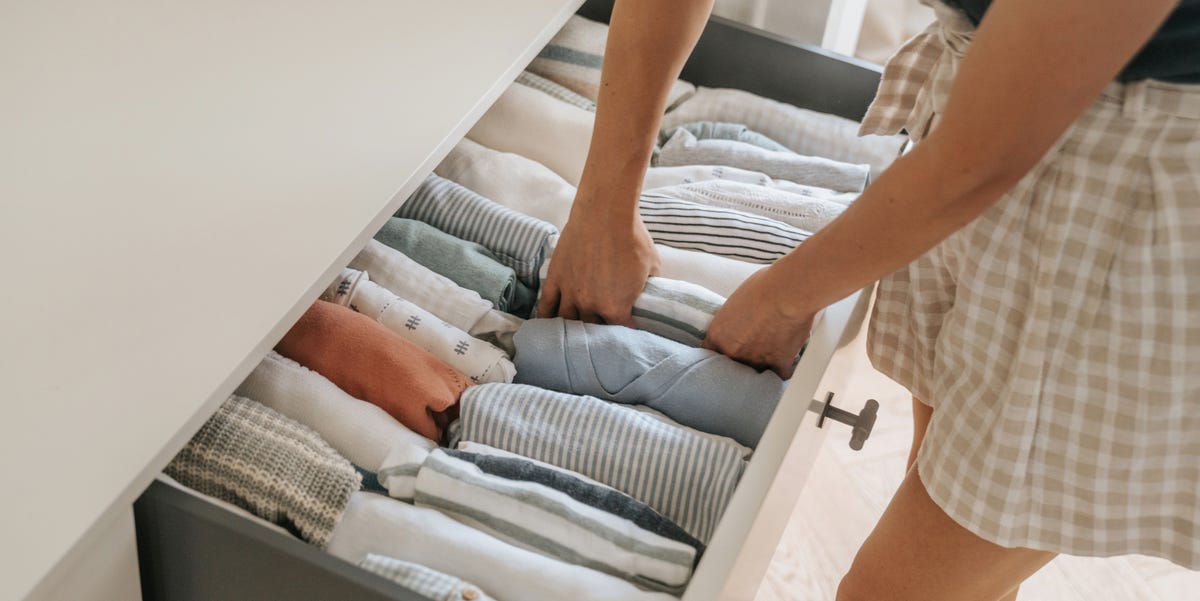
Also called vertical folding, file folding turns folded clothes into compact rectangles that stand upright in a drawer, bin, or basket. Instead of stacking shirts like pancakes and forgetting the poor one at the bottom until next Thanksgiving, you arrange clothes like folders in a filing cabinet. Open the drawer, and suddenly everything is visible. No digging. No mystery wrinkles. No “I swear I had a black T-shirt somewhere” detective work.
What Is the One Folding Trick Pro Organizers Swear By?
The folding trick is the file fold: fold clothing into a small, stable rectangle and place it upright rather than flat. The goal is not to make your drawers look like a boutique display for five minutes. The goal is to create a system that survives real life, including rushed mornings, laundry day fatigue, and the moment when you need one clean shirt before coffee has entered your bloodstream.
Professional organizers love file folding because it solves three common storage problems at once. First, it makes everything visible. Second, it saves space by using drawer depth more efficiently. Third, it reduces the rummaging that turns neatly folded clothes into fabric confetti. It is especially useful for T-shirts, leggings, workout clothes, pajamas, children’s clothes, underwear, towels, and lightweight sweaters.
Think of it this way: traditional stacking hides most of your wardrobe. File folding introduces your clothes to daylight. A drawer of stacked shirts says, “Good luck, explorer.” A file-folded drawer says, “Here are your options. Choose wisely. Maybe not the neon camp shirt for the job interview.”
Why File Folding Works So Well
It Improves Visibility
The biggest advantage of file folding is instant visibility. When clothing is stacked horizontally, you usually see only the top item. Everything below becomes a secret. With vertical folding, every item has a visible edge or face. You can scan the drawer in seconds and pull out exactly what you need without disturbing the rest.
It Saves Drawer Space
File folding can make a drawer feel larger because clothes are compressed into consistent shapes. A row of upright rectangles often fits more neatly than uneven stacks, especially when paired with drawer dividers, small bins, or fabric organizer boxes. This does not magically turn a tiny apartment dresser into a walk-in closet, but it can make the space you already have work much harder.
It Makes Laundry Easier to Put Away
A good organizing system should not require a ceremonial robe and 45 minutes of silent concentration. File folding is repeatable. Once you learn the basic rectangle, you can fold a shirt, pair of leggings, or pajama pants quickly and place it where it belongs. The more consistent your folds are, the easier it becomes to maintain the drawer.
It Helps Prevent Overbuying
When you can see everything you own, you stop buying duplicates by accident. That fourth gray T-shirt? It may be innocent. The ninth pair of black leggings? They have some explaining to do. File folding gives you an honest visual inventory, which is helpful for decluttering, shopping smarter, and finally admitting that one “maybe someday” top has not seen daylight since 2018.
How to File Fold a T-Shirt
The T-shirt is the perfect place to start because it is common, forgiving, and unlikely to judge you. Here is a simple file folding method that works for most drawers:
- Lay the shirt flat, front side down, and smooth out wrinkles with your hands.
- Fold one side toward the center, bringing the sleeve inward.
- Fold the other side toward the center so the shirt forms a long rectangle.
- Fold the bottom up toward the collar, leaving a small gap at the top.
- Fold again into thirds or halves until the shirt becomes a compact rectangle.
- Stand it upright in the drawer with the folded edge or design facing up.
The key is to make the final shape match the height of your drawer. If the shirt is too tall, fold it one more time. If it collapses like a sleepy accordion, make the rectangle slightly tighter or use a divider to support the row.
What Clothes Should You File Fold?
T-Shirts and Tank Tops
T-shirts are file folding superstars. Graphic tees are especially satisfying because you can fold them so the design faces up. That means no more unfolding seven shirts to find the one with your favorite band, vacation logo, or questionable gym slogan.
Workout Clothes and Leggings
Activewear tends to be slippery, stretchy, and oddly determined to escape neat piles. File folding keeps leggings, shorts, and workout tops contained. Group them by activity if you want to get fancy: walking, gym, yoga, lounging, and “technically athletic but mostly for grocery shopping.”
Pajamas and Loungewear
Pajamas are ideal for file folding because they do not need to be wrinkle-free in a formal sense. Nobody is inspecting your sleep shirt for boardroom crispness. Fold pajama tops and bottoms separately, or bundle matching sets together if that helps your routine.
Children’s Clothes
File folding is fantastic for kids’ clothing because small garments can disappear quickly in deep drawers. Folding children’s shirts, pants, and pajamas upright helps kids see their choices and put things away more independently. Will every drawer stay perfect? No. Children are adorable chaos interns. But the system gives them a fighting chance.
Towels and Washcloths
For linen closets or bathroom drawers, file folding towels can make daily storage easier. Hand towels and washcloths work particularly well. Bath towels may be better folded in thirds and stacked on a shelf, depending on thickness and available space.
What Should Not Be File Folded?
File folding is excellent, but it is not a universal law of laundry physics. Some items are better hung, rolled, stacked, or stored differently.
Structured or Wrinkle-Prone Clothing
Blazers, dress shirts, pleated skirts, silk blouses, and tailored pieces usually belong on hangers. If a garment needs structure, airflow, or wrinkle protection, do not force it into a drawer just because the internet made folding look peaceful.
Very Bulky Sweaters
Heavy sweaters should generally be folded rather than hung because hangers can stretch the shoulders. However, chunky knits may not stand neatly in a file fold. For bulky sweaters, a shelf stack, sweater box, or open bin may be better. The rule is simple: preserve the shape first, optimize the storage second.
Delicate Bras
Many people save space by pushing one bra cup into the other, but that can distort molded cups over time. A better approach is to nest bras in a row with cups facing the same direction. Bralettes, sports bras, and soft bras can be folded more easily, but structured bras deserve gentler treatment.
Socks Rolled Into Balls
Rolling socks into tight balls may feel efficient, but it can stretch the elastic. Instead, lay socks together and fold them once or twice into a small rectangle. If your sock drawer still looks like a tiny laundry wrestling match, use small compartments or dividers.
The Secret Ingredient: Drawer Dividers
File folding works best when the drawer has boundaries. Without dividers, upright clothes can slump sideways, especially when the drawer is only half full. Drawer dividers, small bins, baskets, bookends, or fabric boxes create lanes that keep categories separate and rows standing tall.
You do not need to buy expensive organizing products to make this work. A shoebox lid, a small basket, or a repurposed storage bin can act as a divider. Professional organizers often recommend using what you already own before shopping for new supplies. The best organizer is not always the prettiest one; it is the one that keeps your drawer from becoming a laundry lasagna.
How to Set Up a File-Folded Drawer
Step 1: Empty the Drawer
Start by removing everything. Yes, everything. This is the moment when you discover old receipts, a missing sock, and perhaps a T-shirt from an event you barely remember attending. Emptying the drawer lets you see the actual space and decide what belongs there.
Step 2: Declutter Before Folding
Do not carefully file fold clothes you do not wear. That is like alphabetizing expired coupons. Make quick decisions: keep, donate, recycle, repair, or relocate. Items that are stained, stretched beyond hope, uncomfortable, or never chosen should not receive VIP drawer real estate.
Step 3: Group by Category
Put similar items together. T-shirts with T-shirts, leggings with leggings, socks with socks, pajamas with pajamas. Category grouping makes your drawer easier to use and easier to maintain. Color sorting can also help if you enjoy a rainbow moment, but category comes first.
Step 4: Fold to Fit the Drawer
The perfect fold is not about copying a video exactly. It is about fitting your storage space. A deep drawer may need taller folds. A shallow drawer may need flatter, smaller rectangles. Test one folded item by standing it upright. If it fits and the drawer closes, congratulations: your shirt has passed its audition.
Step 5: Maintain the Rows
When putting away laundry, slide each item back into its row instead of tossing it on top. This takes only a few seconds, but it protects the whole system. Once a drawer has a clear structure, maintenance becomes much easier than starting over every few weeks.
File Folding vs. Rolling Clothes: Which Is Better?
Rolling clothes is popular for packing suitcases because it saves space and can reduce travel wrinkles. It also works well for casual clothing, athletic wear, and small bins. File folding, however, is usually better for everyday drawers because it gives each item a visible place and makes it easier to remove one piece at a time.
Use rolling when you are packing, storing soft items in bins, or dealing with clothes that naturally roll well, such as leggings or lightweight pajamas. Use file folding when you want a dresser drawer that functions like a menu of outfit options. The winner depends on the storage location and your daily habits. In other words, the laundry police will not arrive if you mix methods.
Common File Folding Mistakes
Mistake 1: Folding Too Loosely
If clothes collapse as soon as you place them upright, the fold may be too loose. Smooth the fabric, create a tighter rectangle, and make the final fold smaller.
Mistake 2: Overstuffing the Drawer
File folding saves space, but it does not suspend reality. If the drawer is packed so tightly that removing one shirt requires the strength of a medieval sword pull, declutter or move items elsewhere.
Mistake 3: Ignoring Fabric Type
Not all fabrics behave the same way. Cotton T-shirts file fold beautifully. Silky tops may slide around. Thick knits may bulk up. Adjust your method based on the item, not on a rigid rule.
Mistake 4: Skipping Labels in Shared Spaces
If multiple people use the same dresser, labels can help. Labels are especially useful for children, guest rooms, linen closets, and shared closets. A small label saying “pajamas” can prevent a drawer from becoming a vague fabric soup.
Real-Life Experiences With the Folding Trick Pro Organizers Love
The first time many people try file folding, they expect a cute drawer. What they do not expect is how much calmer the morning routine can feel. One common experience is the immediate shock of visibility. A person opens a drawer that used to contain three visible shirts and suddenly sees twenty. It feels suspiciously like the drawer went to therapy and learned boundaries.
In a small bedroom, file folding can make the biggest difference in drawers that hold everyday basics. T-shirts, underwear, socks, and workout clothes are the usual troublemakers because they are used constantly and washed often. When these items are stacked, the drawer gets messy fast. You pull one shirt from the middle, the pile leans, the pile falls, and now you are negotiating with cotton before breakfast. With file folding, removing one item does not destroy the row. That single detail is why the method feels sustainable.
Parents often notice another benefit: kids can participate. A child may not fold perfectly, but they can recognize rows and categories. Pajamas go here. School shirts go there. Socks live in this little box. The drawer becomes a visual map. Is it always tidy? Of course not. A child’s drawer may still occasionally look like a raccoon packed for summer camp. But the reset is faster because the system is obvious.
People with limited closet space also tend to become file-folding converts. In apartments, dorm rooms, shared bedrooms, and older homes with tiny closets, every inch matters. File folding makes drawers more useful, which reduces pressure on hanging space. Suddenly, sweaters can live in a bin, workout clothes can live in a drawer, and the closet rod no longer has to carry the emotional burden of the entire wardrobe.
Another real-life advantage is laundry motivation. Folding laundry is rarely anyone’s idea of a wild Saturday night. But when there is a clear destination for each item, the task feels less endless. You are not creating random piles; you are refilling categories. The drawer rewards you immediately by looking neat. That tiny visual win can make the whole chore feel less like punishment and more like a practical reset.
The method is not perfect for everyone. Some people dislike folding and prefer hanging. Others find that rolling works better for certain drawers. Some fabrics simply refuse to stand upright, apparently choosing rebellion. The best experience comes from treating file folding as a flexible tool, not a personality test. Use it where it helps. Skip it where it annoys you. A home organization system should support your life, not make you feel like you failed a drawer exam.
Conclusion: One Small Fold, One Big Difference
The file folding trick works because it is simple, visual, and realistic. It helps you see what you own, use drawer space more efficiently, and keep laundry from turning into a recurring household drama. Professional organizers swear by it not because it looks nice in photos, although it certainly does, but because it changes how a drawer functions.
If you want to try it, start with one drawer. Do not reorganize your entire home at midnight after watching three storage videos and drinking iced coffee. Choose a T-shirt drawer, pajama drawer, or workout drawer. Empty it, declutter it, fold items into upright rectangles, and add dividers if needed. In less time than it takes to find that one missing sock, you may discover that the best organizing trick is not buying more storage. It is folding what you already own in a smarter way.