There are kitchen tools that do their job quietly, and then there are tools that make dinner feel like a small ceremony. The Hagama Donabe Rice Cooker belongs to the second group. It is not a plug-in appliance, it does not beep, and it will not text you when dinner is ready. Instead, it asks for rice, water, heat, patience, and a little respect. In return, it gives you rice that is glossy, fragrant, gently sweet, and fluffy enough to make a plain bowl feel like the main event.
A hagama donabe rice cooker combines two classic Japanese cooking ideas: the hagama, a traditional rice-cooking pot with a rounded body and flared rim, and the donabe, an earthenware clay pot used for stove-to-table cooking. Modern versions, especially Banko ware models from Japan, are designed for home cooks who want the flavor of old-school rice cooking without building a rustic hearth in the backyard. Your landlord will appreciate that.
This guide explains what a hagama donabe rice cooker is, why it makes rice taste different, how to use it, how to care for it, and whether it deserves a place in a modern American kitchen already crowded with air fryers, electric rice cookers, and mysterious single-use gadgets.
What Is a Hagama Donabe Rice Cooker?
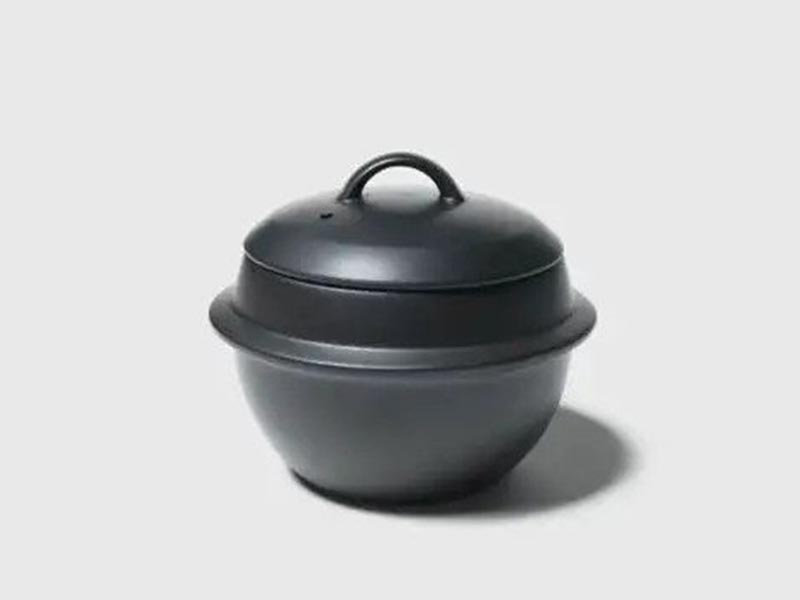
A hagama donabe rice cooker is a Japanese clay rice pot designed specifically for cooking rice over direct heat. The word hagama refers to the pot’s distinctive shape: a rounded vessel with a flared “wing” rim. Traditional hagama pots were often used with a stove or hearth, where the rounded bottom helped heat move evenly through the rice.
The word donabe means “clay pot.” Donabe cookware is a staple in Japanese home cooking and is commonly used for hot pot, soups, braises, steamed dishes, and rice. A hagama-style donabe focuses on rice first. Its shape, clay composition, lid structure, and heat retention are all meant to bring out the best texture from Japanese short-grain rice, though it can also cook other grains with practice.
Many high-quality hagama donabe rice cookers are made from Banko ware, a heat-resistant ceramic tradition associated with Yokkaichi in Mie Prefecture, Japan. Banko-yaki clay is known for durability, heat retention, and suitability for direct flame cooking. Some modern Banko donabe pots use clay blended with petalite, a mineral that improves resistance to high heat. That matters because rice cooking requires a controlled climb in temperature, steady steaming, and enough residual heat to finish the grains without scorching them into tiny edible pebbles.
Why Rice Tastes Better in a Hagama Donabe
Electric rice cookers are wonderfully convenient, and good ones make excellent rice. But a hagama donabe rice cooker creates a different experience. The clay warms gradually, stores heat, and releases it evenly. The rounded bottom encourages natural movement of water and heat around the rice, so the grains cook from the outside in while absorbing moisture more evenly.
The result is rice with more personality. Properly cooked donabe rice tends to have individual grains that are tender but not mushy, glossy but not wet, and aromatic in a way that makes you suddenly very interested in side dishes. The pot’s residual heat continues the cooking process after the flame is turned off, which helps the rice steam gently. This resting stage is not optional. It is where the rice finishes relaxing, much like a person after turning off work notifications.
The Magic of Okoge
One of the great pleasures of cooking rice in a clay pot is okoge, the lightly browned layer that can form at the bottom. It is crisp, nutty, and deeply satisfying. Some people consider it a bonus; others consider it the whole reason to own the pot. If you cook carefully, okoge should be golden and fragrant, not blackened and dramatic. A little crunch is delightful. A smoke alarm solo is less delightful.
Key Features of a Hagama Donabe Rice Cooker
1. Rounded Clay Body
The rounded body is not just charming; it is functional. It helps heat wrap around the rice instead of attacking only from the bottom. This even heat distribution supports fluffy rice and reduces the chance of uneven cooking.
2. Flared Wing Rim
The hagama’s flared rim gives the pot its recognizable profile. On many models, this rim also makes the pot easier to lift and position. Because the pot can be heavy when filled with rice and water, a secure grip matters.
3. Double-Lid Design
Many rice-focused donabe cookers use a double-lid system. A ceramic inner lid helps manage steam and pressure, while an outer lid, sometimes made of cypress wood, helps seal in heat. This creates a gentle pressure-cooking effect without turning your kitchen into a science fair.
4. Water Level Marks
Some modern hagama donabe rice cookers include internal water level lines for one, two, or three gou. One gou is a traditional Japanese rice cup, usually 180 ml of uncooked rice. These markings make the learning curve much friendlier.
5. Stove-to-Table Beauty
A hagama donabe is practical, but it is also beautiful. The pot can go from stove to table, turning a bowl of rice into part of the meal’s presentation. It looks intentional, warm, and handmade. Basically, it gives your dinner the confidence of a restaurant menu without charging corkage.
How to Cook Rice in a Hagama Donabe Rice Cooker
Cooking rice in a hagama donabe is simple, but it rewards attention. The first few batches are your calibration period. Different stoves, rice varieties, room temperatures, and personal texture preferences can slightly change the ideal timing.
Basic White Rice Method
- Measure the rice. Use Japanese short-grain rice if you want the most traditional result. One rice cooker cup is usually 180 ml.
- Rinse gently. Rinse the rice in cool water, swirling gently and changing the water several times until it is less cloudy. Do not crush the grains like you are interrogating them.
- Drain and soak. Let the rinsed rice soak for about 30 minutes. This helps the grains absorb water evenly before cooking.
- Add water. A common ratio for Japanese white rice is about 1 part rice to 1.1 or 1.2 parts water. Many 3-gou hagama donabe models use about 200 ml water for 1 gou, 400 ml for 2 gou, and 600 ml for 3 gou.
- Position the lid correctly. If your pot has a ceramic inner lid with steam holes, follow the manufacturer’s instructions. Some models require the holes to be offset rather than aligned to prevent boiling over.
- Cook over heat. Many hagama donabe instructions begin with high heat until steam or lid movement signals boiling, then reduce to low heat for several minutes. Exact timing depends on the pot and stove.
- Rest without peeking. After turning off the heat, let the rice steam with the lid on for about 15 to 20 minutes. Opening the lid too early releases steam and can ruin the texture.
- Fluff carefully. Use a wet rice paddle or wooden scoop to lift and turn the rice from the bottom. This releases excess steam and keeps the grains from compacting.
What Kind of Rice Works Best?
The hagama donabe rice cooker shines with Japanese short-grain white rice. This rice has the right starch profile for a tender, slightly sticky texture. It is ideal for sushi bowls, onigiri, grilled fish, miso soup, curry rice, and simple meals where rice is the star.
You can also use medium-grain rice, brown rice, mixed grains, and seasoned rice dishes, but each requires adjustment. Brown rice needs more water and a longer soak. Mixed rice with vegetables, mushrooms, or seafood may need a careful balance because extra ingredients release moisture. Start with plain white rice first. Learn the pot. Then invite mushrooms, chestnuts, chicken, or salmon to the party.
Hagama Donabe vs. Electric Rice Cooker
An electric rice cooker wins on convenience. It can cook rice while you answer emails, fold laundry, or forget you started dinner. A hagama donabe wins on ritual, texture, aroma, and table presence. It asks you to participate in the cooking process, but not in a stressful way. More like “make tea and listen for steam” than “defuse a bomb.”
If you eat rice daily and need automatic keep-warm functions, an electric rice cooker may still be your workhorse. If you love cooking, enjoy Japanese tableware, or want rice that feels special, a hagama donabe rice cooker is a beautiful upgrade. Many serious home cooks keep both: the electric cooker for busy weeknights and the donabe for meals where rice deserves a spotlight.
Care and Maintenance Tips
A hagama donabe is durable, but it is still clay cookware. Treat it well and it can last for years. Treat it like a stainless steel stockpot and it may crack, stain, or develop odors.
Season Before First Use
Many donabe pots need seasoning before their first real cooking session. This process, often called medome, usually involves simmering a thick rice porridge in the pot. The starch fills tiny pores in the clay, helping reduce leaks and strengthen the vessel. Always follow your specific manufacturer’s instructions.
Avoid Thermal Shock
Do not place a hot donabe on a cold wet surface. Do not pour cold water into a hot pot. Do not move it directly from refrigerator to flame. Sudden temperature changes can crack clay cookware. Let the pot heat and cool gradually.
Wash Gently
After cooking, allow the pot to cool completely. Wash with a soft sponge and minimal detergent. Avoid long soaking because clay can absorb water, which may encourage mold or odors. Dry thoroughly before storing, especially around the unglazed base.
Store with Airflow
Store the pot in a ventilated place and avoid sealing it tightly while damp. If your model has a wooden lid or wooden rice scoop, wash and dry those pieces promptly. Wood loves moisture when it is steaming rice; it is less charming when forgotten in a sink overnight.
Common Mistakes to Avoid
The first mistake is skipping the soak. Soaking rice helps the center of each grain hydrate before cooking. Without it, the outside can become soft while the inside remains firm.
The second mistake is using too much heat for too long. A donabe retains heat extremely well, so once boiling begins, the pot does not need aggressive flame. Too much heat may cause boil-over, scorching, or a bottom layer that goes from golden okoge to “archaeological evidence.”
The third mistake is opening the lid during the resting period. The steam inside the pot is finishing the rice. If you peek, you lose heat and moisture. Trust the process. The rice is not going anywhere.
The fourth mistake is leaving leftover rice in the pot for hours. Because clay can absorb moisture and aroma, transfer leftovers to another container once the meal is over.
Buying Guide: What to Look For
When shopping for a hagama donabe rice cooker, first check the capacity. A 1-gou or 1.5-gou pot is good for one or two people. A 3-gou model suits small families or rice lovers who believe leftovers are a lifestyle. Larger pots are impressive but heavier and less convenient for everyday use.
Next, check cooktop compatibility. Many traditional donabe rice cookers are designed for gas or open flame. Some work on electric or ceramic cooktops, while induction compatibility usually requires a special model or metal plate. Never assume. Clay does not care about your optimism.
Also consider the lid style. A wooden outer lid adds aroma and charm, while a ceramic double lid may be easier for some users to maintain. Internal water lines are helpful for beginners. Included accessories such as a rice scoop, trivet, or pot mat add value and protect your table.
Best Uses Beyond Plain Rice
Although the hagama donabe rice cooker is built for rice, it can often handle more than plain white rice. Depending on the model, you may use it for takikomi gohan, Japanese mixed rice cooked with dashi, soy sauce, mushrooms, carrots, burdock, chicken, or seafood. The pot’s gentle heat helps ingredients perfume the rice from the inside out.
You can also experiment with rice bowls, simple congee-style porridge, barley blends, or small soup-like dishes if the manufacturer allows. However, avoid deep-frying or high-oil cooking in a rice donabe. Many rice-specific clay pots are not designed for large amounts of oil, and overheating can be dangerous.
Is a Hagama Donabe Rice Cooker Worth It?
A hagama donabe rice cooker is worth it if you care about rice as more than a side dish. It is for people who notice texture, aroma, and the quiet satisfaction of serving rice from a beautiful pot. It is also for cooks who enjoy tactile kitchen rituals: rinsing, soaking, listening for steam, resting, fluffing, and admiring the first scoop.
It may not be ideal if you need push-button convenience, a keep-warm setting, or dishwasher-safe cleanup. A donabe asks for care. But that care is part of the reward. In a world of kitchen shortcuts, the hagama donabe says, “Slow down for twenty-five minutes; your rice is worth it.” Annoyingly, it is right.
Personal Experience: Cooking With a Hagama Donabe Rice Cooker
The first thing you notice when using a hagama donabe rice cooker is that it changes your relationship with rice before the cooking even begins. With an electric rice cooker, the process can become automatic: scoop, rinse, fill, press button, walk away. With a hagama donabe, you slow down. You pay attention to the water turning cloudy as starch leaves the grains. You notice the weight of the pot. You check the lid. You listen for the first signs of steam. Suddenly, rice is not background food. Rice has entered its main-character era.
My favorite part of the experience is the resting stage. It feels almost suspicious at first. The flame is off, nothing dramatic is happening, and yet the rice is still cooking inside the sealed pot. This is where the donabe’s heat retention becomes obvious. When the lid finally comes off, the steam rises with a clean, sweet aroma that is hard to get from a basic saucepan. The grains look plump and polished, as if they have been to a tiny rice spa.
The texture is the real difference. Good donabe rice has structure. It is tender, but each grain still feels alive. It is moist without being soggy. When paired with something simple, such as grilled salmon, pickles, miso soup, or even a fried egg with soy sauce, the rice does not fade into the background. It supports the meal like a good bass line: steady, warm, and secretly responsible for everything working.
There is also a small learning curve, and honestly, that is part of the charm. The first batch may be slightly too firm. The second may have a darker okoge than expected. By the third or fourth batch, you start understanding your stove, your rice, and your preferred water level. A kitchen timer helps, but your senses help more. You learn the sound of the lid beginning to rattle. You learn when the steam smells sweet instead of watery. You learn that opening the lid early is a betrayal of both rice and common sense.
Cleaning also teaches discipline. You cannot just abandon the pot in the sink and hope future-you becomes a better person. You let it cool, wash it gently, dry it thoroughly, and store it with airflow. This sounds fussy until you realize the routine takes only a few minutes. The trade-off is a pot that becomes more familiar over time. Like cast iron, a donabe feels less like a disposable kitchen object and more like a companion.
The best meals from a hagama donabe are often the simplest. Freshly cooked rice, a little furikake, a soft-boiled egg, and a splash of soy sauce can feel ridiculously satisfying. Takikomi gohan with mushrooms and dashi feels cozy enough to improve a rainy day. Even leftover rice becomes exciting if there is a little okoge to rescue from the bottom. That golden crust has the emotional power of finding fries at the bottom of the takeout bag.
In everyday use, the hagama donabe rice cooker is not about replacing every modern appliance. It is about choosing a more intentional method when the meal calls for it. You may still use an electric rice cooker on busy days, and that is perfectly reasonable. But when you want rice that smells better, tastes deeper, and makes dinner feel more grounded, the hagama donabe earns its shelf space. It turns a basic staple into something memorable, and that is a rare trick for a pot made of clay.
Conclusion
The Hagama Donabe Rice Cooker is a beautiful meeting point between Japanese craftsmanship and everyday cooking. Its rounded clay body, heat-retaining Banko ware construction, thoughtful lid design, and stove-to-table presence make it more than a rice pot. It is a tool for cooking rice with attention, patience, and pleasure.
For home cooks who want maximum convenience, an electric rice cooker remains hard to beat. But for anyone who loves Japanese food, handmade cookware, fluffy short-grain rice, and the occasional treasure of golden okoge, a hagama donabe rice cooker is absolutely worth considering. It may not beep when dinner is ready, but the aroma will tell you everything you need to know.
Note: This article is written for web publication and synthesizes current product information, traditional donabe cooking guidance, rice-cooking methods, and clay cookware care recommendations. Always follow the instructions that come with your specific hagama donabe rice cooker, especially for seasoning, cooktop compatibility, heating limits, and cleaning.