Editor’s note: This is an original, humane, homeowner-friendly guide for discouraging crows from yards, roofs, gardens, patios, and trash areas. It does not reproduce Bob Vila content and does not recommend harming birds.
Crows are clever, loud, social, and impressively talented at finding the one weak spot in your yard setup. Leave out pet food? They notice. Forget to cover the trash? They hold a meeting. Plant tender seedlings without protection? Congratulations, you have opened a tiny crow buffet with mulch seating.
The good news is that getting rid of crows does not require extreme measures. In fact, the best crow control is usually boring: remove food, protect vulnerable areas, change the environment, and rotate humane deterrents before the birds decide your property is the neighborhood clubhouse. Because crows are intelligent and adaptable, a single scarecrow standing nobly in the tomatoes will not do much after the first day. Crows are not impressed by lazy management.
This guide explains how to get rid of crows safely, legally, and effectively, using practical methods for homeowners, gardeners, and anyone who would like morning coffee without a rooftop choir screaming “caw” at full volume.
Why Crows Keep Coming Back
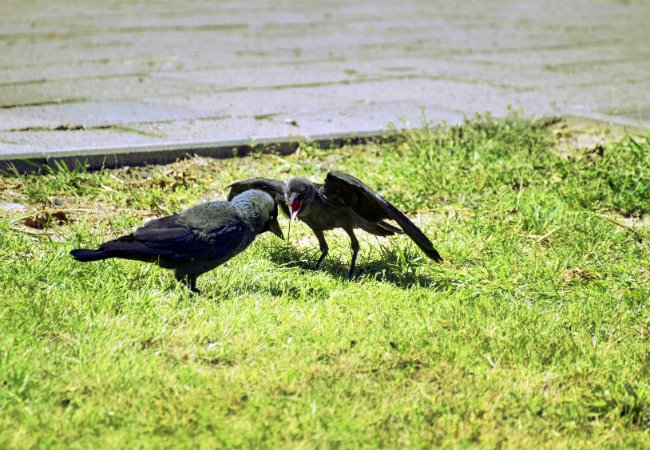
Before you can remove crows from your yard, you need to understand why they are there. Crows are not random. They are opportunistic birds that follow food, water, shelter, safety, and social cues. If your property provides easy meals or a comfortable perch, the birds may return again and again.
Common crow attractants include open garbage cans, compost piles with food scraps, bird feeders, fallen fruit, pet food, unsecured chicken feed, exposed garden seedlings, insects in lawns, and roadkill or carrion nearby. Crows also like tall trees, utility lines, roof edges, fences, and quiet corners where they can watch the world like tiny black-feathered security guards.
They are also highly social. One crow finding food can turn into several crows, and several crows can turn into a noisy daily routine. During certain seasons, especially colder months, crows may gather in large communal roosts. These roosts can be messy and loud, but they are part of normal crow behavior, not a sign that your yard has been cursed by a dramatic nature documentary.
Are Crows Dangerous?
For most homeowners, crows are more annoying than dangerous. They can scatter trash, damage crops, raid nests, leave droppings, and make enough noise to ruin a peaceful morning. However, crows generally avoid direct conflict with people. Problems usually happen when they have learned that a property offers food or when nesting birds feel defensive around young.
That said, crow droppings can create sanitation concerns on patios, vehicles, walkways, playground equipment, and outdoor furniture. Large roosts may become a bigger nuisance for neighborhoods or commercial properties. If droppings are heavy, wear gloves and a mask when cleaning, dampen the area first to reduce dust, and wash surfaces thoroughly.
Know the Law Before You Act
Crows are protected under federal bird laws in the United States. That means homeowners should focus on nonlethal, humane deterrents. Do not poison, trap, injure, destroy nests, or interfere with eggs or young birds. If crows are causing serious agricultural damage, livestock issues, or public health concerns, contact your state wildlife agency or USDA Wildlife Services for legal guidance.
For ordinary home and garden problems, you can usually solve the issue with prevention, exclusion, and rotating scare tactics. The goal is simple: make your yard less rewarding and less comfortable, so the crows move along to somewhere with easier snacks.
Step 1: Remove Easy Food Sources
The fastest way to discourage crows is to stop feeding them, even accidentally. Crows are excellent at remembering reliable food sources. If they find a free breakfast in your yard three days in a row, they may add your address to their mental map under “excellent service, would visit again.”
Secure Trash Cans
Use trash cans with tight-fitting lids. If raccoons, dogs, wind, or crows can open the lid, add a locking lid, bungee cord, or storage enclosure. Avoid placing trash outside overnight when possible. Crows are daytime feeders, but morning trash access is still an invitation.
Clean Up Pet Food
Never leave dog or cat food outside after feeding time. Even small leftovers can attract crows. Feed pets indoors or remove bowls promptly. Rinse bowls so the smell does not linger.
Manage Compost Carefully
Fruit scraps, cooked food, grains, and meat scraps can attract crows. Use a covered compost bin rather than an open pile. Avoid adding meat, dairy, oily foods, or cooked leftovers unless your compost system is designed to handle them securely.
Pick Up Fallen Fruit and Nuts
Fruit trees are wonderful, but fallen fruit is crow currency. Rake or collect dropped apples, berries, figs, pecans, and other edible debris regularly. If the ground under a tree looks like a farmers market after closing time, crows will notice.
Step 2: Protect Gardens and Seedlings
Crows can pull up seedlings, peck fruit, dig in fresh mulch, and investigate newly planted beds. They are curious birds, and unfortunately, curiosity plus a beak can equal a very sad vegetable garden.
Use Bird Netting
For gardens, berry bushes, fruit trees, and raised beds, bird netting is one of the most reliable solutions. The key is installation. Loose netting can trap wildlife or allow birds to sneak underneath. Use sturdy supports, pull the netting tight, and secure the edges to the ground or bed frame.
For small raised beds, create simple hoops with PVC pipe, bamboo stakes, or wire supports, then attach netting over the frame. This keeps plants safe while preventing birds from landing directly on the crop.
Cover New Seedlings
Use row covers, garden fabric, hardware cloth, or mesh cloches until seedlings are established. Crows are especially interested in newly disturbed soil because it may contain seeds, insects, or worms. Once plants grow larger, they are often less tempting.
Protect Corn and Other Tempting Crops
Crows are known for damaging corn seedlings and young crops. If you grow corn, cover rows during the vulnerable early stage. Some gardeners also use temporary string grids above newly planted beds to make landing awkward.
Step 3: Make Perching and Roosting Less Comfortable
If crows gather on your roofline, fence, deck railing, or trees, they may be using your property as a lookout point. Remove the comfort, and you reduce the appeal.
Trim Problem Branches
For small residential issues, trimming branches that overhang patios, cars, walkways, or garden beds can reduce droppings and discourage lingering. Do not trim during active nesting if a nest is present. When in doubt, contact a local wildlife professional or arborist.
Block Access to Favorite Ledges
On buildings, ledges, beams, and signs can become crow hangouts. Humane bird spikes, angled ledge covers, or professional bird exclusion systems may help in problem areas. Choose products designed to prevent landing without injuring birds.
Use Motion-Activated Sprinklers
A motion-activated sprinkler can startle crows away from lawns, gardens, and patios. It is harmless, water-based, and surprisingly satisfying. The crow gets a quick “nope,” your plants get water, and no one has to wave a broom like a cartoon landlord.
Step 4: Use Visual Crow Deterrents
Visual deterrents can help, but only when used correctly. Crows quickly learn whether something is actually threatening. A plastic owl that never moves becomes outdoor décor. A shiny ribbon that changes location and flashes in the wind is more convincing.
Reflective Tape and Mylar Streamers
Hang reflective bird tape, Mylar streamers, or shiny ribbons near gardens, fruit trees, trash areas, and favorite landing spots. Movement and flashing light can make crows uncomfortable. Twist the tape so it moves in the wind.
Old CDs, Pie Pans, and Wind Chimes
Shiny objects can work when they move and make unpredictable reflections. Old CDs, aluminum pie pans, reflective pinwheels, and lightweight wind chimes may help in small areas. The secret is rotation. Move them every few days so crows do not learn the pattern.
Predator Decoys
Owl or hawk decoys may discourage crows briefly, especially if placed near vulnerable crops. However, stationary decoys lose power fast. Choose decoys with movement, relocate them often, and combine them with other methods.
Step 5: Add Sound Deterrents Carefully
Sound can help move crows along, but it can also annoy neighbors, pets, and your own household. Use sound deterrents sparingly and respectfully. The goal is not to become the loudest organism on the block.
Distress Calls
Recorded crow distress calls can be effective because they signal danger to other crows. Use them only for short periods and vary the timing. Constant playback may become background noise that crows learn to ignore.
Clapping, Rattling, and Sudden Noise
For small flocks, sudden harmless noise may move birds away. Gardeners sometimes use rattling cans, wind chimes, or clappers. Again, variety matters. Predictable sounds quickly become part of the scenery.
Be Neighbor-Friendly
Before using any loud device, consider local noise rules and nearby homes. A crow problem should not become a neighborhood meeting with your name on the agenda.
Step 6: Rotate Deterrents So Crows Do Not Adapt
Crows are famous for learning. That is part of their charm and part of the problem. If you install one shiny ribbon, one fake owl, or one noisemaker and leave it unchanged for weeks, the crows may eventually ignore it.
Create a rotation schedule. Move reflective tape on Monday. Shift the owl decoy on Wednesday. Use the sprinkler near the garden on weekends. Remove old devices and reintroduce them later. The more unpredictable your setup, the better your chances.
Think of crow control like home security theater for birds. You are not trying to win a battle. You are trying to make your yard seem like too much trouble.
Step 7: Stop Feeding Birds in Ways That Feed Crows
Bird feeders can attract songbirds, but spilled seed can attract crows, squirrels, rats, and other wildlife. If crows are a problem, pause bird feeding for a few weeks. Clean the ground under feeders and use seed trays when you restart.
Avoid platform feeders or open feeding areas if crows are visiting. Use feeder styles that are harder for large birds to access. Store seed in sealed containers and clean up spills immediately.
Step 8: Protect Chickens and Backyard Livestock Feed
Backyard chicken keepers often discover that crows love feed. Secure chicken feed in covered containers, feed only what birds will eat, and clean up spilled grain. Use covered runs or netting where appropriate.
Crows may also investigate eggs, chicks, or small vulnerable animals. Keep coops secure, close doors at night, and repair gaps in wire or roofing. A tidy coop is less attractive to all kinds of wildlife, not just crows.
What Not to Do When Getting Rid of Crows
Some methods are ineffective, unsafe, illegal, or just plain unwise. Avoid poison, glue traps, harmful chemicals, nest destruction, and any method that injures birds. Do not use dangerous projectiles or risky homemade devices. These can hurt people, pets, non-target wildlife, and protected birds.
Also avoid feeding crows “just once” to distract them. Feeding may make the problem worse by teaching them that your yard pays out. Crows remember generous locations. They also remember faces, routines, and patterns, because apparently they missed the memo about being simple backyard pests.
When to Call a Professional
Call a wildlife-control professional, local extension office, state wildlife agency, or USDA Wildlife Services if you have a large roost, repeated property damage, sanitation concerns, or agricultural losses. Professionals can help identify legal options and design a humane control plan.
For homes, the solution is usually a combination of sanitation, exclusion, and deterrents. For large roosts or commercial properties, professional planning may be necessary because crows may simply shift from one tree to another unless the whole site is managed strategically.
A Practical 7-Day Crow Control Plan
Day 1: Inspect the Yard
Walk your property in the morning and evening. Look for food sources, favorite perches, droppings, disturbed soil, uncovered trash, and areas where crows land repeatedly.
Day 2: Remove Food Rewards
Secure trash, clean pet bowls, cover compost, pick up fruit, sweep spilled seed, and store animal feed indoors or in sealed bins.
Day 3: Protect Vulnerable Areas
Add netting, row covers, or temporary barriers over seedlings, berries, fruit trees, and chicken runs.
Day 4: Add Visual Deterrents
Install reflective tape, pinwheels, shiny streamers, or moving decoys near the problem area. Do not overdo it. A few moving items are better than a yard that looks like a discount parade exploded.
Day 5: Add Motion or Water
Use a motion-activated sprinkler or harmless movement-based deterrent where crows gather. Focus on landing zones and garden edges.
Day 6: Rotate Everything
Move deterrents to new locations. Change the height, angle, and spacing. Crows notice repetition, so keep them guessing.
Day 7: Evaluate and Adjust
If crow visits have dropped, continue maintenance. If not, identify what reward remains. There is almost always a hidden attractant: spilled feed, fallen fruit, open compost, or a comfortable perch.
Experience-Based Tips: What Usually Works in Real Yards
In real backyard situations, the most successful crow control usually begins with humility. Homeowners often start with the dramatic stuff first: fake owls, shiny tape, loud noises, and intense online searches at 6:15 a.m. while crows are holding a rooftop conference. But the boring work almost always matters more. The trash lid that does not quite close, the dog food bowl by the back door, the fallen peaches under the tree, and the birdseed scattered below the feeder are the true villains of the story.
A common experience is that crows disappear for a day after a scare device is installed, then return once they realize nothing bad happens. This does not mean deterrents are useless. It means they need to be part of a changing system. One gardener may hang reflective tape over a raised bed and see improvement for three days. By the weekend, the crows are back, casually walking under it like they paid rent. Moving the tape, adding a row cover, and cleaning up exposed seed usually works better than adding ten more ribbons.
Another practical lesson is that crows respond strongly to routine. If you put trash out every Tuesday night with a loose lid, they may learn the schedule. If you feed pets outdoors every morning and leave the bowl until lunch, they may learn that too. Changing your routine can be surprisingly effective. Bring trash out later, use a locking bin, feed pets indoors, and clean surfaces quickly. To a crow, inconsistency is suspicious. Use that.
Gardeners often have the best results with physical barriers. Netting, mesh, row covers, and simple hoops are not glamorous, but they work because they remove access. A crow cannot “outsmart” a properly secured cover without a tiny crow toolbox, and thankfully those are not yet available at hardware stores. For berries, seedlings, and corn, barriers should go up before damage begins. Waiting until the crows discover the crop is like installing a front door after the raccoons have already hosted Thanksgiving inside.
People dealing with rooftop or fence-line crows often find that perch management helps. Trimming a branch over a patio, blocking a favorite ledge, or using humane landing deterrents can reduce droppings in specific areas. However, it is important not to create hazards. Avoid sticky messes where birds might become coated, and choose products designed for humane exclusion.
Finally, patience matters. A yard that has fed crows for months may not become crow-free overnight. The goal is steady pressure: no food reward, no easy access, no predictable comfort. When crows visit and find nothing worth their time, they usually reduce visits. They may still pass through, call from a tree, or inspect your work with judgmental bird energy. That is normal. Success is not always silence; sometimes it is simply fewer birds, less mess, healthier plants, and a yard that no longer feels like crow headquarters.
Conclusion
Getting rid of crows is less about chasing birds and more about changing the invitation your property is sending. Crows come for food, shelter, safety, and routine. Remove those rewards, protect gardens with barriers, secure trash and feed, rotate visual deterrents, and use humane sound or motion devices only when needed.
The smartest approach is layered: sanitation first, exclusion second, deterrents third, and professional help when the problem is too large for homeowner methods. Crows are intelligent, protected wildlife, so humane control is not only kinderit is usually more effective. Make your yard inconvenient, unpredictable, and snack-free, and most crows will decide to take their dramatic morning announcements elsewhere.