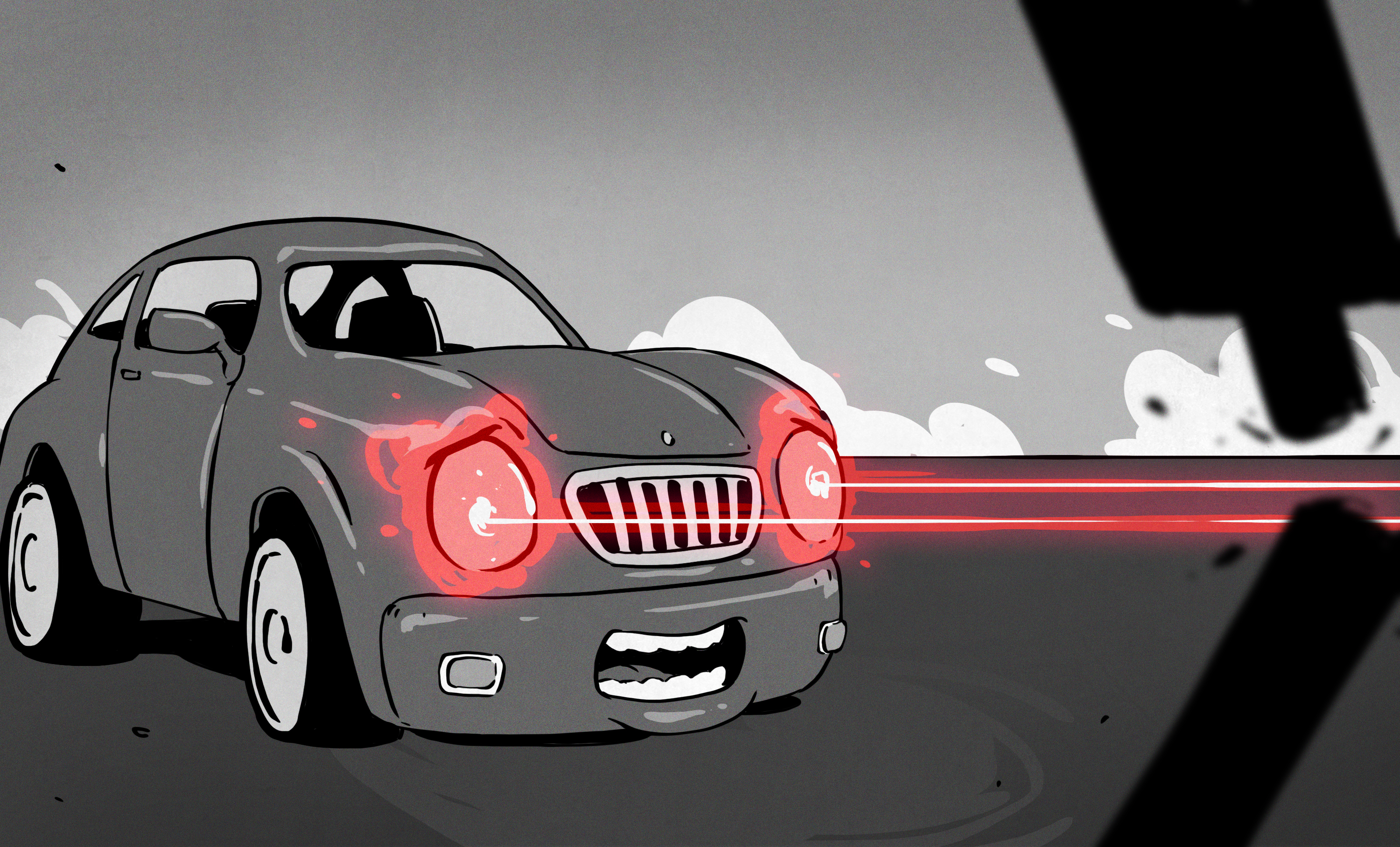
There was a time when nighttime driving felt simple: turn on the headlights, stay in your lane, avoid deer, and hope the radio did not pick that exact moment to play an emotional ballad. Today, many drivers feel like every oncoming vehicle is auditioning for a UFO landing scene. The culprit most people blame is LED headlightsthose sharp, white, modern beams that can make a quiet two-lane road feel like a stadium parking lot at closing time.
The problem with LED headlights is not that LEDs are evil little light squares plotting against humanity. In fact, LED headlights can be efficient, long-lasting, and excellent at lighting the road when they are designed and aimed correctly. The real issue is more complicated: brightness, beam pattern, color temperature, vehicle height, poor alignment, aftermarket bulbs, and U.S. regulations that are still catching up with modern lighting technology. In other words, it is not just “too bright.” It is “too bright, too blue, too high, too focused, and occasionally installed by someone named Chad in a driveway at 11:47 p.m.”
This article breaks down why LED headlights feel blinding, why better visibility can still create worse glare, what regulators and automakers are doing about it, and what everyday drivers can do until the road stops looking like a laser-tag arena.
Why LED Headlights Became So Popular
LED headlights spread through the auto industry for several good reasons. Compared with older halogen bulbs, LEDs use less energy, last longer, allow sleeker vehicle designs, and can produce a crisp beam pattern. For automakers, they are also flexible: LED modules can be arranged into signature shapes that make a vehicle recognizable from half a block away. That is great for branding, though less great when the “signature look” seems to say, “Good evening, I am here to melt your retinas.”
LED technology also supports advanced lighting systems. Automakers can pair LED arrays with cameras and sensors to create adaptive headlights that adjust the beam around traffic, curves, and road conditions. In theory, that means more light where the driver needs it and less light where other drivers’ eyes happen to be. That is the dream: maximum visibility without turning oncoming drivers into involuntary squinters.
The challenge is that not every LED headlight system is well designed. Some perform beautifully. Others look impressive in a showroom but throw light in ways that create discomfort on real roads. A luxury price tag does not automatically guarantee a comfortable, safe beam pattern. A headlight can be expensive, stylish, and still rude.
The Difference Between Brightness and Glare
Brightness and glare are related, but they are not the same. Brightness is about how much light a headlamp produces and where that light lands. Glare is about what happens when light reaches another driver’s eyes in a way that reduces comfort, visibility, or both.
There are two common types of glare. Discomfort glare is the painful, annoying sensation that makes you mutter things at the windshield. Disability glare is more serious because it reduces your ability to see objects on or near the road. A driver may recover quickly after being hit by glare, or it may take several seconds for normal vision to return. At highway speeds, several seconds is not a tiny inconvenience; it is a lot of pavement.
That is why the LED headlight debate can be confusing. A brighter headlight may help the driver using it see pedestrians, lane edges, animals, and debris sooner. But if that same beam is poorly controlled, misaimed, mounted high, or unusually blue-white in appearance, it may make life harder for everyone else.
Why Modern LED Headlights Feel So Harsh
1. The Light Is Often Whiter and Cooler
Traditional halogen headlights usually have a warmer, yellowish tone. Many LED headlights have a cooler white or bluish-white appearance. This cooler color can make road signs, lane lines, and contrast pop for the driver behind the wheel. But that same crisp color can feel harsher to oncoming drivers, especially in dark environments where the eye is already working overtime.
Color temperature matters because the human eye does not experience every light source the same way. A warm household lamp and a cold-white LED may have similar measured brightness, but one feels cozy and the other feels like an interrogation room with cup holders. On the road, that extra visual sharpness can cross into discomfort.
2. LED Beams Can Be More Focused
Older halogen lights tend to spread light differently. Modern LED projector systems can create sharper cutoffs, meaning there is a defined line between the bright part of the beam and the darker area above it. When that cutoff is aimed correctly, it helps keep light out of oncoming drivers’ eyes. When the vehicle hits a bump, climbs a hill, or carries extra weight in the rear, that cutoff can bounce upward and momentarily look like a high beam.
This is one reason drivers often swear someone has their high beams on even when the other vehicle is using low beams. Sometimes the light is not technically “wrong.” It is just landing in exactly the wrong place at exactly the wrong moment, which is also how spilled coffee works.
3. SUVs and Trucks Put Headlights Higher
Vehicle height is a major part of the glare conversation. Pickup trucks, large SUVs, and lifted vehicles place headlights higher off the ground. When those lights meet a lower sedan, the beams may hit closer to eye level. Even legal, factory-installed headlights can feel aggressive when they are mounted on a taller front end.
This does not mean every SUV driver is out there trying to blind the neighborhood. It means vehicle design has changed. America’s roads now include more tall vehicles, and the relationship between headlight height and eye height has become more important. A low car meeting a tall truck on a dark rural road can feel like a tiny sailboat facing a cruise ship.
4. Poor Headlight Aim Makes Everything Worse
Headlight aim is one of the least glamorous but most important parts of the problem. If headlights are aimed too high, they can send light directly into oncoming traffic. If they are aimed too low, the driver loses useful visibility and may be tempted to use high beams more often. Neither outcome is ideal.
Headlight alignment can be affected by collisions, suspension changes, worn parts, bulb replacement, cargo weight, towing, or simple neglect. Many drivers never think about headlight aim unless someone flashes them angrily. By then, the road has already held its little courtroom hearing, and the verdict is: “Your lights are annoying.”
5. Aftermarket LED Bulbs Can Be a Disaster
Factory LED systems are engineered as complete units, with the bulb, reflector or projector, housing, and beam pattern designed to work together. Problems often appear when drivers install aftermarket LED bulbs into housings originally designed for halogen bulbs. The LED may be bright, but the housing may scatter the light unpredictably.
This can create a beam that looks powerful from the driver’s seat but throws uncontrolled glare at everyone else. It is the automotive equivalent of shouting into a microphone because you assume louder equals better. In lighting, better is not just more light. Better is the right light in the right place.
Are LED Headlights Actually More Dangerous?
This is where the conversation gets tricky. Many drivers report that LED headlight glare makes night driving more stressful. That experience is real. At the same time, headlight research often shows that better-performing headlights are associated with improved nighttime visibility and fewer certain types of crashes. The problem is not simply “modern headlights are bad.” The problem is that modern headlights can solve one safety issue while creating another comfort and visibility issue for other road users.
Good headlights help drivers spot hazards sooner. Poor headlights leave drivers overdriving their lights, meaning they are traveling faster than their illuminated stopping distance allows. That is especially dangerous on rural roads, where pedestrians, cyclists, animals, stalled vehicles, and curves may appear with little warning.
Still, glare deserves attention because driving is not just about crash statistics. A road can be technically survivable and still miserable. If a large share of drivers dread nighttime driving because every commute feels like staring into a dentist’s lamp, that is a public safety concern, a comfort concern, and a design concern all at once.
The U.S. Regulatory Puzzle
U.S. headlight standards are performance-based, but modern lighting has evolved faster than many rules and tests. For years, adaptive driving beam headlights were common in some other markets but not allowed under U.S. rules in the same way. Adaptive driving beams use cameras and sensors to reduce light in areas occupied by oncoming or leading vehicles while maintaining stronger illumination elsewhere.
In 2022, U.S. regulators allowed adaptive driving beam systems on new vehicles. That was a major step, but approval does not instantly put the technology into every driveway. Automakers still need systems that comply with U.S. testing requirements, fit vehicle platforms, meet cost targets, and work reliably in real traffic. Translation: the legal door is open, but the whole neighborhood has not walked through it yet.
Adaptive lighting may eventually become one of the best solutions to the LED glare problem. Instead of forcing drivers to choose between “see more” and “blind less,” adaptive systems aim to do both. But until they are common, affordable, and consistently effective, drivers are stuck with a mixed fleet: old halogens, new LEDs, tall trucks, dirty lenses, misaimed beams, and aftermarket experiments all sharing the same road.
What Drivers Can Do Right Now
Check Headlight Aim
If other drivers often flash their lights at you, do not automatically assume they are dramatic. Your headlights may be aimed too high. Ask a repair shop to check the alignment, especially after a collision repair, bulb replacement, suspension work, or tire change. Proper aim helps you see the road without donating unwanted light to strangers’ eyeballs.
Keep Headlights and Windshields Clean
Dirt, haze, oxidation, and grime scatter light. A cloudy headlight lens can reduce useful visibility and create messy glare. A dirty windshield can turn oncoming headlights into starbursts, halos, and streaks. Cleaning both is not exciting, but neither is driving like you are inside a snow globe filled with lasers.
Use High Beams Correctly
High beams are useful on dark, empty roads, but they should be dimmed for oncoming traffic and when following another vehicle. Many drivers underuse high beams when they need them and overuse them when they should not. Automatic high-beam assist can help, but drivers should still pay attention because automation is not perfect.
Avoid Staring Into Oncoming Lights
When bright headlights approach, look slightly toward the right edge of your lane or the road markings rather than directly into the light source. This does not make glare disappear, but it can reduce the intensity of the hit and help you maintain lane position. Your eyes are not moths. Do not send them toward the glowing object.
Be Careful With Aftermarket Bulbs
Replacing halogen bulbs with bright LED kits may sound like an easy upgrade, but it can create uncontrolled glare if the housing was not designed for LEDs. Use lighting products that are appropriate for your vehicle and legal for road use. If a product description brags mainly about absurd brightness, giant lumen numbers, or “turn night into day,” consider that a red flag wearing sunglasses.
What Automakers Should Improve
Automakers need to treat headlights as safety equipment, not just styling jewelry. A dramatic LED signature may look great in an advertisement, but the real test happens on wet pavement, hilly roads, two-lane highways, and traffic filled with drivers of different ages and eye conditions.
Better headlight design should focus on controlled beam patterns, warmer or less harsh color options, automatic leveling, improved adaptive systems, and real-world testing that includes hills, curves, heavy cargo loads, and mixed vehicle heights. The best headlight is not the one that wins a brightness contest. It is the one that helps its driver see while letting everyone else continue using their eyes normally.
What Regulators Should Consider
Regulators face a difficult balance. Headlights must be strong enough to reveal hazards but controlled enough to avoid disabling glare. That means rules should consider not only raw intensity but also beam shape, color temperature, mounting height, automatic leveling, glare in mirrors, and real-world conditions.
Testing should also keep pace with modern vehicle design. A headlight mounted on a tall SUV can affect other drivers differently than the same beam mounted on a lower sedan. Road surfaces, hills, curves, and vehicle loading all matter. A lab test is useful, but the road is where the angry squinting happens.
Why This Problem Feels Worse in Real Life
LED headlight glare feels personal because it interrupts trust. At night, drivers rely on a delicate visual rhythm: lane lines, taillights, signs, shadows, and the glow of the road ahead. A blast of harsh white light breaks that rhythm. It can make the driver tense up, slow down abruptly, drift within the lane, or feel less confident behind the wheel.
Older drivers, people who wear prescription glasses, and those with cataracts, dry eyes, or other vision issues may experience glare more intensely. Wet roads add another layer by reflecting beams upward. Rain, fog, dirty glass, and scratched lenses can turn a normal headlight into a bright smear across the field of vision.
That is why the debate will not go away. Even if crash data does not show a massive glare-related crash wave, millions of drivers still experience nighttime glare as a daily quality-of-life problem. Safety is not only about what happens after impact. It is also about confidence, comfort, reaction time, and whether people feel able to drive after sunset without preparing emotionally like they are entering a boss fight.
Personal Road Experience: Living With the LED Headlight Era
Anyone who drives regularly at night has probably had a version of the same experience. You are moving along a familiar road, the kind you could almost drive from memory, when a vehicle appears over a small rise. For half a second, it looks as if the sun has filed a complaint and decided to personally confront you. You check your mirror, adjust your eyes, grip the wheel a little tighter, and wonder whether the other driver has high beams on or simply owns a very enthusiastic crossover.
The most frustrating part is that the glare often comes in waves. One car is fine. The next is a little bright. Then a tall pickup rolls by with white LED lights mounted at just the right height to turn your cabin into an operating room. If the road is wet, the pavement reflects the beam back up at you. If your windshield has a film of dust or interior haze, the light blooms across the glass. Suddenly, you are not just drivingyou are conducting a vision test you never signed up for.
On two-lane rural roads, the effect can feel even stronger. There are fewer streetlights, fewer visual references, and more darkness surrounding the beam. A bright oncoming headlight does not compete with city lighting; it dominates the whole scene. After it passes, your eyes may need a moment to readjust. During that moment, the road shoulder, mailbox posts, animals, cyclists, or pedestrians can become harder to pick out.
In city driving, the annoyance is different. Instead of one dramatic blast, you may get constant mirror glare from vehicles behind you at stoplights. A high-riding SUV with sharp LED low beams can fill your rearview mirror like a portable lighthouse. Side mirrors can catch the same light and bounce it straight into your peripheral vision. You flip the mirror to night mode, shift in your seat, and silently negotiate with traffic: please turn, please pass, please discover another lane.
There is also a social awkwardness to the problem. Drivers sometimes flash their lights at an oncoming vehicle because they assume the high beams are on. The other driver flashes back, proving that no, those were not the high beamsthat was merely the appetizer. Now everyone is irritated, nobody is safer, and the road has become a conversation conducted entirely in bursts of light.
From a practical standpoint, the best experience-based advice is boring but effective. Keep your windshield clean inside and out. Interior film can make glare dramatically worse. Use the night setting on your rearview mirror. Keep your own headlights clean and properly aimed. Do not install ultra-bright bulbs in housings that were not designed for them. When facing oncoming glare, guide your eyes toward the right lane line or road edge instead of staring directly into the beam.
The bigger lesson is that nighttime driving comfort depends on everyone’s equipment, not just your own. Your headlights affect other people. Their headlights affect you. Good lighting is a shared road courtesy, like using turn signals or not parking a shopping cart diagonally across two spaces. LED headlights are not going away, and they should not have to. But they need better design, better aim, smarter controls, and a little less “concert spotlight” energy.
Conclusion: LED Headlights Need Smarter Light, Not Just More Light
The problem with LED headlights is not simply that they are bright. The problem is uncontrolled brightness: light that is too cool, too high, poorly aimed, badly reflected, or placed in housings that cannot manage it. LEDs can make night driving safer when they deliver a well-shaped beam, strong distance visibility, and limited glare. They can also make night driving stressful when design, regulation, and maintenance fail to keep up.
The future should not be a return to weak headlights that barely reveal the road ahead. Nor should it be a glowing arms race where every driver upgrades until the highway looks like a police helicopter search zone. The goal is smarter lighting: adaptive driving beams, better alignment, sensible color temperatures, improved testing, and drivers who understand that “I can see everything” is not a complete safety strategy if everyone else is temporarily blinded.
Until then, the best approach is a mix of personal maintenance and public pressure. Clean your glass. Aim your headlights. Avoid sketchy aftermarket bulbs. Use high beams responsibly. Support better lighting standards. And when the next LED-equipped SUV crests a hill and makes your windshield glow like a sci-fi portal, remember: the future is bright. Possibly too bright. Definitely in need of adjustment.