Note: This article is for educational purposes only and should not replace medical advice. People with high blood pressure should speak with a licensed healthcare professional before starting, stopping, or changing any medication.
A New Triple-Action Pill Enters the Hypertension Conversation
The FDA has approved WIDAPLIK, a new 3-in-1 combination pill for high blood pressure in adults. For anyone who has ever stared at a row of prescription bottles and wondered whether their medicine cabinet quietly became a small pharmacy, this approval is worth paying attention to.
WIDAPLIK combines three blood pressure medications in one tablet: telmisartan, amlodipine, and indapamide. Each ingredient comes from a different class of antihypertensive medicine, which means the pill attacks high blood pressure from several angles at once. Think of it as a tiny cardiovascular committee meeting in one tablet, except this committee actually gets things done.
The FDA approval is significant because hypertension remains one of the most common and stubborn health problems in the United States. Nearly half of U.S. adults have high blood pressure, and many do not have it under control. That matters because uncontrolled hypertension quietly raises the risk of stroke, heart attack, heart failure, kidney disease, and other serious complications.
The approval of a triple-combination blood pressure pill reflects a larger shift in hypertension treatment: many patients need more than one medication to reach their blood pressure goals, and simplifying treatment may help improve consistency. Taking one pill once a day is not magic, but for many people, it may be easier than juggling multiple medications like a stressed circus performer with a pharmacy discount card.
What Is WIDAPLIK?
WIDAPLIK is a prescription medication approved for the treatment of hypertension in adult patients. It may also be used as initial therapy when a healthcare provider determines that a patient is likely to need multiple drugs to reach a blood pressure goal.
The three active ingredients are:
Telmisartan
Telmisartan is an angiotensin II receptor blocker, commonly called an ARB. It helps relax blood vessels by blocking the action of angiotensin II, a hormone-like substance that can tighten blood vessels and raise blood pressure. When blood vessels relax, the heart does not have to push quite so hard. Your arteries, in other words, get a chance to unclench.
Amlodipine
Amlodipine is a calcium channel blocker. It helps blood vessels relax by limiting calcium movement into cells in the heart and artery walls. This can reduce vascular tightness and lower blood pressure. Amlodipine is already widely used in hypertension care and is familiar to many clinicians and patients.
Indapamide
Indapamide is a thiazide-like diuretic. Diuretics help the body remove extra salt and water, reducing fluid pressure in the bloodstream. Indapamide also has effects on blood vessel relaxation. In plain English: less excess fluid, less pressure, less cardiovascular drama.
Why a 3-in-1 Blood Pressure Pill Matters
High blood pressure is often called the “silent killer” because it can damage the body for years without obvious symptoms. Many people feel perfectly fine while their arteries are under daily stress. That is one reason regular blood pressure checks are so important. You cannot reliably “feel” hypertension, just as you cannot reliably smell a Wi-Fi outage before your video call freezes.
Traditional treatment often begins with lifestyle changes, such as eating less sodium, following a heart-healthy diet, exercising regularly, limiting alcohol, quitting smoking, managing weight, and improving sleep. These changes are still essential. A new pill does not replace vegetables, walking shoes, or the noble decision not to treat potato chips as a food group.
However, many people need medication in addition to lifestyle changes. Some need two or three drugs from different classes. That is not a personal failure; it is how hypertension biology often works. Blood pressure is regulated by blood vessel tone, kidney function, salt balance, hormones, nervous system signals, and other factors. One medication may not be enough to influence all of those pathways.
A single-pill combination can reduce pill burden. Fewer pills may mean fewer missed doses, fewer refill headaches, and a simpler daily routine. In chronic conditions like hypertension, consistency is everything. The best medication is not just the one that works in a trial; it is the one a patient can actually take as prescribed in real life, on busy Mondays, during travel, after grocery shopping, and when the dog has decided to eat a sock.
How WIDAPLIK Is Taken
According to FDA-approved prescribing information, WIDAPLIK is taken by mouth once daily. It is available in three dosage strengths:
- 10 mg telmisartan / 1.25 mg amlodipine / 0.625 mg indapamide
- 20 mg telmisartan / 2.5 mg amlodipine / 1.25 mg indapamide
- 40 mg telmisartan / 5 mg amlodipine / 2.5 mg indapamide
For initial hypertension treatment, a healthcare provider may start with one of the lower-dose versions and adjust based on the patient’s blood pressure response and overall health. The maximum recommended dose is 40 mg / 5 mg / 2.5 mg once daily. The tablet should be swallowed whole and should not be cut, crushed, or chewed.
The FDA-approved label notes that almost all of the antihypertensive effect is apparent within about two weeks of starting treatment. That does not mean patients should judge success by a single home reading after one stressful afternoon. Blood pressure can jump around like a squirrel on espresso. Clinicians usually look at patterns over time, ideally using properly measured readings.
What the Clinical Research Suggests
The development of WIDAPLIK was supported by clinical studies evaluating low-dose triple therapy for hypertension. Trials found that the combination lowered blood pressure more effectively than placebo and improved blood pressure control compared with certain dual-drug combinations.
One important idea behind low-dose combination therapy is that smaller doses of multiple medications may produce strong blood pressure reduction while limiting side effects that can occur when one drug is pushed to a higher dose. This is a practical strategy: instead of asking one medication to do all the heavy lifting, several medications share the workload.
Clinical studies also examined tolerability. As with any medication, WIDAPLIK can cause side effects, and some patients will not be candidates for it. Still, the approval gives clinicians another tool for adults with hypertension, especially those likely to require more than one medication to reach target blood pressure.
Who Might Benefit from a Triple-Combination Hypertension Pill?
WIDAPLIK may be considered for adults with hypertension when a healthcare provider believes multiple drugs are needed. This could include patients with higher baseline blood pressure, patients who have not reached their goal on one or two medications, or patients for whom simplifying a regimen may improve adherence.
For example, imagine a patient whose blood pressure remains around 150/92 mm Hg despite meaningful lifestyle changes. The clinician may decide that a multi-drug approach is appropriate. Instead of prescribing three separate tablets, a single-pill option may reduce complexity. That does not mean every patient with high blood pressure should immediately switch. It means there is now another option to discuss.
Medication choices depend on age, kidney function, liver function, electrolyte levels, pregnancy plans, other medical conditions, current medications, side effect history, and insurance coverage. Hypertension treatment is not a one-size-fits-all hat. It is more like tailoring a suit while the customer is walking on a treadmill: careful adjustment matters.
Important Safety Information
WIDAPLIK carries a boxed warning for fetal toxicity. Drugs that act on the renin-angiotensin-aldosterone system, such as telmisartan, can cause injury or death to a developing fetus. If pregnancy is detected, the medication should be discontinued as soon as possible under medical guidance.
WIDAPLIK should not be used by patients with anuria, which means no urine output. It is also contraindicated in people with known hypersensitivity to telmisartan, amlodipine, indapamide, sulfonamide-derived drugs, or any component of the product. Patients with diabetes should not take aliskiren-containing products with WIDAPLIK.
Potential warnings and precautions include low blood pressure, electrolyte and glucose imbalances, impaired kidney function, acute angle-closure glaucoma, and hyperuricemia, which may be relevant for people with gout. The most common adverse reaction reported in clinical trials was symptomatic hypotension. Low sodium and low potassium values were also recorded more often with WIDAPLIK than with placebo.
Patients should tell their healthcare provider about all medications and supplements they take, including NSAIDs, lithium, digoxin, simvastatin, potassium supplements, salt substitutes, and other blood pressure medications. The “it is just over the counter” sentence has caused many medical headaches; doctors and pharmacists need the full list.
How This Fits Into Modern Hypertension Treatment
Current hypertension care increasingly recognizes that many people need combination therapy. For some patients, starting with more than one medication may help reach blood pressure goals sooner, especially when readings are significantly elevated. Fixed-dose combination pills can also support medication adherence by reducing the number of pills taken each day.
That said, medication is only one part of blood pressure management. A comprehensive plan may include sodium reduction, the DASH eating pattern, regular aerobic activity, strength training, weight management, sleep apnea evaluation, diabetes control, cholesterol management, smoking cessation, and limiting alcohol intake. Blood pressure does not live in isolation; it has roommates, and some of them are named cholesterol, glucose, stress, and sleep.
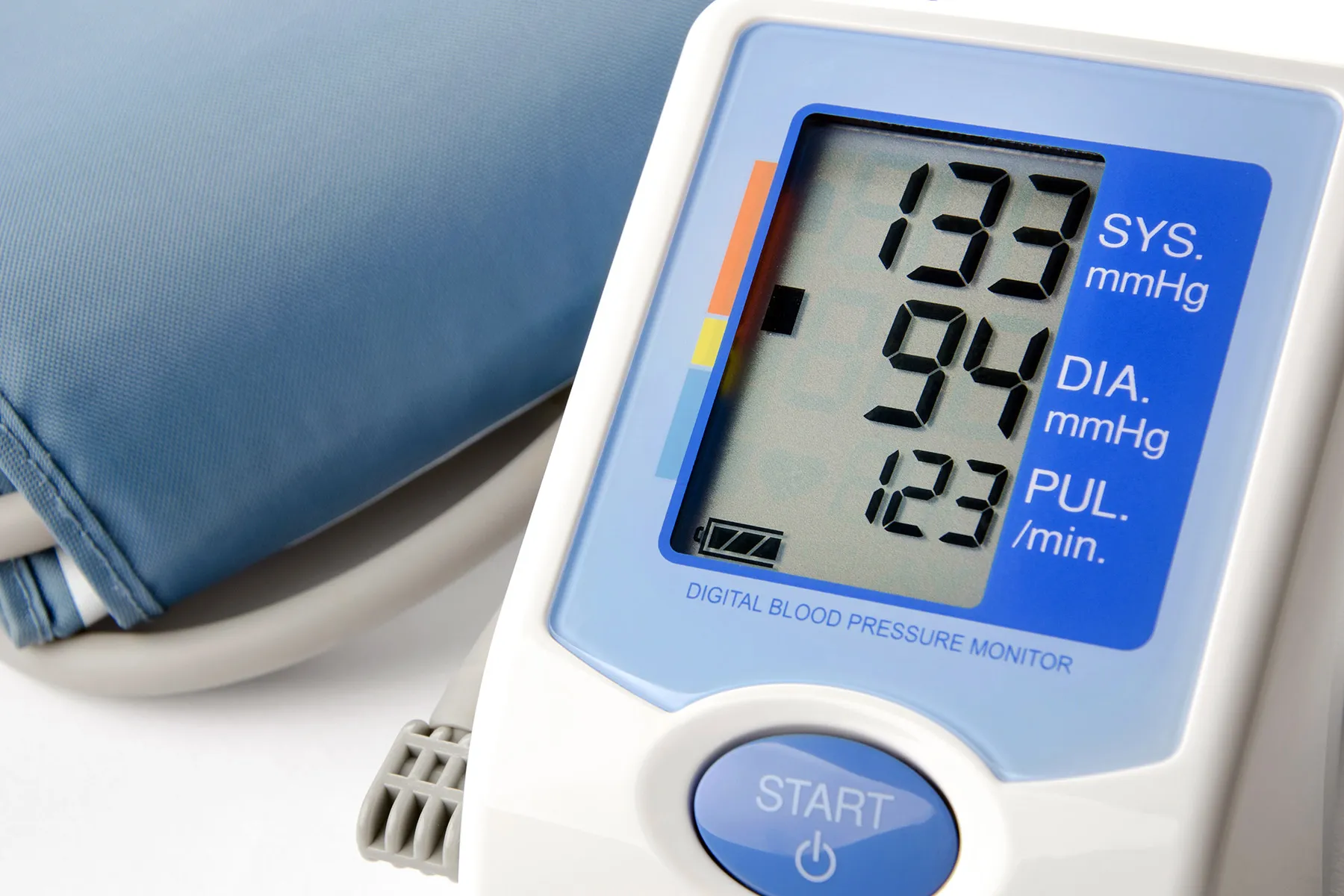
Home blood pressure monitoring can also be useful when done correctly. Patients should use a validated upper-arm cuff, sit quietly before measuring, keep feet flat on the floor, support the arm at heart level, and avoid caffeine, nicotine, or exercise shortly before checking. A sloppy reading can turn a calm morning into a false alarm, so technique matters.
Questions Patients May Want to Ask Their Doctor
Patients interested in WIDAPLIK should not simply ask, “Can I get the new pill?” A better conversation includes practical questions:
- Am I likely to need more than one blood pressure medication?
- Is WIDAPLIK appropriate based on my kidney function, electrolytes, and other conditions?
- Could this interact with any of my current medications?
- What side effects should I watch for?
- How often should I check my blood pressure at home?
- When should we repeat lab tests?
- What lifestyle changes would make the biggest difference for me?
These questions turn a prescription visit into a treatment plan. That is the goal. Hypertension management is not just about lowering numbers on a screen; it is about reducing long-term risk while helping people live normal, busy, imperfect human lives.
What This Approval Does Not Mean
The FDA approval of WIDAPLIK does not mean everyone with high blood pressure needs three medications. It does not mean lifestyle changes are optional. It does not mean patients should stop their current medication and switch without medical supervision. And it definitely does not mean blood pressure can now be managed with one pill plus unlimited bacon. The human body remains annoyingly committed to cause and effect.
It also does not guarantee that the medication will be affordable or available for every patient immediately. Insurance coverage, formularies, pharmacy supply, and clinician familiarity can all affect real-world access. New approvals often take time to become routine in everyday practice.
Still, WIDAPLIK is an important development because it adds a once-daily triple-combination option to the treatment landscape. For appropriate adults, especially those likely to need multiple therapies, it may help simplify care and improve blood pressure control.
Practical Experiences and Real-World Takeaways
In everyday hypertension care, the biggest challenge is often not understanding that blood pressure should be lower. Most patients get that part. The hard part is building a routine that survives real life. People travel, forget refills, work late, care for family members, lose pill bottles, change insurance plans, and occasionally convince themselves that “I feel fine” means “my arteries are fine.” Unfortunately, arteries do not send polite calendar reminders.
A 3-in-1 pill can make a meaningful difference in this daily reality. Consider the experience of someone taking three separate medications: one small white tablet in the morning, another at dinner, and a third that must be refilled at a different time because the pharmacy synchronized nothing except frustration. Even motivated patients can miss doses. A single daily tablet may reduce mental clutter. Less clutter can mean better consistency, and better consistency is the boring-but-brilliant secret behind long-term blood pressure control.
Clinicians also know that patients often feel discouraged when one medication is not enough. Some interpret adding a second or third drug as “getting worse.” A combination pill can help reframe the conversation. Instead of seeing multiple medications as a failure, patients can understand hypertension as a condition that often responds best to a team approach. Telmisartan, amlodipine, and indapamide each work differently, so the combination is not “more of the same.” It is a coordinated strategy.
Another real-world experience involves home monitoring. A patient may start therapy and become anxious when the first few readings are still elevated. This is where education matters. Blood pressure improvement can unfold over days to weeks, and readings should be interpreted as trends, not isolated verdicts. The home cuff is a tool, not a crystal ball. Patients should bring logs to appointments and avoid measuring repeatedly every ten minutes, which usually measures anxiety more than hypertension.
There is also the experience of side effects. Some patients may feel lightheaded, especially when standing quickly. Others may need lab monitoring for sodium, potassium, kidney function, or glucose changes. This is why follow-up matters. A simpler pill does not eliminate the need for careful medical supervision. In fact, the best outcomes usually happen when medication, monitoring, lifestyle habits, and communication all move in the same direction.
For many patients, the most encouraging part of this FDA approval is psychological. Hypertension can feel invisible, repetitive, and frankly dull. There is no dramatic movie soundtrack when someone remembers a blood pressure pill. But quiet consistency prevents loud medical emergencies. A new triple-combination pill will not be the right answer for everyone, but it may help some people turn a complicated medication routine into something more manageable. In chronic disease care, manageable is powerful.
Conclusion
The FDA approval of WIDAPLIK, a 3-in-1 combination pill containing telmisartan, amlodipine, and indapamide, marks an important step in hypertension treatment. High blood pressure remains widespread, undercontrolled, and dangerous when ignored. Because many adults need more than one medication to reach blood pressure goals, a once-daily triple-combination tablet may offer a practical option for selected patients.
The key word is “selected.” WIDAPLIK is a prescription medication with important safety warnings, including fetal toxicity, possible low blood pressure, electrolyte changes, kidney-related concerns, and drug interactions. It should only be used under the guidance of a healthcare professional.
For patients and clinicians, the approval adds another tool to the hypertension toolbox. And when the condition affects nearly half of adults, better tools are welcome. Blood pressure management may never be glamorous, but preventing strokes and heart attacks is about as heroic as medicine getscape optional.