If your lawn has soggy spots, acidic soil, patchy shade, or the personality of a tired swamp, carpet grass may be exactly the practical solution you need. Carpet grass, often written as carpetgrass, is not the luxury velvet tuxedo of the turf world. It is more like the dependable work boots: simple, tough, low-maintenance, and perfectly happy in conditions that make fussier grasses pack their tiny green bags and leave.
Learning how to plant carpet grass starts with understanding what this grass does best. It thrives in warm, humid regions, especially across the southeastern United States and Gulf Coast areas. It spreads by creeping stolons, forms a modest but useful lawn, and performs well in moist, acidic, low-fertility soils. It is not the best choice for a high-traffic sports lawn, a bone-dry yard, or anyone who dreams of a golf-course putting green outside the kitchen window. But for a low-input lawn in a difficult site, carpet grass can be a quiet hero.
This guide explains when to plant carpet grass, how to prepare the soil, how to seed it correctly, how to water it, and how to care for the new lawn until it fills in. Grab your rake, your seed spreader, and your patience. Grass does not grow faster because you stare at it, although most of us try anyway.
What Is Carpet Grass?
Carpet grass is a warm-season perennial turfgrass commonly used in low-maintenance lawns, pastures, roadsides, and erosion-prone areas. The most common types include common carpet grass, also known botanically as Axonopus fissifolius or Axonopus affinis, and broadleaf carpet grass, Axonopus compressus. Homeowners usually choose it because it tolerates conditions that challenge other turfgrasses: wet soil, acidic ground, partial shade, and relatively low fertility.
The grass has a medium to light green color, a coarse texture, and a spreading growth habit. Instead of growing into a perfectly polished lawn, it creates a functional mat that covers the ground and helps reduce weeds once established. During summer, it produces tall seedheads that can look a bit shaggy if you do not mow regularly. Think of it as the lawn equivalent of hair that grows upward after a humid nap.
Is Carpet Grass Right for Your Yard?
Before planting carpet grass, make sure it matches your climate and expectations. This grass is best suited for warm, humid regions. It performs well in the lower South, coastal areas, and places where rainfall is regular. It can tolerate some shade, but it still needs enough sunlight to grow densely. Full sun to moderate shade is usually ideal.
Carpet Grass Works Well If:
- Your soil stays moist or drains slowly.
- Your yard has acidic soil, usually around pH 5.0 to 6.0.
- You want a low-maintenance lawn rather than a showpiece lawn.
- Your lawn receives light to moderate foot traffic.
- You live in a warm, humid climate.
- You are dealing with poor or sandy soil where other grasses struggle.
Carpet Grass May Not Be Best If:
- Your yard is very dry for long periods.
- You want a dark green, fine-bladed, manicured lawn.
- Your lawn gets heavy traffic from pets, children, or sports.
- You live in a cold region with hard winters.
- You dislike frequent mowing during seedhead season.
Carpet grass is honest. It does not pretend to be elite turf. It simply says, “Give me moisture, warmth, and a little room, and I will cover the ground.” That makes it a practical choice for problem areas where perfection is less important than reliable coverage.
Best Time to Plant Carpet Grass
The best time to plant carpet grass is in late spring to early summer, after the soil has warmed and the danger of frost has passed. In many southern regions, this usually means mid-April through June, depending on local weather. The goal is to give the seed warm soil, consistent moisture, and several months of growing weather before cooler temperatures arrive.
Do not plant carpet grass too early in spring when nights are still chilly. Warm-season grass seed germinates best when soil temperatures are consistently warm. Cold soil can delay germination, increase weed competition, and make the whole project feel like waiting for toast in a broken toaster.
Planting in midsummer can work if you can water regularly, but extreme heat can dry out the seedbed quickly. Early fall planting is risky in areas with cooler winters because young carpet grass may not establish deeply enough before dormancy.
How to Prepare the Soil for Carpet Grass
Good lawn establishment begins before the seed ever touches the soil. Carpet grass is forgiving, but it is not magic. If you throw seed onto compacted dirt, weeds, and old lawn debris, you may get patchy results and then blame the grass for your shortcuts. The grass will not file a complaint, but it will show you the evidence.
1. Test Your Soil
A soil test is the smartest first step. Carpet grass prefers acidic soil, generally in the pH range of 5.0 to 6.0. Many lawns are limed automatically because people assume every lawn wants a higher pH, but carpet grass is different. Too much lime can push soil pH above the preferred range and make the grass less comfortable.
A soil test also tells you whether phosphorus, potassium, or other nutrients are needed. Carpet grass usually does not need heavy fertilization. In fact, overfeeding can encourage weeds and create more mowing work. Your lawn is not a buffet. Feed it according to the test, not according to lawn-care folklore from your neighbor who owns four spreaders and a suspiciously intense relationship with nitrogen.
2. Remove Existing Weeds and Grass
Clear the planting area before seeding. Remove weeds, old turf, rocks, sticks, and construction debris. For small areas, a shovel, hoe, or sod cutter may be enough. For larger lawns, you may need to use a nonselective herbicide several weeks before planting, following the label carefully, then remove dead vegetation before preparing the seedbed.
Do not seed directly into a thick weed patch and expect carpet grass to win immediately. New grass seedlings are small, slow, and not ready for a wrestling match with crabgrass, sedges, or broadleaf weeds.
3. Loosen and Level the Soil
Loosen the top 4 to 6 inches of soil if the ground is compacted. Use a garden tiller, rake, or hand tools depending on the size of the area. Break up large clods and rake the surface smooth. The finished seedbed should be firm but not hard, smooth but not powdery, and slightly graded so water does not collect in deep puddles.
Carpet grass tolerates moist soil, but standing water can still wash seed away or create uneven germination. If the yard has serious drainage problems, correct them before planting. Grass seed is not a drainage engineer.
4. Add Soil Amendments Only If Needed
Because carpet grass handles low-fertility soil well, you do not need to create a rich garden bed. Add amendments only when a soil test or visible soil problem suggests it. A thin layer of compost can help very sandy or lifeless soil hold moisture, but avoid burying the area under heavy organic matter. The goal is a stable, smooth seedbed, not a vegetable garden wearing a lawn costume.
How to Plant Carpet Grass from Seed
Seeding is the most common and affordable way to establish carpet grass. Use fresh, high-quality seed from a reliable supplier. Carpet grass seed is small, so even spreading is important. Bare spots usually happen when seed is applied unevenly, covered too deeply, or allowed to dry out during germination.
Step 1: Measure the Lawn Area
Measure the square footage of the planting area before buying seed. Multiply length by width for rectangular sections, and break irregular lawns into smaller shapes. A common seeding rate is about 2 pounds of carpet grass seed per 1,000 square feet, although you should always check the seed label because coated seed and pure live seed percentages can affect the amount needed.
Buying too little seed leads to thin coverage. Buying too much may lead to wasted money and uneven growth. Measure first. Guessing is fun at carnivals, not when establishing a lawn.
Step 2: Spread the Seed Evenly
Use a broadcast spreader or hand spreader for the most even coverage. For best results, divide the seed into two equal portions. Spread the first half in one direction, then spread the second half at a right angle to the first pass. This crisscross method reduces streaks and bald patches.
For small patches, you can spread seed by hand, but mix the seed with dry sand to help distribute it more evenly. Because carpet grass seed is fine, it can clump in your hand and create little seed islands surrounded by empty soil oceans.
Step 3: Lightly Rake the Seed Into the Soil
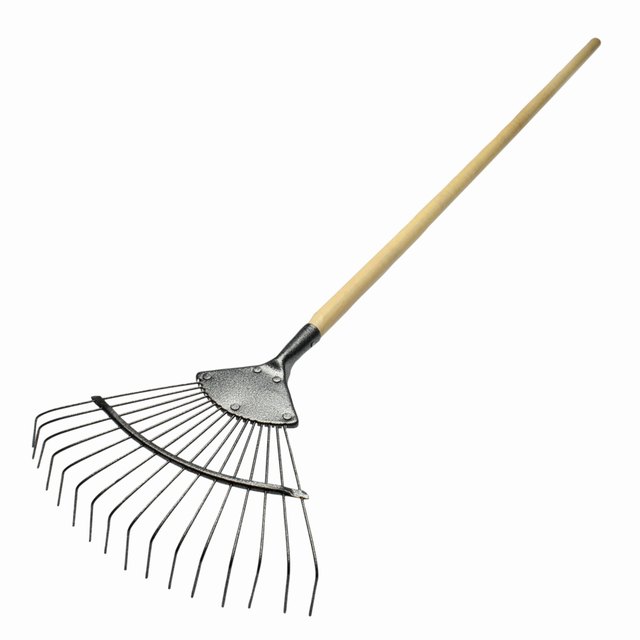
After spreading, lightly rake the seed into the top layer of soil. Do not bury it deeply. A shallow covering of about 1/8 to 1/4 inch is usually enough. Seed that sits completely exposed may dry out or wash away, while seed buried too deeply may struggle to emerge.
Once raked, press the seedbed gently with a lawn roller or by walking carefully over small areas. Good seed-to-soil contact improves germination. The seed should be tucked in, not buried like treasure.
Step 4: Water Gently and Consistently
Water immediately after planting. Use a gentle spray to avoid moving the seed. The top layer of soil should stay consistently moist during germination. This may require light watering once or twice a day in warm, dry weather. Avoid heavy watering that creates runoff.
Once seedlings appear and begin to grow, gradually water less often but more deeply. This encourages deeper roots. Constant shallow watering after establishment can create lazy roots that panic during dry spells.
Step 5: Keep Traffic Off the New Lawn
Limit foot traffic until the grass is well established. New seedlings are fragile, and walking across the area can compact soil, uproot young plants, and create uneven growth. Put up temporary string, signs, or lawn flags if needed. A simple “new grass” sign can save weeks of frustration, especially if delivery drivers, pets, or enthusiastic children treat the seedbed like a shortcut.
Can You Plant Carpet Grass with Sod, Plugs, or Sprigs?
Carpet grass can also spread vegetatively through stolons, plugs, or pieces of established turf, although seed is usually the easiest option for homeowners. Plugs may be useful for repairing bare areas or expanding carpet grass into a small problem spot. Space plugs evenly, press them firmly into moist soil, and keep them watered until they root and begin spreading.
Sod is less commonly available than seed, depending on your region. If you can buy carpet grass sod locally, installation is faster than seeding. Prepare the soil the same way, lay the sod tightly with staggered seams, roll it gently, and water deeply. Sod gives instant coverage, but it still needs time to root before regular use.
Early Care After Planting Carpet Grass
The first six to eight weeks after planting are critical. During this period, your job is simple: keep the soil moist, control weeds carefully, avoid heavy traffic, and resist the urge to fertilize like you are feeding a teenage football team.
Watering New Carpet Grass
During germination, keep the seedbed evenly moist. After the grass begins to fill in, shift toward deeper, less frequent watering. Established carpet grass likes moisture but does not need constant pampering in suitable climates. During dry spells, water when the lawn shows signs of stress, such as dull color, folded leaves, or footprints that remain visible.
First Mowing
Mow for the first time when the grass reaches about 2 1/2 to 3 inches tall. Set the mower around 2 inches and use a sharp blade. Never remove more than one-third of the leaf blade at a time. Scalping new carpet grass can weaken the young plants and invite weeds.
Once established, carpet grass is often maintained at about 1 to 2 inches, depending on local conditions and personal preference. Regular mowing is especially important in summer because seedheads can appear quickly and make the lawn look rough.
Fertilizing
Use fertilizer lightly. If your soil test recommends a starter fertilizer, apply it at planting according to the label and local recommendations. After establishment, carpet grass typically needs only modest annual feeding. Too much nitrogen can increase mowing, encourage thatch, and reduce the low-maintenance advantage that made you choose carpet grass in the first place.
Common Problems When Planting Carpet Grass
Poor Germination
Poor germination usually comes from planting too early, burying the seed too deeply, using old seed, allowing the seedbed to dry out, or letting heavy rain wash seed away. Plant in warm weather, use fresh seed, cover lightly, and keep moisture consistent.
Patchy Growth
Patchy growth often means the seed was spread unevenly or the soil surface was not prepared well. Thin areas can be reseeded once the first planting has had time to show results. Lightly rake the bare spots, add seed, press it into the soil, and water gently.
Weeds
Weeds are common in new lawns because the soil has been disturbed and sunlight reaches open ground. The best defense is a dense, healthy stand of carpet grass. Avoid using weed killers too early unless the product label specifically allows use on new carpet grass seedlings. When in doubt, hand-pull weeds in small areas until the lawn matures.
Seedheads
Carpet grass seedheads are normal, not a sign of disaster. They can appear throughout the growing season and may make the lawn look uneven. Regular mowing controls the appearance. If you want a perfectly smooth lawn with no seedheads, carpet grass may test your patience and your mower battery.
Long-Term Maintenance Tips
After establishment, carpet grass is relatively easy to manage. Mow regularly during active growth, water during extended dry periods, and fertilize only as needed. Avoid over-liming, over-fertilizing, and mowing too low. Keep the lawn dense, because dense turf naturally reduces weed pressure by shading the soil and leaving fewer open spaces for unwanted plants.
Aeration can help if the soil becomes compacted, especially in areas with foot traffic. Core aeration during active growth allows air and water to move into the root zone. If you aerate, do it when the grass is growing strongly so it can recover quickly.
of Practical Experience: What Planting Carpet Grass Teaches You
Planting carpet grass teaches a useful gardening lesson: the best lawn is not always the fanciest lawn. Many homeowners fight their yard for years because they choose grass based on appearance instead of site conditions. They plant a beautiful turfgrass that wants perfect drainage, full sun, and careful feeding, then wonder why it sulks in a shady, damp corner. Carpet grass succeeds because it asks a better question: “What actually grows here without drama?”
One practical experience many people notice is that carpet grass rewards preparation more than expensive products. A smooth seedbed, even seed distribution, and steady moisture matter more than fancy fertilizer. If you skip soil preparation, the lawn often comes in patchy. If you take an extra afternoon to remove weeds, rake the soil, and level low spots, the results look far more professional. That is not glamorous advice, but neither is pushing a spreader through mud while regretting your life choices.
Another lesson is patience. Carpet grass does not always deliver instant beauty. During establishment, the area may look thin, uneven, or suspiciously like nothing is happening. Keep watering lightly, protect the seedbed, and give the seedlings time. Once the stolons begin to creep, the lawn starts filling in. That spreading habit is one of carpet grass’s best features. Small gaps can close naturally if moisture and warmth are on your side.
Homeowners also learn quickly that mowing is part of the deal. Carpet grass is low-maintenance in terms of fertilizer and soil demands, but it is not “no-maintenance.” During warm months, seedheads can pop up fast. If you ignore mowing for too long, the lawn may look ragged, even when it is healthy. A regular mowing schedule keeps it neat and prevents the yard from looking like it is trying to become a meadow with opinions.
Water management is another real-world lesson. Carpet grass likes moisture, but new seed still needs gentle care. Heavy watering can move seed into low spots, leaving bare areas elsewhere. Light, frequent watering during germination works better. Later, deeper watering helps roots become stronger. The transition from babying the seed to training the lawn for resilience is important.
Finally, planting carpet grass reminds you to set realistic expectations. This is not the turf for people who want a deep emerald carpet that looks airbrushed from space. It is for homeowners with difficult yards who want dependable ground cover, fewer inputs, and less stress. In the right place, carpet grass is not a compromise; it is a smart match. The secret is not forcing your lawn to become something it is not. The secret is choosing a grass that already likes the conditions you have.
Conclusion
Planting carpet grass is a smart choice when your yard is warm, humid, moist, acidic, and not especially interested in supporting fussy turfgrass. Start with a soil test, plant in late spring or early summer, prepare a clean and level seedbed, spread seed evenly, cover it lightly, and keep the soil consistently moist until seedlings establish. After that, mow regularly, fertilize lightly, and let the grass do what it does best: spread, cover, and survive where other lawns complain.
Carpet grass will not turn your yard into a luxury resort fairway, but it can turn a difficult, soggy, low-fertility space into a practical green lawn. For many homeowners, that is not just good enough. That is exactly the point.
Note: This publish-ready article was written in original language and synthesized from practical U.S. turfgrass, horticulture, and extension-style lawn guidance without inserting source links.