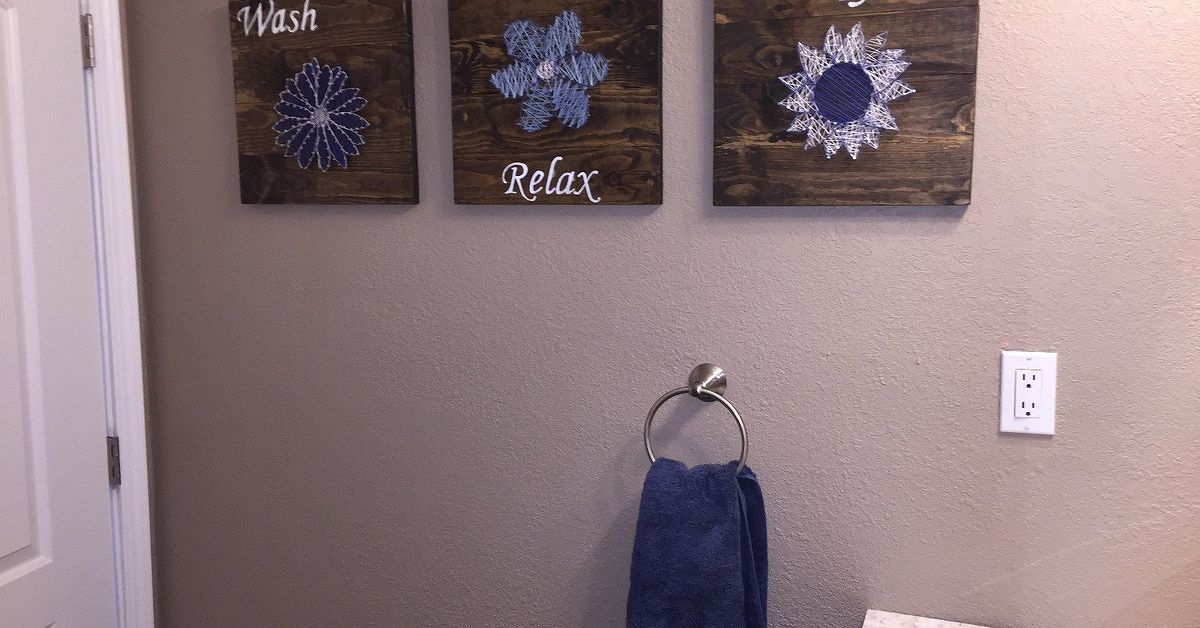
Empty walls have a special talent: they can make even a fully furnished room look as if it is still waiting for movers to arrive. You may have a sofa, a rug, a coffee table, and even a suspiciously fancy candle, but one blank wall can still shout, “This room has not made a decision yet.” Luckily, there is a charming, affordable, and surprisingly stylish solution hiding in plain sight: string.
Yes, string. Not just the thing that escapes your junk drawer and tangles around old batteries. String, yarn, twine, cord, rope, embroidery floss, macrame fiber, and cotton thread can all become eye-catching wall decor. With a few basic materials and a little patience, you can turn a bare wall into a handmade focal point that feels personal, textured, and warm.
String wall art is especially appealing because it can fit almost any interior style. It can look boho and relaxed, clean and geometric, rustic and farmhouse-inspired, colorful and playful, or modern and minimalist. Better yet, it does not require a fine-art degree, a giant budget, or the ability to pronounce “gallery curation” without sounding like you are ordering a sandwich.
Why String Works So Well for Empty Walls
String-based decor brings something that framed prints and posters sometimes lack: dimension. A flat print can be beautiful, but fiber art adds softness, shadow, movement, and texture. This matters because walls are not just visual surfaces. They affect how a room feels. A room filled only with hard furniture, glossy finishes, and blank paint can feel cold. Add woven yarn, knotted cord, or layered string, and suddenly the space feels more lived-in.
Another reason string works is flexibility. You can create a small piece for a narrow hallway, a wide wall hanging above a bed, a geometric string art board for an office, or a dramatic woven installation for a living room. You can also change the color palette easily. Neutral cotton cord creates a calm, organic look. Black string on a light background feels graphic and modern. Bright yarn turns a kid’s room or creative studio into a cheerful little explosion of “I have hobbies and I am not afraid to use them.”
String decor is also budget-friendly. Many projects require only a wooden dowel, branch, hoop, small nails, canvas, scrap wood, yarn, twine, scissors, and a hanging method. Compared with buying oversized art, this is a very friendly option for renters, first apartments, dorm rooms, home offices, and anyone who has ever looked at a giant framed print price tag and quietly backed away.
Popular Ways to Fill Walls Using String
1. Classic String Art on Wood
Classic string art uses nails or pins placed into a wood board, then string is wrapped between them to form a pattern. The design might be a heart, mountain range, flower, initials, moon phase, animal silhouette, state outline, or abstract geometric shape. This type of DIY string wall art has a clean structure, making it ideal for people who like projects with a beginning, middle, and satisfying final “ta-da.”
To make it, choose a piece of wood, sand it smooth, paint or stain it if desired, and lightly mark your design with a printed template. Hammer small nails along the outline, then remove the paper. Tie the string to one nail and begin wrapping across the pattern. You can follow a strict sequence for a polished look or move more freely for a sketchy, handmade effect. Secure the final knot tightly and trim the tail.
This project works well above desks, entry tables, bookshelves, and small accent walls. For a more sophisticated version, use a stained wood background with ivory cotton string, black thread, or metallic embroidery floss.
2. Yarn Wall Hangings
A yarn wall hanging is one of the easiest ways to cover a blank wall with softness and color. The simplest version uses strands of yarn tied onto a wooden dowel, branch, metal hoop, or copper pipe. Trim the ends into a V shape, curve, diagonal line, or layered fringe. Add beads, tassels, braided sections, or dip-dyed color for extra personality.
Yarn hangings are wonderful for bedrooms because they feel cozy without looking heavy. They also work in nurseries, reading corners, and living rooms where you want a relaxed, handmade look. If your room already has a lot of patterns, keep the yarn colors simple. If the room is neutral, this is your chance to add mustard, rust, sage, blush, navy, terracotta, or whatever color makes your inner decorator clap politely.
3. Macrame-Inspired Wall Decor
Macrame is made by knotting cord into decorative patterns. While full macrame designs can become advanced, beginner-friendly versions are very achievable. Start with basic knots such as square knots, half knots, and lark’s head knots. These can create diamonds, spirals, fringe, and layered panels.
A macrame wall hanging can fill the space above a bed, sofa, console table, or dining bench. It works especially well in bohemian, coastal, Scandinavian, and organic modern interiors. Use natural cotton rope for a relaxed look, or try dyed cord for a more contemporary piece.
4. String Photo Displays
String can also turn memories into wall decor. Hang a length of twine or cotton cord across the wall and clip photos, postcards, small prints, ticket stubs, dried flowers, or notes with mini clothespins. The result is casual, personal, and easy to update.
This is a smart option for renters and students because it can often be installed with small removable hooks. It also solves the problem of what to do with all those printed photos you ordered during a sudden burst of nostalgia and then stored in a drawer like tiny paper guilt.
5. Woven Wall Panels
Woven wall art uses yarn or cord passed over and under a simple loom. You can buy a small loom or make one using cardboard, a picture frame, or nails on scrap wood. Weaving allows you to mix colors, textures, and thicknesses. Combine chunky yarn, thin thread, wool roving, raffia, jute, ribbon, or fabric strips for a layered effect.
Woven panels look handmade in the best possible way. They bring craft, texture, and warmth to walls that feel too plain. A single woven piece can act as an accent, while several small woven panels grouped together can create a gallery wall with more texture than traditional framed art.
How to Choose the Right String for Wall Decor
The word “string” covers a lot of materials, and choosing the right one affects the final style. Cotton cord is soft, natural, and excellent for macrame. Jute and twine feel rustic and casual. Embroidery floss gives detailed string art a clean, colorful finish. Wool yarn adds warmth and volume. Nylon cord can look sleek but may feel less cozy. Rope makes a stronger visual statement and works well for oversized wall hangings.
For a minimalist home, choose one or two neutral tones and focus on clean shapes. For farmhouse or rustic style, use jute, twine, reclaimed wood, and warm neutrals. For boho decor, mix cotton cord, fringe, beads, tassels, and earthy colors. For a modern office, try black string on pale wood or white string on a dark board. For kids’ spaces, choose bright yarn and simple shapes such as rainbows, stars, animals, initials, or clouds.
Planning the Design Before You Start
Before you start cutting string like a craft-store tornado, take a few minutes to plan. Look at the wall from across the room. Is it tall and narrow? Wide and empty? Above furniture? Near a window? The size and location should guide the project.
For artwork above a sofa, bed, or console, the piece should feel proportional to the furniture beneath it. A tiny string art heart floating alone above a king-size bed may look less like a design choice and more like it got lost on the way to a greeting card. For large walls, consider one oversized wall hanging or a group of related pieces.
Color matters too. Pull colors from your rug, pillows, bedding, curtains, or artwork already in the room. This helps the string decor feel intentional instead of random. You do not need everything to match perfectly. In fact, slight variation makes the room more interesting. Aim for harmony, not “I bought the entire room in one afternoon.”
Step-by-Step: A Simple String Wall Hanging
Materials You Need
For a beginner-friendly wall hanging, gather a wooden dowel or smooth branch, yarn or cotton cord, scissors, measuring tape, painter’s tape, and a hook or nail for hanging. Optional materials include beads, fabric scraps, tassels, dye, and a comb for fringing the ends.
Instructions
First, decide how wide you want the finished piece to be. Cut your dowel or choose a branch that fits the wall. Next, cut multiple strands of yarn or cord. Each strand should be about twice the finished length because it will fold over the dowel.
Attach each strand using a lark’s head knot: fold the strand in half, place the loop over the dowel, pull the ends through the loop, and tighten. Repeat until the dowel is full enough. You can keep the strands close together for a dense look or space them out for something lighter.
Once all strands are attached, trim the bottom. A straight line feels modern. A V shape creates drama. A soft curve looks relaxed. If you want texture, braid a few sections or add tassels. Tie another piece of cord to both ends of the dowel for hanging. Then step back, admire your creation, and resist the urge to explain every knot to guests unless they specifically ask. They will ask. Handmade decor has that effect.
Step-by-Step: Beginner String Art Board
Materials You Need
You will need a wood board, small nails, hammer, printed template, tape, pencil, string or embroidery floss, scissors, and picture-hanging hardware. Choose a board thick enough to hold nails securely without poking through the back.
Instructions
Print or draw a simple outline, such as a star, leaf, mountain, letter, or heart. Tape it onto the board. Hammer nails around the outline, spacing them evenly. Smaller spacing creates smoother curves; wider spacing creates a more angular look. Remove the template carefully.
Tie your string to one nail and begin wrapping. Outline the shape first, then crisscross through the center. Keep gentle tension on the string so it stays neat, but do not pull so hard that nails bend. When the design feels full, tie off the string, trim the end, and add hanging hardware to the back.
How to Hang String Decor Safely
String decor is often lightweight, but the backing may not be. A yarn hanging on a dowel may need only a small nail or removable hook. A string art board made from wood may need stronger hardware. Always consider the total weight of the finished piece, not just the string.
For drywall, lightweight items may work with small nails, picture hooks, or adhesive strips. Medium and heavier items often need wall anchors or screws into studs. For plaster, pre-drilling helps reduce cracking. For brick or masonry, use hardware designed for hard surfaces. If you are renting, check your lease and choose the least damaging reliable option. Removable strips can be useful for lightweight pieces on smooth walls, but avoid using them for heavy, fragile, valuable, or irreplaceable items.
A good general rule for wall art placement is to hang the center of the piece near eye level, often around 57 inches from the floor. When hanging above furniture, leave enough breathing room so the art feels connected to the furniture without looking glued to it. Use painter’s tape to mark the size on the wall before committing. Painter’s tape is the polite friend who tells you when your art is too high before you make holes.
Design Ideas for Different Rooms
Living Room
In the living room, use string decor to create a focal point above the sofa, fireplace, or media console. A large macrame piece, oversized yarn hanging, or trio of string art boards can soften a room full of hard surfaces. If your living room is neutral, use texture instead of loud color. Cream cotton cord, natural wood, and layered fringe can make the wall interesting without overwhelming the space.
Bedroom
Above the bed, string wall decor can act almost like a soft headboard. Choose calming colors such as ivory, beige, gray, dusty blue, sage, or blush. Avoid pieces that are too heavy or difficult to secure above sleeping areas. Lightweight fiber art is usually a better choice than a heavy wood board in this spot.
Home Office
A home office benefits from clean, motivating design. Try geometric string art, a simple woven panel, or a string photo display with inspirational cards and small prints. Keep the design tidy so it energizes the room instead of creating visual clutter. Your wall should say “creative professional,” not “craft supplies staged a coup.”
Kids’ Rooms
String decor is excellent for children’s rooms because it can be colorful, playful, and personalized. Make initials, rainbows, clouds, stars, animals, or name signs. Keep safety in mind: hang decor securely, avoid long loose cords near cribs or toddler beds, and place delicate pieces out of reach.
Entryway
An entryway is a perfect place for a small handmade statement. Try a compact macrame piece, a string-wrapped hoop, or a twine photo display with family snapshots. It gives guests an immediate sense of warmth and personality before they even ask where to put their shoes.
Common Mistakes to Avoid
The first mistake is making the art too small. Empty walls often need scale. If your piece looks lonely, add companion pieces, widen the hanging, or layer it with nearby shelves, plants, mirrors, or framed prints.
The second mistake is using too many colors without a plan. A colorful wall hanging can be beautiful, but random colors can quickly look chaotic. Choose a palette before you start. Three to five colors are usually enough for a balanced design.
The third mistake is ignoring texture. If all the string is the same thickness, the piece may feel flat. Mix thin cord with chunky yarn, smooth cotton with rough jute, or braided sections with loose fringe.
The fourth mistake is poor hanging hardware. Even lightweight projects deserve proper support. Test the weight, choose suitable hardware, and make sure the piece is level. Crooked wall art has a way of becoming the only thing anyone can see. It will haunt the room quietly.
Budget-Friendly Ways to Make It Look Expensive
String wall art does not have to look homemade in the “school project with snacks nearby” sense. A few small upgrades can make it feel polished. Use a limited color palette. Trim fringe carefully. Choose a beautiful wood dowel, branch, or metal rod. Steam or gently comb yarn so it hangs neatly. Add negative space so the design can breathe. Mount string art on stained or painted wood instead of raw scrap if you want a refined finish.
Also pay attention to repetition. A set of three small pieces in related colors often looks more intentional than one random piece. Repeating knots, lines, or shapes gives the design rhythm. In interior design, rhythm is what makes decor feel collected rather than accidentally assembled during a power outage.
Sustainable and Sentimental String Wall Ideas
String decor can also be meaningful. Use leftover yarn from a family knitting project, twine from gift wrapping, fabric strips from old clothing, or cord in colors connected to a special memory. You can turn travel souvenirs, handwritten notes, old keys, postcards, or small keepsakes into a memento wall by connecting them with string or clipping them along a cord.
This approach makes empty walls feel personal. Instead of buying generic art just to fill space, you create something tied to your own life. That is what makes a home memorable. A perfect showroom may be pretty, but a home with stories has soul.
Extra Experiences: What It Is Really Like to Fill Empty Walls Using String
The first time you make string wall decor, you may expect it to be quick. Sometimes it is. Sometimes you discover that string has opinions. It twists, frays, tangles, and occasionally forms knots that appear to have been designed by a tiny engineer with a grudge. The good news is that this is part of the process. Handmade decor is not supposed to look machine-perfect. The little irregularities are what give it charm.
One practical experience: always cut more string than you think you need. Short strands are frustrating because once they are too short, they are simply too short. There is no motivational speech that can make a six-inch piece of yarn become a dramatic wall hanging. For yarn hangings and macrame pieces, extra length gives you room to knot, trim, and adjust the final shape.
Another lesson is to test your colors in the actual room. Yarn that looks warm beige at the store may look yellow under your lighting. Gray can turn blue. White can look stark against cream walls. Before making a large piece, hold the string against the wall during the day and at night. Lighting changes everything, including your confidence.
If you are making nail-and-string art, start with a simple template. A heart, star, leaf, mountain, or initial is better for beginners than a detailed portrait of your dog, unless your dog has an unusually geometric face. Curves require closer nail spacing, while straight designs are more forgiving. Keep the hammer taps gentle and steady. If a nail leans, straighten it early before the string tension exaggerates the problem.
For renters, lightweight wall hangings are often the least stressful option. A yarn piece on a dowel can usually be hung with a small hook, and it is easy to move. Heavy wood string art looks great, but it requires more careful mounting. If you love rearranging decor often, create pieces that are easy to shift around. Your future self, holding a container of spackle at 11 p.m., will appreciate this kindness.
One of the best experiences with string wall decor is how quickly it changes the mood of a room. A blank wall can make a space feel unfinished. Add a textured hanging, and suddenly the room has a focal point. Add a photo string with small clips, and the wall becomes personal. Add geometric string art, and the room feels more designed. It is a small change with a surprisingly big emotional payoff.
String projects are also excellent for slow decorating. You do not need to finish the whole wall in one day. Start with one piece, live with it, and then add more if the space needs balance. Maybe a macrame hanging becomes the anchor. Then you add a small shelf, a plant, or two framed prints nearby. The wall grows naturally instead of looking like you panic-bought decor because guests were coming over.
Finally, string wall decor teaches a useful design lesson: texture is powerful. Many people try to fix empty walls with color alone, but texture can do just as much. A cream wall hanging on a cream wall can still look beautiful because the shadows, knots, and fibers add depth. That is the magic of string. It is humble, inexpensive, and easy to overlook, yet it can make a room feel warmer, more creative, and more complete.
Conclusion
Filling empty walls using string is one of the simplest ways to add personality, warmth, and handmade style to your home. Whether you choose classic string art, yarn wall hangings, macrame, woven panels, or photo displays, string gives you endless room to create. It is affordable, flexible, renter-friendly when installed thoughtfully, and suitable for nearly every room.
The key is to plan the size, choose the right material, match the style to your room, and hang the finished piece securely. Start small if you are new to DIY wall decor, then build confidence with larger or more detailed projects. Your empty walls do not need to stay empty, and your budget does not need to faint dramatically. With string, creativity, and a little patience, you can turn a plain wall into a conversation piece that feels completely your own.
Editorial note: This article was created as an original, source-informed home decor guide based on practical DIY, wall-hanging, renter-friendly, and interior styling principles. No visible source links were inserted, as requested.