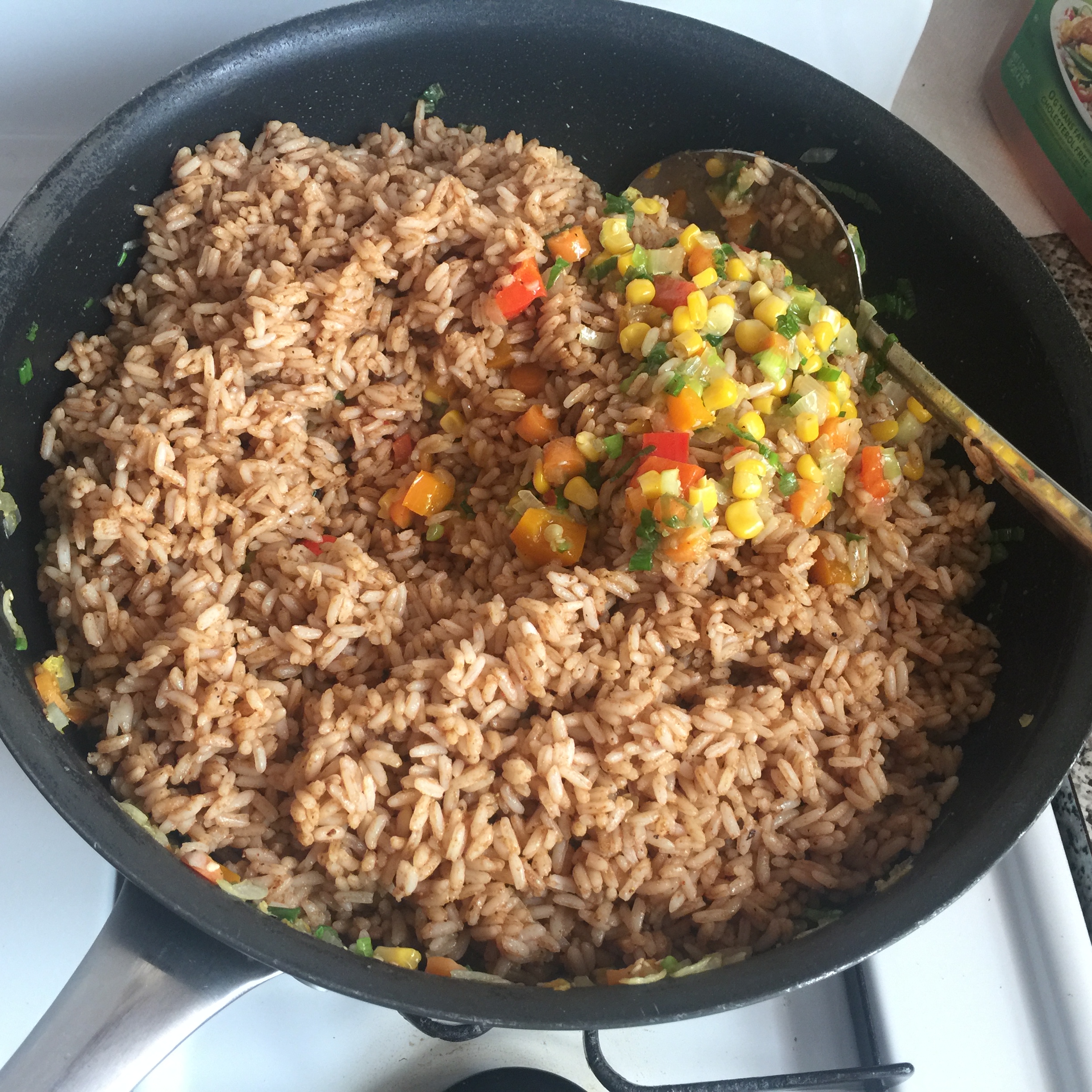
Guyanese fried rice is the kind of dish that makes a regular weeknight dinner feel like someone secretly invited the whole neighborhood over. It is colorful, fragrant, savory, slightly smoky, and loaded with crisp-tender vegetables. It has Chinese cooking roots, Caribbean personality, and that practical Guyanese kitchen wisdom that says, “Yes, we can turn leftover rice into a main event.”
Unlike plain fried rice that leans only on soy sauce and scrambled eggs, Guyanese-style fried rice often brings in ingredients like bora, also called Chinese long beans, cabbage, carrots, scallions, bell pepper, garlic, onion, soy sauce, and Chinese five spice. Some versions include chicken, shrimp, eggs, mixed vegetables, or even a little pepper sauce on the side for the brave souls who believe mild food is a missed opportunity.
This guide shows you how to make Guyanese fried rice in 9 steps, with practical tips for fluffy rice, bold flavor, and vegetables that stay bright instead of turning into sad confetti. Whether you are cooking for Sunday lunch, meal prep, a potluck, or a “there is rice in the fridge and I am not wasting it” situation, this recipe will help you make a big, beautiful pan of fried rice that tastes homemade in the best possible way.
What Makes Guyanese Fried Rice Different?
Guyanese fried rice is part of Guyana’s wonderfully mixed food culture, where African, Indian, Indigenous, Portuguese, British, Chinese, and Caribbean influences meet at the table and somehow get along better than most family group chats. The Chinese influence is especially clear in dishes like fried rice and chow mein, but the Guyanese version has its own rhythm.
The rice is usually loose and well-seasoned, not sticky or wet. The vegetables are not just decoration; they bring crunch, sweetness, color, and freshness. Five spice adds warmth and depth. Soy sauce brings salt and umami. Scallions wake everything up at the end. The best versions taste balanced: savory but not salty, colorful but not chaotic, and hearty enough to stand alone or sit proudly next to baked chicken, pepper shrimp, fried fish, or a simple cucumber salad.
Ingredients for Guyanese Fried Rice
This recipe serves about 4 to 6 people, depending on appetite and whether someone at the table believes “just one more spoon” does not count as a second serving.
Main Ingredients
- 4 cups cooked jasmine rice, chilled overnight if possible
- 2 tablespoons neutral oil, such as canola, avocado, or vegetable oil
- 2 eggs, lightly beaten
- 1 small onion, finely diced
- 3 cloves garlic, minced
- 1/2 cup diced carrots
- 1/2 cup chopped bora or green beans
- 1 cup finely sliced cabbage
- 1/2 cup diced bell pepper, red or green
- 1/2 cup sweet corn or peas, optional
- 2 to 3 tablespoons light soy sauce
- 1 teaspoon Chinese five spice
- 1/2 teaspoon ground ginger, optional
- 1/2 teaspoon black pepper
- Salt, to taste
- 3 scallions, thinly sliced
Optional Protein Add-Ins
- 1 cup cooked shredded chicken
- 1 cup small cooked shrimp
- 1 cup diced ham or Chinese-style roast pork
- 1 cup firm tofu, pan-fried until golden
Protein is optional, but it makes the dish more filling. If you are using cooked chicken, season it lightly before adding it so it does not taste like it wandered into the pan by accident.
How to Make Guyanese Fried Rice: 9 Steps
Step 1: Cook and Chill the Rice
The best fried rice starts before the frying even begins. Use cooked jasmine rice that has been cooled and refrigerated for several hours or overnight. Chilled rice dries out slightly, which helps the grains separate in the pan. Freshly cooked hot rice is soft and steamy, and when it hits the wok it can turn into clumps. Delicious clumps? Maybe. Proper fried rice? Not quite.
If you forgot to cook rice the day before, do not panic. Cook the rice, spread it on a large tray, and let it cool uncovered. Then place it in the refrigerator until firm. Before stir-frying, break up any lumps with clean hands or a fork. Each grain should be ready to mingle, not move through life attached to a rice buddy.
Step 2: Prepare Every Ingredient Before Heating the Pan
Fried rice moves fast. Once the pan is hot, there is no time to start looking for soy sauce, chopping cabbage, or asking the garlic where it went. Dice the onion, mince the garlic, chop the carrots, slice the bora or green beans, shred the cabbage, and beat the eggs before you begin.
This step is especially important for Guyanese fried rice because the vegetables should stay slightly crisp. If you pause too long between additions, the first vegetables may overcook while the rice waits sadly on the counter. Set everything near the stove in small bowls or piles. Professional chefs call this mise en place. Home cooks call it “not panicking.”
Step 3: Scramble the Eggs First
Heat a large wok, cast-iron skillet, or wide nonstick pan over medium-high heat. Add a little oil, pour in the beaten eggs, and scramble them until just set. Remove the eggs from the pan and set them aside.
Cooking the eggs separately keeps them soft and golden instead of overcooked and rubbery. You can chop them into small pieces with your spatula later. If you prefer thin ribbons of egg, cook the eggs like a flat omelet, roll it up, slice it, and add it back near the end. Either way, eggs give the rice richness and make the final dish feel complete.
Step 4: Stir-Fry the Aromatics
Add the remaining oil to the pan. When it shimmers, add the diced onion and cook for about 1 minute. Add the garlic and stir for 20 to 30 seconds, just until fragrant. Do not let the garlic burn. Burnt garlic has the personality of a bad email: bitter, unnecessary, and hard to forget.
At this stage, you are building the flavor base. Onion adds sweetness, garlic adds depth, and the hot oil helps carry those flavors through the rice. If you like gentle heat, you can add a small amount of finely chopped hot pepper here, but keep it light unless everyone at the table signed the spicy-food waiver.
Step 5: Add the Firm Vegetables First
Add the carrots and bora or green beans. Stir-fry for 2 to 3 minutes, keeping the vegetables moving. These ingredients need a little more time than cabbage or scallions, so they go in first. They should soften slightly but still keep their snap.
Bora is especially common in Caribbean and Guyanese cooking, but green beans work well if bora is hard to find. Carrots add color and gentle sweetness. Together, they create that classic bright look people expect from Caribbean fried rice.
Step 6: Add the Cabbage, Bell Pepper, and Optional Vegetables
Add the cabbage, bell pepper, peas, or corn. Stir-fry for another 1 to 2 minutes. The goal is not to cook the vegetables until they surrender. You want them crisp-tender, colorful, and lively.
Cabbage is a quiet hero in Guyanese fried rice. It stretches the dish, adds crunch, and absorbs seasoning beautifully. Bell pepper adds sweetness and color. Corn or peas are optional, but they make the rice look cheerful, which is useful when dinner needs to say, “I tried,” even if the day did not.
Step 7: Add the Rice and Seasonings
Increase the heat to high. Add the chilled rice to the pan and spread it out. Let it sit for about 20 seconds before stirring so some grains can lightly toast. Then stir-fry, breaking up any remaining clumps.
Sprinkle in the Chinese five spice, black pepper, and ground ginger if using. Add the soy sauce around the edge of the pan instead of dumping it all in the center. This helps the sauce hit the hot surface, bloom its aroma, and coat the rice more evenly. Start with 2 tablespoons of soy sauce, taste later, and add more if needed. It is much easier to add salt than to remove it, unless you have invented a tiny salt vacuum, in which case please call the culinary authorities.
Step 8: Return the Eggs and Add Protein
Add the scrambled eggs back to the pan. If using cooked chicken, shrimp, tofu, ham, or pork, add it now as well. Stir-fry until everything is hot and evenly mixed.
For chicken Guyanese fried rice, shredded chicken works beautifully because it spreads throughout the dish. For shrimp fried rice, use small cooked shrimp and add them near the end so they do not become tough. If you are making a vegetarian version, tofu or extra eggs can make the rice satisfying without meat.
Step 9: Finish with Scallions and Taste Before Serving
Turn off the heat and fold in the sliced scallions. Taste the rice and adjust with a little more soy sauce, salt, black pepper, or five spice if needed. Serve hot, ideally right away, while the rice is fluffy and the vegetables still have some bite.
For a full Guyanese-inspired meal, serve this fried rice with baked chicken, fried fish, pepper shrimp, cucumber salad, or a simple side of sliced tomatoes. A small spoon of pepper sauce on the side is also welcome, as long as it does not bully the rest of the plate.
Tips for the Best Guyanese Fried Rice
Use the Right Rice
Jasmine rice is a great choice because it is fragrant and cooks into separate grains when handled properly. Long-grain white rice also works well. Avoid short-grain rice for this recipe because it tends to be stickier, which can make fried rice heavy.
Keep the Heat High
High heat helps the rice fry instead of steam. A wok is excellent, but a large skillet can do the job if you do not overcrowd it. If your pan is small, cook the rice in batches. Overcrowding traps moisture, and moisture is the enemy of that lightly toasted fried rice texture.
Do Not Overdo the Soy Sauce
Guyanese fried rice should be seasoned, not drowned. Too much soy sauce can make the rice dark, salty, and wet. Light soy sauce is usually better than dark soy sauce here because it seasons without overpowering the color.
Five Spice Is Small but Mighty
Chinese five spice gives Caribbean fried rice its warm, familiar background note. Use it carefully. Too little and you miss the magic; too much and the dish starts tasting like it borrowed perfume from a spice cabinet. One teaspoon for 4 cups of cooked rice is a good starting point.
Common Mistakes to Avoid
The biggest mistake is using hot, freshly cooked rice. The second biggest mistake is cooking the vegetables too long. The third is adding too much sauce too quickly. A good pan of Guyanese fried rice should be dry enough that the grains separate, moist enough to taste flavorful, and colorful enough to look like it came dressed for a family gathering.
Another mistake is under-seasoning the protein. If you add plain boiled chicken, the rice may taste good but the chicken will taste like it missed the meeting. Toss cooked chicken with a little soy sauce, garlic, black pepper, and five spice before adding it. Small details make the difference between “nice rice” and “who made this?” rice.
Easy Variations
Chicken Guyanese Fried Rice
Add 1 cup of cooked shredded chicken. For more flavor, season the chicken with garlic, soy sauce, black pepper, and a pinch of five spice before adding it to the pan.
Shrimp Guyanese Fried Rice
Add cooked shrimp during the final few minutes. Finish with extra scallions and a squeeze of lime for brightness.
Vegetarian Guyanese Fried Rice
Skip the meat and use extra vegetables, tofu, or more egg. Mushrooms are also excellent because they bring savory depth.
Spicy Fried Rice
Add finely chopped hot pepper to the aromatics or serve pepper sauce on the side. Start small. You can always add more heat, but you cannot politely ask a Scotch bonnet to calm down after it has entered the chat.
Experience Notes: Making Guyanese Fried Rice at Home
The first thing you learn when making Guyanese fried rice is that the rice has opinions. If it is too fresh, too wet, or too clumpy, it will tell on you immediately. The pan starts steaming, the grains stick together, and suddenly you are not making fried rice anymore; you are negotiating with a rice situation. That is why chilling the rice is not a fancy chef trick. It is the foundation of the whole dish.
Another experience worth remembering is that Guyanese fried rice rewards preparation. When every ingredient is chopped before the pan heats up, cooking feels easy and fun. You toss in onion, garlic, vegetables, rice, seasoning, egg, and scallions, and the dish comes together like it has been practicing. But if you try to chop carrots while garlic is already in hot oil, the kitchen becomes a cooking show where the contestant is losing.
Texture is also a big part of the experience. The best bite has soft rice, crisp cabbage, sweet carrot, tender egg, and a little aromatic warmth from five spice. That contrast is what makes the dish exciting. If everything is soft, the rice feels flat. If everything is undercooked, it feels rushed. Aim for the middle: vegetables that are cooked but still awake.
One helpful home-cooking habit is to season in layers. Add aromatics early, spices with the rice, soy sauce gradually, and scallions at the end. This creates a more balanced flavor than dumping everything in at once. You should taste before serving because soy sauce brands vary, rice absorbs seasoning differently, and vegetables can dilute the flavor. The spoon knows the truth.
Guyanese fried rice is also a wonderful leftover dish, but it should be reheated properly. A hot skillet with a tiny splash of oil brings back the texture better than a microwave. Stir the rice until steaming hot, then add fresh scallions if you have them. The second-day version can be so good that you may start cooking extra rice on purpose. This is not a problem. This is growth.
For gatherings, Guyanese fried rice is especially useful because it scales well. You can make a big tray, keep it warm, and serve it with several mains. It is familiar enough for picky eaters but flavorful enough for people who came hungry and serious. It also looks beautiful on a table, with green scallions, orange carrots, pale cabbage, golden egg, and glossy rice. Food should taste good, yes, but it never hurts when it shows up looking confident.
Conclusion
Learning how to make Guyanese fried rice is really about mastering a few simple habits: use chilled rice, prep before cooking, fry over high heat, season carefully, and keep the vegetables crisp. Once you understand the method, the recipe becomes flexible. You can make it with egg, chicken, shrimp, tofu, or a fridge-cleanout vegetable mix that somehow turns into dinner magic.
This 9-step Guyanese fried rice recipe gives you a flavorful base that is easy to customize and hard not to love. It is colorful, practical, budget-friendly, and big enough to feed a family without requiring a culinary degree or a dramatic speech over the stove. Make it once, and you may never look at leftover rice the same way again.
Note: This article is written for web publication in standard American English and is based on real Guyanese and Caribbean fried rice cooking practices, rewritten in an original, reader-friendly style.