For a long time, walking into a gym felt less like entering a health space and more like auditioning for a protein powder commercial. Mirrors everywhere. Music loud enough to rearrange your organs. Machines that looked as if they were designed by someone who lost a bet with a medieval blacksmith. And somewhere near the squat rack, a guy named Chad grunting like he was personally moving the Earth back into orbit.
But fitness culture is changing. Across the United States, inclusive, niche gyms are on the rise, and they are rewriting what it means to “belong” in a workout space. These gyms are designed for people who have often felt ignored, judged, unsafe, or simply unseen in traditional fitness environments: LGBTQ+ members, women, people of color, Muslim women, disabled athletes, older adults, beginners, people in larger bodies, neurodivergent clients, and anyone who has ever looked at a gym floor and thought, “Absolutely not today, Satan.”
The shift is not just about nicer slogans on the wall. It is about safety, identity, accessibility, community, and smarter business. As more Americans return to gyms, studios, and wellness centers, many are not asking only, “Where can I burn calories?” They are asking, “Where can I move without shrinking myself first?”
What Are Inclusive, Niche Gyms?
Inclusive, niche gyms are fitness spaces built around specific communities, training needs, or shared values. Some focus on queer and trans fitness. Others center women, older adults, adaptive athletes, people with disabilities, people recovering from trauma, larger-bodied clients, religious communities, or beginners who would rather wrestle a raccoon than be yelled at during burpees.
A niche gym may offer boxing for queer and trans clients, women-only strength training, adaptive personal training, small-group workouts for older adults, culturally sensitive programming for Muslim women, or body-positive dance classes where the only “summer body” required is the one you use to survive summer.
The best inclusive gyms do not simply say “everyone is welcome.” They prove it through design, staffing, policies, pricing, language, and programming. That may mean gender-neutral changing spaces, sliding-scale memberships, instructors trained in trauma-informed coaching, larger equipment options, fragrance-free classes, quiet sessions, multilingual communication, or workouts that offer modifications without making anyone feel like the “before” photo.
Why Traditional Gyms Have Left So Many People Out
The traditional gym model often assumes a very narrow user: able-bodied, confident, young-ish, comfortable in public fitness spaces, and already familiar with equipment. That leaves out a massive number of people. The Centers for Disease Control and Prevention has reported that more than one in four U.S. adults live with some type of disability. Meanwhile, major health organizations continue to recommend regular aerobic activity and muscle-strengthening exercise for adults, which makes access to supportive fitness environments more than a lifestyle perk. It is a public health issue.
Traditional gyms can also be socially intimidating. For some women, weight rooms feel like unofficial men’s clubs with dumbbells. For trans and nonbinary people, locker rooms may bring stress before the workout even starts. For people in larger bodies, the fear of being stared at, photographed, or “motivated” by strangers can make the treadmill feel like a stage. For beginners, fitness jargon can sound like a foreign language spoken exclusively by people wearing compression leggings.
Inclusive fitness spaces respond to those barriers directly. They understand that a person’s first challenge is not always the workout. Sometimes it is the door.
The Fitness Industry Is Moving Toward Personalization
The rise of inclusive gyms fits into a bigger fitness industry trend: personalization. Modern gym-goers increasingly want programs that match their bodies, goals, schedules, identities, and emotional needs. Wearable technology, mobile fitness apps, data-driven training, functional fitness, older-adult programming, strength training, and mental health-focused exercise have all become major parts of the conversation.
In other words, the industry is learning what many beginners already knew: one-size-fits-all fitness usually fits the loudest person in the room and nobody else.
Health and fitness facilities are also growing again. Industry reporting shows rising membership, more visits, and renewed demand for gyms and studios as places where people manage stress, health, and social connection. Boutique fitness studios and wellness centers are expanding in many cities, often taking over retail spaces once reserved for shops. That growth creates room for smaller, more specialized concepts to survive and thrive.
Community Is the Secret Ingredient
People may join a gym for strength, mobility, endurance, or a vague hope that their jeans will stop acting like a hostile negotiation. But they often stay because of community.
Inclusive gyms understand this deeply. A queer boxing class is not just boxing. It is also a place where members do not have to explain their pronouns, their bodies, or why Pride Month playlists should not consist of one Lady Gaga song on repeat. A women-centered lifting studio is not just about deadlifts. It may also be the first place a member touches a barbell without feeling watched, corrected, or underestimated. An adaptive fitness program is not simply a modified workout. It can be a rare environment where disability is not treated as an inconvenience but as part of normal human variety.
That sense of belonging matters because consistency is the boring magic of fitness. The best workout is not the one that looks most dramatic on Instagram. It is the one a person can return to without dread. Inclusive gyms reduce the emotional friction that keeps people away, and that can make healthy routines more sustainable.
Examples of Inclusive Gym Models
Queer and Trans-Affirming Fitness Spaces
Queer and trans-focused gyms and classes have grown because many LGBTQ+ people have experienced traditional gyms as uncomfortable or unsafe. Some spaces use pronoun sharing, gender-neutral facilities, trans-informed coaching, and programming that recognizes how complicated body image, dysphoria, surgery recovery, and public movement can be.
Gyms and trainers serving queer and trans communities often emphasize strength as a form of self-trust rather than performance. The goal is not to force every person into the same aesthetic ideal. The goal is to help members feel present, capable, and powerful in their own bodies. That is a much healthier message than “earn your pizza,” a phrase that should be retired immediately and possibly sent to live on a farm with other bad fitness slogans.
Women-Centered Strength Studios
Women-only and women-centered gyms are also gaining attention. Many women want a space where they can lift heavy, learn proper form, ask questions, and train without unwanted attention. These studios often challenge old myths that strength training is “too masculine” or that women should stick to tiny pink dumbbells that weigh about as much as a sandwich.
Strength training is increasingly popular among women because it supports confidence, bone health, muscle mass, mobility, and long-term function. A supportive environment can make the difference between someone trying strength training once and someone building a lifelong routine.
Adaptive Fitness and Disability-Inclusive Training
Adaptive fitness spaces serve people with physical, cognitive, sensory, developmental, or neurological disabilities. These gyms may offer individualized assessments, modified equipment, slower class pacing, caregiver collaboration, and coaches trained to meet clients where they are.
That last phrase matters: meet clients where they are. Not where a generic workout app thinks they should be. Not where a trainer’s ego wants them to be. Where they actually are today.
For many disabled athletes and clients, inclusive gyms provide both movement and social connection. A class designed for varied abilities can create confidence and joy, especially for people who have been told, directly or indirectly, that fitness was not “for them.”
Culturally Specific and Faith-Aware Gyms
Some niche gyms support women of color, immigrant communities, Muslim women, or other groups who may face cultural, religious, or racial barriers in mainstream fitness spaces. This can include women-only classes, privacy-conscious layouts, respectful dress policies, anti-racism training, and instructors who understand the community they serve.
For Muslim women who wear hijab, for example, a supportive gym can offer comfort, privacy, and freedom from judgment. For people of color, culturally aware studios can counter the alienation that sometimes exists in boutique fitness spaces with high prices, narrow beauty standards, and staff who may not reflect the surrounding community.
What Makes a Gym Truly Inclusive?
Inclusivity is not a rainbow sticker, a stock photo, or one annual social media post that says “we celebrate diversity” in a font that looks suspiciously like it came free with a wellness template. Real inclusion is operational. It shows up in the daily details.
1. Staff Training
Coaches should understand inclusive language, modifications, trauma-informed instruction, disability awareness, anti-harassment policies, and how to support clients without making them feel singled out. A trainer does not need to know everything, but they should know how to listen without turning a client’s needs into a TED Talk.
2. Accessible Design
Accessibility includes ramps, wide pathways, usable restrooms, seating, clear signage, adaptive equipment, and layouts that allow people with mobility aids to navigate with dignity. It also includes sensory accessibility, such as quieter classes, predictable routines, and lighting that does not make the studio feel like a nightclub inside a blender.
3. Flexible Programming
Good inclusive programming offers options. Members should be able to modify exercises without being framed as less committed. A push-up from the wall, a chair-supported squat, a low-impact cardio interval, or a slower tempo can still be excellent training.
4. Community Accountability
Inclusive gyms must enforce standards. That means clear policies against harassment, body shaming, racism, transphobia, homophobia, ableism, and creepy behavior near the cable machines. A code of conduct is only useful if management actually acts on it.
5. Price Awareness
Boutique fitness can be expensive. Some inclusive gyms use sliding-scale pricing, community classes, scholarships, nonprofit models, or lower-cost group training to reduce financial barriers. Accessibility is not complete if only people with luxury wellness budgets can participate.
Why Niche Does Not Mean Small
The word “niche” can sound tiny, like a candle shop that sells only scents inspired by Victorian ghosts. But niche gyms can have broad appeal because people increasingly want fitness spaces that understand them. A gym built for beginners may attract older adults, people recovering from injury, and anyone tired of competitive fitness culture. A queer-friendly gym may welcome allies, neighbors, and people who simply prefer a respectful environment. A women-centered strength studio may serve everyone from college students to retirees.
In fitness, niche often means specific, and specific can be powerful. When a gym clearly states who it serves and how it serves them, people can decide more quickly whether they feel safe showing up. That clarity is refreshing in an industry that has spent decades selling transformation without always asking who gets excluded along the way.
The Business Case for Inclusive Fitness
Inclusive gyms are not just morally compelling; they are smart business. Fitness retention depends on comfort, connection, results, and routine. When members feel seen, they return. When they return, they build relationships. When they build relationships, the gym becomes more than a room with kettlebells. It becomes part of their life.
Community also creates organic marketing. People talk about places where they feel safe. They bring friends. They post milestones. They recommend coaches. They forgive small inconveniences because the emotional value is high. A gym with genuine belonging does not have to compete only on price or equipment count. It competes on trust.
That does not mean every gym should suddenly rebrand as a niche studio. But every gym can learn from inclusive spaces. Big-box gyms, boutique studios, corporate wellness programs, and community centers can all ask better questions: Who feels uncomfortable here? Who is missing from our membership? Who is on our staff? Do our policies protect people in real life, or only in the employee handbook?
Challenges Inclusive Gyms Still Face
The rise of inclusive gyms is exciting, but it is not perfect. Some spaces struggle with funding, rent, staffing, or burnout. Many are founded by people from marginalized communities who carry the emotional labor of making others feel safe while also trying to run a sustainable business. That is a heavy lift, even before anyone touches a kettlebell.
There is also a risk of performative inclusivity. As inclusive fitness becomes trendy, some brands may borrow the language without changing the structure. Real inclusion requires more than marketing. It requires hiring diverse staff, paying them fairly, designing accessible spaces, responding to harm, and letting communities shape programming.
Another challenge is balancing specificity with openness. A gym that centers one community can still welcome others, but it must protect its core purpose. For example, a queer-centered class should not have to dilute its culture to make non-queer participants more comfortable. Inclusion does not mean every space must center everyone equally at all times. Sometimes equity means giving a particular group room to breathe.
What Gym Owners Can Learn From the Inclusive Fitness Movement
Gym owners who want to build more inclusive spaces can start with practical steps. Audit the facility. Review the website language. Train staff. Ask members for anonymous feedback. Add beginner-friendly class descriptions. Offer clear modification options. Make policies visible. Hire instructors from the communities the gym wants to serve. Stop using body-shaming marketing. Nobody needs a flyer that says “burn off your bad choices.” The human body is not a credit card statement.
Owners should also think beyond aesthetics. A gym can be beautiful and still feel hostile. A studio can have plants, candles, and a smoothie bar named “Glow Mode” while still making larger-bodied clients feel unwelcome if the equipment, instructors, and class culture are not inclusive.
The future belongs to fitness spaces that combine expertise with empathy. Members want coaching that is safe, effective, and human. They want to be challenged without being humiliated. They want to sweat without feeling scanned. That should not be revolutionary, but for many people, it is.
Personal Experiences: What Inclusive Gyms Feel Like From the Inside
The first thing many people notice in an inclusive gym is not the equipment. It is the exhale. That small, quiet moment when the body realizes it does not have to brace for judgment before the warm-up even begins. In a traditional gym, beginners often spend half their energy pretending they know what they are doing. They adjust the seat on a machine, hope nobody is watching, push a random pin into a stack of weights, and pray the machine does not launch them into local news. In an inclusive gym, asking “How does this work?” feels normal.
For a new member, that difference can be huge. Imagine someone entering a strength class after years of avoiding gyms because they felt too slow, too large, too old, too visibly different, or too inexperienced. The coach greets them by name, explains the format, offers three versions of each movement, and says, “Choose the option that helps you train well today.” Not “easy version.” Not “beginner version” in a voice loud enough for the parking lot to hear. Just an option. Suddenly, the person is not failing the workout. The workout is adapting to them.
That is the emotional genius of inclusive fitness. It removes the shame tax. Many people do not avoid exercise because they are lazy. They avoid it because the environment has made movement feel like a public trial. Inclusive gyms lower the social threat so people can focus on learning, breathing, lifting, stretching, laughing, and occasionally discovering that their left glute has been freelancing for years.
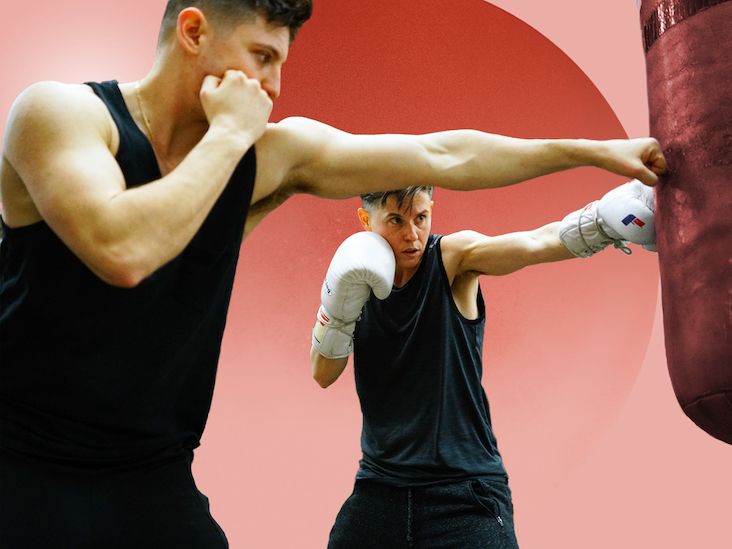
In a queer-affirming boxing class, a participant might find that no one makes assumptions about their body or identity. The coach may use neutral language, ask about injuries without prying, and create partner drills where respect is part of the technique. The result is not only a better jab; it is a stronger sense of personal safety. In a women-centered lifting gym, a member might finally load a barbell without a stranger offering unsolicited advice that begins with “Actually…” and ends with everyone wishing he had stayed home.
In an adaptive fitness class, the room may look different from a mainstream studio. Some members train seated. Some use bands. Some need extra processing time. Some bring support people. Some celebrate a movement that another gym might overlook. But the energy is often electric because progress is visible in real time. A step, a grip, a completed set, a laugh after a hard intervalthese moments matter. They remind everyone that fitness is not one athletic body performing one ideal movement. Fitness is participation, adaptation, and growth.
There is also a special kind of friendship that grows in niche gyms. It is not always dramatic. Sometimes it is just someone saving your favorite mat. Someone noticing you missed class. Someone cheering when you add five pounds to a lift. Someone saying, “I was nervous too,” which might be the most underrated sentence in fitness. These small interactions turn exercise from an obligation into a ritual.
Inclusive gyms can also change how people talk to themselves. Instead of asking, “How do I fix my body?” members may start asking, “What can my body do today?” That shift is enormous. It moves fitness away from punishment and toward partnership. And yes, the workout may still be hard. Your thighs may still file a formal complaint after lunges. But discomfort feels different when it is chosen, supported, and respected.
The most powerful experience in an inclusive gym is often the realization that health does not require self-erasure. You do not have to become thinner, louder, younger, richer, straighter, tougher, or more “gym-like” to deserve movement. You can show up as you are, learn at your pace, and still be taken seriously. That is why these spaces are growing. They are not selling perfection. They are offering permission.
Conclusion
Inclusive, niche gyms are on the rise because people are tired of fitness spaces that treat belonging as a bonus feature. The new generation of gyms understands that safety, identity, access, and community are central to long-term health. Whether the space is designed for queer athletes, women lifters, disabled clients, older adults, beginners, or culturally specific communities, the message is clear: fitness works better when people feel welcome before they are asked to work hard.
The future of fitness will not be defined only by better apps, shinier equipment, or increasingly suspicious recovery gadgets that look like they were borrowed from a spaceship. It will be defined by spaces that help more people move consistently, confidently, and joyfully. Inclusive gyms remind us that the strongest room is not the one with the heaviest dumbbells. It is the one where more people finally feel able to walk in.
Note: This article is an original, publication-ready synthesis based on current U.S. fitness industry trends, public health guidance, and real reporting on inclusive fitness communities.