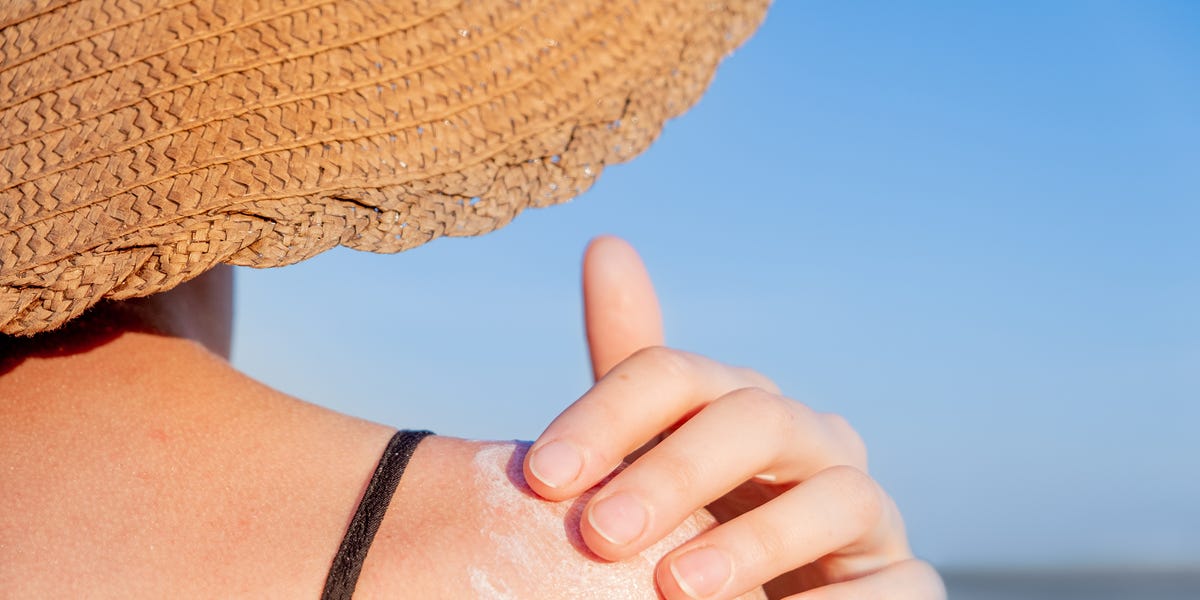
Sunburn has a sneaky sense of timing. One minute you are “just getting a little color,” and a few hours later your shoulders look like they were personally toasted by a panini press. The good news: while you cannot erase sun damage instantly, you can reduce pain, calm inflammation, support healing, and avoid making the burn worse.
This guide explains how to treat sunburn fast with safe, dermatologist-backed home remedies. These at-home sunburn cures are practical, affordable, and easy to start right away. The goal is not magic. The goal is smarter damage control: cool the skin, restore moisture, reduce swelling, protect blisters, and stay out of the sun until your skin forgives you.
What Is Sunburn, Really?
Sunburn is an inflammatory reaction caused by too much ultraviolet radiation, usually from the sun but also from tanning beds. UV exposure damages skin cells, triggers redness and swelling, and can cause pain, peeling, blisters, and dehydration. Even when the redness fades, the skin damage matters. Repeated sunburns increase the risk of premature aging, dark spots, and skin cancer.
Sunburn symptoms may appear within a few hours, but the discomfort often peaks later, usually within 6 to 48 hours. That means your “I’m fine” beach afternoon can become an “I cannot wear a shirt” evening. Treating sunburn early can help ease pain and may reduce swelling, but prevention is still the champion. Sunscreen, shade, protective clothing, and common sense remain undefeated.
How to Treat Sunburn Fast: Start With These First Steps
As soon as you notice redness, tenderness, tight skin, or that unmistakable “uh-oh” warmth, stop the UV exposure immediately. Go indoors or move into deep shade. Cover the burned area with loose, breathable clothing. Drink water. Then begin cooling and moisturizing the skin. The faster you stop the burn from getting worse, the better your recovery usually feels.
13 At-Home Sunburn Cures That Work
1. Get Out of the Sun Immediately
The first sunburn cure is not glamorous, but it works: leave the sun. A sunburn means your skin has already been injured. Staying outside “just a little longer” is like noticing smoke in the kitchen and deciding to flambé dessert anyway.
Move indoors if possible. If you must remain outside, cover the sunburned skin with tightly woven, loose clothing and stay in the shade. Do not apply sunscreen over badly burned skin and march back into direct sunlight as if nothing happened. Sunscreen helps prevent future damage, but burned skin needs rest.
2. Take a Cool Bath or Shower
Cool water can help reduce heat and ease pain. Take a cool bath or shower for about 10 minutes. Avoid hot water, which can make inflammation and dryness worse. Also avoid harsh soaps, exfoliating scrubs, and loofahs. Your skin is not dirty; it is injured. Treat it like a dramatic houseplant that needs gentle care.
After bathing, pat your skin dry with a soft towel. Do not rub. Leave the skin slightly damp, then apply moisturizer to help trap water in the skin.
3. Use Cool Compresses
If a full shower is not convenient, apply cool compresses. Soak a clean washcloth in cool water, wring it out, and place it gently on the burned area for 10 to 15 minutes. Repeat several times a day as needed.
Do not put ice directly on sunburned skin. Ice can irritate or further damage the skin barrier. If you use a cold pack, wrap it in a towel first and keep the session short.
4. Apply Aloe Vera Gel
Aloe vera is one of the most popular sunburn remedies for a reason. It feels cooling, helps soothe irritation, and can reduce the tight, prickly feeling of mild sunburn. Choose pure aloe vera gel or a fragrance-free aloe product. Bonus points if you chill it in the refrigerator before applying.
Avoid aloe products loaded with alcohol, strong fragrance, or glitter. Your sunburn does not need to sparkle. It needs calm.
5. Moisturize While Skin Is Still Damp
Sunburn pulls moisture from the skin, which can lead to tightness, itching, and peeling. A gentle moisturizer helps support the skin barrier. Look for fragrance-free lotions or creams with soothing ingredients such as aloe, soy, glycerin, or ceramides.
Apply moisturizer after a cool bath or shower while the skin is slightly damp. Reapply several times a day, especially when your skin feels dry or tight. Avoid heavy petroleum-based or oil-based products right after a fresh burn because they may trap heat and feel uncomfortable.
6. Drink Extra Water
Sunburn draws fluid toward the skin’s surface, which can contribute to dehydration. Drink extra water for the next day or two, especially if you were sweating, exercising, drinking alcohol, or spending hours outdoors.
Water is usually enough for mild sunburn. If you have been sweating heavily, an electrolyte drink or oral rehydration solution may help. Watch for dehydration symptoms such as dizziness, dry mouth, dark urine, headache, or unusual fatigue.
7. Take an OTC Pain Reliever If Safe for You
For pain and swelling, an over-the-counter anti-inflammatory medicine such as ibuprofen or naproxen may help when taken according to the label. Acetaminophen can help with pain, though it does not reduce inflammation in the same way. If you have kidney disease, stomach ulcers, take blood thinners, are pregnant, or have been told to avoid NSAIDs, ask a healthcare professional before using them.
For children, follow pediatric dosing instructions carefully. Do not give aspirin to children or teens unless a doctor specifically says it is safe.
8. Try 1% Hydrocortisone Cream for Itch and Swelling
For mild to moderate sunburn, over-the-counter 1% hydrocortisone cream can help reduce redness, itching, and swelling. Use a thin layer as directed on the package, usually for a short period. Cooling the tube in the refrigerator can make application feel extra soothing.
Do not apply hydrocortisone to open blisters, deep wounds, or infected-looking skin unless a clinician tells you to. If the burn is severe, widespread, or worsening, skip the guessing game and get medical advice.
9. Take a Colloidal Oatmeal Bath
Colloidal oatmeal can calm itchy, irritated skin. Add it to a cool or lukewarm bath and soak for 10 to 15 minutes. This can be especially helpful when the sunburn starts to itch during the healing stage.
Use finely ground colloidal oatmeal made for baths, not a handful of breakfast oats tossed into the tub like you are seasoning soup. After soaking, rinse gently if needed, pat dry, and moisturize.
10. Use Calamine Lotion for Itchy, Hot Skin
Calamine lotion may help soothe discomfort and itching. Apply a thin layer to clean, dry skin. It can be useful when your sunburn feels hot, prickly, or annoying enough to make you negotiate with your own shoulders.
Like other topical products, avoid applying calamine to broken skin unless the product label allows it or a healthcare professional recommends it.
11. Wear Loose, Breathable Clothing
Sunburned skin hates friction. Tight waistbands, rough straps, and scratchy fabrics can make a mild burn feel like a personal betrayal. Wear loose cotton or soft breathable fabrics until the skin calms down.
If you need to go outside, cover the burn with clothing rather than relying only on sunscreen. A wide-brimmed hat, sunglasses, and UPF-rated clothing can help protect healing skin from more UV exposure.
12. Do Not Pop Blisters
Blisters mean the sunburn is more serious. They act like natural bandages and help protect the skin underneath. Popping them increases the risk of infection and can slow healing.
If blisters break on their own, gently clean the area with mild soap and water, apply a simple protective dressing if needed, and watch for infection signs such as spreading redness, pus, warmth, swelling, or increasing pain. Large, widespread, or very painful blisters should be evaluated by a healthcare professional.
13. Rest, Sleep Cool, and Let the Skin Heal
Healing takes energy. Rest when you can. Keep the room cool, use soft sheets, and avoid sleeping directly on badly burned areas. If your back is burned, try sleeping on your side or stomach. If your shoulders are burned, skip the heavy backpack and the “fashionably scratchy” shirt.
Most mild sunburns improve within a few days, though peeling can last longer. Do not pick peeling skin. Moisturize, protect the area, and let the dead skin shed naturally.
What Not to Put on Sunburn
Some old-school sunburn remedies deserve retirement. Do not apply butter, cooking oil, harsh vinegar mixtures, toothpaste, alcohol-based products, or strong exfoliants. These can irritate the skin, trap heat, or delay healing.
Be cautious with numbing sprays or creams that contain benzocaine or lidocaine. They may irritate sensitive skin or trigger allergic reactions in some people. If a product stings, burns, or makes redness worse, stop using it.
When to Seek Medical Care for Sunburn
At-home sunburn treatment is appropriate for many mild cases, but severe sunburn can become serious. Get medical help if you have widespread blistering, extreme pain, fever, chills, nausea, confusion, dizziness, fainting, signs of dehydration, eye pain, or symptoms that are getting worse instead of better.
Babies, young children, older adults, and people with chronic medical conditions may need care sooner. You should also contact a healthcare professional if blisters cover a large area, the burn affects the face or genitals, or you notice signs of infection.
How Long Does Sunburn Take to Heal?
Mild sunburn may feel better in three to five days. Moderate sunburn can take about a week. Severe sunburn with blisters may take longer and may require medical care. Peeling often begins after a few days as the body removes damaged skin cells.
The fastest way to heal sunburn is not one single miracle ingredient. It is a combination: stop UV exposure, cool the skin, moisturize often, hydrate, reduce inflammation, and protect the skin barrier. Think of it as a recovery routine, not a one-step hack.
How to Prevent Your Next Sunburn
Once your skin heals, prevention becomes the real cure. Use broad-spectrum sunscreen with at least SPF 30 for extended outdoor time, and reapply every two hours or after swimming or sweating. Apply enough sunscreen; most adults need about one ounce to cover exposed skin.
Seek shade, especially between late morning and afternoon when UV rays are strong. Wear a wide-brimmed hat, sunglasses, and protective clothing. Remember that water, sand, snow, and concrete can reflect UV rays. Cloudy days can still burn you, because UV rays are apparently very committed to their job.
Real-Life Experience: What Actually Helps When You Are Burned
Anyone who has had a memorable sunburn knows the recovery is not just physical; it is also logistical. Suddenly, showering becomes a strategy session. Wearing a seat belt feels like a medieval challenge. Sleeping requires negotiation with pillows, sheets, and gravity. The best approach is to set up a simple “sunburn recovery station” as soon as you get home.
Start with a cool shower, then keep a fragrance-free moisturizer or aloe gel in the refrigerator. This tiny step feels luxurious, even if the rest of the evening involves walking around like a cautious lobster. Apply the chilled product gently, not aggressively. More pressure does not equal more healing. Your skin is already sending enough dramatic emails to your nervous system.
Next, choose clothing like you are dressing for a very sensitive spa appointment. Loose cotton shirts, soft pajama pants, and breathable fabrics make a huge difference. Avoid tight sports bras, rough backpack straps, stiff collars, or anything that rubs. If your shoulders are burned, even a towel can feel like sandpaper with an agenda.
Hydration is another underrated part of sunburn care. Many people focus only on what they put on the skin, but drinking water matters. After a long day outdoors, your body may be dealing with heat, sweat, and inflammation at the same time. Keep water nearby and sip regularly. If you feel lightheaded, weak, nauseated, or unusually tired, take those symptoms seriously.
Sleep can be the hardest part. For a burned back, try sleeping on your stomach with a soft sheet. For burned legs, elevate them slightly if swelling is present. Keep the room cool and avoid heavy blankets directly over the burn. If the skin feels hot at night, a cool compress before bed can help.
The peeling stage requires emotional maturity. Do not pick. Do not peel. Do not decide that your skin needs “help.” Peeling is your body removing damaged cells. Pulling skin off too early can cause irritation, raw spots, or infection. Moisturize and let the process happen. Yes, you may shed like a tiny office lizard for a few days. This too shall pass.
The biggest lesson from sunburn recovery is that speed comes from consistency. A cool bath once helps. Moisturizing once helps. Drinking one glass of water helps. But repeating these steps throughout the day is what makes recovery more comfortable. Treat the burn gently, avoid more sun, and give your skin the boring, sensible care it needs. Boring is beautiful when your shoulders are on fire.
Conclusion
Sunburn cannot be cured instantly, but it can be treated wisely. The best at-home sunburn cures are simple: cool the skin, moisturize while damp, use aloe or soothing lotion, drink extra water, take appropriate pain relief, protect blisters, and stay out of the sun until the skin heals. Avoid harsh DIY remedies, do not pop blisters, and get medical care for severe symptoms.
Most importantly, let this sunburn be your skin’s slightly spicy reminder: sunscreen is easier than recovery. Next time, apply broad-spectrum SPF, reapply often, wear protective clothing, and take shade breaks. Your future self will thank you, preferably without needing aloe straight from the fridge.
Note: This article is for general educational purposes only and is not a substitute for professional medical advice. Seek medical care for severe sunburn, widespread blistering, fever, dehydration, dizziness, confusion, signs of infection, or symptoms that do not improve.