Some TV finales gently dim the lights, hug the audience, and leave everyone with a warm little “thanks for watching” glow. Others kick open the door wearing roller skates, announce that the entire show may have happened inside a snow globe, and then vanish into television folklore like a raccoon with a stolen sandwich.
That second category is where things get fun. The wildest series endings are not always the ones we constantly argue about online. Sure, people still debate Lost, Game of Thrones, and The Sopranos like they are constitutional law. But plenty of older TV finales were just as strange, shocking, hilarious, bleak, or aggressively weirdand somehow, pop culture memory filed them away under “classic TV stuff” instead of “absolute narrative chaos.”
So let’s dust off the remote, adjust the antenna, and revisit six TV finales we forgot were bonkers. These are the endings that made viewers blink at the screen, ask whether the writers were okay, and occasionally wonder if sitcoms should come with emotional seat belts.
1. Newhart: The Entire Show Was a Dream, and Somehow It Worked
On paper, “it was all a dream” is the storytelling equivalent of serving cereal for Thanksgiving dinner. It usually feels lazy, insulting, or like someone lost the last page of the script. But the finale of Newhart pulled off the impossible: it used the dream twist and made it legendary.
For eight seasons, Bob Newhart played Dick Loudon, a Vermont innkeeper surrounded by oddball locals. Then, in the final minutes, Dick gets knocked unconscious by a golf ball. The scene cuts to a dark bedroom. Bob Newhart wakes upbut not as Dick Loudon. He is suddenly Dr. Bob Hartley from The Bob Newhart Show, lying next to Suzanne Pleshette as Emily Hartley.
In one joke, the entire run of Newhart becomes a bizarre dream experienced by the main character from Newhart’s previous sitcom. That is not just a twist. That is a full sitcom backflip.
Why It Was Bonkers
The ending works because it is both absurd and perfectly tuned to Bob Newhart’s deadpan style. It does not try to explain itself with a mythology board, a secret prophecy, or a mystical alpaca. It simply lets the audience realize what happened, then lands the joke. The idea is outrageous, but the execution is calm, confident, and almost elegant.
It also helped that the finale respected both shows. Instead of mocking Newhart, the twist became a love letter to sitcom history. The audience got a surprise reunion, a meta punchline, and one of the cleanest final jokes in television. Bonkers? Absolutely. But bonkers with manners.
2. St. Elsewhere: Welcome to the Snow Globe Universe
If Newhart used a dream twist like a wink, St. Elsewhere used its ending like a philosophical grenade. The NBC medical drama spent six seasons building a respected, emotionally grounded hospital world. Doctors loved, lost, argued, saved lives, made mistakes, and navigated the messy human machinery of St. Eligius Hospital.
Then the finale arrived and suggested that the entire series might exist inside the imagination of Tommy Westphall, the son of Dr. Donald Westphall. In the closing scene, Tommy looks into a snow globe containing a tiny model of St. Eligius. The camera lingers just long enough for viewers to feel their brains quietly fold in half.
Why It Was Bonkers
The finale did not simply change one character’s fate. It potentially changed the reality of the entire show. Suddenly, six seasons of medical drama, romantic heartbreak, hospital politics, and life-or-death emergencies seemed to have been generated by a child gazing into a glass globe.
Then came the even wilder fan theory: because St. Elsewhere had crossover connections with other shows, and those shows had their own crossovers, maybe a shocking amount of television existed in Tommy’s imagination. This became known as the “Tommy Westphall Universe,” a theory that turns casual TV continuity into a conspiracy board with yarn, pushpins, and probably a very tired intern.
Whether you see the finale as brilliant, pretentious, moving, or deeply rude, it remains one of the strangest TV endings ever aired. Medical dramas usually end with a farewell, a promotion, or a reflective walk down a hallway. St. Elsewhere ended by making viewers question the ontological status of half the television landscape. Casual.
3. Roseanne: The Lottery Season Was Grief Fan Fiction
Roseanne was famous for being grounded, sharp, blue-collar, and proudly allergic to glossy sitcom fantasy. The Conners had bills, bad jobs, family stress, cheap furniture, and a kitchen that looked like actual people used it. Then season nine handed them a lottery win and sent the show into a surreal wealth spiral involving makeovers, fantasy episodes, celebrity cameos, and storylines that felt like the series had accidentally eaten a novelty mushroom.
By the finale, titled “Into That Good Night,” the show revealed the reason for the weirdness: Roseanne Conner had been writing an altered version of her life. Dan did not survive his heart attack. The lottery win was not real. Much of the final season was a coping mechanism created by Roseanne as she processed grief.
Why It Was Bonkers
This was not a small retcon. This was a dump truck of retcons backing into the living room. The finale reframed the entire final season as a kind of emotional manuscript, with Roseanne rewriting reality to survive the loss of Dan. It also revealed other changes she had made, including altered relationships and family details.
The result was fascinating and frustrating in equal measure. On one hand, the twist brought the show back to its central theme: working-class pain filtered through humor. Roseanne could joke about anything, but she could not joke her way out of losing her husband. On the other hand, viewers who had endured the strange lottery arc now had to process that the show had intentionally become strange because its own narrator was collapsing under grief.
That is emotionally ambitious. It is also a lot to ask from an audience that originally tuned in to watch Dan and Roseanne argue about money, parenting, and who left what in the fridge. The finale remains one of the boldest sitcom endings because it turned a messy final season into a grief puzzle. Whether it solved the problem is still up for debate, preferably over coffee and a very large slice of pie.
4. Dinosaurs: The Puppet Sitcom Ended With Extinction
For many viewers, Dinosaurs lives in memory as the funny puppet sitcom with Baby Sinclair yelling “Not the mama!” That makes the finale even more jaw-dropping. The show did not end with a family hug, a workplace promotion, or Baby bonking someone on the head. It ended with ecological collapse.
In “Changing Nature,” Earl Sinclair and the WESAYSO corporation damage the environment so badly that their attempts to fix one problem create worse problems. The chain reaction leads to climate disaster. The skies darken, snow falls, and the Sinclair family huddles together as the world outside becomes increasingly unlivable.
Why It Was Bonkers
This was a family sitcom starring animatronic dinosaurs, and the finale essentially said: “Here is how reckless environmental destruction leads to mass extinction. Sleep tight, children.”
The brilliance of the ending is that it completes the show’s central metaphor. We know dinosaurs go extinct. The finale uses that knowledge not as a joke, but as a warning. Earl does not fully understand the scale of what has happened. The family tries to stay brave. The TV weather report becomes grim. The snow keeps falling. It is funny until it is not, and then it is devastating.
Few shows have ever swerved so hard from broad comedy into environmental tragedy. Even fewer have done it with puppets. The finale is bonkers because it refuses to comfort the audience. It says actions have consequences, corporations can be catastrophically short-sighted, and sometimes the laugh track stops because the planet is freezing.
5. ALF: The Furry Alien Got Captured by the Government
ALF was a cozy, chaotic sitcom about a sarcastic alien living with a suburban family and threatening to eat the cat. You might expect its finale to involve ALF returning home, learning a tender lesson, or at least stealing one last snack from the Tanners. Instead, the show ended with him being captured by the Alien Task Force.
In “Consider Me Gone,” ALF receives a message from surviving Melmacians who have found a new planet. He prepares to leave Earth and join them. It sounds like a bittersweet goodbye, the kind where everyone cries, waves, and maybe ALF makes one final joke about human food.
Then the government intercepts the transmission. ALF goes to the rendezvous point, the rescue ship flees, and he is surrounded by military forces. The show cuts out with ALF captured. That was it. That was the ending viewers got at the time.
Why It Was Bonkers
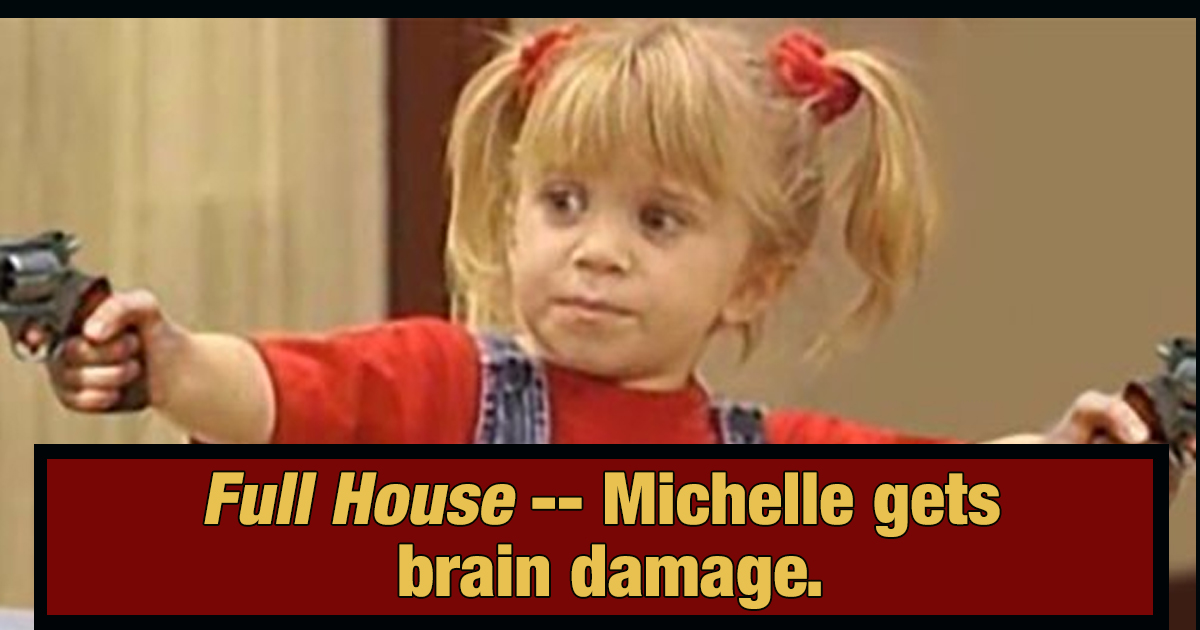
Imagine ending Full House with Michelle being taken by federal agents. That is the energy here.
The ALF finale was originally meant to be a cliffhanger, but the series was canceled before the next season could resolve it. A later TV movie, Project: ALF, eventually addressed what happened, but for years the official ending of the sitcom was: the wisecracking puppet alien is now in government custody. Roll credits.
It is an accidentally grim ending for a show that was usually built around jokes, family chaos, and ALF being a fuzzy nuisance. The finale took the background threat of the Alien Task Force and made it the last thing viewers saw. The result was not just a cliffhanger. It was a tonal trapdoor.
6. Quantum Leap: Sam Beckett Never Returned Home
Quantum Leap was powered by hope. Every episode followed Dr. Sam Beckett as he leaped through time, helped someone fix a crucial mistake, and moved on to the next life that needed repairing. The show had melancholy baked into its premise, but it also had optimism. Sam was lost, yes, but surely one day he would make it home.
Then came the finale, “Mirror Image.” Sam arrives in a strange mining-town bar on the date of his birth. He encounters people who echo figures from his past leaps and speaks with a mysterious bartender who may be God, fate, the universe, or the most cryptic customer-service representative in science fiction.
At the end, Sam chooses to help Al by changing the fate of Al’s first marriage. Then an onscreen title card delivers the emotional gut punch: Dr. Sam Beckett never returned home.
Why It Was Bonkers
The spelling of Sam’s last name in that final card has famously drawn attention because it appeared as “Becket,” but the real wound was the message itself. After years of watching Sam sacrifice his own life to repair others, viewers were told that he continued leaping forever.
That is heroic. It is also brutal. The finale turns Sam into a wandering saint of time, helping strangers while never reclaiming his own life. It is the kind of ending that sounds poetic until you imagine explaining it to someone who just wanted Scott Bakula to get a hug and go home.
In some ways, the finale fits the show perfectly. Sam’s gift was compassion, and compassion does not clock out at 5 p.m. But as a final emotional beat, “he never returned home” is devastatingly blunt. It is less a curtain call than a sentence carved into the wall of television sadness.
Bonus Chaos: Seinfeld Put the Gang in Jail
Although this list promised six, no discussion of bonkers TV finales feels complete without tipping a soup ladle toward Seinfeld. The finale took a show famously “about nothing” and turned it into a courtroom reckoning. Jerry, George, Elaine, and Kramer witness a carjacking, mock the victim instead of helping, violate a local Good Samaritan-style law, and wind up on trial.
The courtroom then becomes a parade of former guest characters testifying that the main four are, essentially, terrible people. The gang is found guilty and sentenced to jail.
Was it clever? Yes. Was it funny enough for everyone? Absolutely not. Was it bonkers to end one of the biggest sitcoms ever with a legal morality play and prison time? Please, your honor, the answer is obvious.
Why These Bonkers TV Finales Still Matter
Wild TV finales endure because they reveal what a show thinks it has been about. A normal finale answers plot questions. A bonkers finale grabs the entire premise by the shoulders and yells, “But what if the real subject was grief, fate, environmental collapse, cosmic loneliness, or the legal consequences of being a jerk?”
That is why these endings are so sticky. Newhart turned sitcom continuity into a perfect joke. St. Elsewhere transformed prestige drama into metaphysical uncertainty. Roseanne made its strangest season an expression of mourning. Dinosaurs converted puppet comedy into a climate parable. ALF accidentally stranded its hero in a government nightmare. Quantum Leap made compassion eternal and heartbreaking.
Not every finale here is universally loved. Some are divisive. Some are messy. Some feel like the writers drove the story bus off a cliff and shouted, “Trust the process!” But all of them are memorable because they took a swing. In a television landscape full of safe landings, these shows chose the trampoline, the cannon, or the mysterious glowing portal.
Personal Viewing Experience: Why Rewatching Bonkers Finales Feels Different Now
Watching these finales today is a strangely personal experience, especially if you first encountered some of these shows as background comfort TV. A sitcom rerun can feel harmless when it is on in the afternoon, sandwiched between commercials for cereal and car insurance. Then you reach the finale and realize the show has been quietly building toward something much darker, weirder, or more emotionally ambitious than you remembered.
That is the funny thing about TV memory. We often remember a show by its repeatable parts: the catchphrases, the theme song, the living room set, the character entrances, the jokes that still work even when the clothing screams “network television in 1992.” Finales are different. They are not designed to repeat forever. They are designed to stop something. That makes them feel heavier when we revisit them.
Rewatching the Dinosaurs finale as an adult, for example, is almost unfair. As a kid, you might remember Baby Sinclair and the goofy physical comedy. As an adult, the final episode feels like a corporate environmental satire that wandered into your living room wearing a dinosaur suit and carrying a warning label. It is still funny in places, but the ending lands with the force of a tiny meteor.
Quantum Leap hits differently too. When you are younger, Sam Beckett’s endless journey can feel noble and adventurous. Later, it feels exhausting and sad. The idea of helping people forever sounds beautiful until you consider the cost of never returning to your own life. That finale becomes less about science fiction mechanics and more about the danger of giving so much of yourself away that home becomes a place you can no longer reach.
Roseanne also becomes more complicated with time. The final reveal can seem like a wild television stunt, but underneath the stunt is a recognizable human impulse: rewriting life because the real version hurts too much. Many people understand that instinct, even if they have never won a fictional lottery or restructured an entire sitcom season in their basement writing room.
Even the funnier endings carry new weight. Newhart remains hilarious because it is so perfectly executed, but it also shows how powerful shared TV history can be. The joke only works because audiences knew Bob Newhart’s earlier sitcom and understood the emotional charge of seeing Suzanne Pleshette again. It is meta comedy before meta comedy became a default setting.
And then there is ALF, which may be the strangest rewatch of all. It is hard not to laugh at the sheer tonal mismatch of a puppet sitcom ending with alien capture. Yet that accidental cliffhanger also captures something true about television: cancellation can turn a temporary twist into a permanent ending. Sometimes the wildest finale was not meant to be the finale at all. The network just shut the door and left the character standing under the spotlight.
That is why bonkers TV finales are worth revisiting. They remind us that television is not only comfort. It is risk, accident, ambition, panic, ego, brilliance, and occasionally a snow globe. Some endings age poorly. Some age beautifully. Some age like leftovers you are afraid to open but cannot stop thinking about. Either way, they prove that the last episode matters because it changes how we remember every episode before it.
Conclusion: The Best Weird Finales Refuse to Behave
The most unforgettable TV finales are not always the neatest. Sometimes they are the ones that leave a dent in the coffee table of pop culture. They make viewers argue, laugh, groan, rewatch, reconsider, and text a friend, “Wait, did that really happen?”
These six finales were bonkers because they refused to simply wave goodbye. They rewrote reality, trapped heroes, ended worlds, exposed grief, or turned sitcom history into a punchline. Whether you love them or side-eye them forever, they earned their place in television history by being unforgettable in the weirdest possible way.
Editorial note: This article is based on real, publicly documented TV finale details and original commentary. It is written for entertainment readers who enjoy nostalgic television analysis, surprising series endings, and the glorious chaos of shows that did not leave quietly.