Diatomaceous earth sounds like something a wizard would keep in a pouch, but it is actually a fine, powdery material made from fossilized algae called diatoms. In pest control, it is commonly used against crawling insects such as fleas, carpet beetles, cockroaches, ants, and bed bugs. When used correctly, it can be a useful part of a home pest-control plan. When used carelessly, it can turn your living room into a chalky snow globe and make everyone cough like they just opened a 200-year-old attic.
If you want to know how to apply diatomaceous earth to carpet, the key is simple: use the right product, apply a very light layer, keep it dry, give it time to work, and vacuum thoroughly. More powder is not better. More powder usually means more dust, more cleanup, and more regret.
This guide walks you through 11 practical steps for applying diatomaceous earth to carpet safely and effectively. It also explains what diatomaceous earth does, when it helps, when it does not, and how to avoid the most common mistakes homeowners make.
What Is Diatomaceous Earth?
Diatomaceous earth, often shortened to DE, is a naturally occurring powder made from the fossilized remains of tiny aquatic organisms. Under a microscope, the particles are rough and porous. To small insects, that texture is bad news. DE damages the waxy outer coating of an insect’s exoskeleton and absorbs oils and fats, causing the pest to dry out.
That is why diatomaceous earth is considered a mechanical insecticide rather than a traditional chemical poison. It does not lure insects, it does not instantly knock them down, and it does not magically erase an infestation overnight. It works when insects crawl through it and stay exposed long enough for dehydration to occur.
Before You Start: Choose the Right Type
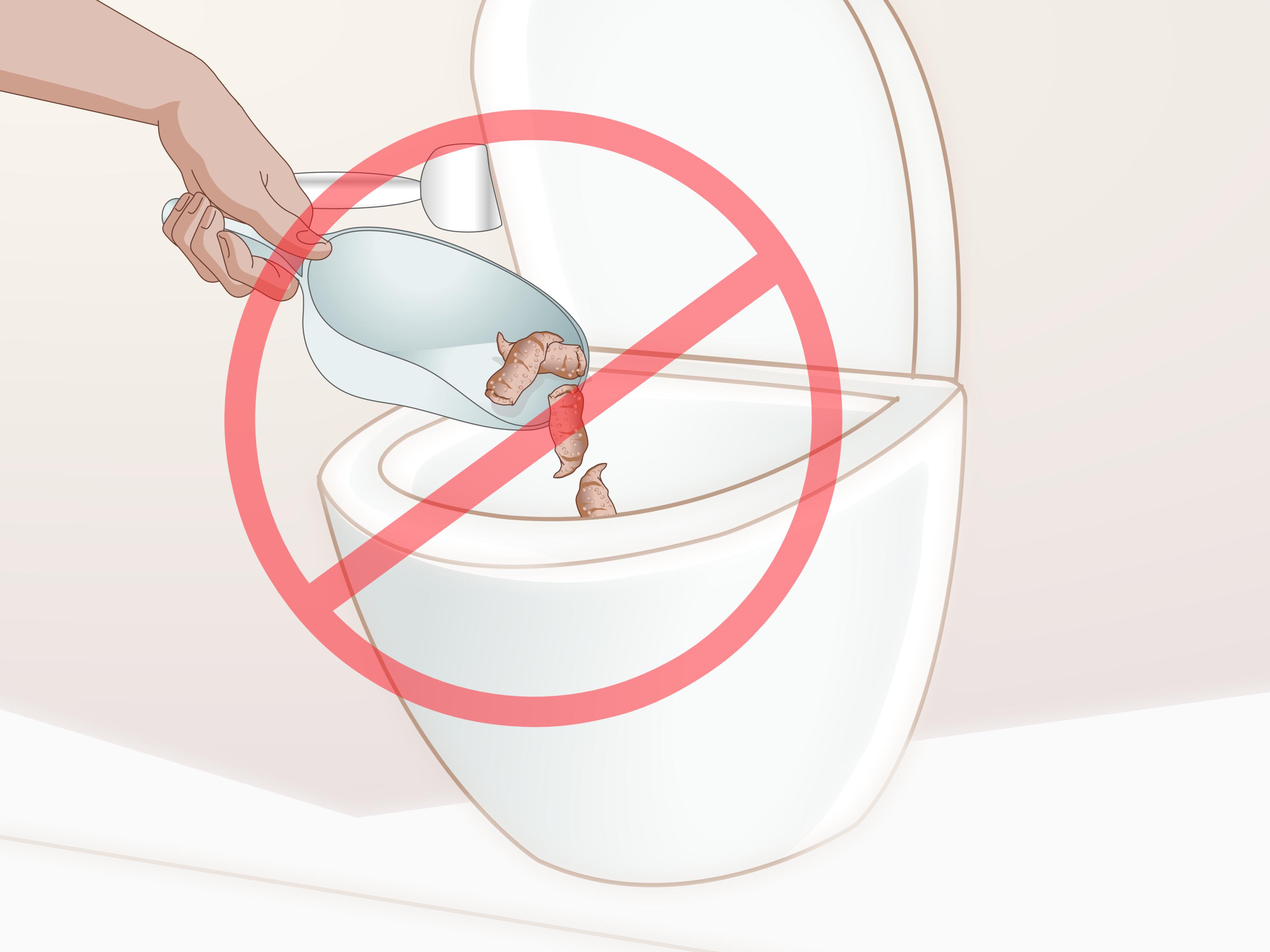
For carpet use, never grab pool-grade or filter-grade diatomaceous earth. That type is made for filtration systems and may contain higher levels of crystalline silica, which is not appropriate for indoor pest-control use. For pest control, choose an EPA-registered diatomaceous earth product labeled for indoor use, carpets, rugs, cracks, crevices, or the specific pest you are targeting.
Many people reach for “food grade” diatomaceous earth because the phrase sounds comforting. However, “food grade” does not automatically mean it is labeled, tested, or directed for home pest control. If you are treating pests, the product label matters. The label tells you where it can be used, how much to apply, how long to leave it, what protective gear to wear, and what to do if exposure occurs.
How to Apply Diatomaceous Earth to Carpet: 11 Steps
Step 1: Identify the Pest First
Before sprinkling anything, figure out what you are dealing with. Fleas, carpet beetles, bed bugs, ants, and cockroaches behave differently. A flea problem often centers around pets, pet bedding, rugs, baseboards, and furniture where animals rest. Carpet beetles may be linked to wool rugs, stored fabrics, lint buildup, pet hair, feathers, or dead insects. Bed bugs hide in mattress seams, bed frames, cracks, and furniture joints more than in open carpet.
This matters because diatomaceous earth only helps when it is placed where insects actually travel. Dusting the middle of a room while fleas are partying under the sofa is like setting a mousetrap on the roof. Technically impressive, practically useless.
Step 2: Read the Product Label Like It Owes You Money
Every diatomaceous earth product is different. Some are labeled for carpets and indoor cracks. Some are not. Some labels advise wearing a dust mask during application, using adequate ventilation, avoiding contact with eyes, and keeping children and pets away during treatment.
Read the label before opening the container. Look for the allowed indoor locations, target pests, application rate, waiting period, cleanup directions, and safety precautions. If the product is not labeled for carpets or indoor pest control, choose another product. The label is not decorative; it is the instruction manual, the safety guide, and the legal playbook all in one.
Step 3: Gather Your Supplies
You do not need a laboratory. You need a few simple tools: the correct diatomaceous earth product, a dust mask or respirator if the label recommends it, gloves, protective eyewear if you are sensitive to dust, a broom or soft carpet brush, a vacuum with a clean filter or bag, trash bags, and a small sieve, shaker, or hand duster.
A shaker is usually better than pouring from the bag. Pouring creates clumps and airborne dust. A fine, controlled dusting is the goal. If your carpet looks like a powdered doughnut, you have gone too far.
Step 4: Clear the Room
Remove toys, pet bowls, shoes, laundry, loose blankets, floor pillows, and anything else sitting on the carpet. Move lightweight furniture if possible. You do not need to empty the entire house, but you should expose the carpet edges, corners, and areas where pests may hide.
Keep pets and children out of the room while applying diatomaceous earth. Even products with low toxicity can irritate eyes, skin, noses, and lungs when they become airborne. Small pets, birds, reptiles, kittens, puppies, and people with asthma or respiratory sensitivity deserve extra caution.
Step 5: Vacuum Thoroughly Before Applying
Vacuuming before treatment is not optional. It removes flea eggs, larvae, adult insects, shed skins, lint, pet hair, food crumbs, and the mystery debris that somehow appears under every couch on Earth. Vacuuming also lifts carpet fibers, helping the dust reach areas where pests may crawl.
Focus on baseboards, carpet edges, under furniture, pet resting areas, throw rugs, sofa cushions, and cracks where carpet meets the wall. If you are treating fleas, vacuuming can also stimulate pupae to emerge from cocoons, making them more likely to contact treatment later.
After vacuuming, empty the canister or remove the bag immediately. Seal the contents in a trash bag and take it outside. Do not leave captured fleas or larvae sitting in the vacuum like they have booked a weekend spa retreat.
Step 6: Make Sure the Carpet Is Dry
Diatomaceous earth works best when dry. Moisture reduces its ability to absorb the oils and fats from insects’ exoskeletons. Do not apply it to damp carpet, freshly shampooed carpet, wet rugs, or humid areas where the powder will clump.
If you recently steam-cleaned or shampooed the carpet, wait until it is fully dry. Use fans, open windows if weather allows, and give thick carpets extra drying time. Applying DE to wet carpet creates a paste-like mess and reduces effectiveness. It is pest control, not homemade drywall compound.
Step 7: Apply a Very Thin Layer
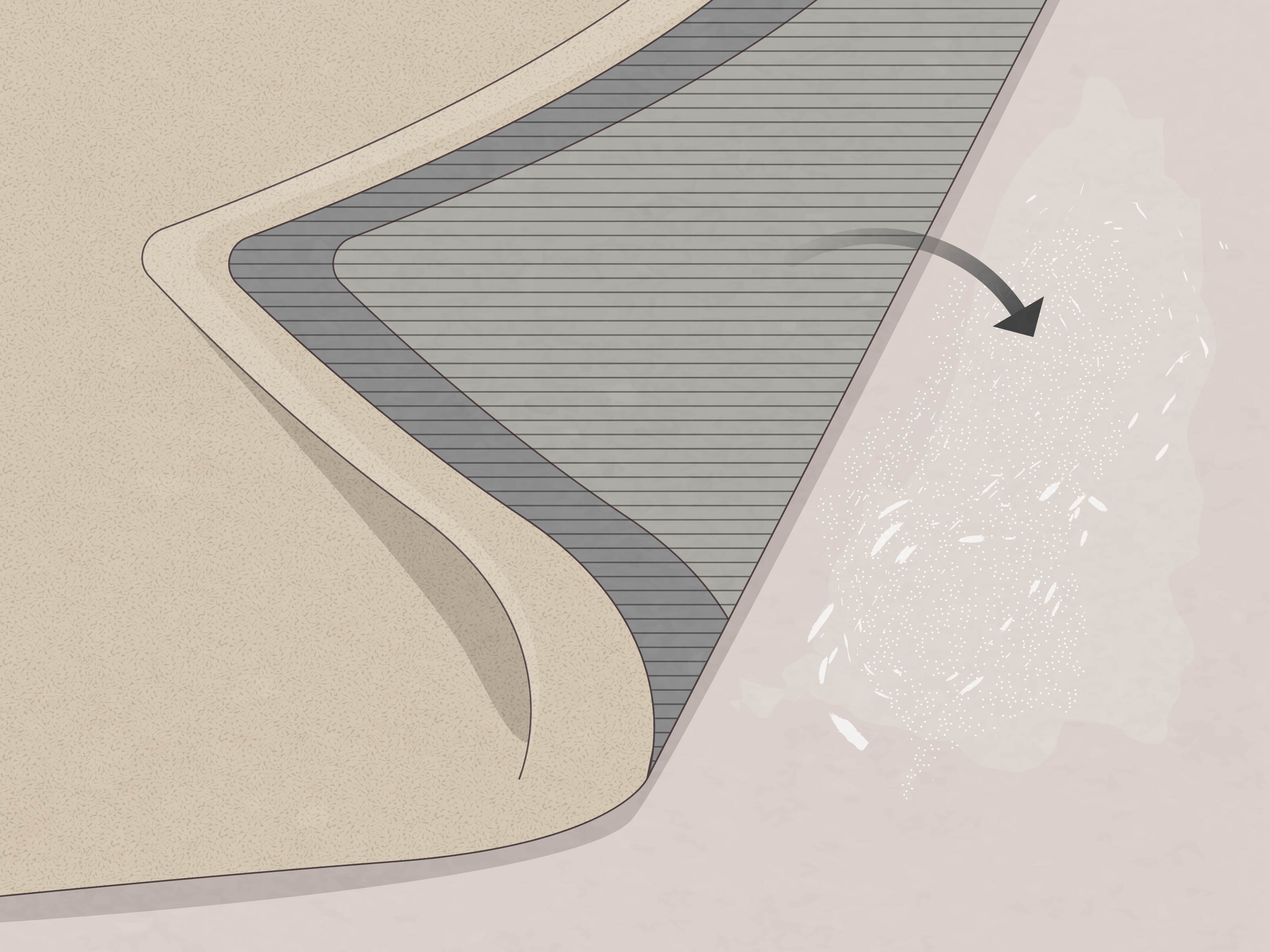
This is the step where many people overdo it. Sprinkle a light, even dusting over the carpet, especially in areas where pests are active. You should barely see the powder. The ideal amount looks like a faint haze, not a snowstorm.
Pay attention to carpet edges, under furniture, beneath beds, around pet resting zones, near baseboards, and along traffic paths where insects may move. For fleas, prioritize the areas where pets sleep, jump down, or spend time. For carpet beetles, treat near natural-fiber rugs, closets, fabric storage areas, and spots where lint and pet hair collect.
Avoid creating piles. Insects are more likely to avoid thick mounds, and thick applications are harder to vacuum. A thin layer increases the chance of contact while keeping cleanup manageable.
Step 8: Work It Gently Into the Carpet Fibers
Use a broom, soft brush, or gloved hand to lightly work the powder into the upper layer of carpet fibers. The word “lightly” is important. You are not scrubbing a crime scene. You are helping the powder settle where insects crawl.
Brush in multiple directions so the dust reaches the base of the fibers. Be careful not to kick up clouds of powder. If dust becomes airborne, stop, leave the room, let it settle, and improve ventilation before continuing.
Step 9: Leave It Long Enough to Work
How long you leave diatomaceous earth on carpet depends on the product label and the pest. Some homeowners leave it for several hours; others leave a light application for 24 to 48 hours when dealing with fleas. Certain pest situations may require repeated treatments because eggs, larvae, and pupae may not all be affected at the same time.
Follow your product label first. If the label provides a specific waiting period, use that. During the waiting period, keep people and pets away from treated areas as directed. The powder should remain dry and undisturbed. If you walk through it constantly, you spread dust through the house and reduce the clean, targeted contact insects need.
Step 10: Vacuum Slowly and Carefully
When it is time to clean up, vacuum slowly. Fine powders can be tough on vacuums, especially models with delicate filters or weak suction. A vacuum with a high-quality filter, a bagged design, or a shop vacuum fitted with an appropriate fine-dust filter may handle the job better than a basic household vacuum.
Go over the carpet in several directions. Empty the canister or remove the bag outside, then seal the waste in a trash bag. Clean or replace filters as needed. If dust remains visible, vacuum again after a few hours. The goal is to remove loose powder while leaving your home looking like a home, not a bakery explosion.
Step 11: Repeat Only If Needed
Diatomaceous earth is not always a one-and-done solution. Fleas can continue emerging from eggs and pupae after the first treatment. Carpet beetles may persist if the food source remains. Bed bugs usually require a more comprehensive professional plan.
If pests continue, repeat treatment according to the label. Combine DE with vacuuming, laundering, decluttering, sealing entry points, treating pets with veterinarian-approved flea prevention, and removing pest food sources. Integrated pest management is the grown-up version of “do several smart things instead of one dramatic thing.”
Where to Apply Diatomaceous Earth on Carpet
The best areas are the places pests actually use. For fleas, treat pet resting zones, carpet edges, rugs, under sofas, beneath beds, and areas where pets jump on and off furniture. For carpet beetles, focus on closets, wool rugs, edges near baseboards, under furniture, and lint-heavy corners. For ants or cockroaches, carpet treatment may be less important than cracks, wall voids, entry points, and hidden travel routes.
Avoid applying diatomaceous earth to open areas where toddlers crawl, pets roll, or people walk barefoot all day. If a treated area cannot be kept quiet and dry, it may not be the best place for DE.
Safety Tips for Using Diatomaceous Earth Indoors
Diatomaceous earth is often described as “natural,” but natural does not mean “sprinkle it everywhere while singing.” The main concern is dust. Breathing fine particles can irritate the nose, throat, and lungs. Eye contact may cause irritation. Skin contact can feel drying.
Use ventilation, avoid creating dust clouds, and wear the protective gear recommended on the label. Keep children and pets out during application and cleanup. Do not apply DE directly to pets unless the product label specifically allows it, and even then, consult your veterinarian. Many veterinarians prefer modern flea preventives because they address the flea life cycle more reliably.
People with asthma, chronic lung conditions, allergies, or respiratory sensitivity should be especially careful. If someone develops coughing, wheezing, eye irritation, or breathing trouble after exposure, leave the area and seek medical guidance if symptoms persist or are severe.
Common Mistakes to Avoid
Using Pool-Grade Diatomaceous Earth
Pool-grade DE is not for carpets, pets, rugs, or indoor pest control. It belongs in filtration systems, not your living room.
Applying Too Much
Heavy layers are messy, dusty, and less practical. A light dusting is better than a powder dune.
Skipping the Vacuuming Step
Vacuuming removes pests and debris before treatment and cleans up powder afterward. It is one of the most important parts of the process.
Using It on Wet Carpet
DE must stay dry to work well. Wet powder clumps and loses much of its pest-control advantage.
Expecting Instant Results
Diatomaceous earth is slow and physical. It does not work like a fast knockdown spray. Give it time and combine it with other control methods.
Does Diatomaceous Earth Kill Fleas in Carpet?
Diatomaceous earth can help reduce fleas in carpet when fleas crawl through the dust. However, it should not be your only flea-control method. Fleas have a life cycle that includes eggs, larvae, pupae, and adults. Some stages are harder to reach than others. That is why vacuuming, washing pet bedding, treating pets, and repeating control steps are so important.
If you have pets, talk with your veterinarian about flea prevention. Treating the carpet while untreated pets continue bringing fleas indoors is like mopping during a thunderstorm with the roof missing.
Does Diatomaceous Earth Work for Carpet Beetles?
Diatomaceous earth may help with carpet beetles if applied to dry, hidden areas where larvae crawl. But the bigger job is finding and removing the source. Carpet beetle larvae feed on natural fibers, hair, feathers, dead insects, lint, and other organic debris. Vacuuming closets, cleaning under furniture, washing fabrics, and storing wool or silk items properly are essential.
If you only dust the carpet but leave a lint buffet under the bed, carpet beetles may send you a thank-you card.
When to Call a Professional
Call a pest-control professional if you suspect bed bugs, have a large flea infestation, cannot identify the pest, have repeated carpet beetle problems, or live with someone who is highly sensitive to dust or insect bites. Professionals can identify the pest, locate hidden sources, and build a treatment plan that may include vacuuming, heat, insect growth regulators, exclusion, sanitation, and targeted insecticides.
Diatomaceous earth is useful, but it is not a magic wand. Severe infestations often need a broader strategy.
Real-World Experience: What Applying Diatomaceous Earth to Carpet Is Actually Like
The first thing most people learn about applying diatomaceous earth to carpet is that “light dusting” means lighter than they think. The powder is very fine, and the container often releases more than expected. A careful shake can turn into a tiny indoor blizzard if you get enthusiastic. The best approach is to start with a small amount, step back, and check the carpet from different angles. If you can see obvious white patches from across the room, you probably used too much.
In a typical flea-control situation, the most useful areas are not the wide-open parts of the carpet. They are the awkward places: under the couch, around the pet bed, beside the baseboards, beneath the coffee table, and along the route your dog takes after sprinting indoors like a furry torpedo. These areas are where fleas and larvae are more likely to be hiding. Treating the center of the room may feel satisfying, but the edges and resting spots usually matter more.
Another lesson is that preparation saves frustration. Vacuuming before application feels like extra work, but it makes the treatment cleaner and more logical. It removes debris that can shield pests, lifts the carpet pile, and helps you see where the real problem areas are. If you have pets, washing their bedding at the same time makes a big difference. Otherwise, you treat the carpet while the pet bed remains a flea apartment complex with free breakfast.
People also underestimate the cleanup. Diatomaceous earth is not difficult to remove when applied lightly, but thick piles can clog filters and make vacuums complain in their own mechanical language. Slow vacuuming works better than racing over the carpet. Emptying the vacuum outside is also smart, especially with fleas. Nobody wants to carefully remove pests from the carpet and then let them escape back indoors like villains in a sequel.
The waiting period can feel inconvenient, especially in busy homes. Keeping kids and pets out of a treated room for several hours or longer requires planning. A good trick is to treat one room at a time instead of the whole house. Start with the room where pests are most active, let the DE sit according to the label, vacuum, and then move to the next area if needed. This keeps your home functional and reduces dust movement.
Finally, the biggest real-world lesson is patience. Diatomaceous earth is not dramatic. You will not hear insects scream, surrender, or pack little suitcases. The results are gradual. For fleas, repeated vacuuming and pet treatment are often what turn the tide. For carpet beetles, removing the food source is the true victory. DE can be a helpful supporting actor, but cleaning, inspection, and prevention are the stars of the show.
Conclusion
Applying diatomaceous earth to carpet is simple when you respect the basics: choose the correct labeled product, avoid pool-grade DE, vacuum first, apply a thin layer, keep it dry, let it sit according to the label, and vacuum thoroughly afterward. Used carefully, it can help control fleas, carpet beetles, and other crawling pests in targeted areas. Used carelessly, it becomes a dusty household headache.
The safest and most effective approach is to treat diatomaceous earth as one part of a larger pest-control plan. Combine it with cleaning, laundering, pet care, moisture control, clutter reduction, and professional help when needed. Your carpet will thank you, your vacuum may forgive you, and the pests will find your home much less welcoming.