Shrimp is the tiny sports car of the seafood world: fast, flashy, and absolutely unforgiving if you look away for thirty seconds. One minute it is glossy, gray, and promising dinner greatness. The next minute it has curled into a rubber band and tastes like it has been training for a marathon in a tire factory.
Knowing how to tell if shrimp is cooked is not just a cooking skill; it is dinner insurance. The good news? Shrimp gives you several clear signs when it is done. You can check the internal temperature, color, texture, shape, and even the way it feels when pressed with tongs. Once you learn these cues, cooking shrimp becomes far less mysterious and much more delicious.
This guide explains the safe shrimp internal temp, the visual signs of perfectly cooked shrimp, how to avoid overcooking, and what to do when shrimp is frozen, grilled, boiled, sautéed, baked, or air-fried. Grab your tongs. We are about to save your scampi.
What Is the Safe Internal Temperature for Shrimp?
The safest target for cooked shrimp is 145°F. This is the commonly recommended internal temperature for seafood, including fish and shellfish. If you are cooking for children, older adults, pregnant people, or anyone with a weakened immune system, using a food thermometer is the smartest move.
That said, shrimp are small, curved, and slightly dramatic. Getting a thermometer into the thickest part of a shrimp can feel like trying to park a bus inside a mailbox. For jumbo shrimp, it is easier. For medium or small shrimp, you may need to stack two shrimp together or insert the thermometer from the side into the thickest section.
How to Check Shrimp Temperature Correctly
To check cooked shrimp temp, insert an instant-read thermometer into the thickest part of the shrimp. Avoid pushing the probe all the way through, because then you are measuring pan air, not shrimp. The shrimp should read 145°F. If it is close but not quite there, give it another few seconds of heat and check again.
Because shrimp cook quickly, do not wander off to answer a text, feed the dog, or debate whether cilantro tastes like soap. Stay near the pan. Shrimp can go from undercooked to overcooked faster than your smoke alarm can emotionally prepare itself.
How to Tell if Shrimp Is Cooked Without a Thermometer
A thermometer is excellent, but visual cues are also reliable once you know what to look for. Cooked shrimp usually show three big signs: they turn opaque, they become pink or white with red accents, and they curl into a loose “C” shape.
1. Look at the Color
Raw shrimp are usually gray, bluish-gray, or translucent. Cooked shrimp become pink, white, or pearly, depending on the variety. The tail and shell may turn reddish or coral. The important word here is opaque. If the center still looks glassy, gray, or see-through, the shrimp needs more time.
For peeled shrimp, cut into the thickest one if you are unsure. The inside should be white and opaque, not translucent. If it still looks like a foggy window, keep cooking for another 20 to 30 seconds.
2. Check the Shape: C Means Cooked
Shrimp naturally curl as they cook. A perfectly cooked shrimp usually forms a relaxed C shape. If it still looks like a loose U or J and remains gray in the center, it may be undercooked. If it curls into a tight O, it is probably overcooked.
Here is the easy memory trick: C is for cooked, O is for overcooked. It is not a scientific law, but it is a handy kitchen rule that works surprisingly well. Shrimp shaped like a tiny bracelet has likely gone too far.
3. Feel the Texture
Cooked shrimp should feel firm but still springy. Press one gently with tongs or a spoon. If it feels mushy or slippery, it needs more cooking. If it feels stiff, dense, or rubbery, it has crossed into overcooked territory and may now be applying for a job as a pencil eraser.
Signs Shrimp Is Undercooked
Undercooked shrimp can be risky and unpleasant. Watch for these signs:
- The flesh is still gray or translucent.
- The center looks shiny or glassy.
- The shrimp feels soft, mushy, or slippery.
- The shape is still very open, like a loose U or J.
- The internal temperature is below 145°F.
If you see these signs, continue cooking briefly. Shrimp does not need a dramatic second act. Usually, another 30 seconds to 1 minute is enough, depending on size and cooking method.
Signs Shrimp Is Overcooked
Overcooked shrimp is safe to eat, but it is not exactly a celebration. The main problem is texture. Overdone shrimp becomes tough, dry, and chewy.
- The shrimp curls into a tight O shape.
- The flesh feels hard or rubbery.
- The color becomes very white or overly bright pink.
- The shrimp tastes dry instead of sweet and juicy.
- It squeaks a little when you bite it. Yes, seafood should not squeak.
If your shrimp is overcooked, do not panic. Chop it into tacos, fold it into pasta with extra sauce, add it to fried rice, or toss it into a creamy salad. Sauce is not a time machine, but it is a good apology.
How Long Does Shrimp Take to Cook?
Cooking time depends on size, heat level, and method. Smaller shrimp cook extremely fast, while jumbo shrimp need a little more time. Use timing as a guide, not a guarantee.
General Shrimp Cooking Times
- Small shrimp: 1 to 2 minutes
- Medium shrimp: 2 to 3 minutes
- Large shrimp: 3 to 5 minutes
- Jumbo shrimp: 5 to 7 minutes
The best approach is to combine time with visual cues. When shrimp turns opaque, curls into a C, and feels firm with a little bounce, it is done.
How to Tell if Shrimp Is Cooked by Method
Sautéed Shrimp
Sautéed shrimp are usually cooked in a hot skillet with oil, butter, garlic, lemon, spices, or all of the above if dinner is feeling fancy. Arrange shrimp in a single layer and cook until the bottom turns pink and opaque. Flip and cook the second side until the shrimp forms a loose C shape.
Large shrimp often need about 1 to 2 minutes per side. If the pan is crowded, they may steam instead of sear, which slows cooking and reduces browning. Give shrimp some space. They are social, but not that social.
Boiled Shrimp
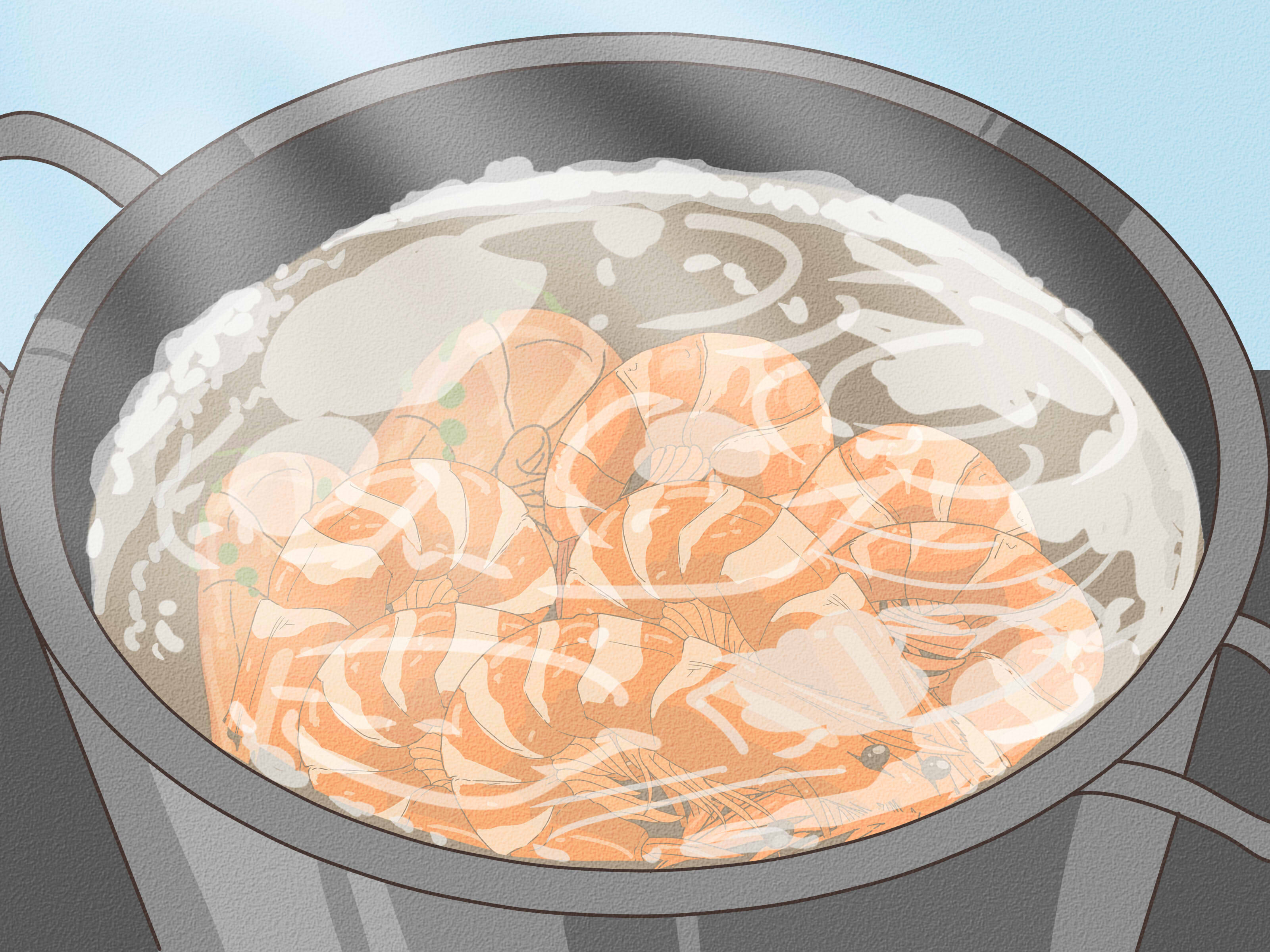
Boiled shrimp are done when they float, turn pink, and become opaque. However, floating alone is not enough. Check the texture and color too. Once done, remove them from the hot water quickly. For shrimp cocktail, transfer them to an ice bath to stop the cooking and keep the texture snappy.
Grilled Shrimp
Grilled shrimp should be opaque, lightly charred, and curled into a C shape. Skewers help keep them from falling through the grates and make flipping easier. Large shrimp are best for grilling because they are easier to manage and less likely to overcook instantly.
If using a marinade with citrus juice, do not marinate too long. Acid can change the texture of shrimp before it even hits the grill. Twenty to thirty minutes is usually plenty.
Baked Shrimp
Baked shrimp are done when they are pink, opaque, and firm. Spread them in a single layer on a baking sheet so they cook evenly. At higher oven temperatures, shrimp may cook in just 6 to 10 minutes. Check early. The oven will not send a polite calendar reminder.
Air-Fried Shrimp
Air-fried shrimp cook quickly because hot air circulates around each piece. They are ready when the coating is crisp, the shrimp is opaque inside, and the shape is curled but not clenched. Shake the basket or flip halfway through for even cooking.
Can You Eat Pink Shrimp That Looks Slightly Translucent?
No, not if the center still looks translucent. Some shrimp turn pink on the outside before the middle is fully cooked. The thickest part is your truth-teller. If it is still glassy or gray, keep cooking briefly.
Color is helpful, but opacity is more important. Think of it this way: pink gets your attention, opaque confirms the job is done.
What About Pre-Cooked Shrimp?
Pre-cooked shrimp are already safe to eat if they have been stored properly. They are usually pink, firm, and opaque straight from the package. If you reheat them, warm gently and briefly. Overheating pre-cooked shrimp is one of the fastest ways to create seafood-flavored rubber bands.
Add pre-cooked shrimp near the end of soups, pastas, stir-fries, and rice dishes. You only need to heat them through, not cook them again from scratch.
Food Safety Tips for Cooking Shrimp
Cooking shrimp properly is only part of the safety story. Handling matters too. Keep raw shrimp cold until you are ready to cook. Thaw frozen shrimp in the refrigerator overnight or under cold running water in a sealed bag. Avoid thawing shrimp on the counter, where bacteria can multiply while you are busy pretending the kitchen is under control.
Use separate cutting boards and utensils for raw seafood and ready-to-eat foods. Wash your hands after handling raw shrimp. Refrigerate leftovers promptly in a shallow container. When in doubt, throw it out; no shrimp dinner is worth a dramatic food-safety plot twist.
Common Mistakes That Ruin Shrimp
Cooking Shrimp Straight from Frozen Without Adjusting
You can cook shrimp from frozen in some recipes, but thawing and drying them first usually gives better texture and browning. Wet shrimp steam in the pan, which can make them watery and bland.
Overcrowding the Pan
If shrimp are piled on top of each other, they cook unevenly. Some will be done while others remain gray. Use a large skillet or cook in batches.
Walking Away
Shrimp are not a “set it and forget it” food. They are a “stand there and look alive” food. Stay close and pull them off the heat as soon as they hit the right cues.
Relying Only on Time
Recipes give estimated times, but shrimp size varies. Heat levels vary. Pans vary. Your stove may be a gentle candle or a dragon. Use color, shape, texture, and temperature together.
Quick Shrimp Doneness Checklist
- Internal temp: 145°F
- Color: Pink, white, or pearly
- Center: Opaque, not translucent
- Shape: Loose C, not tight O
- Texture: Firm with a gentle spring
- Smell: Mild and clean, never sour or ammonia-like
Experience Notes: What Cooking Shrimp Teaches You Fast
The first thing experience teaches you about shrimp is that confidence matters, but attention matters more. Many home cooks undercook shrimp because they are nervous about drying it out, or they overcook it because they are nervous about food safety. The sweet spot sits right between those fears. Once you learn what cooked shrimp looks like, you stop treating the skillet like a guessing game.
One useful habit is to watch one “test shrimp” closely. Choose a shrimp near the center of the pan, where the heat is usually strongest. Notice how the bottom turns opaque first, then the color creeps upward. When the shrimp is halfway pink and opaque, flip it. After the second side cooks, press it gently. If it springs back and looks like a relaxed C, pull the batch. This small observation builds more cooking instinct than staring at a timer ever will.
Another lesson: shrimp continue cooking after they leave the heat. A hot skillet, boiling liquid, baking sheet, or grill skewer holds residual heat. If you wait until every shrimp looks aggressively done in the pan, they may be overdone by the time they reach the plate. Pulling them when they are just opaque and C-shaped gives carryover heat a chance to finish the job without stealing the juicy texture.
Size also changes everything. Small shrimp can cook so quickly that you may feel personally attacked. Jumbo shrimp give you more time and are easier to check with a thermometer, but even they can overcook if ignored. This is why recipes that say “cook for 4 minutes” should be treated as friendly suggestions, not kitchen commandments carved into stone tablets.
Seasoning can affect your perception too. Paprika, chili powder, tomato sauce, or dark marinades may make it harder to judge color. In those cases, rely more on shape, opacity at the thickest part, and texture. If the seasoning hides the surface, cut one shrimp open. There is no shame in checking. Great cooks check; overconfident cooks serve rubber.
Finally, shrimp rewards preparation. Thaw it properly, pat it dry, preheat the pan, and have your sauce or side dishes ready before cooking. Shrimp should often be the last thing you cook because it moves so fast. When everything else is waiting, you can focus on doneness instead of trying to drain pasta, chop parsley, answer the door, and rescue seafood at the same time. That is not cooking; that is a circus with garlic.
Conclusion
The best way to tell if shrimp is cooked is to use a combination of temperature and visual cues. For food safety, aim for an internal temperature of 145°F. If you do not have a thermometer, look for shrimp that is opaque, pink or pearly, firm but springy, and curled into a loose C shape. Avoid shrimp that is still translucent and gray in the center, and try not to cook it until it curls into a tight O.
Once you understand these signs, shrimp becomes one of the easiest proteins to cook well. It is quick, flavorful, and perfect for weeknight dinners, party appetizers, tacos, pasta, salads, and anything involving garlic butter. Just remember: shrimp waits for no one. Stay close, watch carefully, and pull it from the heat before it turns into seafood chewing gum.
Note: This article is for general cooking and food-safety education. For high-risk diners or food-service settings, follow official food-safety guidance and verify doneness with a reliable food thermometer.