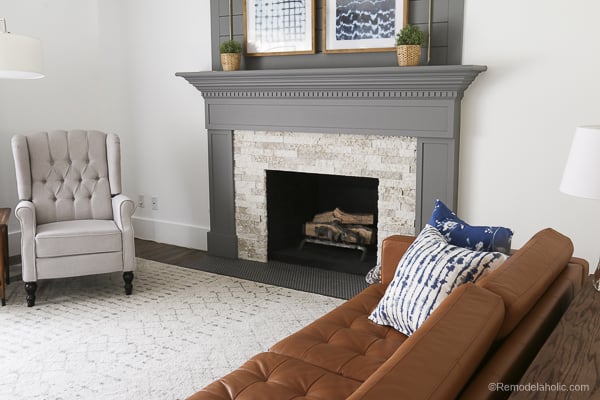
Neutral rugs have a reputation for behaving politely. They sit under the sofa, keep the peace, and never interrupt the throw pillows. But today’s best colorful neutral rugs are doing something far more interesting: they bring in soft color, warm texture, quiet pattern, and just enough personality to make a room feel designed instead of merely “furnished.”
Think of them as the introverts of the rug world with surprisingly excellent party outfits. They are not neon. They are not shouting from the floor. Instead, they use muted terracotta, faded blue, olive, sand, blush, ochre, clay, mushroom, ivory, rust, charcoal, and sage to create a room that feels calm but never boring.
This guide explores more than 55 colorful neutral rug ideas, how to use them, where they work best, what materials to consider, and how to avoid buying a rug that looks perfect online but turns your living room into a confused pancake. Whether you want a neutral area rug for a living room, a washable rug for a busy family room, or a muted patterned rug for a bedroom, this article will help you choose one with confidence.
What Are Colorful Neutral Rugs?
A colorful neutral rug is a rug that blends the flexibility of a neutral palette with the warmth or charm of color. It does not dominate a room the way a bright red geometric rug might, but it also does not disappear like a plain beige mat trying to avoid eye contact.
The best examples usually include a grounding base color such as ivory, beige, taupe, gray, brown, sand, cream, oatmeal, or charcoal. Then they add softened color through pattern, border detail, woven texture, vintage fading, or subtle contrast. The result is a rug that can work with many decorating styles: modern organic, transitional, farmhouse, coastal, bohemian, Scandinavian, traditional, vintage-inspired, or quietly maximalist.
Why Colorful Neutral Rugs Are So Popular
Homeowners want rooms that feel personal, warm, and lived-in. The all-gray room had a long career, but like low-rise jeans, it may not need to return in full force. Colorful neutrals offer a softer path forward. They make spaces feel layered without demanding a full design personality transplant.
These rugs are especially useful because they can connect different elements in a room. A faded blue-and-cream rug can echo denim pillows, a navy vase, and a pale wall color. A rust-and-beige rug can warm up white walls and wood furniture. A sage-and-taupe rug can bridge houseplants, linen curtains, and a brown leather chair. It is basically a diplomatic ambassador, except softer underfoot.
55+ Colorful Neutral Rug Ideas for Every Room
Use this list as a design menu. You do not need all 55, unless you own a castle, a boutique hotel, or a very patient storage closet.
Warm Earth-Tone Rugs
- Terracotta and ivory vintage rug: Perfect for living rooms with white walls, tan leather, and wood coffee tables.
- Clay striped flatweave: A relaxed option for casual spaces, entryways, and layered rug looks.
- Rust and oatmeal Persian-style rug: Adds age, charm, and a little “I found this in a tiny antique shop” energy.
- Burnt orange and beige Moroccan rug: Works well in boho, desert-modern, and eclectic rooms.
- Cinnamon checkered wool rug: Cozy without being sugary. Good for bedrooms and reading corners.
- Muted paprika runner: A smart way to make a hallway feel intentional instead of forgotten.
- Ochre and cream medallion rug: Brings warmth to neutral furniture without overwhelming the room.
- Sand and rust abstract rug: Great for modern homes that need movement but not chaos.
- Camel and blush tribal rug: Soft, warm, and easy to pair with linen upholstery.
- Desert beige rug with brick-red border: A subtle frame for a seating area.
Soft Blue Neutral Rugs
- Faded denim and cream rug: Ideal for coastal, cottage, or relaxed traditional rooms.
- Dusty blue Oushak-style rug: Elegant without feeling stiff. Also excellent at hiding crumbs from “just one snack.”
- Blue-gray and taupe wool rug: A refined choice for open-concept spaces.
- Ivory rug with navy micro-pattern: Adds crispness without making the floor too busy.
- Washed indigo flatweave: Lightweight, casual, and easy to layer over jute.
- Sky blue and beige abstract rug: Brings freshness to modern rooms with pale wood.
- Powder blue border rug: A gentle choice for bedrooms and nurseries.
- Blue-and-sand striped rug: Coastal, but not so coastal that you need a decorative oar.
- Slate blue medallion rug: Grounds a room with gray, white, and walnut finishes.
- Soft teal and ivory rug: Colorful enough to be memorable, neutral enough to live with.
Green and Nature-Inspired Rugs
- Sage and cream area rug: A calm, versatile option that pairs beautifully with plants and natural wood.
- Olive and taupe vintage rug: Works with leather, brass, and deeper wall colors.
- Moss green wool rug: Soft underfoot and visually grounding.
- Eucalyptus patterned rug: Fresh, muted, and great for bedrooms.
- Green-gray geometric rug: A modern choice for minimalist rooms that need a little pulse.
- Sage runner with cream border: Excellent for kitchens and hallways.
- Muted emerald and beige rug: Best for people who want color but still pay bills on time.
- Olive striped jute-blend rug: Casual, earthy, and nicely textured.
- Forest green accent rug over natural fiber base: A great layered look for larger rooms.
- Botanical neutral rug: Leafy patterns in muted tones can feel organic rather than loud.
Blush, Mauve, and Rosy Neutral Rugs
- Blush and ivory distressed rug: Romantic but not overly sweet.
- Mauve and taupe area rug: A sophisticated option for bedrooms and sitting rooms.
- Rose-beige Persian-inspired rug: A classic style with a softer color story.
- Dusty pink flatweave: Simple, fresh, and great under a small dining table.
- Clay-pink and cream checkered rug: Playful but still grown-up.
- Muted coral runner: Adds life to narrow spaces.
- Pinkish beige wool rug: Warms up rooms that feel too cool or stark.
- Ivory rug with mauve border: Subtle enough for minimalists, interesting enough for everyone else.
- Blush abstract rug with gray undertones: Works well with chrome, glass, and modern furniture.
- Vintage rug with faded rose accents: A lovely companion for antique wood pieces.
Multicolor Neutral Rugs
- Muted rainbow flatweave: A cheerful rug that still feels calm because the colors are softened.
- Beige rug with multicolor flecks: Great for hiding lint, crumbs, and evidence of real life.
- Traditional rug with faded red, blue, gold, and cream: A classic choice for layered interiors.
- Neutral abstract rug with soft color blocking: Works in modern apartments and creative studios.
- Ivory rug with pastel geometric lines: Playful for a nursery, office, or casual living room.
- Patchwork vintage-style rug: Brings character without requiring matching furniture.
- Southwestern-inspired rug in sand, rust, denim, and cream: Strong pattern, easy colors.
- Striped rug with muted green, blue, tan, and clay: Flexible enough for many rooms.
- Low-pile washable rug with faded multicolor medallion: Family-friendly and stylish.
- Ivory rug with tiny colorful woven knots: A quiet detail that looks custom.
Texture-Forward Colorful Neutral Rugs
- Jute rug with colored border: Natural, durable-looking, and easy to layer.
- Wool rug with high-low pattern: Adds dimension even when the color palette is subtle.
- Tufted cream rug with ochre lines: Soft and graphic without being severe.
- Flatweave kilim in muted neutrals: Great for dining rooms, offices, and high-traffic areas.
- Hand-knotted rug with abrash variation: The natural color shifts make the rug feel alive.
- Chunky braided rug in mixed earth tones: Casual and cozy for family rooms.
- Natural fiber rug layered under a colorful vintage rug: One of the easiest designer tricks.
- Washable rug with faded pattern: Ideal for pets, kids, and adults who drink coffee with dramatic hand gestures.
- Indoor-outdoor rug in muted stripes: Useful for patios, mudrooms, and kitchens.
- Wool-cotton blend rug with soft color variations: Comfortable, practical, and less formal than silkier styles.
How to Choose the Right Colorful Neutral Rug
Start With the Room’s Existing Palette
Before buying a rug, look at what already exists in the room. Notice the sofa, wood tone, wall color, curtains, art, and metal finishes. Choose a rug that repeats at least one or two of those colors. This creates cohesion, which is design-speak for “nothing looks like it wandered in from a garage sale by mistake.”
For example, if your living room has a beige sofa, black frames, walnut furniture, and green plants, a rug with ivory, taupe, charcoal, and sage will feel connected. If your room has white walls, oak floors, blue pillows, and brass lamps, a faded blue-and-cream rug with warm tan details can pull everything together.
Decide Whether the Rug Should Lead or Support
Some rugs are the star. Others are the supporting actor who quietly makes the star look better. A colorful neutral rug can do either job. If your room is very simple, choose a rug with more pattern, border detail, or color variation. If your room already has patterned curtains, bold art, or colorful upholstery, pick a quieter rug with texture instead of a strong motif.
Pay Attention to Size
A rug that is too small can make furniture look like it is floating away from each other emotionally. In living rooms, a larger rug usually feels more polished because it anchors the seating area. Ideally, at least the front legs of the sofa and chairs should sit on the rug. In dining rooms, the rug should be large enough that chairs remain on the rug when pulled out. In bedrooms, the rug should extend beyond the sides and foot of the bed so your feet land on softness, not the cold floor of regret.
Choose the Right Material
Wool is durable, naturally resilient, and often beautiful in both solid and patterned designs. Cotton flatweaves are casual and flexible. Jute and sisal bring organic texture, though they may feel rougher under bare feet. Synthetic and washable rugs can be excellent choices for homes with pets, children, frequent guests, or anyone who treats pasta sauce as a lifestyle accessory.
For high-traffic areas, look for low-pile or flatweave rugs because they are easier to vacuum and less likely to trap debris. For bedrooms, you can go softer and plusher. For dining rooms, avoid very thick pile because chair legs will fight it daily, and chair legs are surprisingly committed fighters.
Room-by-Room Styling Tips
Living Room
The living room is where colorful neutral rugs shine. A muted patterned rug can define the seating area, add softness, and connect a mix of furniture styles. For a calm look, try a cream-and-sage rug with linen upholstery. For a warmer look, choose rust, terracotta, camel, or ochre mixed with beige. For a traditional room, faded Persian-style rugs are always reliable.
Bedroom
Bedrooms usually benefit from softer color. Blush, mauve, dusty blue, oatmeal, ivory, and sage are strong choices. A rug under the bed should feel generous, not like a bath mat that got promoted too quickly. If a large rug is not in the budget, use runners on both sides of the bed or layer a smaller vintage rug over a natural fiber base.
Dining Room
Choose a low-pile colorful neutral rug that can handle chair movement. Patterns are helpful here because they disguise small spills and crumbs. A beige rug with faded blue, rust, olive, or charcoal details can make a dining room feel finished without stealing attention from the table.
Kitchen and Entryway
For kitchens, mudrooms, and entryways, performance matters. Look for washable rugs, indoor-outdoor materials, or low-pile runners. Muted stripes, vintage patterns, and speckled designs are especially practical because they hide daily wear. The rug should add welcome, not become a second job.
Common Mistakes to Avoid
Choosing Beige Because You Are Scared
Beige can be beautiful. Fear-beige is different. If you love calm rooms, choose beige with texture, border detail, woven variation, or subtle color. A rug can be quiet without being dull.
Ignoring Undertones
Some neutrals are warm; others are cool. A yellow-beige rug may look strange beside a cool gray sofa. A blue-gray rug may feel chilly in a room full of warm oak. Compare samples when possible, and check the rug in daylight and evening light.
Buying the Wrong Pile Height
High-pile rugs are cozy, but they are not ideal everywhere. Under dining tables, office chairs, and entry doors, they can become inconvenient. Low-pile rugs usually work better in busy zones.
Forgetting the Rug Pad
A rug pad helps prevent slipping, protects flooring, adds cushion, and can make an affordable rug feel more substantial. It is not glamorous, but neither are dental floss or smoke detectors, and those are useful too.
of Real-Life Experience With Colorful Neutral Rugs
After helping style rooms and observing how people actually live with rugs, one lesson becomes clear: the best rug is rarely the one that looks most dramatic in a product photo. The best rug is the one that still looks good after shoes, pets, snack crumbs, coffee, sunlight, furniture dents, and that mysterious dust that appears five minutes after vacuuming.
Colorful neutral rugs succeed because they forgive real life. A pure ivory rug can be stunning, but it can also make everyone in the room behave like they are visiting a museum with strict security. Add a faded pattern, a bit of taupe, a soft blue border, or some rust-colored distressing, and suddenly the room relaxes. People sit down. Dogs nap. Someone eats chips. The rug does not panic.
One of the easiest transformations is layering. A plain jute or sisal-style base rug can make a small colorful rug feel larger and more intentional. For example, placing a faded rust-and-blue vintage-style rug over a larger natural rug gives the room depth, texture, and warmth. It also solves the common problem of falling in love with a smaller rug that is gorgeous but technically too tiny for the furniture arrangement. Instead of forcing it to work alone, give it a neutral stage.
Another practical experience: muted multicolor rugs are excellent for households that change decor often. If you like switching pillows seasonally, rearranging art, or suddenly deciding your home needs more green because you bought one plant and developed a personality, a colorful neutral rug gives you flexibility. A rug with cream, tan, sage, blue, and clay can work with spring florals, fall plaids, winter velvets, and summer linens. It does not lock you into one strict color scheme.
Washable rugs can also be a smart choice, especially in kitchens, kids’ rooms, and homes with pets. However, not every washable rug feels the same. Some are very thin, which can be helpful under doors but may need a cushioned rug pad. Others have richer texture and look closer to traditional rugs. The key is to match expectations to the room. In a formal living room, you may prefer wool or a hand-knotted look. In a breakfast nook where syrup occasionally becomes a floor treatment, washable may be the hero.
Lighting matters more than many shoppers realize. A rug that looks warm beige online may look peach in a sunny room or gray in a north-facing space. If samples are available, use them. If not, study customer photos and look for images taken in real homes. Product photos are helpful, but they often have lighting so perfect it could make a potato look architectural.
The final experience-based tip is simple: do not buy a rug only because it matches. Buy it because it improves the room. A rug should add comfort, shape, softness, color, and mood. A colorful neutral rug can make a plain room feel layered, a cold room feel warm, and a mismatched room feel collected. That is a lot of work for something people step on all day.
Conclusion
Colorful neutral rugs are the sweet spot between safe and statement-making. They offer the calm flexibility of neutral area rugs while adding enough color, pattern, and texture to make a home feel alive. Whether you choose a faded blue Oushak, a terracotta flatweave, a sage wool rug, a blush vintage-style rug, or a multicolor washable runner, the goal is the same: create a space that feels warm, personal, practical, and beautifully pulled together.
When shopping, focus on color harmony, room size, material, pile height, and how the rug will function in daily life. A rug should not just look good in a photo; it should support the way you actually live. Choose well, add a rug pad, vacuum regularly, blot spills quickly, and let your floor finally have its main-character moment.