Note: This article is an original editorial synthesis based on real information about Red Ticking, ticking stripe fabric, Seattle home shopping culture, and practical interior styling research.
Some shops sell things. Others sell a mood, a memory, and the dangerous belief that yes, your living room absolutely does need one more antique mirror. Red Ticking in Seattle belongs firmly in the second category. Tucked into the city’s Madison Valley neighborhood, this beloved home interiors shop has built a reputation for vintage finds, custom upholstery, layered textiles, and that slightly mischievous French flea market feeling that makes shoppers whisper, “I came in for a pillow and somehow adopted a chair.”
The phrase “red ticking” sounds simple at first: a sturdy striped fabric traditionally used for mattresses and pillows. But in Seattle, it also points to a shop with a strong point of viewcollected, tactile, European-influenced, and deeply personal. Founded by Pam Robinson, Red Ticking blends antique hunting, interior design, custom furnishings, and an eye for textiles into a retail experience that feels more like visiting the stylish aunt who spent summers in Paris and never met a weathered farm table she did not love.
This shopper’s diary explores what makes Red Ticking special, why ticking stripe fabric still has such staying power, and how shoppers can bring that relaxed, layered, slightly romantic look into their own homes without turning the house into a museum of beige linen and emotional candlesticks.
What Is Red Ticking, Really?
Before we stroll through the Seattle shop, let’s talk fabric. Ticking is a tightly woven textile traditionally made from cotton or linen. Historically, it was used as a practical casing for mattresses and pillows because its dense weave helped keep feathers, straw, or other stuffing from poking through. In other words, ticking began life as the unsung bodyguard of bedding. Glamorous? Not exactly. Useful? Extremely.
Over time, ticking became known for its classic striped patternoften narrow, regular lines on a cream or neutral background. Blue ticking is probably the most familiar, but red ticking has a warmer, livelier personality. It feels cottage-inspired without being too sweet, vintage without being dusty, and cheerful without yelling across the room. A red ticking stripe can sit happily on a pillow, curtain, lampshade, slipcover, basket liner, or upholstered bench.
That is the charm: ticking stripe is humble, but it behaves like a design professional. It adds rhythm. It breaks up solids. It plays nicely with florals, checks, plaids, linen, rattan, painted wood, and antiques. It is the friend at the dinner party who gets along with everyone and somehow knows where the extra forks are.
Red Ticking in Seattle: A Shop With a Story
Red Ticking was founded by Pam Robinson, whose background in fashion, merchandising, product development, and international travel shaped the shop’s layered aesthetic. Her experience with European textiles, especially French fabrics, helped turn a love of stripes and antique hunting into a distinctive Seattle destination.
The shop is known for antique and vintage pieces, custom upholstered furniture, curated home goods, textiles, tableware, mirrors, lighting, and decorative objects that look as if they were discovered slowly rather than ordered in bulk. That distinction matters. A room full of matching new items can look polished, but a room with a few storied pieces feels alive. Red Ticking leans into the second idea.
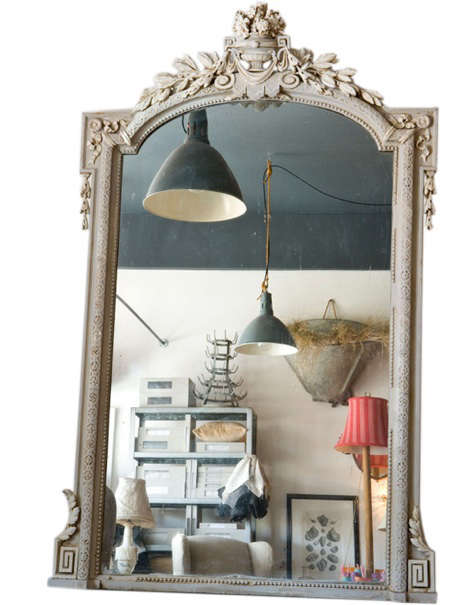
Its atmosphere has often been described as French-influenced, collected, and a little flea-market romantic. Think vintage mirrors catching gray Seattle daylight, rattan bistro chairs, weathered wood, ticking fabrics, tabletop pieces, old-world silhouettes, and enough texture to keep a neutral room from slipping into oatmeal territory.
Why Seattle Is the Perfect Home for This Kind of Shop
Seattle has a natural relationship with layered interiors. The city’s weather practically begs for texture: wool throws, linen curtains, warm lamps, old wood, woven baskets, and deep sofas that say, “Rain again? Excellent, we prepared for this.” The Pacific Northwest design mood often balances practicality with craft, nature, comfort, and quiet sophistication.
That makes Red Ticking feel right at home. Its mix of antique character and usable design fits Seattle’s taste for homes that are beautiful but not overly precious. This is not the kind of shop where everything seems too delicate to touch. It is more like a well-edited cabinet of possibilities: a striped cushion here, a vintage table there, a mirror that makes the hallway look twice as interesting, and a fabric swatch that suddenly convinces you your breakfast nook has been underperforming emotionally.
The Shopper’s Diary Experience
A visit to Red Ticking is less about checking items off a list and more about paying attention. The best finds are often not the loudest. A small red ticking pillow may be tucked beside a worn leather chair. A stack of folded textiles may sit near antique tableware. A vintage mirror may reflect the whole shop back at you like a very chic portal.
For shoppers, the key is to slow down. Scan high and low. Open your mind to pieces that do not match perfectly but feel connected through color, age, scale, or texture. In a shop like this, the magic is in combinations. A red stripe against raw wood. A refined mirror above a rustic console. A simple café curtain softening a kitchen window. A crisp ticking cushion calming down a dramatic floral chair.
That is the Red Ticking lesson: character comes from contrast. Old with new. Smooth with rough. Pattern with plain. European inspiration with Seattle practicality. A room should not look like it was purchased in one afternoon, even if, technically, you did panic-buy three pillows before lunch.
How to Use Red Ticking Stripe at Home
Start Small With Pillows
If you are new to ticking stripe, pillows are the easiest starting point. A pair of red ticking pillows can brighten a white sofa, soften a leather chair, or bring a cottage note to a modern bench. Because the pattern is narrow and orderly, it reads almost like a texture from across the room.
For a balanced look, mix ticking with solids, washed linen, velvet, or small florals. Avoid making every pillow match. A sofa dressed in identical cushions can feel flat, while varied textures and patterns create depth. Try one red ticking pillow, one solid linen pillow, and one small-scale print. Suddenly the sofa has a personalityand possibly better social skills than some guests.
Try Café Curtains in a Kitchen or Breakfast Nook
Red ticking café curtains are a classic move for kitchens. They provide softness and privacy without blocking all the light. In a white kitchen, they add just enough warmth. In a darker kitchen, they bring charm without shouting. Use simple rods and clips for a casual look, or add a tailored header if you prefer a cleaner finish.
The beauty of café curtains is that they feel approachable. They do not announce, “An interior designer has entered the chat.” They say, “Someone here drinks coffee, owns a wooden spoon, and may have strong opinions about jam.”
Use It on Bench Cushions and Banquettes
Red ticking is excellent for built-in benches, mudroom seats, breakfast banquettes, and window seats. Its historical durability makes sense for hard-working areas, while the stripe keeps the look crisp. A ticking cushion paired with painted cabinetry, woven baskets, and brass hooks can turn an ordinary mudroom into a magazine-worthy landing zone for coats, boots, bags, and the mysterious single glove that appears every winter.
Line Baskets, Trays, and Open Shelves
For a subtler approach, use red ticking as a liner for baskets or trays. It adds a tailored edge without overwhelming the room. A fabric-lined basket in a laundry room, pantry, or bathroom can make everyday storage feel intentional instead of “I shoved things here because company was coming.”
Reupholster One Statement Piece
If you love the look, consider using ticking stripe on a single chair, ottoman, or footstool. The trick is restraint. One striped piece can be charming. Six striped pieces can start to feel like your furniture has formed a marching band. Pair a red ticking chair with a plain sofa, natural rug, and vintage wood table for a collected look.
Why Ticking Stripe Still Feels Timeless
Ticking stripe has lasted because it is both practical and pretty. It comes from utility, which gives it authenticity. It has enough pattern to add interest but not so much that it dominates. It belongs in farmhouse interiors, coastal cottages, French country rooms, traditional homes, and even modern spaces that need a little warmth.
Red ticking, specifically, adds a quiet spark. Blue ticking can feel cool and classic. Black ticking can feel graphic. Red ticking feels warmer, more nostalgic, and slightly playful. It pairs beautifully with cream, navy, sage green, warm wood, faded florals, rattan, iron, and antique brass.
It also works across seasons. In summer, red ticking feels fresh with white slipcovers and woven baskets. In fall, it warms up with plaids, brown leather, and wood tones. During the holidays, it looks festive without requiring your house to wear a sweater with bells on it.
What to Look for When Shopping Red Ticking Pieces
Check the Fabric Weight
Not all ticking stripe fabrics are the same. Some are sturdy enough for upholstery, while others are better suited for curtains, pillows, or decorative projects. For chairs, benches, and ottomans, look for heavier fabric or ask whether it is appropriate for upholstery.
Study the Stripe Scale
Narrow stripes feel subtle and traditional. Wider stripes feel bolder and more graphic. For small rooms, tiny ticking stripes often work best because they read as texture. For statement furniture, a slightly larger stripe can create more visual impact.
Consider the Background Color
A crisp white background feels fresh and clean, while cream or natural linen feels warmer and more vintage. If your room already has warm wood, aged brass, or antique pieces, cream-based ticking may blend more naturally.
Think About Maintenance
Red ticking can be family-friendly, but always consider where it will live. Removable pillow covers and washable café curtains are easier to maintain than fixed upholstery. If you have pets, children, or snack-loving adults, performance fabric or washable cotton blends may save your sanity.
Design Lessons From Red Ticking’s Look
The Red Ticking style is not about copying a showroom. It is about building a room with patience. Here are the main design lessons shoppers can take home:
- Mix eras: Pair vintage pieces with modern comfort so the room feels collected, not frozen in time.
- Use stripes as texture: Ticking stripe can behave like a neutral when the scale is small.
- Add one memorable object: A mirror, lamp, antique table, or unusual chair can anchor a room.
- Layer natural materials: Linen, rattan, wood, ceramic, wool, and metal create depth.
- Repeat color gently: A red stripe can connect to a book spine, artwork, flower arrangement, or rug detail.
The goal is not perfection. In fact, perfection can be the enemy of charm. A room becomes more interesting when it allows a little age, a little contrast, and a few pieces that make visitors ask, “Where did you find that?”
Who Will Love Shopping at Red Ticking?
Red Ticking is especially appealing to shoppers who love interiors with soul. If you enjoy vintage markets, European textiles, custom upholstery, antique mirrors, relaxed luxury, and pieces that do not look mass-produced, this kind of shop is your natural habitat.
It is also ideal for people who know their home needs something but cannot quite name it. Sometimes that “something” is a lampshade. Sometimes it is a striped cushion. Sometimes it is permission to stop buying matching sets and start choosing pieces with personality. Matching sets are fine, of course, but too many of them can make a home look like it is waiting for a barcode scanner.
How to Bring the Seattle Red Ticking Feeling Into Any Home
You do not need to live in Seattle to borrow the look. Start with a restrained palette: cream, white, faded red, warm wood, and maybe a little navy or moss green. Add ticking stripe in one or two places. Bring in a vintage element, such as an old mirror, framed textile, antique stool, or weathered side table. Then soften the room with linen, books, flowers, and warm lighting.
For a living room, try a neutral sofa, red ticking pillows, a wood coffee table, a ceramic lamp, and an antique mirror. For a bedroom, use ticking shams with white bedding and a faded quilt. For a kitchen, hang ticking café curtains and display everyday dishes on open shelving. For an entryway, place a striped cushion on a bench and add baskets underneath.
The most important rule is to avoid making the theme too obvious. A little ticking stripe is charming. A whole room of ticking stripe may cause guests to wonder whether they accidentally checked into a historical mattress exhibit.
Shopper’s Diary: Personal Experiences and Practical Reflections
Shopping for red ticking pieces is one of those experiences that starts innocently and becomes oddly philosophical. You walk in thinking about fabric. You walk out reconsidering your relationship with your curtains. That is the power of a good home shop: it makes you see your own rooms with fresh eyes.
The first lesson is that scale matters more than most shoppers expect. A ticking stripe that looks tiny on a fabric sample can become surprisingly lively when stretched across a long cushion. On the other hand, a stripe that looks bold in your hand may soften beautifully once it is broken up by folds, seams, and pillows. When shopping, it helps to step back. Hold the fabric at arm’s length. Imagine it across a window, a sofa, or a breakfast bench. Your future self, standing in the kitchen with a cup of coffee, will thank you.
The second lesson is that red is not always loud. Many people avoid red in interiors because they picture fire-engine walls or holiday decorations that never learned when to leave. Red ticking is different. Because the stripe is narrow and usually set against white, cream, or linen, it adds warmth without taking over. It can make a neutral room feel happier, especially in a city like Seattle where gray skies sometimes behave like a permanent ceiling.
The third lesson is to shop with a room in mind, but not with tunnel vision. A shopper may come in looking for curtains and discover a small stool that solves an entryway problem. Or a vintage mirror may inspire a whole bathroom refresh. The best home pieces often work because they create a feeling, not because they match a spreadsheet. That said, measurements are still your friend. Romantic shopping is wonderful; returning an oversized bench because it blocks the refrigerator is less poetic.
Another helpful experience is to touch everything you are allowed to touch. Textiles are not just visual; they are physical. A ticking fabric may feel crisp, soft, thick, washed, rustic, or refined. Those differences matter. A stiff fabric might be perfect for a structured shade, while a softer one might make better pillows. A heavier weave may suit upholstery, while a lighter one may flutter nicely at a window.
There is also a budgeting lesson hidden inside shops like Red Ticking. Not every purchase needs to be large. A small pillow, remnant, tea towel, or basket liner can bring the look home without requiring a dramatic financial speech at dinner. On the other hand, investing in one excellent piecea custom bench cushion, antique mirror, or reupholstered chaircan change a room more than five forgettable accessories.
Finally, the Red Ticking experience reminds shoppers that homes should be built over time. The most inviting rooms rarely look completed in one weekend. They gather layers: a stripe from one trip, a mirror from another, a chair rescued from a corner, a fabric chosen because it made the whole room feel warmer. That slow approach is not only more sustainable; it is more personal. A home should tell your story, even if one chapter is titled “The Day I Bought Three Red Striped Pillows and Felt Absolutely Correct About It.”
Conclusion
Red Ticking in Seattle is more than a home shop; it is a reminder that good design often begins with curiosity. The store’s mix of antique finds, custom upholstery, European textile influence, and Seattle warmth offers a practical lesson for anyone decorating a home: choose pieces with texture, history, and character. Red ticking stripe fabric captures that philosophy perfectly. It is humble but handsome, traditional but flexible, and capable of making a room feel finished without making it feel staged.
Whether you are shopping in Madison Valley or simply borrowing inspiration from afar, the red ticking look is easy to adapt. Start small, layer thoughtfully, mix old and new, and let one or two striped details bring rhythm to the room. Your home does not need to be perfect. It just needs to feel collected, comfortable, and unmistakably yours.