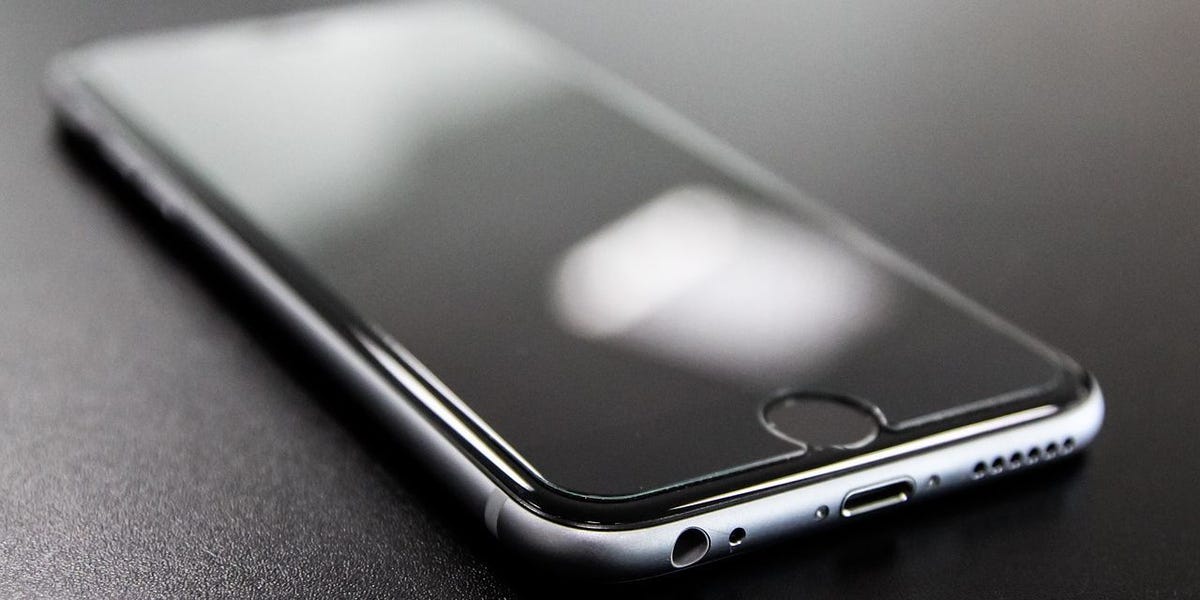
When Apple speaks, the tech world usually expects a shiny product reveal, a mysterious “one more thing,” or at least a new charging cable to argue about. But in February 2016, Apple CEO Tim Cook delivered something very different: a public letter opposing a federal court order that required Apple to help the FBI access an iPhone tied to the San Bernardino terrorist attack.
The case quickly became one of the most important technology and privacy battles in modern American history. It was not merely about one iPhone, one investigation, or one company trying to guard its brand image like a dragon sitting on a pile of aluminum laptops. It was about encryption, law enforcement access, national security, consumer privacy, software integrity, and the dangerous possibility of creating a tool that could weaken security for millions of people.
The core issue was simple to state but difficult to solve: should Apple be forced to create software that would help investigators bypass security protections on the locked iPhone of one of the San Bernardino shooters? Apple said no. The U.S. government said the request was lawful, limited, and necessary. The public, legal experts, engineers, privacy advocates, and politicians immediately jumped into the debate. The result was a national conversation about whether secure devices can stay secure if governments can compel companies to break their own protections.
The Background: Why the San Bernardino iPhone Mattered
On December 2, 2015, a mass shooting in San Bernardino, California, left 14 people dead and many others injured. Investigators recovered an iPhone 5C issued by San Bernardino County to one of the attackers, Syed Rizwan Farook. The phone was locked with a passcode, and the FBI believed it might contain information relevant to the investigation, including possible contacts, communications, or clues about planning.
At first glance, the request sounded straightforward: law enforcement had a warrant and wanted access to a device connected to a serious terrorist attack. For many Americans, the emotional weight of the case made Apple’s refusal seem difficult to understand. Why not help unlock one phone in one awful case?
Apple’s answer was that the request was not really about unlocking one phone. According to Apple, the government wanted the company to create a special version of iOS that would disable security features, including protections against repeated passcode guesses. In plain English, the FBI wanted Apple to build a tool that would make it easier to brute-force the passcode. Apple argued that once such software existed, it could become a master keyperhaps not literally for every iPhone in one click, but dangerously close in principle.
What the Court Ordered Apple to Do
The federal order relied on the All Writs Act, an old law that allows courts to issue orders necessary to support their jurisdiction when no other law directly applies. The government argued that Apple’s technical assistance was necessary to execute a valid search warrant. Apple argued that the order stretched the law too far and forced a private company to create new code against its will.
This detail matters. The FBI was not simply asking Apple to hand over data already stored on its servers. Apple had already said it complied with lawful requests for data in its possession. The dispute centered on whether Apple could be compelled to design, sign, and deliver new software that weakened security on the device.
That distinction turned the case from a normal evidence request into a constitutional, technical, and ethical heavyweight fight. Imagine asking a locksmith to open a door. Now imagine asking the locksmith to invent a new universal door-weakening machine, promise it will only be used once, and then act surprised when every burglar on Earth suddenly becomes very interested in locksmith engineering. That was Apple’s nightmare scenario.
Apple’s Public Response: A Warning About a Backdoor
Apple’s public letter to customers was direct, unusually forceful, and written in a way that ordinary users could understand. Tim Cook emphasized that Apple had cooperated with the FBI where it could, including providing available information and offering technical advice. But the company drew a line at creating software that would undermine the security features built into the iPhone.
Apple described the government’s demand as an attempt to build a “backdoor” into the iPhone. The term became the emotional and technical center of the debate. A backdoor is a method of access that bypasses normal security. Government officials disliked that label, arguing that the request was limited to one device. Apple and many security experts countered that digital tools do not always remain limited once created.
The company’s concern was not just that the FBI would use the tool. It was that other agencies, future administrations, foreign governments, hackers, or criminals might eventually demand, steal, copy, or recreate similar tools. In cybersecurity, a weakness built for the “good guys” can become a weakness used by everyone. Software does not check badges at the door.
Why Encryption Became the Main Character
Encryption is the technology that scrambles data so only authorized users can read it. On smartphones, encryption protects photos, messages, passwords, health data, financial information, location history, and other deeply personal details. For most people, a phone is not just a phone. It is a diary, wallet, photo album, map, mailbox, and occasionally a device used to search “why is my cat staring at the wall at 2 a.m.”
Apple had strengthened iPhone encryption in the years before the San Bernardino case, especially after growing public concern about surveillance and data breaches. Stronger encryption meant Apple itself could not easily unlock newer devices. That was the point. A system that Apple cannot unlock for itself is harder for hackers, thieves, and hostile governments to unlock too.
The FBI’s argument reflected a long-running law enforcement concern often called the “going dark” problem. Investigators worry that strong encryption can prevent access to evidence even with a warrant. In their view, the legal authority to search can become useless if the technical ability to search disappears.
Apple’s answer was that weakening encryption for investigations also weakens it for everyone else. Privacy advocates agreed, warning that secure systems cannot include special holes that only responsible people use responsibly. The internet, sadly, is not famous for leaving holes alone.
The Government’s Position: One Phone, Serious Case
The Justice Department and FBI argued that the request was narrow, lawful, and tied to a major terrorism investigation. They said the order did not require Apple to break encryption for all users or create a general surveillance tool. Instead, the government framed the request as technical assistance for one specific iPhone connected to one specific search warrant.
From the government’s perspective, the phone might have contained valuable information. Investigators had a duty to pursue every lead, especially after an attack that caused devastating loss. For many supporters of the FBI’s position, Apple’s refusal looked like a company placing abstract privacy concerns above public safety.
That view had real public support. A Pew Research Center survey released during the dispute found that more Americans initially sided with the Justice Department than with Apple. The numbers showed how emotionally and politically complex the issue was. People valued privacy, but many also wanted investigators to have every possible tool after a deadly attack.
The controversy therefore did not divide neatly into “privacy people” versus “security people.” Most Americans wanted both. They wanted safe communities and secure phones. They wanted law enforcement to stop threats and companies to protect personal data. Unfortunately, technology rarely lets society order the combo meal without choosing a side dish.
Apple’s Bigger Fear: Precedent
Apple’s strongest argument was about precedent. If the government could force Apple to create software to bypass iPhone protections in this case, what would stop similar orders in future cases? Once a legal path exists, other prosecutors may use it. Other governments may demand it. The “one phone” argument could become “one more phone,” then “just these ten phones,” then “welcome to the spreadsheet.”
Apple also pointed out that the requested software would not be a harmless switch. It would need to be developed, tested, signed, and protected. The company would be compelled to use its trusted software-signing authority to make the iPhone accept the weakened code. That raised concerns about compelled speech, corporate autonomy, and whether the government could force engineers to write code that conflicted with the company’s security commitments.
Legal analysts also debated whether the All Writs Act was the right tool. Critics argued that using an old general-purpose statute to force a modern technology company to build new hacking software was a legal stretch. Supporters argued that courts have long been able to require reasonable assistance from third parties when executing warrants.
Why Security Experts Paid Close Attention
Cybersecurity professionals understood the technical stakes immediately. The iPhone 5C in question did not have the same Secure Enclave protections found in later iPhones, which made the case technically specific. But the principle was broader: could a company be ordered to undermine its own security architecture?
Experts warned that even if the tool worked only on one model or one device, the precedent could pressure companies to design future systems with government access in mind. That would affect not only phones but also messaging apps, cloud storage, smart-home devices, cars, medical technology, and any connected product that stores sensitive data.
The debate also reminded people that security tools are rarely isolated. A vulnerability created for lawful access can inspire copycats. A secret technique can leak. A government tool can be stolen. A carefully controlled method can become uncontrolled the moment it leaves the lab. In the world of cybersecurity, “trust us, nothing will go wrong” is not a plan; it is the opening scene of a very expensive incident report.
How the Case Ended Without a Final Court Ruling
The legal showdown did not end with a dramatic Supreme Court decision. Instead, the government found another way into the phone. In March 2016, the Justice Department said a third party had helped the FBI access the iPhone without Apple’s assistance. The government then moved to vacate the order compelling Apple’s help.
This ending was both practical and unsatisfying. Investigators got access to the device, but the central legal question remained unresolved. No final ruling clearly answered whether the government could force a company like Apple to create security-bypassing software under the All Writs Act.
For Apple, the withdrawal looked like proof that forcing the company to build a backdoor had not been the only option. For the FBI, the successful unlock did not eliminate the broader concern that encryption can block evidence in other cases. For everyone else, it was like watching a courtroom thriller end because someone found a spare key under the mat.
Public Opinion: Why the Debate Was So Hard
The Apple-FBI dispute was difficult because both sides appealed to values Americans care about deeply. The FBI spoke the language of justice, victims, warrants, and national security. Apple spoke the language of privacy, cybersecurity, civil liberties, and long-term risk.
Neither concern was imaginary. Terrorism investigations matter. So does digital security. A society cannot ignore violent threats, but it also cannot casually weaken the tools that protect millions of innocent people from identity theft, stalking, corporate espionage, and authoritarian surveillance.
The case forced people to confront an uncomfortable truth: there may be no magic solution that gives law enforcement guaranteed access while keeping everyone else locked out. Many policymakers have searched for “exceptional access,” a special lawful-access mechanism that only authorized officials can use. Many cryptographers respond with the same basic warning: a door built into a wall is still a door, even if you put a very official-looking sign on it.
What Businesses Learned From Apple’s Stand
The San Bernardino iPhone dispute became a landmark case study for technology companies. It showed that privacy promises are not just marketing slogans. They can become legal positions, public relations battles, and engineering commitments.
Apple’s response strengthened its image as a privacy-focused company. That mattered commercially, especially as consumers became more aware of data collection, hacking, and surveillance. But the stand also carried risks. Apple had to defend itself against accusations that it was obstructing a terrorism investigation. It had to explain a complex technical issue to a public that understandably wanted answers after a tragedy.
The company’s strategy worked partly because it communicated clearly. Apple did not merely say, “No.” It explained that it had helped where it could, then argued that the requested action would create a broader danger. That distinction helped frame the case as a security issue, not a refusal to support law enforcement.
Why the Case Still Matters Today
Although the dispute happened in 2016, the questions remain current. Governments around the world continue to debate encryption. Law enforcement agencies still argue that locked devices and encrypted messaging can hide evidence. Technology companies and privacy advocates still warn that weakening encryption creates systemic risk.
The rise of cloud computing, end-to-end encrypted messaging, biometric authentication, and artificial intelligence has only made the debate more complicated. Modern phones contain more personal information than ever. At the same time, criminal investigations increasingly involve digital evidence. The Apple-FBI case remains a reference point because it captured the tension so clearly.
It also showed that public trust is fragile. Users expect companies to protect their data. Governments expect companies to obey lawful orders. Companies are stuck in the middle, trying to comply with law while defending the security architecture their customers rely on. It is not exactly the kind of problem you solve by restarting the router.
Analysis: Was Apple Right to Speak Out?
Apple’s decision to speak out was controversial, but strategically and ethically significant. The company recognized that the issue was bigger than one device. By going public, Apple transformed a sealed technical demand into a national debate about the future of digital privacy.
Critics argued that Apple could have quietly helped the FBI under strict controls. But Apple’s concern was that quiet compliance would create a hidden precedent. If the first forced backdoor is built in secret, the public never gets to debate whether such power should exist.
Supporters of Apple’s position saw the case as a defense of ordinary users. Encryption protects teenagers, parents, journalists, businesses, activists, doctors, lawyers, and anyone who has ever stored a password in a notes app despite being told absolutely not to do that. Weakening phone security does not only affect criminals. It affects everyone.
At the same time, the government’s concerns should not be dismissed. Investigators face real challenges when evidence is inaccessible. Victims and families deserve thorough investigations. The question is not whether law enforcement should investigate serious crimes. The question is whether the solution should require companies to create tools that could reduce security for the public at large.
Experiences and Lessons Related to the Apple-FBI iPhone Fight
One useful way to understand the Apple-FBI dispute is to imagine the experience of an ordinary smartphone user watching the story unfold. Before this case, many people thought of phone security as a personal convenience: a passcode kept nosy friends, curious siblings, or a lost-phone finder from opening private messages. After the San Bernardino case, the public began to see phone security as part of a national infrastructure debate.
The first lesson is that privacy is easiest to value before a crisis. In calm moments, people generally like the idea that their photos, messages, financial accounts, and location history are protected. During a frightening investigation, however, privacy can start to look like an obstacle. The Apple case showed how quickly public opinion can shift when security fears become immediate. That does not make people hypocritical; it makes them human. Fear has a way of grabbing the steering wheel.
The second lesson is that technical design choices become social choices. Apple’s encryption system was not just a feature buried in a settings menu. It shaped what Apple could and could not provide to investigators. Strong encryption changed the balance of power between users, companies, hackers, and governments. When engineers design security systems, they are also shaping future legal and political debates.
The third lesson is that trust depends on consistency. Apple had spent years telling customers that privacy mattered. When the FBI order arrived, Apple had to decide whether that promise was flexible branding or a real principle. By resisting the order publicly, Apple showed that its privacy position had teeth. Whether someone agrees with Apple or not, the company’s response demonstrated how brand values become meaningful only when they cost something.
The fourth lesson is that “just this once” is rarely simple in technology. In everyday life, exceptions can be harmless. Borrowing a friend’s charger just this once? Fine. Eating cake for breakfast just this once? Questionable, but spiritually understandable. Creating a security-bypassing software tool just this once? That is different. Digital tools can be copied, studied, adapted, leaked, demanded again, or used as legal precedent. In technology policy, exceptions have a habit of growing legs.
The fifth lesson is that public communication matters. Apple’s open letter helped millions of non-engineers understand why the company objected. The FBI and DOJ also communicated their position by emphasizing victims, warrants, and investigative duty. The dispute became a lesson in how complex cybersecurity issues must be explained in human terms. People do not rally around “cryptographic key derivation architecture.” They rally around safety, trust, fairness, and the fear that their private lives could become less private.
The sixth lesson is that unresolved legal questions do not disappear. Because the government accessed the phone through a third party, the court never delivered a final answer on the biggest issue. That left future policymakers, judges, and companies to continue wrestling with the same conflict. In a sense, the case ended without ending. It became a bookmark in the larger story of encryption and government power.
For publishers, educators, business leaders, and technology users, the Apple-FBI case remains a powerful example of how one locked phone can unlock an entire national debate. It reminds us that cybersecurity is not only about code. It is about law, trust, power, responsibility, and the kind of digital society people want to live in.
Conclusion: One iPhone, Millions of Questions
Apple’s opposition to the order to help decrypt the San Bernardino shooter’s iPhone was more than a corporate refusal. It was a defining moment in the modern encryption debate. The company argued that creating a tool to bypass iPhone security would endanger users far beyond the single investigation. The government argued that access was necessary to pursue justice in a serious terrorism case.
The case ended when the FBI accessed the phone without Apple’s help, but the broader conflict remains alive. Every year, new technologies create new versions of the same question: how should society balance privacy, security, innovation, and lawful investigation?
There is no easy answer. But the Apple-FBI dispute made one thing clear: the design of digital security is not a small technical detail. It is a public issue with consequences for everyone who carries a smartphone, uses encrypted apps, stores family photos, runs a business, or simply expects private information to stay private. In other words, almost all of us.