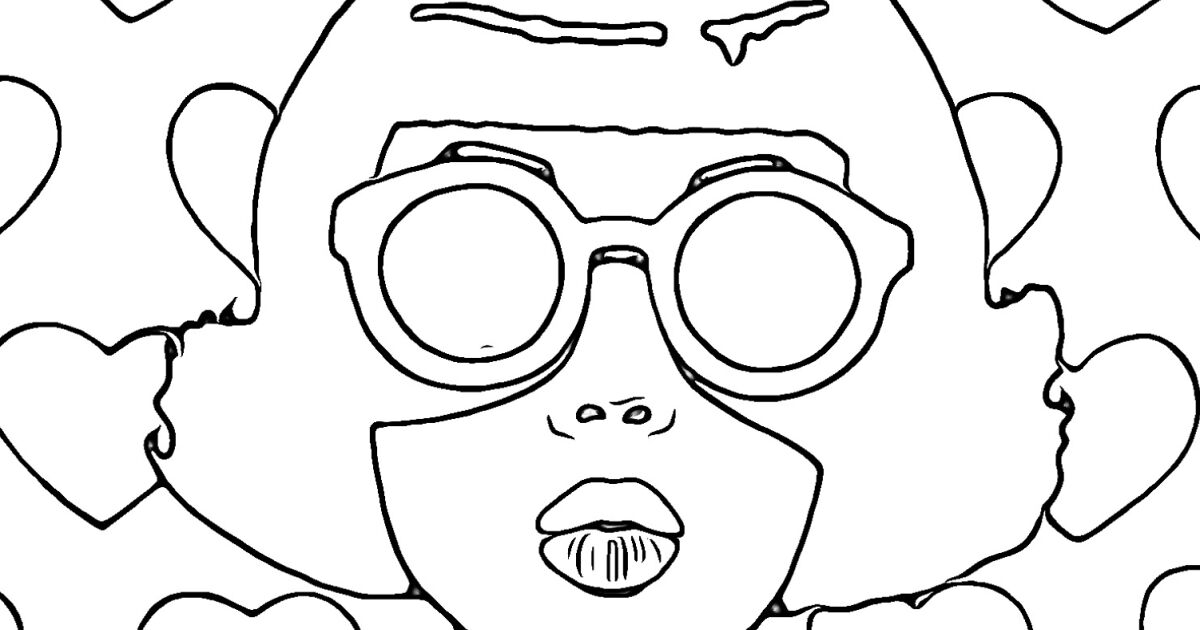
Sometimes activism arrives with a microphone. Sometimes it marches down a street. And sometimes, wonderfully, it shows up holding a box of colored pencils and asking, “Do you want the purple marker or the teal one?” That is the charm of PFLAG Rockland’s LOVE UNITES US Coloring Book, a community-minded art project that brought together 40 artists to create original coloring pages in support of LGBTQ+ people, families, friends, and allies in Rockland County, New York.
The idea sounds simple: artists donate line art, the community colors it in, and proceeds help fund support, education, and advocacy. But simple does not mean small. A coloring page can become a quiet form of public care. A heart, a rainbow, a dancing figure, a pair of joined hands, or a garden in bloom can say what many people need to hear: you belong here, your family matters, and love is not a limited-edition product hiding on the top shelf.
This project matters because it turns creativity into action. It gives artists a way to support PFLAG Rockland’s mission while giving families, children, adults, and allies a hands-on way to participate. In a world where online arguments can feel louder than actual human kindness, coloring pages are refreshingly disarming. Nobody expects a crayon to be political, yet here it is, doing community work in broad daylight.
What Is PFLAG Rockland’s LOVE UNITES US Coloring Book?
PFLAG Rockland describes itself as an organization for families, allies, and friends of the LGBTQ+ community. Its core message is clear and memorable: support, educate, and advocate. The LOVE UNITES US Coloring Book fits naturally into that mission because it is both welcoming and practical. It raises awareness, invites participation, and helps fund local programming for people who may need support during coming out, family conversations, school challenges, policy debates, or everyday moments of uncertainty.
The 2025 coloring book project featured artwork from 40 participating artists. Public materials connected the book to an artists’ celebration at Valley Cottage Library, with live music, refreshments, a guest speaker, and an opportunity for attendees to meet artists and support LGBTQ+ individuals and their families. That combination is important. The book was not merely a product; it was part of a community gathering.
At its heart, the project answers a beautifully human question: What can artists do when people need encouragement? In this case, they can draw. They can contribute. They can transform blank space into something another person can finish with color, imagination, and perhaps a little glitter if the household rules allow it.
The 40 Artists Behind the Creative Solidarity
The participating artists represented a wide range of styles and creative voices. The publicly shared artist roster includes Amanda Lynne, Angela Denise, Aviva Sakolsky, Barbara Chen, Cari Skier, Carol Flaitz, Carol Nussbaum, Carolyn Schlam, Cass McVety, Christina Alamo, Cornell Carelock, Demeree Douglas, Elizabeth Lauri, Ellen Woods, Erwin Ong, Faryal Ryan, Gary Bleiweiss, GhaztBoi, Greer Jonas, Hailey Schott, Janet Pirozzi Riolo, Jerm Jr, John Cunnane, Kamila Agi-Mejias, Kristen Lynn Ianuzzelli, Laterina Taylor, Lila Rose, Lisa Faigin, Liz Klein, Masako Birmingham, Maz Diarrassouba, MJ Mirbaba, Nat Moss, Nicholas Marino, Paige Trocchia, Rachel Sharp, Salma Shamy, Shanice Figeroux, Stephanie Castillo-Almonte, and Tania Saiz.
That list is more than a roll call. It is the architecture of a collaborative message. Each artist contributed a visual language of their own, yet the collection appears to orbit shared themes: love, unity, pride, acceptance, family, joy, and solidarity. Some designs may lean playful, others symbolic, others decorative or emotional. Together, they create a book that feels less like a single statement and more like a chorus.
Coloring books are especially suited to this kind of collaboration because every page is unfinished by design. The artist begins the conversation with lines. The person coloring replies with choices. A child may turn a heart rainbow-striped. An adult may shade flowers in calming blues. A grandparent may color outside the lines and call it “abstract expressionism,” which is both valid and very convenient.
Why Coloring Pages Work So Well for LGBTQ+ Community Support
Coloring pages are accessible in a way that many forms of art are not. You do not need a studio, a gallery wall, a large budget, or an advanced degree in “knowing what the painting means.” You need a printed page and something that makes marks. That low barrier matters for community projects. It allows people of different ages, abilities, and artistic confidence levels to participate without feeling judged.
Coloring can also be calming. Health and wellness sources often describe coloring as a mindful activity because it draws attention toward the present moment. The repetitive motion, the visual focus, and the freedom to make small creative decisions can help the brain step away from stress. Of course, a coloring book is not a substitute for professional mental health care, and it should not be oversold as magic. Still, as a gentle self-care tool and a shared family activity, it has real value.
For LGBTQ+ families and allies, a Pride-themed coloring book can carry emotional weight. It can open conversation without forcing a lecture. It can sit on a kitchen table, in a library program, at a community center, or in a support group and quietly say, “This space is for you, too.” That message is powerful, especially for people who have spent too much time scanning rooms for signs of safety.
Creative Solidarity: More Than Pretty Pages
The phrase creative solidarity is not just decorative language. It describes a specific kind of action: using art to stand beside people. In PFLAG Rockland’s case, the artists did not merely create something attractive; they contributed work to support a cause rooted in family acceptance, LGBTQ+ visibility, and community education.
That matters because acceptance is not abstract. It shows up in whether a parent listens after a child comes out. It shows up in whether a classroom feels safe. It shows up in whether a local organization has the resources to host support meetings, share information, and advocate for inclusive policies. When artists donate time and imagination to a fundraiser, they help make those everyday supports more possible.
Art also has a way of reaching people who might resist a speech. A coloring page does not wag its finger. It invites. It says, “Come sit down. Pick a color. Stay a while.” That softness can be strategic. Not every act of advocacy needs to shout. Some of the most effective ones make people feel safe enough to listen.
The Role of PFLAG: Support, Education, and Advocacy
PFLAG National is widely known as one of the largest organizations in the United States dedicated to supporting, educating, and advocating for LGBTQ+ people and those who love them. Its roots go back to parents and families seeking a way to stand publicly with their LGBTQ+ children. That origin story still matters because family acceptance remains one of the most important forms of support a person can receive.
PFLAG Rockland carries that mission locally. Its support group meetings, community events, membership efforts, and educational resources create pathways for people who may not know where to turn. A parent may come with questions. A young person may need affirmation. An ally may want to help but worry about saying the wrong thing. PFLAG offers a place where those conversations can begin with compassion instead of panic.
The LOVE UNITES US Coloring Book fits this mission because it is both symbolic and practical. Symbolically, it celebrates LGBTQ+ people and families through art. Practically, it helps raise funds and visibility. That dual purpose is the secret sauce. And unlike actual secret sauce, it is unlikely to spill on your shirt unless you color while eating tacos.
Why Libraries Are Natural Homes for Projects Like This
Valley Cottage Library’s role as host is also meaningful. Libraries are among the most democratic spaces in American community life. They welcome readers, learners, job seekers, families, artists, students, retirees, and people who simply need a quiet table and functioning Wi-Fi. When a library hosts an art reception or community program, it signals that creativity and civic connection belong together.
A coloring book celebration inside a library is especially fitting. Books are already invitations to imagine. Coloring books add participation to that invitation. Visitors can meet artists, hear speakers, see the designs, buy the book, and understand the cause behind it. The result is not only an event; it is a public reminder that inclusion can be woven into everyday community spaces.
Common Themes in the Coloring Pages
While each artist brought a distinct approach, the project’s larger themes are easy to recognize. The title LOVE UNITES US points directly toward connection. Hearts, flowers, rainbows, hands, dancing bodies, faces, abstract patterns, and symbols of belonging all fit naturally within that message. These themes are familiar, but they are not tired. In the context of LGBTQ+ support, they become visual affirmations.
Love
Love is the emotional center of the project. Not vague greeting-card love, but practical love: showing up, listening, learning, donating, attending, and making room for people to be fully themselves.
Unity
Unity appears through collaboration. Forty artists working toward one purpose creates a visual metaphor for community. No single page has to carry the whole message because the book carries it collectively.
Acceptance
Acceptance is the difference between tolerance and welcome. A coloring book like this does not merely say LGBTQ+ people exist; it celebrates them. That distinction is huge.
Joy
LGBTQ+ advocacy often has to address pain, discrimination, and fear. Joy is not a distraction from that work. It is part of the work. A joyful coloring page can remind people that pride is not only resistance; it is also celebration.
How Families, Allies, and Educators Can Use the Coloring Book
A project like this can be used in many settings. Families can color pages together during Pride Month, National Coming Out Day, or an ordinary Sunday afternoon when everyone needs a screen break. Educators and youth leaders can use inclusive coloring pages as gentle conversation starters about respect, identity, and kindness. Community groups can host coloring circles where people share stories while they work.
For allies, buying or sharing the book can be a small but concrete act of support. Allyship sometimes sounds intimidating because people imagine they must deliver a flawless speech, quote policy from memory, and never once confuse an acronym. In reality, allyship often begins with consistent, humble actions. Support the fundraiser. Attend the event. Listen more than you talk. Correct misinformation when you hear it. And yes, color the sun green if the page asks for a little creative rebellion.
Experience-Based Reflections: What This Kind of Project Feels Like in Real Life
Community art projects have a distinctive atmosphere. They are not as formal as gallery openings, not as quiet as lectures, and not as chaotic as a craft table at a birthday party where the glue sticks have mysteriously vanished. They sit somewhere in the middle: warm, social, and slightly magical. A project like PFLAG Rockland’s coloring book gives people permission to participate at whatever level feels comfortable.
For an artist, contributing a coloring page can feel like placing a small lantern in a public window. The work may be black-and-white at first, but it carries intention. The artist knows that someone else will complete the page later, choosing colors that may be gentle, wild, symbolic, or completely unexpected. That handoff is beautiful. It requires trust. It says, “I made the lines; now you bring your own light.”
For a parent or family member, the experience can be unexpectedly emotional. Imagine sitting at a table with a child, niece, nephew, grandchild, or friend and coloring a page built around love and acceptance. The activity may seem casual, but the message underneath is steady: our family can talk about this; our home can be safe; our love is not conditional. Sometimes a quiet hour with markers can say more than a carefully planned speech.
For LGBTQ+ people, especially those who have experienced rejection or awkward silence, inclusive art can feel like a deep exhale. A coloring page will not solve every problem, but it can interrupt isolation. Seeing local organizations, artists, libraries, and allies publicly support LGBTQ+ families sends a message that people are not alone. Visibility matters because invisibility can be exhausting. So can explaining your existence for the 400th time before lunch.
For allies, the experience may be humbling in the best way. Coloring a page, attending a celebration, or buying a fundraiser book is not the end of allyship; it is an entry point. The real work continues in conversations, voting decisions, school board meetings, workplace policies, family gatherings, and the everyday choice to treat people with dignity. But entry points matter. People are more likely to keep learning when they are invited into action rather than shamed into silence.
For older adults, coloring can be a bridge across generations. Grandparents may not always have the perfect language for LGBTQ+ topics, but many understand love, loyalty, and showing up. A coloring book can give them a non-threatening way to engage. They can ask questions. They can listen. They can participate. And if they accidentally turn the Pride rainbow into a tasteful autumn palette, the world will continue spinning.
For children, the experience may be refreshingly simple. Kids often understand fairness before adults finish complicating it. They see hearts, flowers, people, rainbows, and friendly shapes. They choose colors. They ask honest questions. An inclusive coloring page can help normalize diversity early, before stereotypes harden into walls. That is one of the quiet strengths of projects like this: they let kindness become familiar.
For the broader community, the book becomes a keepsake of shared care. Years from now, someone may open it and remember the artists’ celebration, the library room, the music, the snacks, the conversations, or the person who sat beside them. Community work is built from moments like that. Not all of them trend online. Not all of them look dramatic. But together, they create the kind of place where people feel less afraid to be known.
Why This Project Deserves Attention
The internet often rewards outrage, but projects like LOVE UNITES US remind us that attention can also go to generosity. Forty artists gave their creativity to a cause. A local PFLAG chapter turned that creativity into a fundraiser. A library helped create a public gathering space. Community members had a chance to support LGBTQ+ families through something as approachable as a coloring book.
That is worth celebrating because it is replicable. Other communities can learn from it. Artists can donate work. Libraries can host inclusive events. Local organizations can create fundraisers that are joyful instead of grim. Families can participate in ways that feel natural. The model is not complicated, which is exactly why it works.
Conclusion
40 Artists That United In Creative Solidarity With PFLAG Rockland By Creating Coloring Pages is more than a long title with excellent search engine stamina. It is a story about how art, community, and advocacy can meet on the same page. The LOVE UNITES US Coloring Book shows that support does not always need to be loud to be powerful. Sometimes it is drawn in clean black lines, waiting for someone to add color.
Through donated artwork, public celebration, and a mission rooted in support, education, and advocacy, PFLAG Rockland’s project offers a hopeful example of inclusive community-building. It honors LGBTQ+ people and their families while giving allies a tangible way to help. Most importantly, it proves that creativity can be a form of care. And care, when shared by 40 artists and a whole community, has a way of coloring far beyond the page.