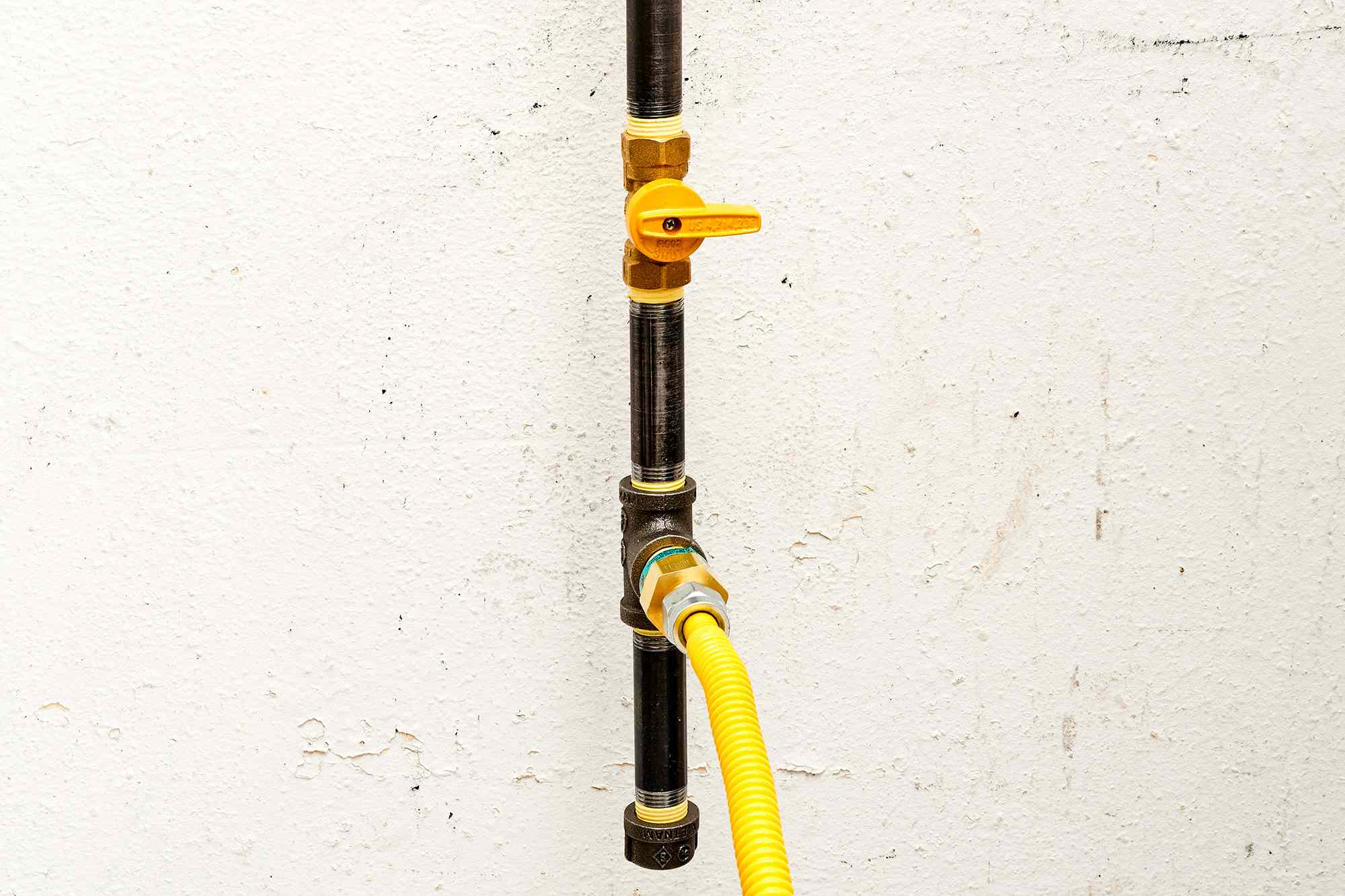
If you have ever stood in front of your water heater thinking, “That metal cylinder looks important and slightly judgmental,” you are not alone. A gas water heater is one of those household appliances most people ignore until it starts making odd noises, needs maintenance, or decides to take a vacation before you do. Knowing how to turn off the gas to your water heater is a useful home skill, whether you are leaving town, preparing for repairs, handling a minor maintenance task, or responding to a non-emergency issue.
The good news is that the basic process is usually simple. The even better news is that you do not need to be a master plumber with a flashlight clenched dramatically between your teeth. You just need to know which valve does what, how to recognize the difference between normal shutoff and a potential emergency, and when to stop and call a professional.
In this guide, you will learn how to turn off the gas to your water heater safely, what to do before and after the shutoff, and which common mistakes to avoid. We will also cover real-life situations where this skill comes in handy, because homeownership has a funny way of turning “I should probably learn that someday” into “I need this information right now.”
Why You Might Need to Turn Off the Gas to a Water Heater
There are several normal reasons to shut off the gas supply to a gas water heater. Maybe you are draining the tank for maintenance. Maybe a plumber is replacing a part. Maybe you are heading out of town and want to place the heater in a lower-use mode. Or maybe the pilot light went out and you are troubleshooting before relighting it according to the manufacturer’s instructions.
In some situations, shutting off the gas is simply a routine step. In others, it is a safety precaution. For example, if the water heater has been damaged by flooding, overheating, fire, or a visible malfunction, turning off the gas supply may be part of the first response before professional service.
That said, there is one major exception: if you smell gas strongly or suspect an active gas leak, do not stay inside trying to play detective. Leave the area immediately and call emergency services or your gas utility from a safe location. That is not the moment for bravery, curiosity, or “just one quick look.”
Know Your Water Heater Before You Touch Anything
Before you turn off the gas to your hot water heater, identify what kind of unit you have. Most homes have one of these:
Standard tank-style gas water heater
This is the most common type. It stores hot water in a tank and usually has a gas control valve or thermostat near the bottom front of the unit. It also has a manual gas shutoff valve on the gas supply pipe nearby.
Tankless gas water heater
A tankless unit heats water on demand and often has shutoff valves located under or near the unit. The process is still straightforward, but the valve layout can look a little different.
Vacation mode or low setting models
Some gas water heaters have a vacation setting on the control knob. This reduces fuel use without fully shutting down the appliance. For shorter trips, that can be more practical than a full gas shutoff.
If you still have the manufacturer’s manual, now would be a great time to use it. If not, the model number on the unit can help you find the manual online later. Either way, never force a control or guess which pipe does what.
What You Should Do Before Turning Off the Gas
Start with a quick safety check. Make sure the area around the water heater is dry, well lit, and free of flammable materials. Do not store paint, gasoline, cleaning solvents, or mystery garage liquids near the unit. If the floor is wet because of a leak, take extra care and consider professional help before proceeding.
Next, decide why you are shutting it off. The reason matters. If you are doing maintenance, you may also need to turn off the cold water supply to the tank and possibly drain the heater. If you are only pausing operation temporarily, you may only need to turn the gas control knob to the appropriate setting.
Finally, do not use tools on the gas shutoff valve unless the manufacturer specifically says to. A manual shutoff valve is generally designed to be turned by hand. If it will not move, do not muscle through it like you are opening a stubborn pickle jar. That is a good way to graduate from “minor task” to “costly service call.”
How to Turn Off the Gas to Your Water Heater: Step-by-Step
Here is the general process for a standard gas tank water heater. The exact order may vary slightly by model, but these steps are the most common and safest starting point for homeowners.
Step 1: Locate the gas control knob on the water heater
Look near the bottom of the tank for the gas control valve or thermostat. You will usually see settings such as On, Pilot, and Off. Some units may also have Vacation or a temperature dial.
Step 2: Turn the gas control knob to OFF
Rotate the control knob to the Off position. This stops the burner from firing and, on many models, also turns off the pilot function. Do this gently and make sure the pointer lines up clearly with the off marking.
Step 3: Find the manual gas shutoff valve on the supply line
Follow the gas pipe leading into the water heater. Somewhere on that line, usually within a few feet of the unit, you should see a manual shutoff valve. On many systems, this is a small lever-style valve. On others, it may be a round valve handle.
Step 4: Turn the manual gas valve to the closed position
If it is a lever-style valve, turn it so the handle sits at a right angle to the gas pipe. When the handle is parallel with the pipe, it is usually open. When it is perpendicular, it is usually closed. If it is a round handle, turn it clockwise until it stops gently.
Step 5: Confirm the heater is off
Listen for burner activity. Check that the control knob remains in the off position. If the unit has a status light, review the manufacturer’s instructions to confirm what the off condition looks like on your model.
At this point, the gas supply to the water heater should be shut off.
Do You Also Need to Turn Off the Water Supply?
Sometimes yes, sometimes no. If you are simply shutting off gas for a short maintenance step, the water supply may stay on. But if you plan to drain the tank, replace parts, or leave the home for an extended period, you may also want to shut off the cold water inlet valve to the heater.
The cold water shutoff valve is usually located above the heater on the incoming water line. Turn it clockwise if it is a round valve, or rotate the lever so it is perpendicular to the pipe if it is a quarter-turn style. If you are draining the tank, open a hot water faucet somewhere in the house to relieve pressure before attaching a hose to the drain valve.
In other words, shutting off the gas and shutting off the water are related, but they are not the same thing. One stops fuel. The other stops refill. Your maintenance goal determines whether you need both.
When Vacation Mode Makes More Sense Than Full Shutoff
If your water heater has a vacation setting, it can be a smart option when you are away for a shorter trip. Vacation mode keeps the unit from maintaining full normal temperature while still protecting the system more gently than a full shutdown in some cases.
For example, if you are leaving for a week or two, setting the heater to vacation mode may reduce energy use without requiring a complete restart later. It can also be convenient if someone may still need access to the home or if you want a faster return to normal hot water service when you get back.
Still, every model is different. Some manufacturers recommend vacation mode for standard absences, while a full gas shutoff may be more appropriate for repairs, longer downtime, or situations where the water heater itself is being serviced.
Common Mistakes to Avoid
Confusing the gas control knob with the main gas valve
Turning the control knob to off is important, but it is not always the same as closing the manual gas shutoff valve on the supply line. For a fuller shutdown, especially before maintenance, both steps are often used.
Using force on a stuck valve
If the valve resists normal hand pressure, stop. Forcing it can damage the valve or pipe connection. A technician is cheaper than a gas leak.
Ignoring signs of a real gas problem
If you smell rotten eggs, hear hissing, or feel unsure about the situation, leave. This is not the time for internet-powered courage.
Forgetting that hot water can still be hot
Even after the gas is off, the water in the tank may remain hot for hours. Treat nearby pipes, drain water, and fixtures with caution to avoid burns.
How to Turn the Gas Back On Later
Turning the gas back on is not just the reverse of the shutoff if your model requires pilot relighting or startup steps. In many cases, you will need to reopen the manual gas valve, set the control to pilot or on, and follow the exact lighting instructions printed on the heater label.
Do not improvise here. Water heater startup instructions vary by design, and relighting a pilot incorrectly is a terrible way to spice up your afternoon. Always use the instructions on the unit or in the manual. If the pilot will not stay lit, the status light flashes an error, or the unit behaves oddly after restart, contact a licensed plumber or qualified technician.
Practical Situations Where Homeowners Use This Skill
Imagine your plumber tells you they are stopping by tomorrow morning to replace a valve. Knowing how to shut off the gas beforehand can save time and make the service visit smoother.
Or maybe you are flushing the water heater to remove sediment. That maintenance task often starts with shutting down the heat source so the tank can cool and the work can be done more safely.
Another common example is travel. If you leave for an extended period, especially in a second home or rental property, you may want to reduce energy use and lower the chance of appliance issues while the house is empty.
And then there is the classic homeowner moment: you notice the pilot is out, the water is cold, and now you are standing in the utility room at 9:30 p.m. wearing socks and confusion. In that case, understanding the shutoff process helps you pause the system safely until you can troubleshoot properly.
Experience and Lessons From Real-World Water Heater Moments
Many homeowners first learn how to turn off the gas to a water heater only after something mildly chaotic happens. It is rarely part of a glamorous Saturday plan. No one wakes up and says, “Today feels like a perfect day to get emotionally acquainted with the utility closet.” Usually, the lesson arrives wrapped in inconvenience.
One common experience happens during a plumbing repair. A homeowner notices a small drip under the tank, calls a plumber, and hears the phrase, “Go ahead and turn off the gas and water to the heater before I arrive.” Suddenly, a basic household task feels like a final exam. The good news is that after doing it once, most people realize it was less mysterious than expected. The controls are usually logical, and the biggest challenge is often just recognizing which valve is which.
Another familiar situation is leaving town for a longer trip. Some people prefer vacation mode, while others feel more comfortable shutting things down more completely. What they often discover is that peace of mind matters almost as much as energy savings. Knowing the gas is off, the water supply is controlled, and the house is less likely to surprise you while you are away can make a vacation feel more like a vacation and less like remote property anxiety.
There are also lessons learned the hard way. For example, some homeowners assume that turning one knob solves everything, only to realize later that the manual gas shutoff valve on the supply pipe was still open. Others discover that the area around the heater has become a storage zone for cardboard boxes, paint cans, and assorted “I might need this one day” items. A water heater has a way of exposing household bad habits with brutal honesty.
Experienced homeowners often say the smartest move is simple: get familiar with the heater before there is a problem. Read the label. Identify the control knob. Find the manual gas shutoff valve. Locate the cold water inlet valve. Notice whether your unit has a vacation setting. This is the kind of low-drama preparation that pays off when actual drama tries to move in.
Another practical takeaway from real experience is that not every issue should turn into a do-it-yourself adventure. Shutting off the gas is generally manageable for a homeowner. Diagnosing recurring pilot failure, gas control problems, venting issues, or signs of combustion trouble is a different category. People who have dealt with repeated shutdowns often say the same thing afterward: they wish they had called a professional sooner instead of spending three evenings in a standoff with a blinking status light.
Then there is the confidence factor. Once you know how to turn off the gas to your hot water heater, you are less likely to panic during a repair, maintenance task, or appliance problem. You may still be annoyed. You may still mutter a few choice words at the utility room door. But you will not be completely at the mercy of confusion. That is a small but real homeowner victory.
In the end, this skill is not about becoming a plumbing hero. It is about being informed, calm, and safe. And honestly, in a world full of complicated adult responsibilities, learning how to shut off one very specific gas valve is a surprisingly satisfying win.
Final Thoughts
Learning how to turn off the gas to your water heater is one of those practical home-maintenance skills that feels small until the exact moment you need it. The process is usually straightforward: turn the gas control knob to off, close the manual gas shutoff valve on the supply line, and only continue with maintenance or troubleshooting if the situation is clearly safe.
The key is knowing the difference between routine shutoff and an actual gas emergency. For ordinary maintenance, a careful homeowner can often handle the basic shutoff process without much trouble. But if you smell gas or suspect a leak, leave immediately and call for help from a safe location. Hot water is nice. Explosions are deeply overrated.
Once you know where the controls are and how they work, your water heater becomes a lot less intimidating. It may still look like a giant metal tank with opinions, but at least now you know how to tell it to take a break.