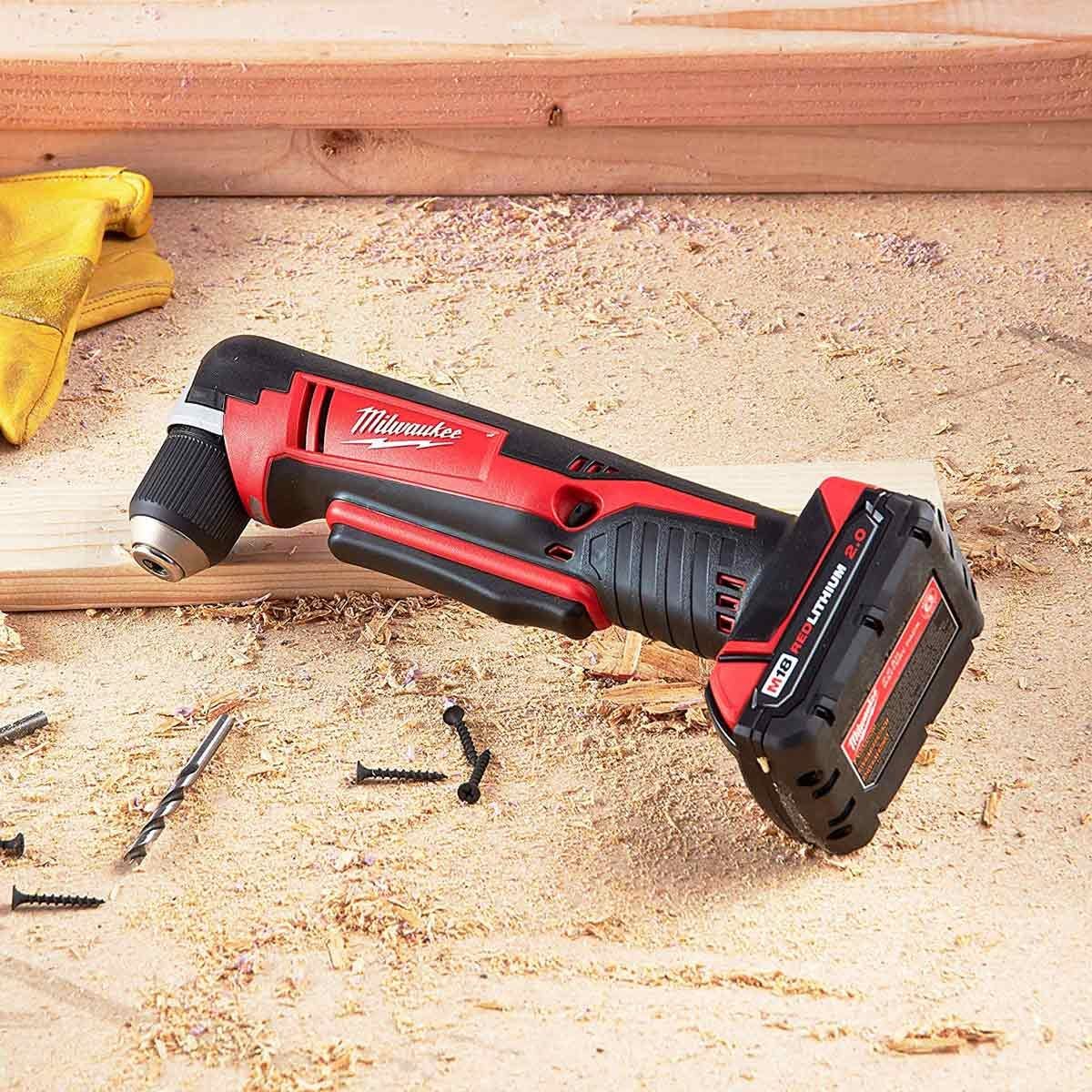
A right angle drill is one of those tools that looks oddly specific until the exact moment you need it. Then, suddenly, it becomes the hero of the toolbox. If a standard drill is the reliable pickup truck of drilling tools, a right angle drill is the compact little city car that can squeeze into the parking spot everyone else gave up on.
Designed with a chuck set at a 90-degree angle to the body, a right angle drill lets you drill holes and drive screws in places where a regular drill simply cannot fit. Think between wall studs, inside cabinets, under sinks, around floor joists, behind appliances, above your head, or in any cramped corner where your wrist starts filing a complaint.
Whether you are a homeowner hanging shelves, a remodeler running wiring, a plumber boring through framing, or a cabinet installer trying to fasten hardware without turning into a human pretzel, understanding when to use a right angle drill can save time, frustration, and possibly a few colorful words.
What Is a Right Angle Drill?
A right angle drill is a power drill with the drilling head positioned perpendicular to the handle or main body. Instead of the chuck pointing straight forward like a traditional drill, it points sideways at a 90-degree angle. This design allows the tool to fit into narrow spaces where the length of a normal drill would block access.
The basic job is the same as any drill: it rotates a bit to make holes or drive fasteners. The difference is access. A right angle drill is not usually purchased because it is faster, stronger, or flashier than a standard drill. It is purchased because sometimes the hole you need to drill is located in a place clearly designed by someone who has never held a drill in their life.
How It Differs From a Regular Drill
A standard drill has an inline shape: the motor, handle, chuck, and bit are arranged in a mostly forward-facing design. That works beautifully for open surfaces such as walls, tabletops, studs before installation, doors, and deck boards. But when the working area is tight, the drill body may be too long to line up properly.
A right angle drill changes the geometry. Because the chuck sits at a right angle, the bit can reach into narrow cavities while the body of the tool stays outside or alongside the obstruction. This makes it useful for cabinet interiors, framing bays, automotive spaces, furniture repair, electrical rough-ins, plumbing routes, and overhead work.
Common Types of Right Angle Drills
Not all right angle drills are built for the same job. Some are small, light, and perfect for occasional household work. Others are heavy-duty machines designed to bore large holes through lumber all day. Choosing the right one depends on what you plan to do with it.
1. Cordless Right Angle Drill
A cordless right angle drill runs on a rechargeable battery. It is the most convenient choice for many homeowners and contractors because it does not require an outlet or extension cord. Modern cordless models often use 12V, 18V, or 20V battery platforms, depending on the brand.
For general DIY work, cabinet assembly, furniture repair, small pilot holes, and light fastening, a compact cordless right angle drill is usually enough. It gives you mobility, easy handling, and fewer cords to trip over, which is always nice when your project already has enough ways to annoy you.
2. Corded Right Angle Drill
A corded right angle drill plugs into an electrical outlet and provides steady power without worrying about battery runtime. These tools are less common for casual DIY users today, but they still make sense for long sessions where consistent output matters.
If you are drilling many holes in framing or doing repetitive work in one area, a corded model can be dependable. The tradeoff is mobility. A cord can snag, limit movement, and make cramped work even more interesting, in the “why is this wrapped around my ladder?” kind of way.
3. Heavy-Duty Stud and Joist Drill
Some right angle drills are designed specifically for drilling through studs, joists, and framing members. These are commonly used by electricians, plumbers, HVAC installers, and remodelers. They are built to handle larger bits such as auger bits, self-feed bits, and hole saws.
These tools often have more torque, longer handles, auxiliary grips, and safety features that help control bind-up. Bind-up happens when the bit catches or stops suddenly, which can cause the tool body to twist. For demanding work, tool control is not a luxury; it is the difference between a clean hole and an unplanned wrestling match.
4. Right Angle Drill Attachment
A right angle drill attachment is not a full drill. It is an accessory that connects to your existing drill or impact driver and turns the bit at a 90-degree angle. This is a smart option if you only occasionally need to reach tight spaces.
Attachments are usually more affordable than dedicated right angle drills and can be handy for light-duty fastening or small holes. However, they may not provide the same power, durability, comfort, or control as a dedicated tool. For occasional cabinet screws, an attachment may be perfect. For drilling dozens of holes through studs, it may start begging for retirement.
When Do You Use a Right Angle Drill?
The short answer: use a right angle drill whenever a regular drill cannot fit or cannot line up squarely with the surface. The better answer is that it shines in specific situations where access, control, and angle matter.
Working Between Wall Studs
One of the most common uses for a right angle drill is drilling between wall studs. During electrical, plumbing, or low-voltage wiring work, holes often need to be drilled through framing so cables or pipes can pass through. A standard drill may be too long to fit between studs and still stay straight.
A right angle drill lets the user position the bit squarely against the stud face. That matters because angled holes can become oversized, messy, or poorly placed. A clean, straight hole is easier to work with and helps keep the project looking professional behind the walls, even if nobody will ever clap for your beautiful hidden hole.
Drilling Through Floor Joists
Right angle drills are also useful when working between floor joists. Plumbers and electricians often need to run pipes or wiring through framing cavities. In those spaces, access can be limited by nearby joists, subflooring, blocking, ducts, or existing pipes.
A heavy-duty right angle drill or stud-and-joist drill can make this work faster and more controlled. However, drilling structural framing should be done carefully. Holes must be placed correctly and sized appropriately so the framing remains strong. When in doubt, follow local building rules or consult a qualified professional.
Installing Cabinets
Cabinet installation is where a compact right angle drill earns its keep. Inside a cabinet box, especially near corners, face frames, shelves, or drawer openings, a full-size drill can feel like trying to park a school bus in a broom closet.
A right angle drill can help drive screws into tight corners, install drawer slides, mount hinges, fasten brackets, and secure cabinets to walls. It is especially helpful when you need to keep the screw straight but do not have enough room to hold a standard drill in line.
Working Under Sinks
Under-sink work is famous for poor lighting, awkward angles, and the mysterious ability of plumbing parts to always be exactly where your hand wants to go. A right angle drill can help when installing brackets, drilling pilot holes, fastening clips, or making small modifications inside a vanity or sink base cabinet.
Because the tool is compact, it gives you more control when space is limited. Add a work light or choose a drill with an integrated LED, and suddenly the dark cave under the sink becomes slightly less dramatic.
Furniture Assembly and Repair
Flat-pack furniture, built-ins, shelving units, bed frames, and entertainment centers often have fasteners hidden in corners or recessed spaces. A standard drill may work for most of the job, then fail at the final screw because, naturally, that screw lives in the most inconvenient location.
A right angle drill or right angle attachment can make furniture assembly smoother. It can reach into narrow openings, drive screws without stripping them, and reduce the need to hand-tighten fasteners one painful quarter-turn at a time.
Automotive and Mechanical Work
Right angle drills are not only for construction. They can also be useful in automotive and mechanical tasks where access is restricted by engine components, brackets, frames, or body panels. A compact model can help drill small holes, remove fasteners with the correct bit, or work around tight engine-bay areas.
For automotive use, compact size and control are usually more important than raw power. You want a tool that can reach the spot without damaging nearby parts or turning a simple task into a scavenger hunt for dropped hardware.
Right Angle Drill vs. Right Angle Attachment
One of the biggest questions is whether you need a dedicated right angle drill or just an attachment. The answer depends on frequency and workload.
A right angle attachment is best for occasional light-duty work. It is affordable, small enough to keep in a toolbox, and useful for quick tasks such as driving a screw inside a cabinet or drilling a small pilot hole in a tight corner.
A dedicated right angle drill is better if you regularly work in tight spaces or need more control. It usually has a better grip, stronger gearing, smoother operation, and more comfortable trigger placement. For repetitive drilling, professional remodeling, electrical rough-in, plumbing work, or cabinet installation, the dedicated tool is usually worth it.
What Features Should You Look For?
A right angle drill may look simple, but several features can make a big difference in real use.
Compact Head Size
The whole point of a right angle drill is access, so head size matters. A smaller head can fit into tighter spaces. When comparing tools, look at the head length and chuck profile, not just the overall tool length.
Chuck Size
Many compact right angle drills use a 3/8-inch chuck, which is fine for most light and medium drilling tasks. Heavy-duty stud and joist drills may use larger chucks or quick-change systems for bigger bits. Match the chuck to the type of work you expect to do.
Torque and Speed Settings
Torque is twisting force. More torque helps when drilling larger holes or driving bigger fasteners. Speed matters for clean drilling and efficient fastening. A two-speed gearbox is useful because it lets you choose lower speed for power or higher speed for smaller bits and faster drilling.
Comfortable Trigger Design
Many right angle drills use paddle-style triggers because hand position changes constantly in cramped work. A longer trigger can make the tool easier to operate from different angles. This is more important than it sounds, especially when your arm is wedged inside a cabinet and your dignity is already on the floor.
LED Light
Tight spaces are often dark spaces. An integrated LED light can help you see the bit, screw, or hole location. It is not essential, but once you have it, going without it feels like drilling by candlelight.
Battery Platform
If you already own cordless tools from a major brand, consider staying on the same battery platform. Sharing batteries saves money and reduces charger clutter. A right angle drill that works with batteries you already own can be a smart buy.
Safety and Control Features
For high-torque models, look for features that improve control, such as auxiliary handles, anti-kickback technology, electronic clutches, or overload protection. These are especially useful when using large bits that may bind in wood.
Best Drill Bits to Use With a Right Angle Drill
The right drill is only half the story. The bit matters just as much.
- Twist bits: Good for general drilling in wood, metal, and plastic when matched to the material.
- Brad-point bits: Useful for clean holes in wood and cabinetry.
- Spade bits: Good for rough holes in wood, though they require control and can grab.
- Auger bits: Common for boring through studs and joists, especially in trade work.
- Hole saws: Useful for larger circular openings, but they require stable handling.
- Driver bits: Used for screws, cabinet hardware, brackets, hinges, and general fastening.
Always match the bit to the material and the drill’s capacity. A small compact right angle drill is not meant to behave like a heavy-duty joist drill. Asking it to do so is like asking a toaster to bake a wedding cake: technically related, but emotionally unfair.
Safety Tips Before You Drill
A right angle drill is useful, but it is still a power tool. Read the manual, wear eye protection, secure the workpiece when possible, and keep hands away from the rotating bit. Remove the battery or unplug the tool before changing bits.
Before drilling into walls, floors, or cabinets, check for electrical wires, plumbing lines, gas lines, and hidden fasteners. Use appropriate detection tools and stop if something feels wrong. In framing work, understand where holes are allowed and when professional guidance is needed.
When drilling with large bits, hold the tool firmly. Bits can bind, especially in wood with knots or hidden nails. Use two hands when the tool design allows it, keep your stance balanced, and do not force the bit. Let the tool cut at a controlled pace.
Do Homeowners Really Need One?
Not every homeowner needs a dedicated right angle drill. If you only hang pictures, assemble furniture once a year, and occasionally tighten a loose hinge, a standard drill and a small right angle attachment may be enough.
But if you remodel, build cabinets, work on rental properties, run low-voltage cable, repair furniture, install shelving, or frequently find yourself saying, “There has to be a better way to reach that screw,” a right angle drill is worth considering.
It is not usually the first drill someone buys. It is more often the second or third drilling tool added to a collection after the standard drill/driver. But once you own one, you may start noticing all the awkward little jobs it makes easier.
Practical Examples: Where a Right Angle Drill Saves the Day
Example 1: Installing Drawer Slides
Drawer slides often require screws near the inside walls of a cabinet. A full-size drill may not fit squarely, causing screws to go in at an angle. A right angle drill allows better alignment and helps prevent stripped screws.
Example 2: Running Cable Behind a Wall
When running wiring through framing, a right angle drill can fit between studs and drill straight holes. This helps create cleaner pathways for cable and reduces the awkward body positioning needed with a standard drill.
Example 3: Repairing a Built-In Shelf
Built-ins often have corners, dividers, and fixed panels that block tool access. A compact right angle drill can reach screws tucked into corners without requiring partial disassembly.
Example 4: Working Around Plumbing
Inside a vanity cabinet, pipes may block a straight drill. A right angle drill can work beside or behind those obstacles, making small fastening and drilling tasks easier.
Common Mistakes to Avoid
The first mistake is buying the wrong size. A powerful drill is great, but if the head is too large to fit where you need it, it becomes an expensive paperweight with a trigger.
The second mistake is using too much force. Right angle drills are helpful because of access, not because they magically ignore physics. Let the bit cut, back it out to clear chips when needed, and avoid forcing the tool.
The third mistake is expecting a low-cost attachment to perform like a professional stud drill. Attachments are convenient, but they are not always built for heavy loads or long sessions. Use them within their limits.
The fourth mistake is forgetting visibility. Tight spaces are often dark, and poor visibility leads to crooked holes, scratched surfaces, and creative frustration. Use a light, mark your hole clearly, and take your time.
Buying Advice: How to Choose the Right Right Angle Drill
Start with your main use case. For cabinet work, furniture assembly, and light household repairs, choose a compact cordless model with a small head, comfortable grip, LED light, and 3/8-inch chuck.
For remodeling, wiring, plumbing, or repetitive drilling through framing, look for more torque, better handles, strong gearing, and safety features designed for larger bits. A stud and joist drill may be the better choice.
For rare tight-space jobs, buy a right angle attachment first. It gives you a low-cost way to solve occasional access problems. If you keep using it and wishing it were stronger, smoother, or easier to hold, that is your sign to upgrade.
Experience Section: Real-World Lessons From Using a Right Angle Drill
The first time you use a right angle drill, the main feeling is not excitement. It is relief. You know that moment when a screw is buried inside a cabinet corner and your regular drill is just a few inches too long? You try coming from the left, then the right, then at an angle that would make a yoga instructor nervous. Finally, you either switch to a hand screwdriver or question your life choices. A right angle drill turns that whole little drama into a normal task.
In cabinet work, the biggest benefit is control. When installing drawer slides or fastening cabinet boxes together, screw alignment matters. A standard drill often forces your wrist into an awkward position, and when your wrist is awkward, your screw usually follows. With a compact right angle drill, the bit lines up better, the tool fits deeper into the cabinet, and the screw goes where it should. It does not make you a master carpenter overnight, but it does remove one of the excuses.
Another useful lesson is that small details matter. A built-in LED light may sound like a minor feature until you are working under a sink or inside a closet. In tight areas, your head, shoulder, and tool have a special talent for blocking every available light source. A drill-mounted LED helps you see the mark, the fastener, and the bit angle without holding a flashlight in your mouth like a movie detective searching a basement.
For homeowners, a right angle attachment can be a surprisingly good starting point. It is inexpensive, easy to store, and useful for occasional tight-space screws. The limitation becomes obvious when the job gets heavier. Attachments can flex, feel less stable, or struggle with larger bits. That does not make them bad; it just means they are best treated as problem-solvers for light-duty work rather than full-time trade tools.
For repetitive drilling, a dedicated right angle drill feels much better. The grip, trigger, balance, and head design are made for awkward spaces. If you are drilling between studs, installing several cabinets, or working on a remodel, the difference is noticeable. The tool feels less like a workaround and more like the correct answer.
One practical habit is to test the fit before drilling. Place the tool, bit, and battery into the space first and check your angle. Sometimes the battery pack is what gets in the way, not the head. Other times a shorter bit solves the problem. A right angle drill gives you access, but planning the approach still matters.
The biggest takeaway is simple: a right angle drill is not an everyday tool for everyone, but it is a wonderful “when nothing else fits” tool. You may not use it every weekend. But when the project gets cramped, the screws are hidden, the studs are close, and your standard drill taps out, the right angle drill steps in like it has been waiting calmly in the toolbox for its big scene.
Conclusion
A right angle drill is a specialized drilling and fastening tool designed for tight, awkward, and hard-to-reach spaces. Its 90-degree head allows it to work where a standard drill cannot, making it valuable for cabinets, studs, joists, furniture, plumbing areas, electrical work, and mechanical repairs.
For occasional DIY tasks, a right angle attachment may be enough. For regular remodeling, trade work, or repeated tight-space drilling, a dedicated right angle drill offers better comfort, control, and durability. The key is matching the tool to the job, using the right bit, and working safely.
It may not be the flashiest tool in the garage, but when space gets tight, a right angle drill becomes the tool everyone suddenly wants to borrow.