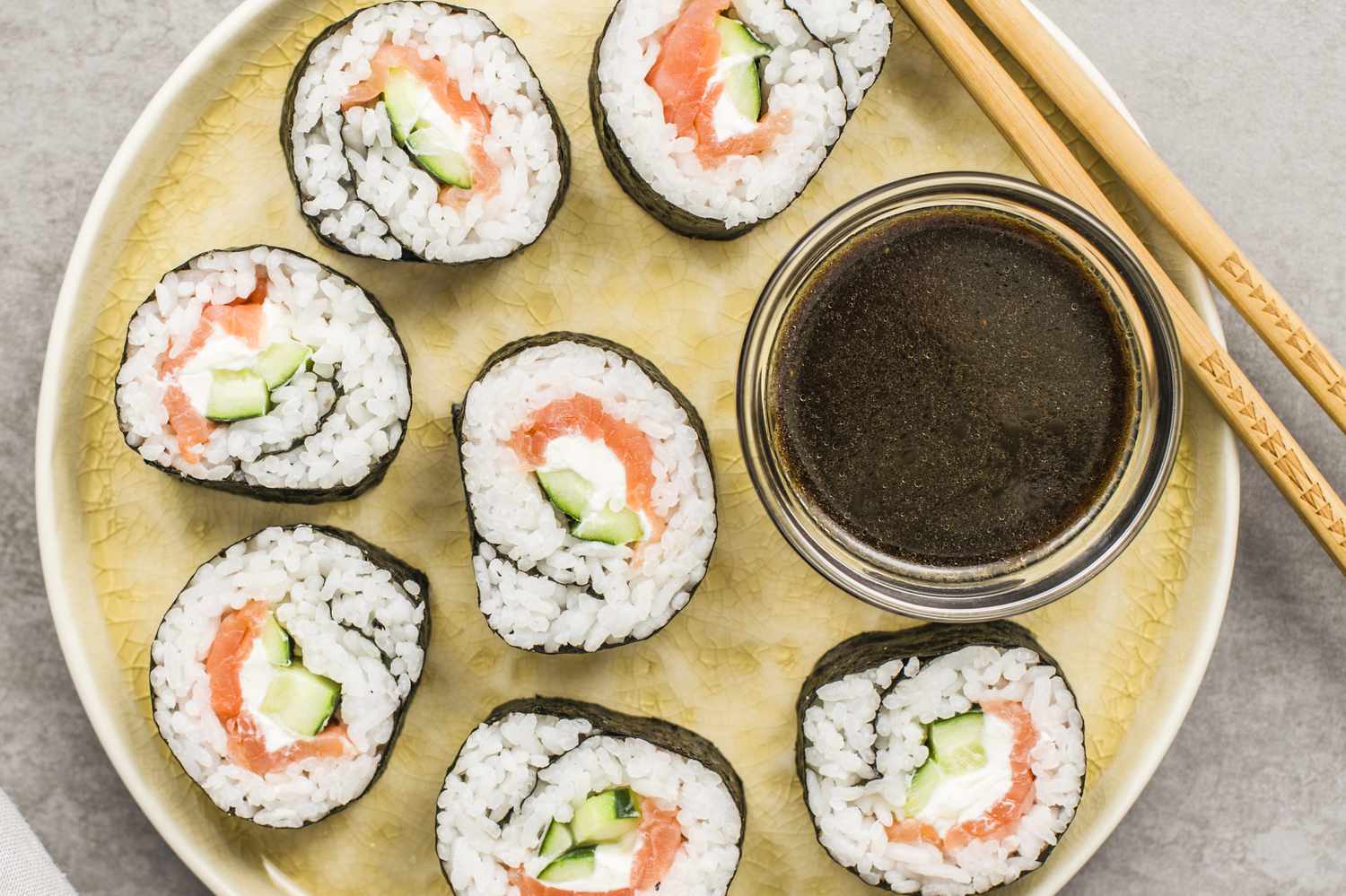
There are two kinds of people in the kitchen: people who measure soy sauce carefully, and people who pour until their ancestors whisper, “That’s enough.” Unfortunately, soy sauce is one of those tiny-but-mighty condiments that can sneak a lot of sodium into a meal fast. The flavor is fantasticsalty, savory, dark, rich, and slightly mysteriousbut if you are trying to cut back on sodium, regular soy sauce can feel like a delicious little trap.
The good news? You do not have to retire your stir-fries, marinades, fried rice, noodle bowls, lettuce wraps, dumpling dips, or weeknight “whatever is in the fridge” skillet dinners. A homemade low-sodium soy sauce substitute recipe can give you that deep umami flavor with much less sodium than traditional soy sauce. It is not an exact clonebecause fermented soy sauce has a complex personality, like a tiny bottle with a passportbut it is a practical, flavorful swap for everyday cooking.
This guide walks you through a simple homemade substitute, why it works, how to adjust the flavor, and where to use it. You will also find practical cooking tips, storage guidance, and real-life kitchen experience to help you make a sauce that tastes good, not like “health food wearing a disguise.”
Why Make a Low-Sodium Soy Sauce Substitute?
Soy sauce is used in small amounts, but it is famously high in sodium. Even many “less sodium” soy sauces still contain a noticeable amount of sodium per tablespoon. For many home cooks, the goal is not to remove every speck of sodium from the kitchen. The goal is to control it, especially when soy sauce is only one ingredient in a recipe that may also include broth, canned goods, prepared sauces, or salty toppings.
Health organizations commonly advise adults to limit sodium intake, and many people are encouraged to reduce it for heart health, blood pressure management, kidney concerns, or general wellness. But here is the kitchen truth: if food tastes flat, nobody sticks with the plan. A good soy sauce substitute low sodium recipe needs to replace more than salt. It must bring aroma, color, acidity, savoriness, and a little roundness.
That is why this recipe uses ingredients that build flavor in layers: unsalted beef or vegetable broth for body, balsamic vinegar for color and sweetness, rice vinegar for brightness, molasses for depth, garlic and ginger for aroma, and optional mushroom powder for umami. Think of it as a small flavor committee working together so salt does not have to do all the talking.
Homemade Low-Sodium Soy Sauce Substitute Recipe
This recipe makes about 1 cup of sauce. It is best for cooking, marinades, stir-fries, glazes, soups, and sauces. It can also work as a dipping sauce if you adjust it to taste with extra vinegar, ginger, or a tiny touch of sweetener.
Ingredients
- 1 cup unsalted beef broth or unsalted vegetable broth
- 2 tablespoons balsamic vinegar
- 1 tablespoon rice vinegar or apple cider vinegar
- 2 teaspoons molasses or dark brown sugar
- 1 teaspoon toasted sesame oil
- 1/2 teaspoon garlic powder
- 1/4 teaspoon ground ginger or 1 teaspoon freshly grated ginger
- 1/4 teaspoon onion powder
- 1/8 teaspoon black pepper
- 1/2 teaspoon mushroom powder, optional but highly recommended
- 1 to 2 teaspoons low-sodium soy sauce or coconut aminos, optional for a more familiar flavor
Instructions
- Add the broth, balsamic vinegar, rice vinegar, molasses, sesame oil, garlic powder, ginger, onion powder, black pepper, and mushroom powder to a small saucepan.
- Bring the mixture to a gentle simmer over medium heat.
- Reduce the heat to low and simmer for 8 to 12 minutes, stirring occasionally, until the sauce slightly reduces and smells savory.
- Taste carefully. Add 1 to 2 teaspoons of low-sodium soy sauce or coconut aminos if you want a more traditional flavor while still keeping the sodium lower than using soy sauce alone.
- Let the sauce cool completely.
- Transfer it to a clean jar or airtight container and refrigerate.
Yield and Serving Size
This recipe makes about 16 tablespoons, depending on how much it reduces. A typical serving is 1 tablespoon. Sodium will vary based on the broth and optional ingredients you choose, so always check labels if you are following a strict sodium limit.
What Does This Low-Sodium Soy Sauce Substitute Taste Like?
This sauce tastes savory, tangy, slightly sweet, and aromatic. It has the dark color people expect from soy sauce, but the flavor is softer and less sharply salty. The balsamic vinegar adds depth and a gentle caramel note. Rice vinegar brings brightness. Molasses helps mimic the deep brown richness of soy sauce. Sesame oil gives it a familiar Asian-inspired aroma, though you can leave it out if you need a sesame-free version.
The optional mushroom powder is the secret handshake. Mushrooms are naturally rich in umami, the savory taste that makes foods feel deep, rounded, and satisfying. If you have dried shiitake mushrooms, you can grind them into a powder with a spice grinder or high-powered blender. A little goes a long way, and it can make the difference between “nice broth” and “wait, did I just make magic?”
Best Uses for This Soy Sauce Alternative
A homemade low-sodium soy sauce alternative works best in recipes where soy sauce is part of a larger flavor base. It is especially helpful in cooked dishes because heat helps the vinegar mellow and the aromatics blend.
Use It in Stir-Fries
Add 1 to 2 tablespoons near the end of cooking vegetables, chicken, tofu, shrimp, beef, or noodles. Because this substitute is less salty than regular soy sauce, you may want to add more garlic, ginger, scallions, chili flakes, or a squeeze of lime to boost flavor without reaching for the salt shaker.
Use It in Marinades
Combine 1/4 cup of the sauce with 1 tablespoon olive oil or sesame oil, 1 tablespoon citrus juice, and fresh garlic. Use it for chicken, salmon, tofu, mushrooms, pork tenderloin, or vegetables. Because it is lower in sodium, it will not “cure” or season meat as intensely as traditional soy sauce, so give the marinade enough time to work.
Use It in Fried Rice
Fried rice loves salty condiments, but it also loves aromatics. For a lower-sodium version, cook garlic, onion, peas, carrots, and scrambled egg first. Add cold rice, then drizzle in this sauce. Finish with scallions, toasted sesame seeds, or chili crisp if your sodium plan allows it.
Use It in Soups and Broths
Add a splash to ramen-style broths, mushroom soup, vegetable soup, or noodle bowls. It gives a darker color and deeper flavor without turning the soup into a sodium swimming pool.
Use It as a Dipping Sauce
For dumplings, spring rolls, or lettuce wraps, mix 2 tablespoons of this substitute with 1 teaspoon rice vinegar, 1/2 teaspoon grated ginger, chopped scallions, and a tiny drizzle of sesame oil. If you like heat, add chili flakes or a little sriracha, keeping in mind that prepared hot sauces may also contain sodium.
How to Customize the Recipe
The best thing about making a homemade soy sauce substitute is that you are in charge. Bottled sauces are convenient, but they do not know your taste buds, your dinner plans, or your doctor’s advice. This recipe is flexible, so adjust it based on your needs.
For a Sweeter Sauce
Add another teaspoon of molasses, brown sugar, honey, or maple syrup. This works well for teriyaki-style dishes, glazes, and roasted vegetables. Sweetness can help balance vinegar and make the sauce feel fuller.
For More Umami
Add more mushroom powder, a small piece of dried kombu while simmering, or a teaspoon of tomato paste. Remove kombu before storing. These ingredients can deepen the savory flavor without relying heavily on sodium.
For a Gluten-Free Version
The base recipe is gluten-free if your broth, vinegars, spices, and optional add-ins are certified gluten-free. Do not add regular soy sauce if you need the recipe to remain gluten-free. Use gluten-free tamari or coconut aminos only if they fit your sodium needs and dietary restrictions.
For a Vegan Version
Use unsalted vegetable broth instead of beef broth. For the deepest flavor, choose a broth with mushrooms, onions, carrots, celery, and herbs. Avoid watery vegetable broth that tastes like someone whispered the word “carrot” into a pot.
For a Soy-Free Version
Skip the optional low-sodium soy sauce. Coconut aminos may be soy-free, but check labels for sodium content and ingredients. Some brands are lower in sodium than soy sauce, while others can still add up if used generously.
Low-Sodium Soy Sauce Substitute vs. Other Alternatives
There are several soy sauce substitutes on grocery shelves, but not all of them are truly low in sodium. Some taste great but still bring a salty punch. Here is how common options compare in practical cooking terms.
Low-Sodium Soy Sauce
Low-sodium soy sauce is convenient and tastes closest to regular soy sauce. However, “low-sodium” does not mean sodium-free. It can still contain hundreds of milligrams per tablespoon. It is a useful choice when you want authentic flavor, but it may not be low enough for someone following a strict sodium plan.
Tamari
Tamari is often used as a gluten-free alternative to soy sauce, although not every bottle is gluten-free unless labeled that way. It usually has a richer, rounder taste and a slightly thicker texture. Still, tamari can be high in sodium, so choose reduced-sodium tamari if sodium is your main concern.
Coconut Aminos
Coconut aminos are popular because they are often soy-free and gluten-free. They are usually sweeter and less intense than soy sauce. Many people like them for dipping sauces and stir-fries, but they can change the flavor of a dish. Always read the label because sodium content varies by brand.
Liquid Aminos
Liquid aminos can taste similar to soy sauce and are often gluten-free, but many versions are still fairly high in sodium. They are not automatically a low-sodium choice. The bottle may look health-food-store friendly, but the Nutrition Facts label tells the real story.
Homemade Substitute
A homemade substitute gives you the most control. You can choose unsalted broth, add more vinegar for brightness, increase mushroom powder for umami, and decide whether a tiny amount of soy sauce is worth it for flavor. It is not as quick as opening a bottle, but it is simple and budget-friendly.
Tips for Making It Taste More Like Soy Sauce
Traditional soy sauce is fermented, salty, aromatic, and deeply savory. A homemade substitute cannot perfectly copy years of brewing, but it can get close enough for everyday cooking. The trick is to build flavor from several directions.
Use a Dark Ingredient for Color
Balsamic vinegar and molasses help create the deep brown color people associate with soy sauce. Color matters because we taste with our eyes first. If a sauce looks pale and timid, your brain may expect it to taste pale and timid too.
Add Acidity
Vinegar and citrus can make food taste brighter and more seasoned, even with less salt. This is especially useful in dipping sauces, noodle bowls, and marinades. If a dish tastes flat, try a few drops of rice vinegar or lime juice before adding more sodium.
Lean on Aromatics
Garlic, ginger, onion powder, scallions, and toasted sesame oil make the sauce smell familiar and satisfying. Aroma is a huge part of flavor. That is why a sizzling pan of garlic can make everyone wander into the kitchen pretending they “just happened to be nearby.”
Use Heat Wisely
Simmering the sauce helps concentrate flavor and soften the sharpness of vinegar. Do not boil it aggressively for too long, or it may become too tangy and reduced. Gentle simmering is enough.
Storage and Food Safety
Because this homemade sauce contains broth and does not have the same salt level as traditional soy sauce, it should be stored differently from shelf-stable bottled soy sauce. Let it cool, pour it into a clean airtight container, and refrigerate it promptly.
For best quality, use it within 3 to 4 days. If you want to keep it longer, freeze it in an ice cube tray. Once frozen, transfer the cubes to a freezer-safe bag. One cube is perfect for stir-fries, soups, sauces, or marinades. Label the bag so it does not become a mysterious brown cube situation three months later.
Common Mistakes to Avoid
Using Regular Broth by Accident
Regular broth can be surprisingly salty. If you start with salted broth, your homemade low-sodium sauce may not be very low in sodium at all. Choose unsalted broth whenever possible.
Expecting an Exact Soy Sauce Copy
This recipe is a substitute, not a lab-grown clone. It gives you a similar savory role in recipes, but it will taste less salty and less fermented. That is okay. The goal is delicious food with better sodium control.
Skipping the Taste Test
Always taste and adjust. Need more depth? Add mushroom powder. Need more brightness? Add vinegar. Need more aroma? Add ginger or garlic. Need more sweetness? Add a tiny bit of molasses. Cooking is not a courtroom; you are allowed to revise your statement.
Using Too Much Sesame Oil
Sesame oil is powerful. A little tastes nutty and beautiful. Too much can make the sauce taste like it joined a sesame parade and forgot to come home. Start small.
Experience Notes: What I Learned Making Low-Sodium Soy Sauce Substitute at Home
The first time you make a low-sodium soy sauce substitute, you may expect it to behave exactly like soy sauce. That expectation lasts about five seconds after the first taste. It is less salty, a little tangier, and more broth-like. But once you start cooking with it, the sauce makes much more sense. It is not trying to be a one-for-one duplicate; it is trying to bring balance to the whole dish.
In stir-fries, the biggest lesson is to cook the aromatics first. Garlic, ginger, scallions, and a hot pan do more for flavor than simply pouring in extra sauce. When the vegetables are almost done, add the substitute and let it bubble for a minute. That short simmer helps it cling to the food instead of sitting at the bottom of the pan like a shy puddle. If the dish still tastes mild, a splash of rice vinegar or lime juice usually wakes it up faster than more salt.
For marinades, this sauce works best when paired with something bold. Chicken thighs, tofu, mushrooms, and salmon all absorb the flavor nicely, especially when the marinade includes garlic and a little oil. Lean proteins like chicken breast may need more time or a stronger supporting cast, such as citrus zest, black pepper, smoked paprika, or chili flakes. The sauce is gentle, so give it a little help.
Another useful discovery is that mushroom powder changes everything. Without it, the sauce tastes pleasant but simple. With it, the flavor becomes deeper and more satisfying. Dried shiitake powder is especially good because it adds an earthy, savory backbone. You do not need much. Too much mushroom powder can make the sauce taste dusty or overly earthy, so start with 1/2 teaspoon and adjust from there.
The sauce also improves after chilling. Right after simmering, the vinegar can seem sharp. After a few hours in the refrigerator, the flavors relax and blend. It becomes smoother, darker, and more useful. If you are planning a recipe for guests, make the sauce earlier in the day or the night before. Your future self will feel very organized, which is a rare and beautiful kitchen emotion.
As a dipping sauce, it needs extra personality. Straight from the jar, it may be too mild for dumplings or spring rolls. Add grated ginger, sliced scallions, chili flakes, and a little extra vinegar. If your sodium limits allow, a teaspoon of coconut aminos or reduced-sodium tamari can make the flavor more recognizable while still using much less than a typical dipping bowl of soy sauce.
The biggest practical benefit is control. When you use bottled soy sauce, the sodium level is already decided. When you make your own substitute, you can choose unsalted broth, skip added salt, and use flavor boosters that fit your diet. It is not about making food boring. It is about making food flexible. A good low-sodium kitchen is not a punishment zone; it is a place where vinegar, garlic, ginger, mushrooms, citrus, herbs, and spices finally get promoted from background dancers to lead performers.
Conclusion
A good low-sodium soy sauce substitute recipe should not taste like watered-down regret. It should be savory, balanced, easy to use, and flexible enough for real weeknight cooking. By combining unsalted broth, vinegar, molasses, aromatics, sesame oil, and optional mushroom powder, you can create a sauce that adds depth to stir-fries, marinades, soups, fried rice, and dipping sauces while helping you manage sodium more intentionally.
This homemade version gives you control over ingredients and flavor. It will not replace traditionally brewed soy sauce in every situation, especially when soy sauce is the star of a dish. But for everyday meals, it is a smart, tasty, and practical alternative. Start with the base recipe, adjust it to your taste, and keep a small jar ready for quick dinners. Your vegetables, noodles, tofu, chicken, and rice bowls will not know they are being responsible. They will just know they taste good.
Note: This article is for general cooking and nutrition information. If you follow a medically prescribed low-sodium diet or have kidney disease, heart disease, high blood pressure, or another health condition, ask a qualified healthcare professional or registered dietitian how much sodium is appropriate for you.