Outdoor furniture works hard. It survives blazing sun, surprise rain, sticky popsicle hands, pollen attacks, barbecue smoke, wet swimsuits, and the occasional mysterious smell that nobody in the family wants to investigate. Even high-quality patio chairs and cushions can start smelling musty after a few humid days. That is where the Listerine deodorizing trick comes in.
Yes, the same mouthwash sitting in your bathroom cabinet can help freshen up outdoor furniture when used carefully. Original Listerine contains aromatic essential oils such as menthol, thymol, eucalyptol, and methyl salicylate, which give it that sharp, clean scent people recognize instantly. When diluted with water, it can become a quick DIY deodorizing spray for patio furniture, outdoor cushions, resin chairs, plastic tables, and other washable outdoor surfaces.
Before we crown it the king of backyard freshness, let’s be clear: Listerine is not a replacement for deep cleaning, mold removal, or EPA-registered disinfectants. Think of it as a deodorizing helper, not a miracle in a yellow bottle. Used the right way, though, it can make your outdoor seating area smell less like “forgotten pool towel” and more like “company is coming in twenty minutes.”
Why Outdoor Furniture Starts Smelling Funky
Outdoor furniture odors usually come from moisture, dirt, pollen, mildew, food residue, sunscreen, pet hair, and organic debris trapped in fabrics or textured surfaces. Cushions are especially vulnerable because they absorb humidity and take longer to dry than hard furniture frames. Even if the fabric is labeled weather-resistant, it can still hold odor if moisture lingers inside the foam or seams.
Patio cushions also collect invisible layers of daily life. A chair may look clean, but it might be holding barbecue smoke, dust, sweat, grass particles, and spilled lemonade from last weekend’s “small gathering” that somehow became a neighborhood buffet. When those materials sit in warm, damp conditions, odors develop quickly.
The best long-term solution is regular cleaning, good airflow, and complete drying. But between full cleanings, a light deodorizing spray can help freshen outdoor furniture fast. That is where diluted Listerine becomes useful.
How Listerine Works as a DIY Outdoor Furniture Deodorizer
Listerine’s familiar fresh scent comes from a blend of essential oils and flavoring agents. Original amber Listerine is the most commonly recommended choice for this DIY trick because it has a strong herbal-mint aroma and fewer bright dyes than some colorful mouthwash varieties. The goal is not to “sanitize” the furniture. The goal is to reduce stale smells and leave a cleaner scent behind.
When diluted with water and lightly misted onto suitable surfaces, Listerine can help neutralize mild odors on patio cushions, outdoor pillows, plastic chairs, resin furniture, and washable furniture covers. It works best on light mustiness, pet smells, and everyday stale odors. It is not designed for serious mildew growth, black mold, deeply embedded urine smells, or cushions that have been soaked for days. In those cases, you need proper cleaning, stain treatment, and possibly replacement if the foam is contaminated.
What You Need for the Listerine Deodorizing Spray
This DIY outdoor furniture deodorizer is simple and budget-friendly. You probably already own most of the supplies, which is good news because nobody wants a “simple patio hack” that requires twelve specialty products and a chemistry degree.
Supplies
- 1/4 cup Original Listerine or another amber antiseptic mouthwash
- 1 cup clean water
- 1 clean spray bottle
- Soft microfiber cloth
- Soft-bristle brush for textured areas
- Mild dish soap for pre-cleaning, if needed
- Garden hose or bucket of clean water for rinsing hard surfaces
A good starter ratio is one part Listerine to four parts water. If the scent feels too strong, dilute it more. Outdoor furniture does not need to smell like it just gargled before a dentist appointment.
Step-by-Step: Freshen Up Outdoor Furniture With Listerine
Step 1: Brush Off Loose Dirt
Start by removing leaves, crumbs, pollen, dust, and pet hair. Use a dry brush, handheld vacuum, or clean cloth. This step matters because spraying deodorizer over dirt is like putting cologne on gym socks. It may smell better for five minutes, but the problem is still sitting there, judging you.
Step 2: Pre-Clean Visible Grime
If the furniture has food spills, bird droppings, sunscreen stains, mud, or sticky patches, clean those first with mild dish soap and warm water. For outdoor cushions, blot instead of soaking. For plastic, resin, or metal frames, wipe with soapy water and rinse well. Listerine works best as a finishing refresher, not as the main cleaner for heavy grime.
Step 3: Mix the Listerine Spray
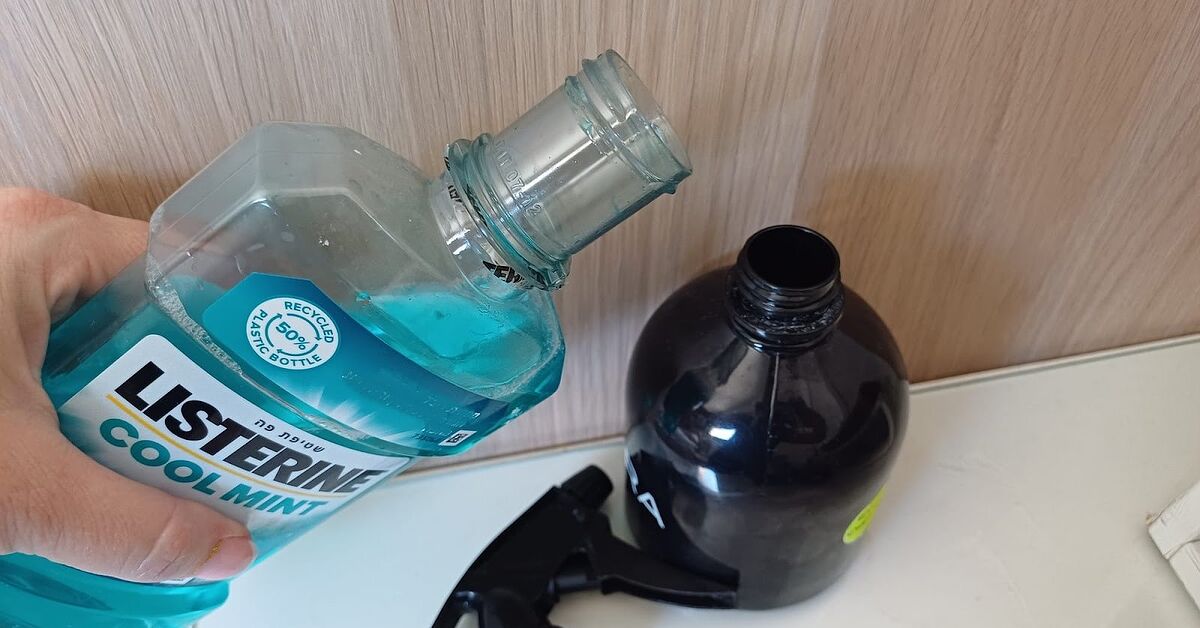
Pour 1/4 cup Original Listerine and 1 cup water into a clean spray bottle. Shake gently. Label the bottle so nobody mistakes it for plant mist, bug spray, or a very confusing beverage.
Step 4: Spot-Test First
Always test the mixture on a hidden area before spraying the full piece. Try the back of a cushion, the underside of a chair, or a tucked-away seam. Wait at least 15 to 30 minutes and check for discoloration, residue, or fabric reaction. This is especially important for light-colored cushions, patterned fabrics, natural fibers, unfinished wood, and older outdoor furniture.
Step 5: Lightly Mist the Surface
Spray a light mist over the smelly area. Do not saturate cushions or pillows. Too much liquid can soak into foam, slow drying, and create the exact musty problem you are trying to fix. For hard furniture, spray onto a cloth first and wipe the surface instead of blasting it directly.
Step 6: Let It Sit Briefly
Allow the spray to sit for about 5 to 10 minutes. This gives the scent time to work into the surface odor. If you are treating a cushion, keep it upright or angled so airflow reaches both sides.
Step 7: Wipe, Rinse, and Dry
For hard surfaces like plastic, resin, metal, and sealed wood, wipe with a damp cloth after the deodorizing step. If needed, rinse lightly with clean water and dry with a towel. For cushions, blot with a clean damp cloth if the surface feels tacky, then let the cushion air-dry completely in a sunny, breezy spot.
Where This Trick Works Best
The Listerine deodorizing trick is best for mild odors and quick refreshes. It works nicely on patio furniture that smells stale after storage, cushions that picked up a little humidity, plastic chairs that smell like garage dust, and outdoor pillows that need a pre-party freshening.
It can also help freshen furniture after a smoky barbecue. Smoke odor clings to outdoor fabric more than people expect, especially if the cushions were close to the grill. A light mist of diluted Listerine, followed by full drying, can make the seating area more pleasant without needing a full wash every time someone decides to become the neighborhood brisket legend.
Where You Should Not Use Listerine
Do not use Listerine on leather, suede, silk, delicate indoor upholstery, untreated natural wicker, raw wood, unsealed stone, or any material that may stain easily. Avoid colorful mouthwash on white or pale cushions because dyes can leave marks. Also avoid using it on furniture that already has heavy mold growth, deep mildew stains, or a strong sour smell from soaked foam.
Never mix Listerine with bleach, ammonia, vinegar, hydrogen peroxide, or other cleaning chemicals. Mixing household products can create dangerous fumes or damage surfaces. If you need to remove mildew stains, use a manufacturer-approved cleaner and follow the label carefully.
Listerine vs. Vinegar vs. Baking Soda: Which Is Better?
Each household deodorizer has a different personality. Vinegar is excellent for many mildew-related smells and mineral residues, but it has a sharp odor of its own until it evaporates. Baking soda is great for absorbing odors on dry cushions, especially when sprinkled on, left to sit, and vacuumed away. Listerine is better as a quick scent refresher when the furniture is already fairly clean but smells stale.
For the best results, use them strategically. Baking soda is helpful for dry odor absorption. Mild dish soap is ideal for basic cleaning. Vinegar can help with certain musty smells and light mildew issues on compatible materials. Listerine is the finishing touch when you want a fast, fresh scent before guests arrive.
How to Deep Clean Outdoor Furniture Before Deodorizing
If your patio furniture has not been cleaned in months, start with a basic deep clean before using the Listerine spray. Remove cushions from frames. Brush away loose debris. Mix mild dish soap with warm water. Wipe down metal, plastic, resin, and sealed wood furniture with a soft cloth or sponge. Use a soft-bristle brush for grooves and textured areas. Rinse with clean water and dry thoroughly.
For outdoor cushions, check the care label first. Some covers are removable and machine washable, while others should only be spot-cleaned. If hand-cleaning, use mild soap and warm water, scrub gently, rinse lightly, and dry completely. Drying is not optional. A damp cushion is basically a tiny vacation resort for mildew.
Once the furniture is clean and dry, the Listerine spray can be used as a light deodorizing finish. This order matters: clean first, deodorize second, dry third.
How Often Should You Use the Listerine Trick?
For most patios, once every few weeks during warm weather is enough. You can also use it before entertaining, after a humid spell, or when furniture comes out of storage. Avoid using it every day, especially on fabric. Repeated spraying without proper cleaning and drying can lead to buildup or moisture problems.
A practical routine looks like this: brush cushions weekly, wipe frames every couple of weeks, deep clean seasonally, and use diluted Listerine only when mild odors appear. Simple routines beat heroic once-a-year scrubbing marathons every time.
Tips for Keeping Outdoor Furniture Fresh Longer
Keep Cushions Dry
After rain, stand cushions upright so air can circulate. If possible, move them into the sun. If the forecast looks dramatic enough to deserve theme music, bring cushions indoors or store them in a dry deck box.
Use Breathable Covers
Furniture covers protect against dirt, pollen, and bird droppings, but trapped moisture can encourage mildew. Choose breathable covers and avoid sealing damp cushions under plastic.
Clean Spills Quickly
Soda, wine, barbecue sauce, sunscreen, and melted ice cream can all create odors if ignored. Blot spills quickly and clean with mild soap and water.
Store Cushions Properly
Before storing cushions for winter or rainy seasons, make sure they are completely dry. Store them in a dry, ventilated area. A cushion stored damp in a closed container may emerge months later smelling like a swamp with decorative piping.
Common Mistakes to Avoid
The biggest mistake is using too much liquid. A light mist is enough. Outdoor cushions may look tough, but the foam inside can hold moisture for a long time. Another mistake is skipping the spot test. Listerine is colored and scented, so it may react differently with different fabrics.
People also sometimes expect a deodorizing trick to solve a cleaning problem. If the cushion has visible mildew, greasy stains, pet accidents, or embedded dirt, deodorizer alone will not fix it. Clean the source of the smell first. Fresh scent should be the cherry on top, not the whole dessert.
When to Skip the Hack and Replace the Cushion
Sometimes a cushion is beyond saving. If the foam smells sour even after cleaning and drying, if mildew keeps returning, or if the cushion has been soaked repeatedly, replacement may be the healthier and more comfortable choice. Outdoor foam and fabric can break down over time, especially in humid climates.
If your cushion smells bad only on the surface, cleaning and deodorizing may work. If the smell comes from deep inside, the problem may be trapped moisture, mildew, or old foam. No mouthwash can reverse the tragic biography of a cushion that spent three rainy weeks under a leaky tarp.
of Real-Life Experience: What This Trick Feels Like in Practice
The first time you try the Listerine outdoor furniture trick, the biggest surprise is how familiar the scent is. You spray a little on the back of a patio cushion, wait a few minutes, and suddenly the furniture smells less like “stored in a shed beside a lawn mower” and more like “fresh, sharp, and oddly confident.” It is not a perfume smell. It is more herbal, minty, and clean. That is part of the appeal.
In real use, the trick works best when you treat it like a finishing spray after basic cleaning. For example, imagine pulling your patio set out after several weeks of humid weather. The cushions are not stained, but they smell a bit stale. You brush off pollen, wipe the frames with mild soapy water, let everything dry, then lightly mist the cushions with diluted Listerine. After sitting in the sun for an hour, the seating area feels noticeably fresher.
The difference is especially noticeable on outdoor pillows. Small pillows tend to absorb smells from pets, smoke, and damp air, but they are also easy to over-wet. A light mist from a distance works better than spraying close enough to soak the fabric. If the pillow feels damp after five minutes, you used too much. The goal is freshness, not marination.
On plastic and resin chairs, the trick is even easier. Spray the mixture onto a microfiber cloth, wipe the chair arms, back, and seat, then follow with a damp cloth. This is helpful when chairs have that dusty garage smell after storage. It also works well on side tables that sit near grills or fire pits. Again, it is not a substitute for washing away grease or ash, but it helps remove that stale outdoor odor after the surface is clean.
One useful lesson: sunshine is your best assistant. After deodorizing cushions, set them upright in direct or indirect sun with good airflow. The scent softens as the fabric dries. If you pile cushions flat on top of each other, moisture gets trapped and the result is less impressive. Give every cushion breathing room, like tiny patio guests who need personal space.
Another practical observation is that the smell fades to a lighter freshness after drying. At first, the Listerine aroma can feel strong, especially if you used a heavy ratio. That is why dilution matters. Start mild. You can always repeat the process, but you cannot politely ask an over-sprayed cushion to calm down.
This trick is most satisfying before guests arrive. It is quick, inexpensive, and gives the patio a cleaner impression. Pair it with swept floors, wiped tables, fluffed cushions, and fresh outdoor lighting, and the entire space feels more inviting. Nobody needs to know your secret weapon came from the oral-care aisle.
Conclusion: A Smart, Simple Way to Freshen Patio Furniture
Freshening up outdoor furniture with Listerine is a clever DIY deodorizing trick when used with realistic expectations. It works best as a light refresher for clean or lightly musty patio furniture, not as a heavy-duty cleaner or disinfectant. The safest method is simple: dilute Original Listerine with water, spot-test first, mist lightly, wipe or blot as needed, and dry everything completely.
For everyday patio care, combine this trick with regular brushing, mild soap cleaning, quick spill treatment, and proper cushion storage. Your outdoor furniture will smell fresher, last longer, and be more enjoyable for morning coffee, weekend cookouts, and those peaceful evening moments when you sit down for five minutes and someone immediately asks where the bug spray is.
Note: This DIY method is intended for deodorizing outdoor furniture, not disinfecting it or removing severe mold. Always follow furniture care labels, spot-test first, avoid mixing cleaning chemicals, and use manufacturer-approved cleaners for mildew, stains, or delicate materials.