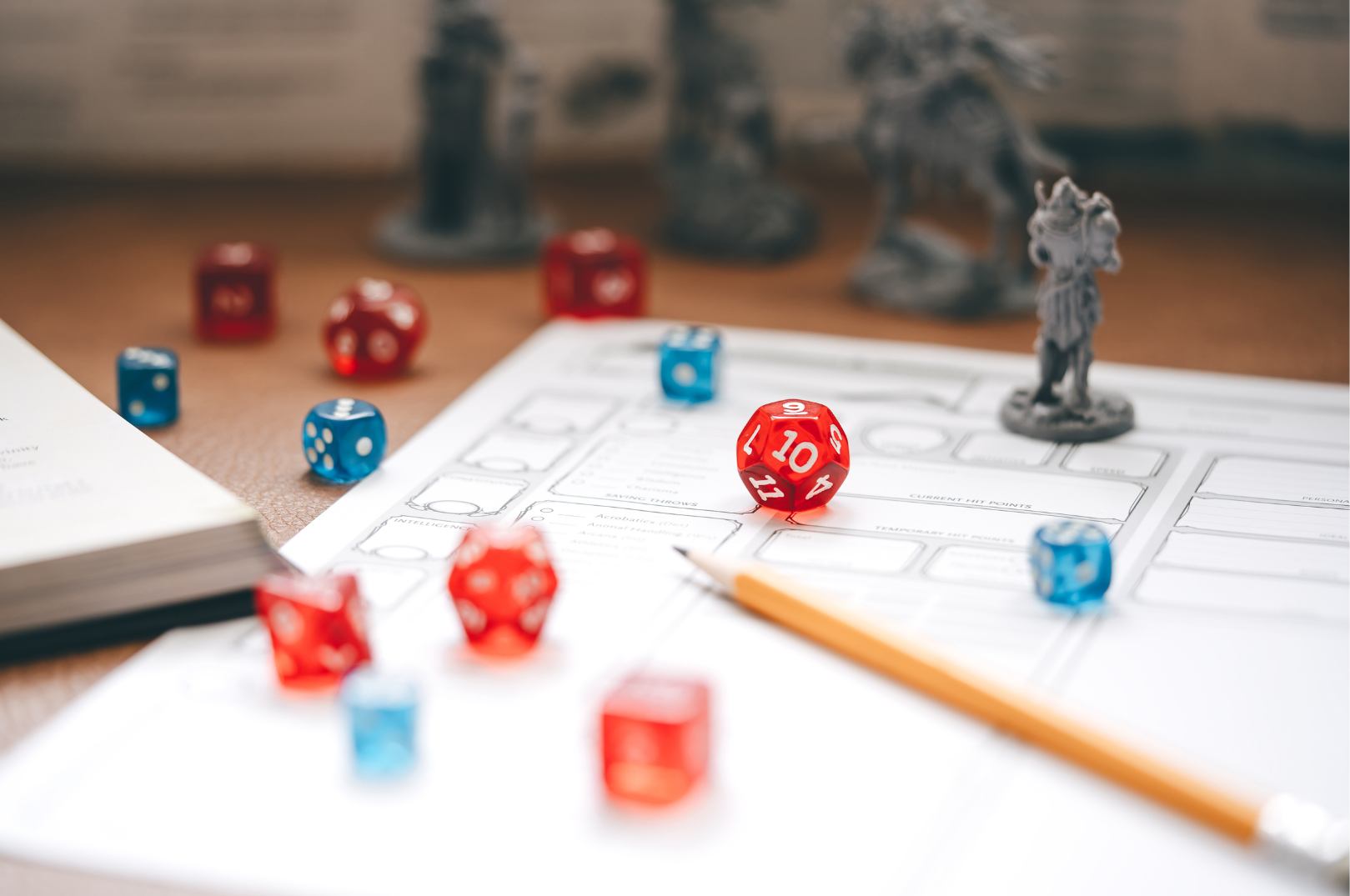
Choosing a Dungeons & Dragons class can feel a little like standing in front of a fantasy buffet while twelve heroic chefs shout, “Pick me, I come with spells!” Do you want to swing a sword, heal the party, talk your way past a dragon, become the dragon’s emotional support warlock, or quietly steal the key while everyone else argues? That is exactly why a What DnD Class Am I Quiz is so useful. It turns a giant pile of rules, vibes, combat styles, and roleplay possibilities into a fun personality-based shortcut.
In DnD, your class is more than your job title. It shapes how you solve problems, what you do in combat, how you help the party, and what kind of dramatic nonsense you bring to the table. A Fighter may see a locked door and think, “I kick it.” A Rogue may think, “I pick it.” A Wizard may think, “I spend ten minutes explaining why doors are a social construct.” All three can work. The trick is finding the one that feels like you.
This guide gives you a practical, entertaining DnD class quiz experience, explains what each class says about your playstyle, and helps you pick a character you will actually enjoy after session one. No sacred oath required. Unless, of course, you roll Paladin.
What Is a DnD Class?
A DnD class is the main framework for your character’s abilities. It determines your core features, hit points, armor and weapon options, spells if you have them, and the kind of heroic trouble you are best equipped to handle. The current core Dungeons & Dragons lineup includes twelve classic classes: Barbarian, Bard, Cleric, Druid, Fighter, Monk, Paladin, Ranger, Rogue, Sorcerer, Warlock, and Wizard.
The 2024 Player’s Handbook keeps these twelve classes at the center of character creation, with updated features and subclass options designed to make each class feel clearer, stronger, and more flexible. For quiz purposes, though, the heart of the decision is still simple: what sounds fun when the dice hit the table?
Quick DnD Class Quiz: Answer These Questions
Grab a snack, imagine a goblin has stolen your favorite hoodie, and answer honestly. Keep track of which letter you choose most often.
1. Your party finds a suspicious ancient door. What do you do?
A. Kick it open with confidence and questionable life insurance.
B. Check for traps, locks, secret buttons, and other spicy regrets.
C. Study the symbols and try to understand the magic behind it.
D. Ask whether the door has feelings and whether nature approves.
E. Give a speech so inspiring the door opens out of respect.
2. What role sounds most satisfying in a party?
A. Standing in front and taking hits like a heroic wall with opinions.
B. Sneaking, scouting, and solving problems before combat starts.
C. Casting powerful spells and controlling the battlefield.
D. Healing, protecting, guiding, or supporting the group.
E. Being the party’s social engine, chaos generator, or dramatic centerpiece.
3. Pick your ideal fantasy aesthetic.
A. Battle scars, big weapons, and “I got this” energy.
B. Dark cloak, quick hands, sharper smile.
C. Books, glowing runes, mysterious power, probably too many notes.
D. Moonlight, sacred symbols, forests, spirits, or divine purpose.
E. Music, charm, confidence, and main-character sparkle.
4. How do you handle conflict?
A. Directly. Preferably with action.
B. Indirectly. Preferably while nobody knows I was there.
C. Strategically. Give me a plan, a spell list, and three minutes.
D. Thoughtfully. I want to protect people and restore balance.
E. Creatively. If talking, performing, or bluffing works, why not?
5. What annoys you most in games?
A. Waiting too long to do something cool.
B. Being forced into the spotlight when I want to be clever quietly.
C. Having too few options.
D. A party that refuses teamwork.
E. A boring scene with no room for personality.
Your Quiz Results
Mostly A: Barbarian, Fighter, Monk, or Paladin
You like action, momentum, and characters who can make an entrance without needing a ten-page spell index. You may enjoy martial classes that feel powerful, physical, and reliable. Barbarian is perfect if you want raw emotion, toughness, and the joy of solving a problem by becoming the problem. Fighter is excellent if you want flexible combat mastery and a class that works for beginners and veterans alike.
If you like discipline, speed, and cinematic movement, try Monk. If you want heroic armor, divine power, and the ability to smite evil with the confidence of someone who read the terms and conditions of destiny, try Paladin.
Mostly B: Rogue or Ranger
You are probably the player who notices the suspicious rug, checks the ceiling, and asks the Dungeon Master, “How dark is the corner?” A Rogue fits players who like stealth, precision, skills, and clever problem-solving. Rogues shine outside combat because they often have strong tools for sneaking, scouting, persuading, investigating, and surviving social disasters caused by louder party members.
A Ranger is a great match if you like wilderness flavor, tracking enemies, blending weapon combat with magic, and playing someone who always looks like they know which mushrooms are safe. Rangers are ideal for players who want exploration, nature, and tactical combat without becoming a full-time spell accountant.
Mostly C: Wizard, Sorcerer, or Warlock
You want power, options, and possibly a suspicious backstory. A Wizard is the ultimate planner. Wizards learn magic through study and reward players who enjoy preparation, strategy, and collecting spells like fantasy trading cards. They can feel complex, but they are deeply satisfying if you love solving problems with the exact right spell.
A Sorcerer is magic from the bloodstream, soul, or strange cosmic accident. Choose Sorcerer if you want instinctive power and dramatic spellcasting. A Warlock is for players who love flavor: a pact, a patron, a mysterious bargain, and the constant question, “Should I be worried about the source of my powers?” The answer is yes, but stylishly.
Mostly D: Cleric or Druid
You care about purpose, balance, support, and meaningful choices. Cleric is not just “the healer,” even though Clerics can heal beautifully. They can be armored defenders, divine spellcasters, radiant problem-solvers, and party-saving legends. If you want to protect the group while still having serious power, Cleric deserves your attention.
Druid is the class for players drawn to nature, transformation, animals, weather, and ancient magic. Druids can heal, control terrain, summon natural forces, and in many campaigns become the party’s official expert on “that plant is definitely cursed.” Choose Druid if you like adaptability and a wild, mystical identity.
Mostly E: Bard
Congratulations, you are the reason the tavern scene takes forty-five minutes and somehow becomes everyone’s favorite part of the campaign. Bard is for players who love social play, creativity, support magic, clever insults, inspiring allies, and turning awkward situations into opportunities. Bards are flexible, charismatic, and usually responsible for at least one sentence the Dungeon Master did not expect to hear that evening.
If you enjoy being useful in almost every kind of scene, Bard is a fantastic choice. You can help in combat, talk through problems, support allies, and bring a strong personality to the table without being locked into one narrow role.
All 12 DnD Classes Explained in Plain English
Barbarian
The Barbarian is tough, emotional, and built for players who want to charge into danger with a battle cry and a suspicious lack of hesitation. You are durable, aggressive, and great at making enemies regret their career choices.
Bard
The Bard is a magical performer, storyteller, negotiator, and support specialist. You are the Swiss Army knife of personality. If the party needs charm, healing, jokes, inspiration, or a dramatic distraction, you are ready.
Cleric
The Cleric channels divine magic and can be built in many ways. Some Clerics heal, some blast enemies with radiant power, and some stand in armor like a holy refrigerator with a mace.
Druid
The Druid uses nature-based magic and often has access to shape-shifting, healing, and battlefield control. Pick Druid if you like versatility, natural themes, and the possibility of solving problems as a bear.
Fighter
The Fighter is one of the most beginner-friendly and customizable classes. It is not boring; it is clean, reliable, and excellent at combat. A Fighter can be a knight, archer, duelist, commander, bodyguard, or tactical weapon expert.
Monk
The Monk is fast, disciplined, and mobile. Monks are great for players who want martial arts flavor, movement, agility, and the feeling of bouncing around the battlefield like gravity is only a suggestion.
Paladin
The Paladin combines martial strength with divine magic. Paladins protect allies, punish enemies, and carry a strong sense of purpose. They are ideal if you want hero energy with armor polish.
Ranger
The Ranger blends survival skills, weapons, nature magic, and exploration. Rangers fit players who like hunters, scouts, trackers, monster slayers, and characters who probably know how to start a fire in the rain.
Rogue
The Rogue is skillful, sneaky, and precise. You are excellent at scouting, disarming traps, gathering information, and landing devastating attacks when the moment is right.
Sorcerer
The Sorcerer is born magical, touched by strange power, or connected to something extraordinary. Sorcerers are great for players who want dramatic spellcasting without the scholarly flavor of the Wizard.
Warlock
The Warlock gains power through a pact with a patron. Mechanically, Warlocks can feel focused and flavorful. Narratively, they are deliciously dramatic. Every Warlock comes with built-in “so what exactly did you agree to?” energy.
Wizard
The Wizard is the classic scholar of magic. Wizards can become incredibly versatile, but they reward planning. Choose Wizard if you enjoy learning systems, preparing spells, and being the person who says, “Actually, I have something for this.”
Best DnD Classes for Beginners
If you are new to DnD, the best class is the one you are excited to play. That said, some classes are easier to learn because they involve fewer decisions each turn. Fighter, Barbarian, and Rogue are often comfortable starting points because their core gameplay is direct and satisfying. You can learn the rhythm of the game without juggling too many spell choices.
If you want magic right away, Cleric and Bard are strong choices because they offer support, flexibility, and clear party value. Wizard can be amazing, but it asks more from the player. Your spell list is a toolbox, and like any toolbox, it is helpful unless you open it upside down and all the tiny pieces fall into your lap.
How to Choose Your DnD Class Without Overthinking It
Start With Fantasy, Not Math
Before comparing damage numbers or subclass rankings, ask what fantasy excites you. Do you want to be a wandering swordmaster, a silver-tongued musician, a forest guardian, a holy knight, a shadowy infiltrator, or a spellcaster with suspiciously dramatic lighting? A class should make you want to show up to the next session.
Think About Your Favorite Kind of Scene
If you love combat, martial classes and battle-focused spellcasters may fit. If you enjoy roleplay, Bard, Rogue, Warlock, and Paladin offer strong personality hooks. If you love solving puzzles and planning, Wizard, Druid, and Cleric provide lots of tools.
Consider Party Balance, But Do Not Worship It
A balanced party is helpful, but DnD is not an office staffing spreadsheet. You do not have to pick Cleric just because nobody else did. Many classes can heal, defend, scout, negotiate, or deal damage depending on how they are built. Choose something fun first, then adjust the details with your group.
What Your DnD Class Says About Your Personality
A DnD class quiz is not a medical test, a job interview, or a prophecy delivered by a raccoon in a wizard hat. It is a playful way to connect your real-life preferences with fantasy archetypes. Players who choose Barbarian often enjoy bold action. Rogue players may love clever solutions. Bards enjoy expression and adaptability. Wizards like preparation and mastery. Paladins are drawn to ideals. Druids care about balance and transformation. Warlocks enjoy mystery and flavor. Fighters appreciate reliability and customization.
The fun begins when you challenge the stereotype. A shy Bard can be wonderful. A cheerful Rogue can be hilarious. A polite Barbarian who apologizes before raging is unforgettable. Your class gives you a foundation, not a prison.
Experience Section: What It Feels Like to Take a “What DnD Class Am I Quiz”
The first time many players take a What DnD Class Am I Quiz, they expect a simple answer. They imagine the quiz will say “You are a Ranger,” and suddenly their entire tabletop identity will descend from the heavens on a beam of green forest light. In reality, the best part of the quiz is not the final label. It is the little moment when you realize what kind of fantasy story you have been secretly wanting to play.
For example, someone may think they want to be a Wizard because magic sounds powerful. Then the quiz asks how they handle pressure, and they keep choosing answers about protecting friends, standing firm, and doing the right thing. Suddenly, Paladin starts waving from across the room like, “Hello, have you considered righteous armor?” Another player may assume they are a Rogue because they like clever characters, but their answers reveal that they mostly want to entertain, persuade, and make every conversation more chaotic. That is Bard behavior. The lute has entered the chat.
A good DnD class quiz also helps new players avoid the classic mistake of choosing a class only because it sounds strongest. Power matters less than enjoyment. If you hate managing long spell lists, Wizard may feel like homework wearing a robe. If you love having lots of choices, a simple sword-swinging build may feel too plain. The right class should match your patience, creativity, and comfort level at the table.
In real play, your class becomes part of your social rhythm. A Rogue player often gets excited when the Dungeon Master describes shadows, locks, suspicious guards, or expensive-looking pockets. A Cleric player perks up when the party is in danger and someone needs saving. A Fighter player enjoys the clean satisfaction of standing between friends and trouble. A Warlock player smiles whenever the story hints that their patron might be watching. That is when the quiz result becomes more than a result. It becomes a character idea.
The most useful way to treat your quiz result is as a starting prompt. If the quiz says Druid, ask yourself what kind of nature your character represents. Gentle spring rain? Ancient forests? Swamp witch energy? A raccoon with a legal degree? If the quiz says Fighter, ask what made your character train. Duty, revenge, sport, survival, family tradition, or the simple belief that problems look smaller when you own a very nice sword?
The quiz can also make session zero easier. When everyone shares their results, the group starts talking about party roles, character personalities, and story hooks. One player wants to be a protective Paladin. Another wants to be a mischievous Rogue. Someone else wants to be a Wizard who treats every dungeon like a group research project. Suddenly the party is not just a collection of character sheets. It is a sitcom with initiative rolls.
Most importantly, remember that no quiz outranks your excitement. If your result says Cleric but your heart screams “dragon-blooded Sorcerer with emotional support fire,” play the Sorcerer. DnD works best when players are curious about their characters. A quiz can point you toward a door, but you still get to decide whether to open it, pick the lock, cast Knock, or ask the Bard to flirt with it.
Final Thoughts: So, What DnD Class Are You?
The best answer to What DnD Class Am I Quiz is not just a class name. It is a better understanding of how you like to play. If you want simple action, try Fighter or Barbarian. If you want stealth and skills, try Rogue or Ranger. If you want magic and strategy, try Wizard, Sorcerer, or Warlock. If you want support and purpose, try Cleric, Druid, or Paladin. If you want flexibility, charm, and table-wide chaos with excellent branding, Bard is waiting with a wink.
Your first class does not have to be your forever class. DnD is a game of discovery. Try one, learn what you enjoy, and let your next character be even stranger. That is the cycle: roll dice, make choices, tell stories, and occasionally spend twenty minutes debating whether a suspicious statue is just a statue. It never is.
Note: This article is written as publication-ready HTML, based on current Dungeons & Dragons class information and established tabletop roleplaying guidance, with no inline source links or citation markers included.