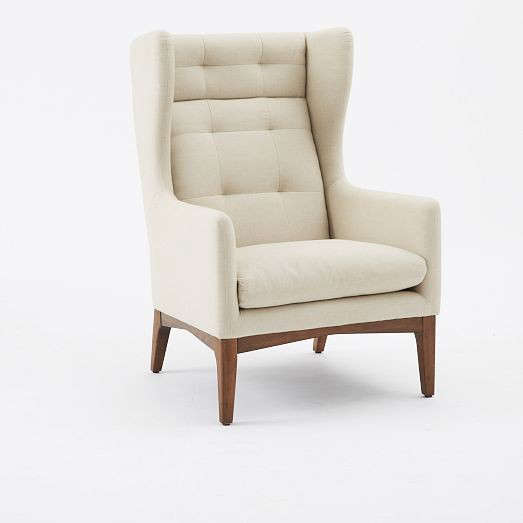
The James Harrison Wing Chair – Fabric is the kind of accent chair that walks into a room wearing a tailored blazer, then immediately asks where the best reading lamp is. It is refined without being stiff, modern without acting allergic to tradition, and comfortable enough to make “I’ll sit for just five minutes” one of the most optimistic lies in home decorating.
Originally associated with West Elm and created in collaboration with UK-based designer James Harrison, this fabric wing chair reinterprets the classic wingback silhouette through a contemporary lens. Instead of the heavy, fully upholstered “grand library” look many people associate with traditional wing chairs, the James Harrison version brings in an exposed wood frame, clean geometry, down-wrapped cushions, and brushed heather cotton upholstery in a soft Flax tone. In short, it keeps the dignity of a wing chair but removes the powdered wig.
This article explores the chair’s design, materials, comfort, styling potential, care needs, and real-life living experience. Whether you are hunting for a pre-owned James Harrison Wing Chair, researching fabric accent chairs, or simply trying to understand why a good wingback chair can change the mood of an entire room, this guide is here to help.
What Is the James Harrison Wing Chair – Fabric?
The James Harrison Wing Chair – Fabric is a modern wingback-style lounge chair designed with a tall profile, winged sides, exposed wood structure, and upholstered cushions. The original fabric version was listed with dimensions of approximately 29.5 inches wide, 33.5 inches deep, and 45 inches high. Its seat depth was about 21 inches, with a seat height of roughly 19 inches, placing it in the sweet spot for relaxed but upright lounging.
The chair featured solid wood legs in a Pecan-stained finish, brushed heather cotton upholstery in Flax, and down-wrapped cushions. At the time of publication on design retail sources, the fabric model was priced around $799, while a leather version of the same chair was listed at a higher price point. Today, the fabric chair is more commonly found through resale, vintage furniture listings, secondhand marketplaces, and design archives rather than as a current mainstream retail item.
A Modern Update on a Very Old Idea
The wing chair has a long history. Traditional wingback chairs first became popular because their high backs and side “wings” helped shield sitters from drafts and fireplace heat. That practical idea eventually became a design classic. Over time, the chair moved from chilly old rooms and fireside corners into living rooms, bedrooms, libraries, nurseries, hotel lounges, and modern offices.
The James Harrison version respects that heritage but makes it feel lighter. The exposed frame prevents the chair from appearing bulky, while the upholstery softens the form. The result is a chair that feels architectural and cozy at the same time. That is not easy to pull off. Many chairs are either beautiful but mildly punishing, or comfortable but shaped like a marshmallow that gave up on its dreams. This one aims for both structure and softness.
Design Analysis: Why This Fabric Wing Chair Stands Out
The biggest visual strength of the James Harrison Wing Chair – Fabric is its contrast. The Pecan-stained wood frame gives it warmth and definition, while the Flax upholstery keeps it calm, versatile, and easy to place in many interiors. The shape has enough drama to become a focal point, but the neutral fabric keeps it from shouting across the room like an overexcited auctioneer.
1. The Exposed Wood Frame
Unlike many traditional wingback chairs that are upholstered from head to toe, the James Harrison Wing Chair uses visible wood as part of the design language. This gives the chair a handcrafted, furniture-maker quality. The exposed frame also makes the chair feel less visually heavy, which is especially useful in apartments, smaller living rooms, or spaces where a classic wingback might look too large.
The Pecan finish adds a mid-tone warmth that pairs well with natural fibers, brass lighting, walnut furniture, jute rugs, linen curtains, and neutral walls. It also works nicely with black metal accents for a more modern look. In design terms, the wood frame acts like punctuation: it outlines the chair and gives the eye something crisp to follow.
2. The Flax Fabric Upholstery
The fabric version’s brushed heather cotton upholstery in Flax is one of its most practical style advantages. Flax is a flexible neutral: warmer than stark white, softer than gray, and less demanding than bold color. It can blend into minimalist interiors, soften industrial rooms, and balance more colorful spaces.
Fabric also changes the mood of the chair compared with leather. A leather wing chair often feels clubby, masculine, and formal. The fabric version feels more relaxed and residential. It is the chair you put near a bookshelf, in a bedroom corner, beside a floor lamp, or in a living room where people actually live rather than merely admire the furniture from a respectful distance.
3. Down-Wrapped Cushions
Down-wrapped cushions are designed to provide a plush top layer over a more supportive inner cushion. In daily use, that means the chair can feel soft when you first sit down but not completely shapeless. This matters for a wing chair because the tall back and upright structure naturally encourage reading, conversation, laptop work, or evening unwinding.
However, down-wrapped cushions also require a little maintenance. They usually benefit from regular fluffing and rotation so the fill stays evenly distributed. Think of it as chair grooming. Not glamorous, perhaps, but far easier than negotiating with a flattened cushion that has developed its own permanent personality.
Comfort: Is the James Harrison Wing Chair Good for Daily Use?
Comfort depends on body type, posture, and personal preference, but the proportions of the James Harrison Wing Chair suggest a chair made for supportive lounging rather than deep slouching. The 21-inch seat depth gives enough room to sit back comfortably, while the 19-inch seat height makes standing up relatively easy for most adults.
The high back is helpful for people who like full upper-body support. The winged sides create a subtle sense of enclosure, which can make the chair feel private and calming. That is one reason wing chairs are still popular in reading corners and home offices. They create a “room within a room” feeling without actually requiring walls.
Best Uses for the Chair
The James Harrison Wing Chair – Fabric works especially well as a reading chair, bedroom accent chair, living room statement piece, nursery chair, or quiet home-office retreat. It is not a sprawling lounge chair for full horizontal laziness. It is better suited for sitting upright with comfort, holding a book, sipping coffee, taking a video call, or pretending to read while secretly scrolling your phone.
In a living room, one chair can anchor an empty corner. A pair can create a stylish conversation area. In a bedroom, it can turn unused space near a window into a thoughtful seating zone. In a home office, it can provide a softer alternative to a desk chair when you need to review documents, take calls, or stare into the middle distance while thinking important thoughts.
How to Style the James Harrison Wing Chair – Fabric
Because this fabric wing chair combines a neutral textile with a warm wood frame, it is highly adaptable. The key is to style it in a way that respects its sculptural shape rather than burying it under too many accessories.
Modern Minimalist Living Room
For a minimalist space, place the chair beside a slim black or brass floor lamp and a small round side table. Add one textured pillow in ivory, oatmeal, charcoal, or muted olive. Keep the surrounding palette simple. The chair’s silhouette will provide enough visual interest without needing loud patterns.
Cozy Reading Nook
To create a reading nook, position the chair near natural light if possible. Add a wool throw, a small table for books and tea, and a lamp with warm light. A neutral area rug can help define the zone. This setup works particularly well in bedrooms, upstairs landings, wide hallways, and awkward corners that currently do nothing except collect dust and judgment.
Classic Meets Contemporary
If your home mixes old and new pieces, the James Harrison Wing Chair can act as a bridge. Pair it with a vintage wood cabinet, framed art, a ceramic lamp, and a modern side table. The chair’s traditional wingback reference connects with older furniture, while its exposed frame and clean lines keep the arrangement fresh.
Home Office Upgrade
In a home office, the chair adds warmth and polish. It can sit opposite a desk for client meetings, beside a bookshelf for reading, or in a corner for break time. The tall sides give a mild privacy effect, which is useful in open-plan homes where “office” sometimes means “the corner between the printer and the laundry basket.”
Fabric Care and Maintenance Tips
Fabric upholstery is inviting, but it does need care. The James Harrison Wing Chair – Fabric uses a light Flax tone, which means dust, lint, and spills may be more visible than on darker upholstery. That does not make it impractical; it simply means the chair rewards a little consistency.
Vacuum Regularly
Use an upholstery attachment to vacuum the seat, back, arms, and seams. This helps prevent dust and grit from settling into the fabric. Grit may seem harmless, but over time it can act like tiny sandpaper every time someone sits down.
Blot Spills Quickly
If a spill happens, blot rather than rub. Rubbing can push liquid deeper into the fibers and distort the texture. Use a clean, dry cloth first, then follow the upholstery cleaning code if available. If you are buying the chair secondhand, ask whether the original care tag is still attached.
Rotate and Fluff Cushions
Down-wrapped cushions look and feel best when they are fluffed regularly. Rotate cushions when possible and smooth the upholstery by hand. This helps preserve the chair’s shape and keeps the seat from developing one favorite dent, usually named after the person who sits there every night.
Protect It from Harsh Sunlight
Flax-colored cotton upholstery can fade if exposed to strong direct sunlight for long periods. If the chair sits near a bright window, consider curtains, shades, UV-filtering film, or simply rotating the chair occasionally. Natural light is beautiful; relentless sunbeams are less charming when they start editing your upholstery color.
Buying the James Harrison Wing Chair Secondhand
Because the James Harrison Wing Chair – Fabric is not always available through current retail channels, many buyers look for it on resale platforms. That can be a smart move, especially if you appreciate discontinued designs, but it requires careful inspection.
What to Check Before Buying
First, inspect the wood frame. Look for cracks, wobbling, loose joints, deep scratches, or signs of repair. A solid frame is the foundation of a good chair. Upholstery can be cleaned or replaced, but a compromised frame can become expensive quickly.
Second, check the cushions. Sit in the chair if possible. The seat should feel supportive, not collapsed. Down-wrapped cushions may look relaxed, but they should still recover with fluffing. If the cushion feels flat or lumpy, factor replacement or restoration into the price.
Third, examine the fabric closely. Light upholstery can show stains, discoloration, pet wear, sun fading, and transfer marks from denim or dark clothing. Some imperfections are normal in a used chair, but large stains or odors may require professional cleaning.
Finally, confirm dimensions. The chair is tall, so make sure it works with your ceiling height, window placement, and room scale. Measure doorways, staircases, and elevator access too. Few decorating stories are sadder than falling in love with a chair that cannot physically enter your home.
Pros and Cons of the James Harrison Wing Chair – Fabric
Pros
- Distinctive modern wingback silhouette with timeless appeal.
- Exposed wood frame makes the chair feel lighter than traditional wing chairs.
- Neutral Flax upholstery works with many color palettes.
- Down-wrapped cushions provide a soft, comfortable sitting experience.
- High back and winged sides create a cozy, sheltered feeling.
- Strong accent-chair potential for living rooms, bedrooms, offices, and reading nooks.
Cons
- Light fabric may show stains, fading, or everyday wear more easily.
- Down-wrapped cushions require regular fluffing.
- May be harder to find new, depending on current retail availability.
- Not ideal for people who prefer very deep, low, sink-in lounge seating.
- Secondhand condition can vary significantly from listing to listing.
Who Should Consider This Chair?
The James Harrison Wing Chair – Fabric is a strong choice for someone who wants an accent chair with personality, comfort, and design credibility. It suits people who appreciate modern furniture with traditional references. It also works well for homeowners who like neutral upholstery but do not want a boring chair.
It may not be the best choice for households with very young children, energetic pets, or snack enthusiasts with poor aim unless you are prepared to protect and clean the fabric. In those cases, a darker performance fabric or leather chair may be easier to maintain. But for adult living spaces, reading corners, guest bedrooms, and carefully styled family rooms, the fabric version has a soft elegance that is hard to beat.
Experience Section: Living With the James Harrison Wing Chair – Fabric
Living with a chair like the James Harrison Wing Chair – Fabric is different from simply owning a chair. Some furniture fades into the background. This one becomes part of the room’s daily rhythm. It is the place where morning coffee tastes slightly more intentional, where reading feels more serious, and where a quiet corner suddenly looks designed rather than accidental.
The first thing you notice in daily use is the posture. The chair encourages you to sit properly, but not in a strict, school-principal way. The seat depth lets you relax, while the back keeps you supported. This makes it especially useful for reading, journaling, working through a stack of magazines, or having a long phone conversation. It does not swallow you like an oversized recliner. Instead, it holds you in place, which can be surprisingly calming.
The fabric also changes the emotional temperature of the room. Leather can be beautiful, but it often feels cooler and more formal. The Flax fabric version feels softer and more approachable. It invites a throw blanket, a lumbar pillow, and bare feet on a nearby ottoman. In a neutral room, it adds texture without adding visual noise. In a colorful room, it gives the eye a place to rest.
One practical experience worth mentioning is cushion maintenance. If you sit in the chair every day, you will probably need to fluff the cushion regularly. This is not a flaw so much as a feature of softer cushion construction. A quick shake, pat, and smoothing of the fabric can make the chair look fresh again. Ignore it for weeks, and the cushion may start looking like it has been thinking too deeply about life.
Another real-life advantage is scale. The chair is tall enough to make an impression, but its exposed wood frame keeps it from dominating the room. This is valuable in smaller homes, where a fully upholstered wingback might feel like a polite but enormous guest who refuses to leave. The James Harrison chair gives height and character while still allowing air and light to move visually around it.
In a bedroom, the chair can become a practical luxury. It gives you a place to put on shoes, read before bed, or sit with a laptop without turning the bed into a full-time office. In a living room, it works well across from a sofa because its height balances lower seating. In a nursery, the supportive shape can be helpful, though anyone using it around babies or toddlers should be realistic about the light upholstery. Babies are adorable; they are also tiny stain machines with excellent timing.
The chair also photographs well, which matters more than many decorators admit. Its outline is recognizable from across the room, the wood frame adds contrast, and the neutral fabric catches light softly. If you enjoy styling your home for photos, listings, design blogs, or social media, this chair gives you a reliable anchor piece. Add a small stack of books, a textured throw, and a lamp, and suddenly the corner looks like it has a publishing deal.
Over time, the best experience of the James Harrison Wing Chair – Fabric is that it feels both special and usable. Some statement chairs look dramatic but are uncomfortable. Others are comfortable but visually forgettable. This chair sits in the middle: attractive enough to elevate a room, comfortable enough to earn its footprint, and flexible enough to move from one space to another as your home changes.
Final Thoughts
The James Harrison Wing Chair – Fabric is more than a handsome accent chair. It is a thoughtful reinterpretation of the wingback form, combining old-world comfort cues with modern restraint. The exposed Pecan-stained wood frame, Flax brushed cotton upholstery, and down-wrapped cushions create a chair that feels warm, architectural, and inviting.
For shoppers, the main challenge is availability and condition. Because this chair is often found through resale or archived listings, buyers should inspect the frame, upholstery, cushion quality, and dimensions carefully. A well-kept piece can become a standout addition to a living room, bedroom, reading corner, or home office.
If your home needs one piece that says “I have taste” without also saying “please do not sit here,” the James Harrison Wing Chair – Fabric deserves serious consideration. It is stylish, comfortable, and quietly confident. And frankly, any chair that can make a forgotten corner look like a magazine moment has earned its applause.
Note: This article is based on synthesized public product details, furniture design context, upholstery guidance, and real-world styling analysis. Source links are intentionally omitted for clean web publishing.