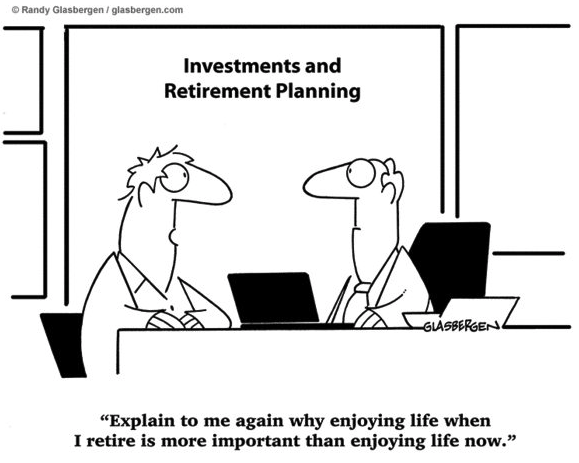
Ask ten people what financial freedom means, and you may get ten different answers. One person might say it means retiring at 45 and drinking iced coffee on a balcony with a heroic ocean view. Another might say it means paying every bill on time without doing mental gymnastics in the grocery aisle. Someone else may simply want to stop checking their bank balance with the emotional intensity of a weather radar during hurricane season.
That is the beauty of financial freedom: it is personal. It is not always about being rich, owning three vacation homes, or becoming the mysterious neighbor who “works in investments” but is somehow always outside watering plants at 10 a.m. For most people, financial freedom means having enough control over money that life decisions are guided by values, not panic. It means money becomes a tool, not a daily fire alarm.
In practical terms, financial freedom is the ability to cover your needs, prepare for surprises, pursue meaningful goals, and make choices without being trapped by debt, unstable cash flow, or constant financial stress. It is part security, part flexibility, and part peace of mind. It is less about a magic number and more about building a life where money supports your time, health, relationships, and ambitions.
What Financial Freedom Really Means
Financial freedom is often described as the point where your income, savings, and investments give you enough stability to live the life you want. But the phrase can sound bigger and fancier than it needs to. At its core, it means you are not constantly being pushed around by bills, emergencies, debt payments, or fear of the next unexpected expense.
For one family, financial freedom may mean having a six-month emergency fund, reliable health insurance, and the ability to take a modest vacation without credit card regret. For a young professional, it may mean paying off student loans and building investments early. For a parent, it may mean having childcare, housing, and education costs under control. For an entrepreneur, it may mean having enough savings to leave a job and build a business without turning dinner into a daily budget committee meeting.
Financial freedom does not require perfection. You can be financially free and still compare prices, use coupons, drive an older car, or say no to overpriced brunch. In fact, many financially free people are surprisingly ordinary with money. They automate savings, avoid lifestyle inflation, invest steadily, and know exactly where their dollars go. They are not allergic to fun; they simply refuse to let fun become a monthly payment plan.
Financial Freedom vs. Being Rich
Being rich and being financially free are related, but they are not the same thing. A person can earn a high salary and still feel financially trapped if every dollar is already claimed by a mortgage, car loans, luxury habits, credit card balances, and the pressure to maintain an expensive lifestyle. That is not freedom. That is a very shiny treadmill.
Financial freedom is more about margin than status. Margin means there is room between what you earn and what you spend. It means you have breathing space. When your income rises but your spending rises faster, your financial life may look impressive from the outside while feeling fragile on the inside. True freedom grows when you keep a healthy gap between income and expenses, then use that gap to save, invest, pay down debt, and buy back future choices.
A financially free person might live in a smaller home, cook at home most nights, and drive a paid-off car. Yet they may sleep better than someone with a luxury SUV, a designer closet, and a credit card balance that could qualify as a minor national emergency. Wealth is not only what you earn. It is what you keep, what you grow, and what your money allows you to choose.
The Four Pillars of Financial Freedom
1. Control Over Daily Money
The first sign of financial freedom is control over day-to-day money. That means you know what comes in, what goes out, and what needs attention. A budget is not a punishment; it is a map. Without a map, your money may wander off into subscriptions, takeout, impulse buys, and mysterious “small purchases” that somehow form a giant monthly creature.
A practical budget gives every dollar a role. Some dollars pay for housing, food, transportation, insurance, and utilities. Some dollars go toward savings and debt payoff. Some dollars are allowed to have fun, because a budget with no joy is just a financial diet wearing uncomfortable shoes. The goal is not to eliminate pleasure. The goal is to make sure pleasure is planned, affordable, and not secretly stealing from your future.
2. Protection From Emergencies
Financial freedom also means being able to handle surprises. Life has a special talent for sending bills at the least convenient time. A car breaks down. A medical expense appears. A laptop quits right before an important project. The refrigerator starts making a noise that sounds like a haunted lawn mower.
An emergency fund protects you from turning every surprise into debt. Even a small starter fund can reduce stress. Over time, many households aim for enough cash to cover several months of essential expenses. The exact amount depends on your income stability, family responsibilities, health needs, and job situation. Someone with irregular freelance income may need a larger cushion than someone with a stable salary and strong benefits.
The best emergency fund is boring, accessible, and separate from everyday spending. It should not be invested in something risky or hidden in an account you constantly dip into for concert tickets. Its job is simple: stand quietly in the background until life gets weird.
3. Freedom From High-Interest Debt
Debt is not always bad. A reasonable mortgage, student loan, or business loan can support long-term goals. But high-interest consumer debt can act like a financial anchor. Credit card balances, payday-style borrowing, and expensive personal loans can eat future income before it even arrives.
Paying down high-interest debt is one of the fastest ways to increase financial freedom. There are two popular approaches. The debt avalanche method focuses on paying the highest-interest debt first, which can save the most money mathematically. The debt snowball method focuses on paying the smallest balance first, which can build motivation through quick wins. The best method is the one you will actually follow without needing dramatic background music.
Once high-interest debt disappears, cash flow improves. Money that used to go to interest can move toward savings, investments, travel, education, or simply a calmer life. That shift can feel like getting a raise without changing jobs.
4. Long-Term Wealth Building
Financial freedom is not only about surviving this month. It is also about preparing for the future. Saving and investing help turn current income into future options. Retirement accounts, diversified investments, and long-term planning allow money to grow over time through compounding.
Compound growth is not flashy in the beginning. It is more like planting a tree than launching a rocket. At first, progress can look slow. Then, as contributions and returns build on each other, the results become more powerful. This is why starting early matters, even with modest amounts. Time is one of the few financial advantages that does not require a high salary.
Tax-advantaged retirement accounts such as 401(k)s and IRAs can help people invest for the future. Employer matches, when available, can be especially valuable because they add extra money to your retirement savings. For many people, a steady habit of investing is more important than trying to predict the perfect market moment. The market does not send engraved invitations when it is about to rise.
What Financial Freedom Can Look Like in Real Life
Financial freedom is not always dramatic. Sometimes it looks like paying the dentist without sweating. Sometimes it looks like leaving a toxic job because you have enough savings to take your time. Sometimes it looks like choosing a lower-paying career that gives you more time with your family. Sometimes it looks like saying yes to a trip, a class, a business idea, or a move because your finances are not blocking the door.
Consider a couple earning a normal middle-class income. They track expenses, avoid unnecessary debt, build an emergency fund, contribute to retirement accounts, and keep housing costs reasonable. They are not famous. They do not own a yacht. They still compare grocery prices and occasionally debate whether name-brand cereal is worth it. But they have options. If one person loses a job, they have savings. If the car needs repairs, they do not panic. If they want to help a family member or take a vacation, they can plan for it. That is financial freedom in everyday clothes.
Now imagine another household earning much more but spending nearly everything. Their income looks impressive, but the bills are huge. The cars are financed, the credit cards carry balances, and every bonus disappears into lifestyle upgrades. If an emergency hits, they rely on debt. This household may appear wealthier, but it has less freedom. The lesson is simple: financial freedom depends less on looking successful and more on building systems that protect your choices.
How to Start Building Financial Freedom
Define Your Version of Freedom
Before building a plan, define what financial freedom means to you. Do you want to retire early? Work part-time? Buy a home? Travel more? Care for aging parents? Start a business? Spend more time with your children? A goal that belongs to you is easier to pursue than one borrowed from social media.
Write down what you want your money to do. Be specific. “I want more freedom” is a nice thought, but “I want to save $15,000 so I can change careers without panic” gives your money a mission. Clear goals turn vague dreams into monthly actions.
Track Your Money Without Shame
Many people avoid looking at their finances because they fear what they will find. But tracking money is not about blame. It is about information. You cannot improve what you refuse to measure. Review your income, fixed bills, flexible spending, debts, savings, and subscriptions. Yes, even the subscription you forgot you had but has been quietly charging you since the previous era of your personality.
Once you see the full picture, look for simple changes. Cancel unused services. Negotiate bills when possible. Cook more meals at home. Set spending limits for categories that tend to escape supervision. Small improvements repeated monthly can create serious momentum.
Automate the Important Stuff
Automation is one of the most underrated tools in personal finance. Automatic transfers to savings, retirement accounts, and debt payments remove the need for constant willpower. Willpower is great, but it gets tired. Automation does not care if you had a long day or if online shopping suddenly looks emotionally supportive.
Set up automatic savings right after payday. Treat savings like a bill you owe your future self. Even a modest amount matters when it becomes consistent. Over time, increase the amount when your income rises or a debt is paid off.
Increase Income Strategically
Cutting expenses helps, but there is a limit to how much you can cut. Increasing income can speed up financial freedom. This might mean negotiating a raise, changing jobs, building a side business, learning a higher-value skill, freelancing, selling unused items, or creating a product or service.
The key is to avoid letting every income increase become new spending. If you earn more and immediately upgrade everything, freedom stays far away. A powerful strategy is to save or invest a percentage of every raise, bonus, or extra income stream before lifestyle inflation gets a seat at the table.
Common Myths About Financial Freedom
Myth 1: You Need a Huge Salary
A high income helps, but it is not the whole story. People with average incomes can build freedom by controlling spending, avoiding toxic debt, saving consistently, and investing over time. People with high incomes can still feel trapped if they spend without limits. Income is the engine, but habits are the steering wheel.
Myth 2: Financial Freedom Means Never Working Again
Some people want early retirement. Others want work they enjoy. Financial freedom does not always mean quitting work forever. It may mean having the power to choose work based on meaning, flexibility, or purpose instead of pure survival. Work feels different when it is a choice, not a cage.
Myth 3: Budgeting Ruins Fun
A good budget protects fun. It gives you permission to spend on what matters because you already handled the essentials. Without a budget, fun can become guilt. With a budget, fun becomes planned and stress-free. That is a major upgrade.
Myth 4: Investing Is Only for Experts
You do not need to become a Wall Street wizard to invest. Many people build wealth through simple, diversified, long-term strategies. The basics matter: start early, keep costs low, diversify, contribute consistently, and avoid emotional decisions. The goal is not to impress finance people at dinner. The goal is to give your future self more options.
Experiences Related to Financial Freedom
When people talk honestly about financial freedom, their stories usually begin with a moment of discomfort. It may be the day a card gets declined, the night a surprise bill turns into a family argument, or the morning someone realizes they have worked for years but still have no savings. These moments are not fun, but they can become turning points. Money clarity often starts when denial becomes more painful than change.
One common experience is the first emergency fund milestone. Saving the first $500 or $1,000 may not sound glamorous, but emotionally it can feel enormous. Suddenly, a flat tire is annoying instead of devastating. A medical copay is unpleasant instead of terrifying. That small cushion creates a psychological shift: “I can handle things.” Financial freedom often begins with that sentence.
Another powerful experience is paying off a high-interest debt. At first, the process can feel slow. You make payments, and the balance seems to mock you from the screen. But once momentum builds, every payment becomes proof that your future income is being released. The final payment can feel strangely quiet. No parade appears. No marching band arrives in your living room. But the next month, the money that used to belong to a lender belongs to you again. That is a real form of freedom.
Many people also describe financial freedom as the ability to say no. No to a job that drains them. No to a purchase they cannot afford. No to social pressure. No to family expectations that would damage their stability. At first, saying no can feel uncomfortable. Over time, it becomes empowering. A financially grounded “no” protects your bigger “yes”yes to peace, yes to opportunity, yes to a life that matches your values.
There is also the experience of learning that freedom is not built only from big wins. It is built from ordinary choices repeated long enough to matter. Cooking at home. Increasing retirement contributions by 1%. Keeping an older car. Buying quality items instead of trendy ones. Reviewing insurance. Asking for a raise. Reading financial statements. These actions are not thrilling, but neither is brushing your teeth, and everyone agrees that skipping it has consequences.
Perhaps the most meaningful experience is when money becomes quieter. You still manage it, but it no longer dominates every conversation. Bills are expected. Savings are automatic. Investments are growing in the background. Spending aligns with values. Life is not perfect, but it is less reactive. That quietness is underrated. It means your financial system is doing its job.
So, what does financial freedom mean to you? It may mean time, safety, independence, generosity, travel, family, creativity, or simply sleeping better. Your answer does not need to match anyone else’s. The point is to build a financial life that gives you more choices, fewer emergencies, and enough confidence to live with intention. Financial freedom is not a finish line reserved for millionaires. It is a series of better decisions that slowly turn money from a source of stress into a source of strength.
Conclusion
Financial freedom is not about pretending money does not matter. It is about managing money so well that it stops controlling every decision. It means having control over daily spending, protection from emergencies, a plan for debt, and a long-term strategy for building wealth. It means your money supports the life you actually want, not the life advertisers, algorithms, or other people told you to want.
The road to financial freedom starts with honest numbers and small repeatable actions. Track your spending. Build an emergency fund. Pay down high-interest debt. Save automatically. Invest for the future. Increase income when possible. Most importantly, define freedom in a way that fits your real life. Because the best version of financial freedom is not the loudest, flashiest, or most expensive one. It is the one that lets you breathe, choose, and live with purpose.
Note: This article is for general educational purposes only and should not replace personalized advice from a qualified financial, tax, or legal professional.