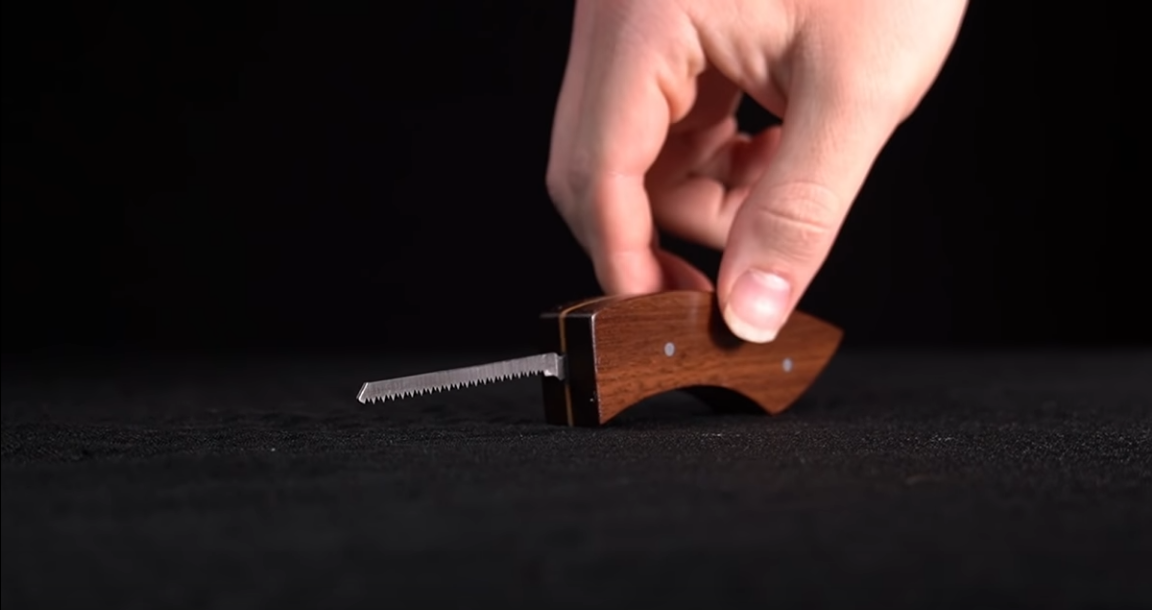
Every October, the humble pumpkin becomes America’s favorite orange canvas. It sits on porches, kitchen islands, hay bales, and dining tables, quietly waiting for someone to turn it into a grin, a ghost, a cat, a moon, or a lopsided masterpiece that looks “abstract” only because nobody wants to hurt Dad’s feelings. And in the middle of that tradition is one important tool: the carving knife.
But not just any knife deserves a place in a family Halloween ritual. A true heirloom knife is the kind of tool that feels less like a seasonal gadget and more like a small piece of family history. It is cared for, stored safely, used responsibly by adults, and brought out year after year with the same excitement as the decorations box labeled “spooky stuff.” When chosen and maintained well, an heirloom pumpkin carving knife can become part of the holiday itself.
This article explores why a quality carving knife can last for years, what makes a blade heirloom-worthy, how to care for it properly, and why safe pumpkin carving matters. Think of it as part kitchen wisdom, part Halloween tradition, and part love letter to tools that do their job without needing batteries, Bluetooth, or a software update.
What Makes a Knife an Heirloom Tool?
The word “heirloom” gets tossed around a lot. Tomatoes are heirloom. Quilts are heirloom. Grandma’s casserole dish with the mysterious permanent stain is definitely heirloom. But when it comes to knives, heirloom means more than old. It means durable, useful, repairable, and meaningful enough that someone might keep it instead of tossing it into the junk drawer beside expired coupons and three lonely rubber bands.
An heirloom knife usually has a few qualities in common. It feels solid in the hand, has a blade made from dependable steel, and is designed for control rather than flashy decoration. It should be easy to clean, easy to store safely, and capable of being maintained over time. A knife that can be sharpened, dried, protected, and passed down has a much better chance of surviving many pumpkin seasons.
For pumpkin carving, the best heirloom tool is not necessarily the biggest or sharpest kitchen knife in the block. In fact, pumpkin carving safety experts often recommend tools designed specifically for pumpkin work, especially serrated carving tools that require less risky force than large kitchen blades. An heirloom approach does not mean using the most dramatic tool available. It means respecting the task, the tool, and the people around the table.
Why Pumpkin Carving Deserves a Dedicated Tool
Pumpkins are tougher than they look. Their thick rind can grab a blade, resist pressure, and suddenly release when least expected. That is why using the wrong tool can turn a cozy fall evening into an urgent-care field trip, which is not exactly the festive memory anyone wants.
A dedicated pumpkin carving knife or carving tool gives adults better control and keeps the family’s kitchen knives from doing a job they were not designed to do. Chef’s knives are wonderful for onions, squash, herbs, and pretending you are the star of a cooking show. But pumpkin carving often involves curves, small openings, and controlled cuts through a hard exterior. A tool designed for that seasonal task is usually the wiser choice.
There is also a practical reason to keep pumpkin tools separate: pumpkins are messy. The inside is stringy, wet, and surprisingly determined to cling to everything. A dedicated carving knife can be cleaned, dried, and stored with the Halloween supplies so it is ready next year. No one has to ask, “Where did the pumpkin knife go?” while standing elbow-deep in orange pulp.
The Beauty of a Knife That Lasts
Modern life is full of disposable things. Plastic decorations crack. Cheap tools bend. Seasonal gadgets disappear after one use, probably into the same dimension that collects missing socks. A quality carving knife offers the opposite experience. It rewards care. It gains a story. It becomes familiar.
The handle may develop a subtle worn-in feel. The blade may show signs of careful maintenance. The storage sleeve or box may carry little reminders of past Halloweens. One year it carved a classic triangle-eyed jack-o’-lantern. Another year it helped create a haunted mansion silhouette. Another year it was present for the pumpkin that collapsed three days early and looked like it had seen too much.
That continuity matters. Traditions often feel special because they repeat. The same table. The same bowl for pumpkin seeds. The same jokes about who has to scoop the inside. The same carving tool, safely handled by adults, can become part of that rhythm.
How to Think About Quality Without Turning It Into a Shopping Obsession
An heirloom-quality knife does not need to be fancy. It does not need a dramatic name, a velvet-lined box, or a backstory involving a mountain forge and a person named Sven. What it needs is reliability.
Durable Materials Matter
Good steel matters because the blade should resist damage, hold its shape, and be maintainable. Stainless steel is popular because it resists rust better than carbon steel. Carbon steel can be excellent and long-lasting, but it usually requires more careful drying and occasional protective oiling. Either way, the real secret is not magic metal. It is responsible care.
A Comfortable Handle Matters
A handle should feel secure and stable for the adult using it. Slippery handles are not charming. They are trouble wearing a costume. A well-made handle improves control and reduces the urge to apply awkward pressure.
Purpose Matters Most
The best pumpkin carving tool is one that matches the task. For detailed designs, smaller carving tools can offer better control. For opening the top of a pumpkin, a sturdy carving tool designed for pumpkins is often more appropriate than a large kitchen knife. The goal is not power. The goal is controlled, careful work.
Pumpkin Carving Safety: The Tradition Should Stay Fun
No pumpkin design is worth an injury. That sentence may not sound as thrilling as “Behold, the haunted skull pumpkin of doom,” but it is much more useful. Pumpkin carving is one of those seasonal activities where excitement, wet surfaces, hard rinds, and sharp tools can meet in unfortunate ways.
Adults should handle the cutting. Children can still be fully involved by choosing designs, drawing patterns, scooping seeds with safe utensils, painting pumpkins, placing stickers, arranging decorations, and proudly naming the finished jack-o’-lantern something dramatic like Sir Glows-a-Lot. That way, the tradition stays inclusive without putting young hands near sharp tools.
A safe carving space should be clean, dry, well lit, and free from clutter. Wet hands and wet handles are a bad combination. So are crowded tables, unstable pumpkins, and people reaching across one another. Pumpkin night should feel festive, not like a slapstick scene waiting to happen.
Lighting also matters after the carving is done. Battery-powered lights are a popular choice because they create a warm glow without the fire risk of candles. They also avoid the classic problem of someone trying to lower a tiny flame into a pumpkin while everyone silently wonders whether this is how the tablecloth meets its destiny.
How to Care for an Heirloom Pumpkin Knife
The difference between a tool that lasts one season and a tool that lasts for years often comes down to care. A carving knife does not need dramatic treatment. It needs simple, consistent habits.
Clean It Promptly
After use, the blade should be cleaned by an adult with mild soap and water. Pumpkin residue can be sticky, wet, and acidic enough to encourage staining if left too long. The tool should never be tossed into a sink full of dishes where someone might reach in without seeing it.
Dry It Completely
Moisture is the enemy of long-term knife care. Even stainless steel can develop spots when neglected. Carbon steel needs extra attention because it can rust more easily. Drying the blade and handle right away helps preserve both performance and appearance.
Skip the Dishwasher
Dishwashers are rough on knives. Heat, detergent, water pressure, and contact with other utensils can damage handles and edges. Hand cleaning is the better habit for any tool you want to keep for years.
Store It Safely
A carving knife should be stored in a protective sleeve, case, or secure box away from children. If it is part of a seasonal kit, label the container clearly. Future you will be grateful when October returns and you are not digging through three closets while holding a pumpkin like an impatient orange bowling ball.
Sharpening, Honing, and Knowing When to Stop
Knife maintenance often gets confusing because people use “sharpening” and “honing” as if they are the same thing. They are related, but not identical. Honing helps realign an edge. Sharpening removes a small amount of metal to restore a worn edge. For specialty carving tools, maintenance should follow the maker’s guidance whenever possible.
That said, pumpkin carving tools do not need to become a backyard blacksmithing hobby. The main point is to keep the tool in safe working condition. A damaged, loose, rusty, or unstable knife should not be used. If a tool looks compromised, it is better to repair or retire it than force one more Halloween out of it.
Why an Heirloom Knife Is Really About Ritual
The phrase “heirloom knife” sounds like it is about steel, handles, and craftsmanship. And yes, those things matter. But the emotional value comes from ritual.
Families remember the annual pumpkin selection. They remember arguing cheerfully over whether the design should be spooky, silly, cute, or “whatever this is supposed to be.” They remember roasting pumpkin seeds, wiping orange pulp off the counter, and taking pictures on the porch after sunset. The knife is simply the tool that shows up every year to help make the ritual possible.
That is why care matters. When a tool is cleaned, dried, wrapped, and stored properly, it sends a message: this tradition is worth preserving. We are not just making a decoration. We are making a memory with a face carved into it.
Creative Pumpkin Ideas That Do Not Require Risky Carving
One of the smartest ways to make pumpkin night more fun is to mix carved pumpkins with no-carve designs. This is especially helpful for families with children, big groups, classrooms, or anyone who would rather not turn the evening into a safety briefing with snacks.
Painted pumpkins can be beautiful, funny, spooky, or elegant. Stickers, ribbons, faux leaves, fabric scraps, and washable markers can transform a plain pumpkin into a character. Mini pumpkins can become place cards for a fall dinner. White pumpkins can be decorated with metallic paint for a more polished look. A pumpkin does not need cutouts to earn porch applause.
For families, a good tradition is to let adults handle any carving while children design the faces. Kids can draw the plan on paper, transfer simple shapes with markers, scoop seeds with a spoon, and decorate around the finished pumpkin. This keeps the creative ownership where it belongs: with the tiny art directors who will absolutely insist the pumpkin needs eyebrows.
Making the Knife Part of a Family Story
An heirloom carving knife becomes more meaningful when it is attached to a story. Some families keep it in a small wooden box with old Halloween photos. Others write the year on a card and record what design was carved. Some save favorite templates or keep a notebook of pumpkin ideas. These little habits turn a seasonal tool into a family archive.
You can also create a simple tradition around the first pumpkin of the season. Maybe the oldest adult opens the carving kit. Maybe everyone votes on the design. Maybe the finished pumpkin gets a name. Maybe the roasted seeds are always seasoned the same way. These details may seem small, but traditions are built from small things repeated with affection.
When to Retire a Pumpkin Knife
Even heirlooms need honest evaluation. A knife should not be kept in use just because it has sentimental value. If the blade is cracked, the handle is loose, the edge is badly damaged, or rust has compromised the metal, it may be time to retire it from active duty.
Retiring does not mean throwing away the memory. A beloved old tool can be cleaned, protected, and kept as a keepsake while a safer replacement takes over the job. In fact, that is part of responsible tradition. The memory continues, but safety gets the final vote.
A 500-Word Experience: What Pumpkin Carving Teaches Year After Year
The best pumpkin carving memories rarely come from perfect results. They come from the little surprises that happen along the way. The pumpkin is always heavier than expected. The “simple” design somehow becomes complicated after the first line. Someone always says, “This will only take twenty minutes,” which is the official opening statement of a two-hour project.
Using the same carving knife year after year adds a comforting rhythm to the experience. You remember where the kit is stored. You remember which towel becomes the official pumpkin towel. You remember that the seeds need more seasoning than you think. The tool comes out, and suddenly the season feels real. It is no longer just fall on the calendar; it is fall on the table, complete with pulp, laughter, and one pumpkin that looks suspiciously worried.
There is also something grounding about caring for a tool after the fun is finished. The pumpkin may last only a few days on the porch, slowly sagging into a spooky version of itself, but the knife remains. Cleaning it properly feels like closing the ritual. Drying it, placing it back in its sleeve, and storing it away says, “See you next year.” That small act gives the tradition a beginning, middle, and end.
For many families, the heirloom quality is not about the knife being expensive. It is about reliability. It is the tool that was there when the kids were little and wanted goofy faces. It was there when teenagers wanted elaborate designs and pretended not to enjoy family pumpkin night, even though they absolutely did. It was there when adults carved late at night because life got busy but the porch still needed its glowing guardian.
Over time, the knife becomes connected to the stories. “Remember the pumpkin with the tiny vampire teeth?” “Remember when we carved three pumpkins and only one survived the squirrels?” “Remember the year we tried a haunted house design and it looked more like a tired sandwich?” These are the moments that make a seasonal object feel permanent.
An heirloom pumpkin knife also teaches respect for tools. It reminds everyone that useful objects deserve care, that safety matters, and that traditions are stronger when handled thoughtfully. Children can learn that sharp tools are for adults, not toys, while still being included in the creative fun. Adults can model patience, preparation, and the rare courage it takes to admit that a pumpkin design is above their skill level.
In the end, the real treasure is not the knife alone. It is the annual gathering around the pumpkin. It is the smell of autumn, the glow on the porch, the bowl of seeds waiting for the oven, and the shared satisfaction of making something with your hands. A well-kept carving knife simply helps carry that experience from one October to the next.
Conclusion: A Tool Worth Keeping, A Tradition Worth Protecting
An heirloom knife will carve pumpkins for years to come only when it is treated as both a tool and a responsibility. The best carving traditions combine creativity, safety, care, and a little seasonal silliness. Choose purpose over drama, let adults handle sharp tools, keep the workspace dry and well lit, clean and store the knife properly, and make room for children to participate through design, scooping, painting, and decorating.
A pumpkin may glow for a night, but the memories can last much longer. With the right care, a dependable carving knife can return every fall like an old friendquiet, useful, and ready to help turn another ordinary pumpkin into the star of the porch.
Note: This article is written for safe, family-friendly web publishing. Pumpkin carving tools should be handled by responsible adults, while children can participate through supervised decorating and design activities.