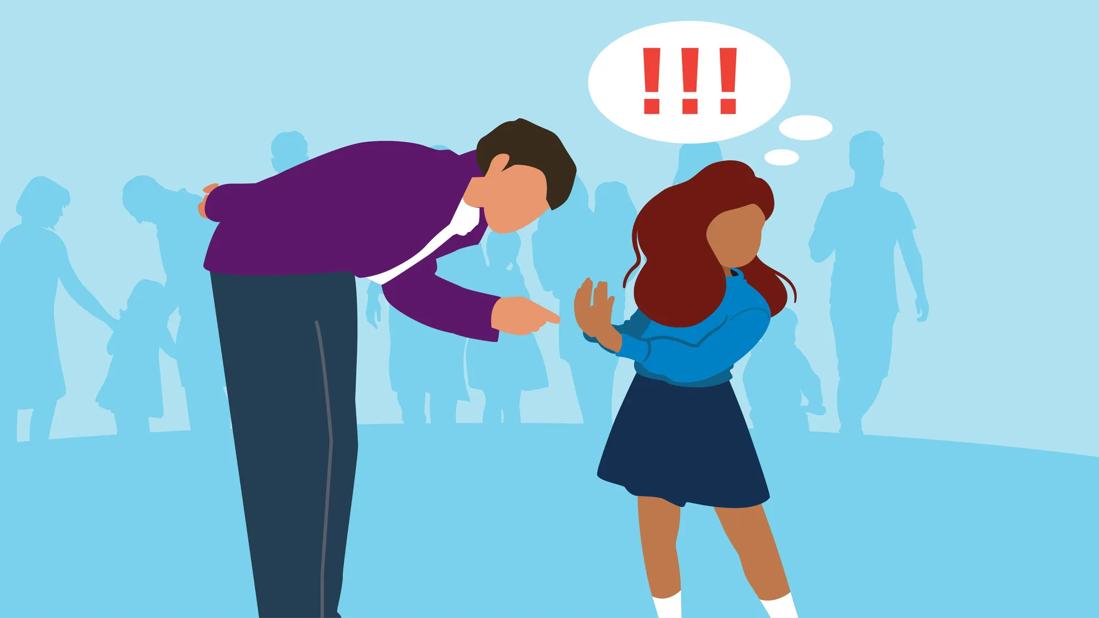
There is a special kind of parenting panic that arrives when your child is finally old enough to walk a few steps ahead of you in a store. One moment they are admiring cereal with cartoon dinosaurs, and the next your brain has written a full crime documentary. That fear is real, but the answer is not turning every stranger into a movie villain. The smarter approach is teaching kids how to recognize safe strangers, spot tricky people, trust their feelings, and ask for help fast.
That matters because child safety is rarely about a person looking “scary.” In real life, unsafe people often seem friendly, familiar, helpful, or fun. Some may even be people a child already knows. That is why the old-school “never talk to strangers” talk can fall flat. Kids do sometimes need to talk to strangers for help. What they really need is a practical, calm, age-appropriate safety plan.
This guide breaks down how to teach your child about safe strangers and tricky people without making the world feel like one giant danger zone. The goal is not fear. The goal is confidence.
Why “Tricky People” Makes More Sense Than “Stranger Danger”
The phrase stranger danger is catchy, but it is also a little too simple for real life. Children may need help from a store employee, a teacher they do not know well, a firefighter, a parent with children nearby, or a police officer. At the same time, a person who is not technically a stranger can still behave in unsafe ways.
That is where the idea of tricky people is more useful. A tricky person is anyone who asks a child to break safety rules, keep uncomfortable secrets, go somewhere alone, ignore body boundaries, or do something that feels wrong. This shifts the lesson from “judge people by whether you know them” to “judge situations by behavior.” Frankly, that is a much better life skill.
How to explain it to kids
You might say:
- “Most people are okay, but some people make unsafe choices.”
- “A tricky person can be someone you know or someone you do not know.”
- “We pay attention to what people do, not just whether they seem nice.”
That language is clear, calm, and less likely to leave your child suspicious of every person holding a grocery basket and minding their own business.
Teach the Difference Between Safe Strangers and Unsafe Situations
Children should learn that some strangers are appropriate helpers in an emergency. These are often called safe strangers. A safe stranger is not “safe forever.” They are simply the kind of person a child can approach when they need immediate help.
Examples of safe strangers
- A cashier or store employee with a name tag
- A police officer, firefighter, or paramedic
- A librarian, teacher, or school staff member
- A parent with children nearby
- A security guard or information desk worker
Teach your child to look for people in public, well-lit places, preferably adults connected to a job or another family. If your child gets lost, the plan should be simple: stay where people are, move toward a safe adult, and say, “I need help. I am lost.”
At the same time, explain that an adult asking a child for help is a red flag. A safe adult does not need a six-year-old to help find a puppy, carry groceries to a car, or go look for something around the corner. Adults ask other adults for help. Kids need to hear that line more than once, because it is gold.
Body Safety Rules Every Child Should Know
One of the strongest ways to protect children is by teaching body safety early and often. This is not a one-time lecture. It is an ongoing conversation built into daily life, the same way you talk about seat belts, helmets, and not licking shopping carts.
Core body safety lessons
- Your body belongs to you.
- You are allowed to say “no” to unwanted touch.
- No one should ask you to keep secrets about touching.
- If something feels weird, confusing, scary, or yucky, tell a trusted adult.
- You will not get in trouble for telling the truth about safety.
Use correct anatomical names in an age-appropriate way. Kids do not need a medical seminar at breakfast, but clear vocabulary helps them describe concerns accurately. It also sends an important message: bodies are not shameful, and talking about safety is normal.
It also helps to teach the difference between secrets and surprises. A surprise, like a birthday present, is happy and temporary. A secret that makes a child uncomfortable, scared, or confused should always be told to a trusted adult. Unsafe people often rely on secrecy. Your job is to make secrecy much less powerful.
Give Your Child Words They Can Actually Use
A lot of safety advice sounds great in theory but falls apart when a child freezes in the moment. That is why scripts matter. Practice short, strong phrases that feel natural in your child’s mouth.
Simple safety phrases to rehearse
- “No, I need to ask my mom or dad first.”
- “I do not keep secrets from my family.”
- “Stop. I do not like that.”
- “I need help right now.”
- “You are not my safe grown-up.”
Role-play matters here. Practice in the car, at bedtime, or while walking through a store. Ask “what if” questions: What if someone says your parent sent them? What if someone online asks for a photo? What if a grown-up says not to tell? These little rehearsals build muscle memory. When children have practiced what to say, they are much more likely to use it.
Create a Family Safety Plan That Is Easy to Remember
Children do better with simple rules than with a dramatic monologue worthy of a detective show. A good family safety plan should be concrete and repeatable.
Include these basics
- Check first: Your child should always check with you before going anywhere, getting in a car, or accepting gifts.
- Buddy rule: When possible, stay with a friend, sibling, or trusted adult.
- Family password: Create a code word only trusted adults know. If someone says, “Your mom told me to pick you up,” your child can ask for the password.
- Know key information: Teach your child their full name, your name, phone number, and address when developmentally appropriate.
- Emergency action: Yell, run, and tell if someone tries to take them somewhere or breaks a safety rule.
That last part is worth emphasizing. Many children are taught to be polite, obedient, and respectful. Lovely qualities. But in a safety situation, politeness takes the day off. Give your child explicit permission to be loud, rude, and impossible if they feel unsafe.
Teach Kids to Trust Their Feelings Without Making Them Fearful
Children often notice discomfort before they can explain it. Maybe someone is standing too close, asking too many personal questions, or making them feel funny inside. Teach your child that uneasy feelings matter.
You can say, “If your tummy feels tight, your heart feels fast, or you suddenly want to get away, pay attention. That is your body trying to help you.” This is not mystical. It is practical. Kids do not need perfect evidence to move toward safety.
At the same time, avoid turning the lesson into “everyone is dangerous.” The goal is balanced awareness. We want kids to be alert, not alarmed; confident, not terrified; prepared, not convinced that the mail carrier is plotting a heist.
Why Known Adults Deserve the Same Safety Rules
One of the hardest truths for parents is that unsafe behavior does not only come from unknown people. Children need body boundaries and permission to speak up with everyone, including relatives, family friends, coaches, older kids, babysitters, and other trusted adults.
That means your home rules should apply broadly:
- No one gets to demand affection.
- No one gets to break body boundary rules.
- No one gets to isolate a child in secretive ways.
- No one gets to tell a child, “Do not tell your parents.”
If your child does not want to hug someone, offer alternatives like a wave, high five, or fist bump. This might annoy one or two relatives who believe affection should be mandatory. They will survive. And your child will learn something priceless: their “no” matters.
Do Not Forget Online Tricky People
Today’s tricky person may show up through a game chat, direct message, fake profile, or friendly comment thread. Online safety is not a separate conversation anymore. It is part of the same child safety conversation.
Teach these digital safety rules
- Do not share full name, address, school, phone number, or location.
- Do not send photos, videos, or private information without checking first.
- Do not move chats to private apps without permission.
- Tell a trusted adult if someone asks for secrecy, personal pictures, or private conversations.
- Never meet an online contact in person without a parent’s knowledge and supervision.
It also helps to explain that people online may pretend to be younger, kinder, or more relatable than they really are. A child does not need to understand every ugly corner of the internet to understand this simple truth: not everyone online is who they say they are.
How to Respond If Your Child Tells You Something Concerning
If your child shares a story that raises a red flag, your first response matters more than your perfect wording. Stay calm. Thank them for telling you. Believe them enough to take the concern seriously. Do not lead with panic, blame, or twenty rapid-fire questions worthy of a courtroom drama.
Try this response
“Thank you for telling me. I am glad you told me. You are not in trouble. I am going to help keep you safe.”
That response builds trust. It tells your child they did the right thing, and it keeps the door open for more details. If needed, document what was said and seek appropriate professional or legal help. The key is that your child should leave the conversation feeling protected, not punished for speaking up.
How to Make Safety Talks a Normal Part of Family Life
The best child safety conversations are not one terrifying annual lecture delivered like a corporate compliance video. They are short, regular, and connected to real life. Use books, playground moments, school events, online experiences, and news stories as conversation starters.
Ways to keep the topic approachable
- Use calm, matter-of-fact language
- Repeat the same core ideas often
- Practice with role-play instead of fear tactics
- Praise your child for asking questions
- Remind them often that they can always come to you
If your child is especially anxious, keep the focus on empowerment. Say, “Most days are ordinary and safe. We practice these rules so you know what to do, just like wearing a helmet or learning how to swim.” Safety skills should feel like tools, not thunderclouds.
Real-World Parenting Experiences and Lessons That Stick
Many parents do not realize how powerful these lessons are until an ordinary day turns into a teaching moment. One mom at a busy mall told her seven-year-old that if they got separated, she should look for a cashier with a name tag. A week later, the child wandered one store over, got nervous, and did exactly that. No drama, no tears, no cinematic slow motion. Just a child using a plan they had practiced.
Another parent shared that they stopped forcing goodbye hugs at family gatherings. At first, Grandma looked mildly scandalized, as if civilization itself had taken a hit. But over time, the child became more comfortable using phrases like “No thank you” and “I want a high five instead.” That small change did more than prevent awkward holiday moments. It taught the child that body boundaries are real, not decorative.
There are also the moments parents never expect. One father overheard an older neighborhood kid telling his son, “Do not tell your parents. It is our secret.” Nothing terrible had happened, but the phrase alone was enough to trigger concern. Because they had already talked about unsafe secrets, his son mentioned it right away. That gave the parent a chance to step in early, talk calmly, and reinforce a simple rule: safe people do not ask kids to keep secrets from their grown-ups.
Online experiences matter too. One family set a rule that every new gaming friend stayed in the “public and boring” zone. In other words, no private chats, no personal details, and no disappearing messages. Their daughter later showed them a user who kept asking where she lived and whether she was home alone. Because the family had normalized these conversations, she did not hide it. She flagged it, blocked the user, and told a parent. That is what prevention often looks like in real life: not a headline, just a child who knew the weirdness was worth reporting.
Teachers see the value of role-play all the time. A first-grade teacher once practiced what to do if a child got lost on a field trip. The students thought it was half game, half performance art. But when one child became separated during a museum visit, she walked straight to the front desk and asked for help using the exact sentence they had rehearsed in class. Practice can feel silly right up until it becomes incredibly useful.
Some lessons come from discomfort. A mother realized her son had learned to be “nice” at all costs. He would smile when adults teased him, tolerate tickling he hated, and hesitate to say stop. So the family started practicing stronger words at home. “Stop.” “Back up.” “I do not like that.” Over time, he grew less worried about seeming rude and more focused on feeling safe. That shift may sound small, but for many kids it is huge.
Parents also learn that repetition works better than one perfect talk. Children forget. They grow. Situations change. The conversation you have with a preschooler about asking a cashier for help is not the same conversation you have with a tween about private group chats and someone asking for photos. Safety education is not a single speech. It is a series of age-appropriate updates.
And perhaps the biggest lesson parents report is this: children are more likely to speak up when adults stay approachable. When parents respond without overreacting, listen without instant judgment, and treat questions seriously, children keep coming back. That is the real win. Not raising fearful kids, but raising kids who know what feels off, know what to do next, and know exactly who will help them.
In the end, teaching your child about safe strangers and tricky people is not about handing them a backpack full of fear. It is about giving them a flashlight. A small, steady, useful beam they can carry into everyday life. And that is a lot more effective than shouting “be careful” from across a parking lot like a worried seagull.
Conclusion
Teaching your child about safe strangers and tricky people is really about building judgment, confidence, and communication. When children understand body boundaries, know how to identify unsafe behavior, and feel safe coming to you, they are better prepared for both offline and online situations. Keep the conversations simple, repeat them often, and practice real-life responses. Children do not need fear-heavy lectures. They need calm adults, clear rules, and the steady reassurance that if something ever feels wrong, they can tell you and you will help.