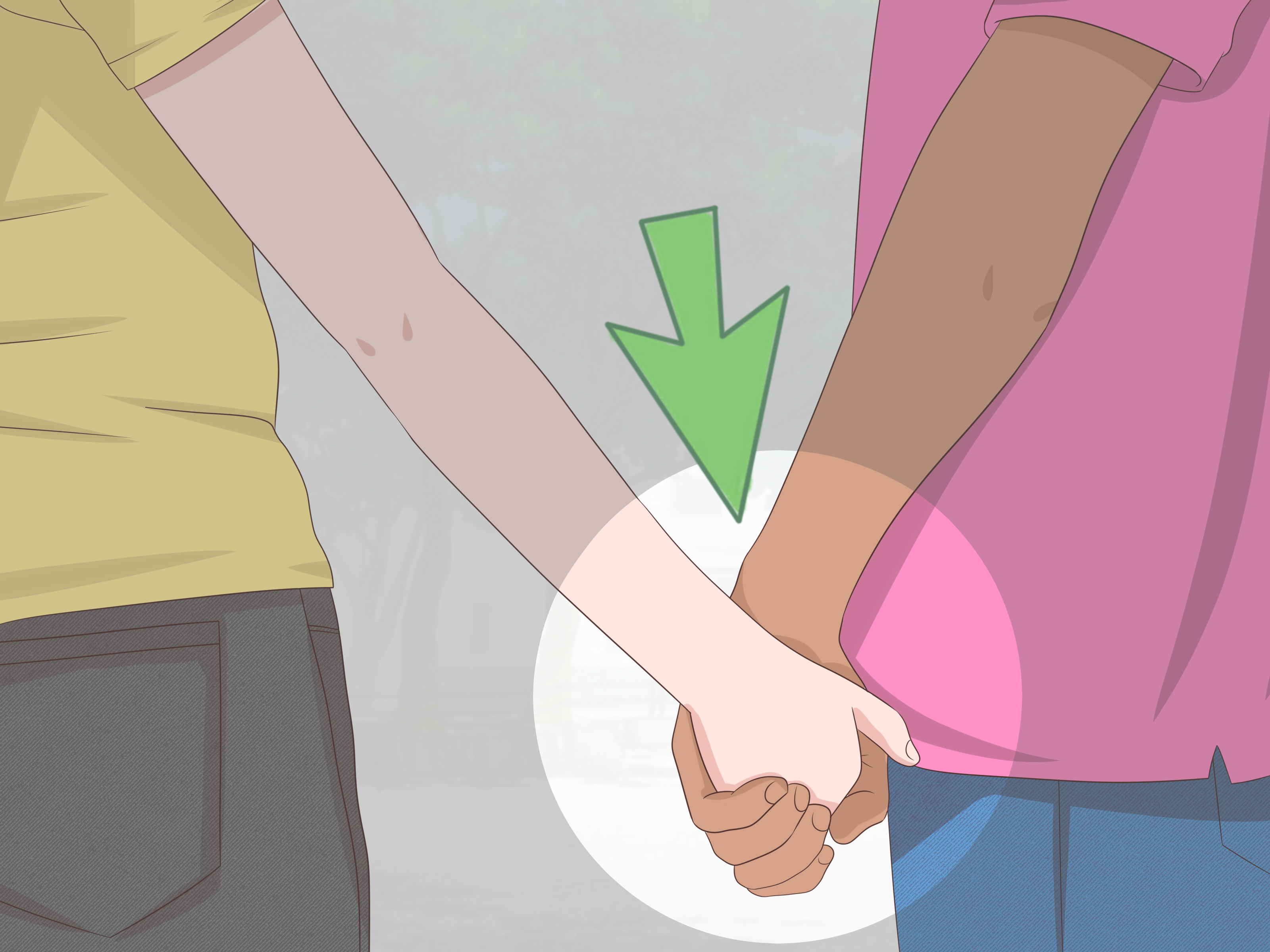
Learning how to initiate physical contact with a girl is not about memorizing “moves,” acting mysterious, or trying to become the main character in a low-budget romantic comedy. It is about respect, timing, emotional awareness, and one very important skill: knowing how to make another person feel safe around you.
Physical contact can be sweet, exciting, and relationship-building when it is mutual. A hug, a handhold, a playful high-five, or a gentle touch on the shoulder can communicate warmth better than a paragraph of nervous texting. But when physical contact is rushed, assumed, or pushed after hesitation, it can become uncomfortable fast. The goal is not to “get away with” touch. The goal is to create a moment where both people genuinely want it.
This guide explains seven respectful steps for initiating physical contact with a girl, whether you are on a first date, getting closer to someone you like, or trying to move from friendly chemistry to romantic connection. The advice is written for age-appropriate, consensual situations. Consent, comfort, and communication are the foundation. Everything else is just social seasoning.
Why Respectful Physical Contact Matters
Physical touch is powerful because it is personal. Some people love affection and naturally communicate through hugs, hand-holding, or sitting close. Others need more time, more trust, or clearer communication before they feel comfortable. Neither style is “wrong.” The key is understanding that physical boundaries belong to the person who has them.
In healthy dating, physical intimacy should feel like an invitation, not a test. If she feels pressured, cornered, surprised, or obligated, the moment is already off track. If she feels free to say yes, no, maybe later, or “not like that,” then you are creating the kind of environment where real connection can grow.
Also, confidence does not mean ignoring signals. True confidence looks calm, respectful, and unbothered by rejection. If you ask, “Can I hold your hand?” and she says, “Not yet,” the correct answer is not a TED Talk about why your hand is emotionally available. The correct answer is, “No problem,” followed by actually meaning it.
Step 1: Build Comfort Before You Think About Touch
Before initiating physical contact, focus on emotional comfort. Does the conversation flow naturally? Is she laughing, asking questions, sharing stories, and choosing to stay engaged? Does she seem relaxed around you? These signs matter because touch without comfort can feel abrupt, even if your intention is kind.
Start by being present. Put your phone away. Listen without trying to turn every sentence into a flirting opportunity. Ask thoughtful questions. Show that you are interested in her as a person, not just as someone you want to touch. If she mentions her dog, her favorite coffee shop, or the fact that she once lost a fight with a revolving door, remember it. Small details build trust.
Good comfort-building examples
- Maintain relaxed eye contact without staring like a security camera.
- Smile naturally and respond to what she actually says.
- Respect personal space, especially early in the interaction.
- Use light humor without making her the target of the joke.
- Let the conversation breathe instead of filling every silence with panic.
If the energy feels tense, distracted, or one-sided, do not use touch to “fix” it. That usually makes things worse. Instead, slow down. Build better rapport first.
Step 2: Pay Attention to Context and Body Language
Body language can offer clues, but it is not a magical consent translator. Someone smiling does not automatically mean she wants to be touched. Someone sitting close may be comfortable in the conversation but not ready for physical contact. Treat body language as information, not permission.
Positive signs may include relaxed posture, leaning in during conversation, sustained friendly eye contact, playful teasing, mirroring your energy, or choosing to sit or walk near you. Caution signs may include crossed arms, turning away, stepping back, short answers, avoiding eye contact, nervous laughter, freezing, or repeatedly creating distance.
The safest approach is to combine observation with verbal check-ins. If the setting is loud, crowded, private, or emotionally intense, be even more careful. Physical contact that might feel normal during a cheerful walk in the park may feel uncomfortable in an isolated hallway or when someone is tired, upset, or unsure how to leave.
Ask yourself before initiating touch
- Is she actively engaged, or am I doing all the emotional labor?
- Does the setting feel safe and low-pressure?
- Has she shown comfort with closeness already?
- Would she feel free to say no without consequences?
- Am I prepared to stop immediately if she seems uncomfortable?
If the answer to that last question is anything other than yes, pause. Physical contact should never depend on whether your ego is having a fragile little afternoon.
Step 3: Use Clear, Low-Pressure Verbal Consent
One of the best ways to initiate physical contact with a girl is also the simplest: ask. Many people worry that asking will “ruin the moment,” but respectful communication often does the opposite. It shows confidence, maturity, and emotional awareness. Done warmly, it can even be charming.
The trick is to ask in a way that feels light, natural, and easy to decline. Do not ask like you are negotiating a mortgage. Keep your tone calm. Smile. Give her room to answer honestly.
Simple phrases that work
- “Are you a hug person?”
- “Would it be okay if I held your hand?”
- “Can I sit closer?”
- “Is this okay?”
- “Would you like a goodbye hug?”
- “No pressure, but I’d like to hold your hand if you’re comfortable.”
Notice the phrase “no pressure.” It is not decorative. You have to mean it. If she says no, hesitates, changes the subject, laughs nervously, or gives a vague answer like “I don’t know,” treat that as a reason to stop or slow down. A clear yes is different from a reluctant maybe.
Verbal consent does not have to be stiff. It can sound natural, playful, and romantic. For example, during a walk, you might say, “My hand is currently unemployed. Want to give it a job?” If she laughs and says yes, great. If she says no, your hand can remain unemployed with dignity.
Step 4: Start with Small, Socially Comfortable Contact
When the moment feels right and she has shown comfort or given consent, begin with small, low-pressure contact. The goal is not to leap from zero to dramatic movie-scene intensity. Start simple.
Good first forms of physical contact include a high-five after a shared joke, a brief side hug when greeting or saying goodbye, offering your arm while walking through a crowded area, or asking to hold hands during a relaxed moment. These types of touch are easy to accept, easy to decline, and easy to end.
Avoid “accidental” touching as a strategy. Brushing against her repeatedly and pretending it was not intentional is not smooth; it is confusing at best and creepy at worst. Being honest is better. If you want to hold her hand, ask. If you want to hug her, ask. If you are not sure, slow down.
Examples by situation
- On a first date: At the end, say, “I had a really nice time. Would you like a hug goodbye?”
- During a walk: Say, “Want to hold hands?” and let her decide.
- After a funny moment: Offer a playful high-five instead of grabbing her.
- At a movie or event: Ask, “Is it okay if I sit closer?” rather than silently crowding her.
- In a crowded place: Say, “Do you want to take my arm so we don’t get separated?”
Small contact can be meaningful because it gives both people a chance to notice how they feel. If she relaxes, smiles, stays close, or reciprocates, that suggests comfort. If she pulls away, stiffens, changes the subject, or seems unsure, stop immediately and return to normal space.
Step 5: Check Her Reaction and Adjust Immediately
Initiating physical contact is not a one-time decision. Consent is ongoing. A person can be comfortable with a hug but not with hand-holding. She can enjoy sitting close today and want more space tomorrow. She can change her mind halfway through a moment. That is normal, and respecting it is non-negotiable.
After initiating touch, pay attention. Does she move closer or away? Does she smile naturally or go quiet? Does she seem relaxed or tense? Does she touch back in a similar way? These clues help you understand whether the contact is welcome.
When in doubt, check in. A soft “Is this okay?” can prevent misunderstanding. If she says yes, continue gently. If she says no or seems unsure, stop without drama. Do not ask repeatedly, complain, tease her for being shy, or act wounded. Respect is attractive. Sulking is not.
What to say if she pulls away
- “No worries.”
- “Thanks for telling me.”
- “Totally okay.”
- “We can slow down.”
- “I want you to feel comfortable.”
These responses show emotional maturity. They also make future closeness more likely because she learns that her boundaries are safe with you.
Step 6: Respect “No,” “Maybe,” Silence, and Uncertainty
A respectful person understands that “no” is complete. It does not require a debate, a courtroom defense, or a sad violin soundtrack. If she does not want physical contact, accept it immediately.
It is also important to recognize that silence is not consent. Freezing is not consent. Nervous laughter is not consent. “Maybe” is not consent. “I guess” is not enthusiastic consent. If she seems uncomfortable, distracted, intoxicated, pressured, or unsure, stop. The right move is to create space, not push for clarity until she gives in.
Respecting boundaries also means not treating physical contact like a reward you earned by buying dinner, being nice, giving compliments, or waiting patiently. Kindness is not a vending machine where you insert politeness and receive hand-holding.
Red-flag behaviors to avoid
- Touching her after she has moved away.
- Pressuring her with “Come on, just one hug.”
- Acting offended when she says no.
- Using alcohol, isolation, or guilt to lower her boundaries.
- Trying to “test” her comfort through sneaky or accidental touch.
- Assuming that past consent means future consent.
The best dating advice is often very simple: make it easy for her to be honest. If she can say no and still be treated kindly, you are doing something right.
Step 7: Let Physical Closeness Grow Naturally
Physical contact becomes more meaningful when it grows with emotional connection. Instead of rushing, let closeness develop through shared experiences, trust, and communication. A great relationship is not built by forcing milestones. It is built by noticing what feels good for both people and moving at a pace that respects both sides.
If you have been seeing each other for a while, talk openly about affection. You might say, “I like being affectionate, but I want to make sure we move at a pace that feels good for you.” That kind of sentence may not sound like a movie line, but it is the sort of thing emotionally healthy people appreciate.
You can also ask what kind of touch she likes. Some people enjoy hand-holding but dislike public displays of affection. Some like hugs but need warning. Some are comfortable cuddling but not kissing. Some are affectionate in private but reserved around friends. Learning these preferences is part of building intimacy.
Helpful questions for growing closeness
- “What kind of affection do you like?”
- “Are you comfortable with public affection?”
- “Do you like holding hands?”
- “Would you rather I ask first, or are there times when it feels natural?”
- “Is there anything that makes you uncomfortable?”
These conversations can feel vulnerable, but they are worth it. They prevent confusion, reduce pressure, and make physical intimacy more enjoyable for both people.
Common Mistakes When Initiating Physical Contact
Even well-meaning people can make awkward choices. The good news is that most mistakes are avoidable when you slow down and pay attention.
Mistake 1: Moving too fast
If you barely know each other, intense physical contact can feel overwhelming. Start small and let the connection breathe. You are not racing a stopwatch.
Mistake 2: Copying dating “techniques” from the internet
Some advice online treats women like puzzles to solve instead of people to respect. Avoid anything that teaches manipulation, pressure, or “escalation” without consent. Real attraction is mutual, not engineered like a suspiciously complicated IKEA shelf.
Mistake 3: Ignoring discomfort
If she pulls away or seems tense, stop. Do not pretend you did not notice. Respecting discomfort is one of the clearest signs of maturity.
Mistake 4: Taking rejection personally
Someone declining touch does not mean you are doomed, unattractive, or destined to live alone with seventeen houseplants named Steve. It may simply mean she is not ready, not interested, or not comfortable in that moment.
Mistake 5: Forgetting that consent can change
A yes to holding hands yesterday does not guarantee a yes today. Keep paying attention. Keep communicating. Keep respecting the person in front of you.
How to Be Confident Without Being Pushy
Confidence is not about taking whatever you want. It is about being honest about your interest while staying respectful of her answer. A confident person can say, “I’d like to hold your hand,” and remain calm whether the answer is yes or no.
Pushiness usually comes from fear: fear of rejection, fear of awkwardness, fear of “missing the moment.” But trying to force certainty often ruins the connection. Instead, focus on being grounded. Breathe. Smile. Ask clearly. Accept the response.
The most attractive version of physical contact is the one that feels mutual. If she wants to be close, you will not need tricks. If she does not want to be close, tricks will not create real connection anyway.
Real-Life Experiences and Practical Lessons
Many people learn the importance of respectful physical contact through ordinary dating moments, not dramatic scenes. Imagine a first date where the conversation has been easy all evening. You both laughed about the same terrible menu typo, talked about favorite movies, and walked slowly back to the parking lot instead of rushing away. At the end, one person says, “I had a great time. Would you like a hug?” That simple question does several things at once. It shows interest, gives choice, and removes pressure. If she says yes, the hug feels warm because it was invited. If she says, “I’m not really a hugger,” the date can still end pleasantly because the boundary was respected.
Another common experience happens during a walk. The conversation is comfortable, shoulders occasionally brush, and there is a quiet moment. Instead of grabbing her hand suddenly, you might say, “Want to hold hands?” It is direct, but not intense. If she smiles and takes your hand, great. If she says, “Maybe later,” you can reply, “Of course,” and keep walking. The key lesson is that asking does not ruin chemistry. Pressure ruins chemistry. Respect often strengthens it.
There are also moments when someone realizes they misread the situation. Maybe he leaned in for a side hug and she stepped back. The respectful response is immediate: create space, stay kind, and avoid making her responsible for soothing your embarrassment. A simple “Sorry, no worries” is enough. Then continue treating her normally. This matters because many people fear saying no will make things awkward or unsafe. When you handle a boundary gracefully, you prove that honesty is welcome.
In longer relationships, people often discover that preferences change by mood, setting, or stress level. A girl who likes holding hands at the park may not enjoy affection in front of coworkers. Someone who loves cuddling during a movie may not want touch when she is overwhelmed or tired. The lesson is that physical contact is not a permanent permission slip. It is a continuing conversation.
The best experiences usually share the same ingredients: patience, humor, clear communication, and genuine care. You do not need a perfect line. You do not need to act like a dating guru wearing too much cologne. You need to notice the person in front of you, ask when appropriate, and respect the answer. When physical contact grows from mutual comfort, it feels natural because both people are choosing it together.
Conclusion
Knowing how to initiate physical contact with a girl starts with understanding that touch is not a shortcut to attraction. It is an expression of comfort, trust, and mutual interest. Build connection first. Read the context. Ask clearly. Start small. Watch her reaction. Respect every boundary. Let closeness grow naturally instead of trying to force a romantic highlight reel.
The most important rule is simple: make sure she feels free to say yes or no. When physical contact is welcome, it can make a date warmer, a relationship sweeter, and a connection more memorable. When it is not welcome, stopping is not a failure; it is respect in action.
So, be kind. Be confident. Be patient. Ask like a grown-up, accept the answer like a gentleman, and remember that mutual comfort is far more attractive than any “smooth move” the internet has ever invented.