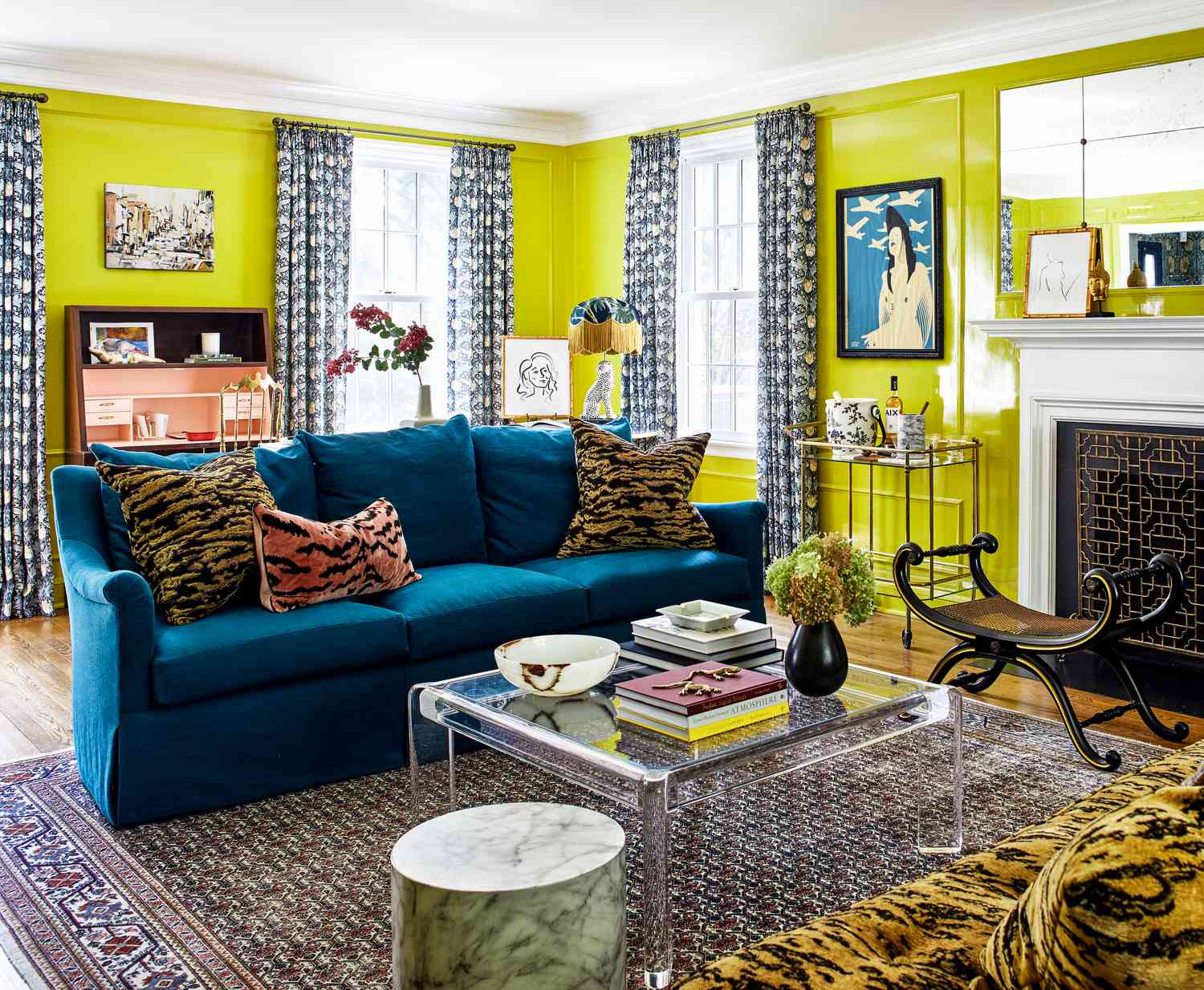
Minimalism had a very good run. It gave us white walls, hidden storage, and living rooms so calm they looked like they were waiting for a meditation app sponsorship. But for anyone who has ever looked at a blank wall and thought, “This could use velvet, wallpaper, three portraits, and possibly a ceramic leopard,” maximalist decor is the joyful rebellion we have been waiting for.
Maximalist decor is not about dumping everything you own into a room and calling it “curated.” That is not design; that is what happens when a yard sale sneezes. True maximalist interior design is layered, expressive, personal, and surprisingly intentional. It combines bold color, mixed patterns, rich textures, meaningful collections, statement furniture, art, books, plants, and unexpected details into rooms that feel alive.
The best part? Maximalism does not require a mansion, a trust fund, or a dramatic fainting sofaalthough, honestly, a fainting sofa would not hurt. Whether you live in a house, apartment, studio, or rental with walls the color of uncooked oatmeal, these maximalist decor ideas will help you create a home that says, “Yes, I have personality, and yes, it has excellent lighting.”
What Is Maximalist Decor?
Maximalist decor is an interior design style built around abundance, personality, and visual storytelling. It celebrates color, pattern, texture, art, books, collections, antiques, global influences, vintage finds, and layered styling. Unlike minimalist design, which often uses restraint and negative space, maximalism leans into richness and emotional impact.
Still, good maximalist design needs structure. A room can be full without feeling messy when it has a repeated color palette, a clear focal point, balanced scale, and a mix of practical and decorative pieces. Think of it as a dinner party where everyone is interesting, but nobody is shouting into the soup.
16 Maximalist Decor Ideas That Prove More Is More
1. Start With a Bold Color Story
Every successful maximalist room begins with a color story. That does not mean choosing one polite beige and calling it a day. It means selecting a palette that can handle layers. Jewel tones like emerald, sapphire, ruby, plum, and mustard work beautifully because they feel rich without looking random.
Try pairing deep green walls with burgundy pillows, brass accents, and a patterned rug. Or use navy as your base, then add coral, ochre, and teal through artwork and textiles. The trick is repetition. When a color appears in several placeson a lamp, in a painting, on a throw pillowit starts to feel deliberate instead of accidental.
2. Use Wallpaper Like a Design Power Tool
Wallpaper is maximalism’s best friend. Floral wallpaper, chinoiserie prints, stripes, tropical leaves, vintage patterns, and mural-style designs can instantly transform a plain room into a full-blown moment. A powder room wrapped in dramatic wallpaper, for example, can feel like a tiny jewel box with plumbing.
If covering all four walls feels too bold, start smaller. Try wallpaper behind bookshelves, inside a closet, above wainscoting, or on the ceiling. Peel-and-stick wallpaper is especially useful for renters or commitment-phobes who love drama but fear security deposits.
3. Build a Floor-to-Ceiling Gallery Wall
A gallery wall is one of the most classic maximalist decorating ideas because it lets your walls tell a story. Mix framed prints, paintings, photographs, mirrors, textiles, plates, postcards, and even small sculptural pieces. The goal is not perfection; the goal is personality with a plan.
For a cohesive look, repeat one or two elements. Maybe all the frames are gold and black. Maybe the artwork shares warm tones. Maybe every piece has a vintage feeling. Lay the arrangement on the floor first, take a photo, then hang it. This prevents your wall from looking like it was assembled during a caffeine emergency.
4. Mix Patterns Without Panic
Pattern mixing is where maximalist decor gets excitingand where many people suddenly need a snack and emotional support. The secret is scale. Combine large-scale patterns with medium and small-scale prints so they do not compete. A large floral sofa can pair with striped curtains, a geometric rug, and small animal-print pillows if the colors relate.
One easy formula is to choose three patterns: one organic, one geometric, and one small repeated print. For example, floral wallpaper, a checkerboard rug, and dotted throw pillows can work together if they share two or three colors. Pattern mixing should feel like jazz, not a traffic jam.
5. Layer Rugs for Instant Depth
Layered rugs are a simple way to make a maximalist living room or bedroom feel collected. Start with a large natural fiber rug, then place a colorful Persian-style, Moroccan-inspired, or vintage rug on top. This adds texture, pattern, and warmth without requiring a single nail, drill, or apology to your landlord.
Layering rugs also helps define zones in open spaces. In a studio apartment, a bright rug under the sofa can separate the living area, while a softer patterned rug near the bed creates a cozy sleeping corner. More rugs, fewer cold feet. Everyone wins.
6. Let Books Become Decor
Books are a maximalist design treasure. They add color, height, personality, and the subtle suggestion that you are fascinating at dinner parties. Style bookshelves with a mix of vertical stacks, horizontal piles, framed photos, small sculptures, plants, candles, and travel souvenirs.
Do not over-style every shelf into a showroom display. Maximalism works best when it feels lived-in. A slightly imperfect shelf with beloved books and odd little objects has more charm than a shelf that looks like it was arranged by a robot with a label maker.
7. Choose One Statement Sofa
A statement sofa can anchor an entire maximalist room. Velvet is especially effective because it catches light and adds instant drama. Consider emerald green, cobalt blue, rust, mustard, hot pink, or deep plum. If that feels too daring, try a classic sofa shape in a bold fabric or a neutral sofa covered with wildly patterned pillows.
The sofa should be the room’s charismatic lead singer. Everything elsethe rug, curtains, lamps, art, and side tablescan act as the backup band. Loud? Yes. Unforgettable? Absolutely.
8. Add Vintage and Antique Pieces
Maximalist homes often look layered because they include pieces from different eras. A midcentury chair, Victorian mirror, Art Deco lamp, carved wood chest, and contemporary painting can all live together when connected by color, shape, or mood.
Vintage decor keeps a room from feeling too catalog-perfect. Look for old frames, brass candlesticks, ceramic animals, patterned lampshades, lacquer trays, embroidered textiles, and ornate mirrors. A maximalist room should feel like it has stories, not just shipping confirmations.
9. Make the Ceiling Part of the Room
In many homes, the ceiling is ignored like the quiet cousin at a family reunion. Maximalist decor says, “Not today.” Paint the ceiling a bold color, add wallpaper, install decorative molding, or hang an oversized light fixture. A painted ceiling can make a dining room feel intimate, a bedroom feel cocoon-like, or a hallway feel surprisingly glamorous.
If your walls are already busy, choose a ceiling color pulled from the wallpaper or rug. This keeps the space connected while still adding that delicious “look up!” moment.
10. Use Lighting as Jewelry
Lighting is not just functional in maximalist interior design. It is jewelry for the room. Chandeliers, sconces, colorful glass lamps, pleated lampshades, mushroom lamps, picture lights, and sculptural floor lamps all add character.
Layer your lighting just like you layer pattern. Use overhead lighting for general brightness, table lamps for glow, sconces for atmosphere, and accent lights for art or shelves. A room with only one ceiling light is not maximalist; it is being interrogated.
11. Style Collections With Intention
Collections are central to maximalist decor, but they need editing. Display your favorite ceramics, vintage cameras, shells, records, portraits, baskets, or glassware in groups. A collection looks intentional when objects share a theme, color, material, or shape.
Instead of scattering tiny items everywhere, create one strong display. Put pottery on a mantel, arrange framed miniatures in a hallway, or group colorful glass pieces in a sunny window. A collection should say “curated passion,” not “I lost control at the flea market.”
12. Bring in Plants, Then Bring in More Plants
Plants are a natural fit for maximalist homes because they add shape, movement, and texture. Mix trailing pothos, tall fiddle-leaf figs, sculptural snake plants, ferns, palms, and colorful planters. The varied leaf shapes create visual richness without relying only on objects.
Use plant stands, hanging baskets, shelves, and windowsills to vary height. Even one dramatic plant in a patterned pot can soften a bold room and make it feel fresh rather than overstuffed.
13. Combine High and Low Decor
Maximalist decorating does not require everything to be expensive. In fact, the most interesting rooms often mix investment pieces with thrift finds, DIY art, inherited furniture, and affordable accents. A designer chair can sit beside a flea-market table. A budget lamp can look fabulous with a custom shade.
The goal is contrast. Mixing high and low keeps maximalist decor from feeling stiff. It also makes the space more personal because it reflects real life, where a cherished $5 vase can absolutely outrank a fancy object with no soul.
14. Create a Dramatic Entryway
The entryway is the perfect place to try maximalist decor because it sets the tone immediately. Add bold wallpaper, a painted console, patterned runner, mirror, lamp, art, and a catchall tray. Even a small entry can feel grand when every element has personality.
Think of your entry as the opening scene of your home. It should tell guests what kind of story they are entering. If the story includes leopard print, lacquer, and a mirror shaped like a sunburst, congratulationsyou understood the assignment.
15. Turn the Powder Room Into a Tiny Drama Club
Powder rooms are ideal for maximalist decorating because they are small, separate, and not used for long stretches. That means you can go bolder than you might in a bedroom or living room. Try dark paint, wild wallpaper, a vintage mirror, patterned tile, brass hardware, colorful art, and a cheeky hand towel.
Small rooms can handle big ideas. In fact, a tiny powder room with full-on maximalist style often feels more luxurious than a larger room decorated timidly. It is the interior design equivalent of a confident wink.
16. Leave a Little Breathing Room
Yes, maximalist decor celebrates “more is more,” but even more needs a pause button. A little breathing room helps the bold elements shine. Leave some space around your favorite artwork. Keep one tabletop more edited. Let a strong wall color stand without covering every inch.
This is not minimalism sneaking back in wearing a fake mustache. It is contrast. A few quiet moments make the dramatic moments stronger. Without them, the room can become visually exhausting, like reading every word in capital letters.
How to Keep Maximalist Decor From Looking Cluttered
The biggest misunderstanding about maximalist decor is that it equals clutter. It does not. Clutter is random. Maximalism is layered. Clutter makes it hard to function. Maximalism makes a room feel expressive while still usable.
To keep your space polished, start with a color palette and repeat it throughout the room. Choose one main focal point, such as a sofa, gallery wall, fireplace, or bed. Vary the height of objects so the eye moves naturally. Mix texturesvelvet, wood, rattan, glass, metal, linen, woolbut do not pile every surface with tiny items.
Most importantly, edit regularly. Maximalist homes are allowed to change. Rotate collections, swap pillows seasonally, move art between rooms, and donate pieces that no longer fit your style. More is more, but “more stuff I do not care about” is just storage with confidence issues.
Best Rooms for Maximalist Interior Design
Maximalism can work in every room, but each space needs a slightly different strategy. In the living room, focus on comfort, conversation, and layered textiles. In the bedroom, use saturated color, patterned bedding, art, and soft lighting to create a cozy retreat. In the dining room, go dramatic with wallpaper, statement lighting, and collected tableware.
For kitchens, maximalism can appear through colorful tile, open shelving, vintage rugs, painted cabinets, art, and unexpected hardware. In home offices, use personality carefully. A gallery wall can inspire creativity, but keep the desk surface functional so your workspace does not turn into a museum exhibit with unpaid bills.
Personal Experience: What Maximalist Decor Teaches You About Home
Living with maximalist decor is less like finishing a room and more like starting a long, entertaining conversation with your house. You add one print because it makes you smile. Then a lamp needs a better shade. Then the bookshelf looks lonely. Then suddenly you are standing in a thrift store holding a brass peacock and whispering, “You belong with me.” This is how it begins. Nobody warns you.
The real beauty of maximalist decorating is that it encourages you to notice what you actually love. In a minimalist room, every object must justify its existence with monk-like discipline. In a maximalist room, objects can be funny, sentimental, strange, colorful, inherited, handmade, or simply delightful. That freedom makes decorating feel less like following rules and more like building a visual autobiography.
One helpful experience is starting with a single emotional anchor. It might be a painting from a trip, a rug from a family member, a bright sofa, or a collection of books that has followed you through every apartment. Once you choose that anchor, the rest of the room becomes easier. You are no longer asking, “What is trendy?” You are asking, “What belongs in this story?” That shift changes everything.
Another lesson is that maximalism improves with time. The best rooms rarely happen in one weekend. They grow through flea market finds, travel souvenirs, gifts, experiments, and the occasional mistake that seemed brilliant at midnight. Maybe the orange pillow was too orange. Maybe the gallery wall needed one larger piece. Maybe the patterned curtains looked better in your imagination than in daylight. That is fine. Maximalist decor forgives experimentation because it already believes in abundance.
Maximalism also teaches balance in a surprisingly practical way. When a room feels too loud, you learn to add repetition. When it feels flat, you add texture. When it feels messy, you create stronger zones. When it feels too serious, you add something playful. Over time, your eye gets sharper. You begin to understand that “more is more” does not mean “everything everywhere all at once.” It means more meaning, more comfort, more color, more story, and more confidence.
Perhaps the best experience is watching guests react. A maximalist home gives people something to talk about. They ask about the painting, laugh at the tiny ceramic frog, admire the wallpaper, or pull a book from the shelf. The room becomes social before anyone even sits down. It breaks the ice without needing a cheese board, although a cheese board is still strongly encouraged.
In the end, maximalist decor is not about impressing people. It is about recognizing that your home does not have to whisper when you would rather let it sing. It can be layered, colorful, funny, elegant, nostalgic, bold, and deeply personal. It can hold your history and your imagination at the same time. And if that includes a velvet chair, three rugs, a wall of art, and a lamp shaped like a mushroom, then so be it. More is moreand sometimes, more is exactly enough.
Conclusion
Maximalist decor proves that a beautiful home does not have to be quiet, neutral, or perfectly restrained. It can be bold and still balanced, full and still functional, playful and still sophisticated. The secret is intention: choose a strong color story, repeat key elements, mix pattern with care, display meaningful collections, and leave enough breathing room for your favorite pieces to shine.
Whether you start with wallpaper in a powder room, a jewel-tone sofa, layered rugs, or a gallery wall that climbs all the way to the ceiling, maximalism invites you to decorate with courage. Your home should feel like you live therenot like a beige showroom waiting for someone named “the buyer.” So add the art. Paint the ceiling. Keep the weird vase. Let the room have a point of view. More is more, and your home deserves the good kind of drama.