Note: This article is for general educational purposes only. Pepto-Bismol is an over-the-counter medicine, but “over-the-counter” does not mean “perfect for everyone.” Always read the Drug Facts label, use only as directed, and ask a doctor or pharmacist if you are pregnant, breastfeeding, taking other medicines, treating a child, or dealing with symptoms that feel severe or unusual.
What Is Pepto-Bismol?
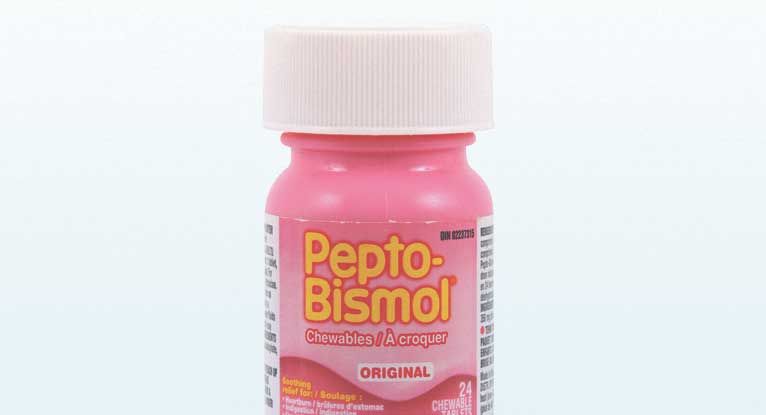
Pepto-Bismol is the famously pink stomach-relief medicine many people reach for when their digestive system starts acting like it has joined a protest march. Its active ingredient is bismuth subsalicylate, a compound used to relieve several common digestive complaints, including occasional diarrhea, traveler’s diarrhea, nausea, heartburn, indigestion, gas, belching, and that uncomfortable “I made ambitious choices at dinner” feeling.
The medicine is sold in several forms, including liquid, chewable tablets, caplets, and other convenient versions. Although the branding is playful and the color is unmistakable, Pepto-Bismol is still a real medication with real instructions, real warnings, and real situations where it may not be the best choice. In other words, the bottle may look friendly, but it still expects you to read the label like a responsible adult with a stomach.
For many people, Pepto-Bismol is most useful for short-term, mild digestive discomfort. It is not meant to replace medical care for ongoing stomach pain, severe diarrhea, bloody stool, dehydration, or symptoms that keep coming back. Think of it as a helpful tool in the medicine cabinet, not a magic wand for every gut-related mystery.
How Pepto-Bismol Works
Pepto-Bismol works in a few different ways. Bismuth subsalicylate can help calm irritation in the stomach and intestines. It may also help reduce fluid movement into the bowel, which is one reason it can be useful for occasional diarrhea. The bismuth part of the medicine may have mild antimicrobial effects, while the salicylate part is chemically related to aspirin.
That aspirin-like connection is important. It explains why Pepto-Bismol has certain warnings for people with aspirin allergies, bleeding problems, ulcers, or those taking blood thinners. It also explains why children and teenagers who have or are recovering from flu-like symptoms or chickenpox should not use salicylate-containing products unless a doctor specifically says otherwise.
For everyday users, the practical takeaway is simple: Pepto-Bismol may help with short-term stomach upset and diarrhea, but it should be used thoughtfully. If your stomach is simply grumbling after a rich meal, the pink stuff may be enough. If your body is sending warning signals with fever, severe pain, persistent vomiting, dehydration, or blood in the stool, that is not a “grab the bottle and hope” moment. That is a “call a healthcare professional” moment.
Common Uses of Pepto-Bismol
Occasional Diarrhea
One of the most common reasons people use Pepto-Bismol is occasional diarrhea. It may help reduce loose stools and calm the digestive tract. However, diarrhea also causes fluid loss, so hydration matters just as much as symptom control. Water, oral rehydration solutions, broth, and other gentle fluids can help replace what your body is losing.
If diarrhea lasts more than two days, gets worse, or comes with fever, severe pain, dehydration, or blood, medical advice is important. Diarrhea is usually short-lived, but when it is not, it can signal infection, inflammation, medication side effects, food intolerance, or another condition that deserves attention.
Traveler’s Diarrhea
Pepto-Bismol is also associated with traveler’s diarrhea, the unpleasant souvenir nobody wants. Some travelers use bismuth subsalicylate for prevention or early symptom relief, but it is not right for everyone. People who are pregnant, allergic to aspirin, taking blood thinners, managing kidney disease, or dealing with certain medical conditions should ask a clinician before considering it.
Smart travel habits still matter: drink safe water, be cautious with ice, choose hot freshly cooked foods, wash hands often, and avoid foods that look like they have been waiting under a heat lamp since the previous administration. Medicine can help, but prevention begins before your stomach files a complaint.
Heartburn, Indigestion, and Nausea
Pepto-Bismol may also help with heartburn, indigestion, nausea, gas, belching, and fullness from overindulgence in food or drink. This is where it earns its reputation as a post-burrito peace treaty. It may soothe discomfort when your digestive system is irritated by a heavy meal, spicy food, or rich ingredients.
Still, recurring heartburn or ongoing indigestion should not be ignored. Frequent symptoms can point to acid reflux, gastritis, gallbladder problems, ulcers, or other digestive issues. If you need stomach medicine repeatedly, your body may be trying to send a message in all caps.
How to Take Pepto-Bismol Safely
The safest way to take Pepto-Bismol is to follow the Drug Facts label on the exact product you purchased. Different forms may have different directions, so do not assume that liquid, caplets, and chewables are interchangeable dose-for-dose. The label will tell you how much to take, how often to take it, the maximum amount in 24 hours, and how long it should be used.
For diarrhea, Pepto-Bismol is generally intended for short-term use. If symptoms continue beyond the label’s recommended time frame, stop guessing and talk with a healthcare professional. Taking more than directed does not make your stomach heal faster; it only increases the chance of side effects. Your digestive system is not impressed by dramatic dosing.
Use the provided dose cup for liquid products rather than a kitchen spoon. Kitchen spoons are for soup, cereal, and emergency ice cream. They are not reliable measuring tools for medicine. If you use chewables, chew them fully as directed. If you use caplets, swallow them according to the package instructions.
Possible Side Effects
Pepto-Bismol is usually well tolerated when used as directed, but side effects can happen. The most famous one is temporary darkening of the tongue or stool. This can look alarming if you are not expecting it, but it is commonly caused by bismuth combining with sulfur in the mouth or digestive tract to form a dark compound. It usually goes away after you stop taking the medicine.
That said, not every dark stool should be waved away. Black, tarry stool can also be a sign of gastrointestinal bleeding, especially if it looks sticky, smells unusually foul, or comes with weakness, dizziness, vomiting, or abdominal pain. If you are unsure, get medical advice rather than trying to solve the mystery like a bathroom detective.
Other possible side effects include constipation, nausea, or a change in taste. A more concerning symptom is ringing or buzzing in the ears, which may suggest salicylate effects. If that happens, stop taking the product and contact a healthcare professional.
Who Should Avoid Pepto-Bismol?
Pepto-Bismol is not a good fit for everyone. Avoid it if you are allergic to aspirin or other salicylates, or if you are already taking other salicylate-containing products unless a clinician says it is safe. People with stomach ulcers, bleeding problems, or bloody or black stools should not use it without medical guidance.
Ask a doctor or pharmacist before using Pepto-Bismol if you take medicines for anticoagulation, diabetes, gout, or arthritis. Drug interactions matter, and the salicylate component can complicate certain treatment plans. This is especially important for people taking blood thinners, daily aspirin, or multiple medications.
Pregnant and breastfeeding people should also seek professional guidance. Many medical references advise avoiding bismuth subsalicylate during pregnancy, especially later pregnancy, and avoiding it while breastfeeding because of salicylate concerns. A doctor or pharmacist can suggest safer alternatives based on the symptom, trimester, health history, and individual risk factors.
Pepto-Bismol and Children
Regular Pepto-Bismol products containing bismuth subsalicylate are generally labeled for adults and children 12 years and older, with younger children directed to ask a doctor. The child safety issue is not just about size; it is about salicylates. Children and teenagers who have or are recovering from chickenpox or flu-like illness should not use salicylate-containing medicines because of the association with Reye’s syndrome, a rare but serious condition.
Parents should be especially careful because stomach symptoms in children can have many causes, including viral infections, food poisoning, dehydration, appendicitis, or medication reactions. If a child has persistent vomiting, severe stomach pain, dehydration signs, bloody stool, high fever, unusual sleepiness, or behavior changes, medical care is more appropriate than home experimenting.
There are children’s stomach-relief products with different active ingredients, but parents should still read labels closely and ask a pediatrician or pharmacist when unsure. “Kid-friendly” packaging does not replace professional judgment.
When to Call a Doctor
Pepto-Bismol may help mild symptoms, but certain signs deserve medical attention. Call a doctor or seek urgent care if diarrhea lasts more than two days, if you have severe abdominal or rectal pain, fever, dehydration, frequent vomiting, blood or pus in stool, or black tarry stool that is not clearly explained by bismuth use. Also get medical help if symptoms occur after recent international travel and are severe or persistent.
Signs of dehydration include extreme thirst, dry mouth, little or no urination, dark urine, dizziness, weakness, confusion, or inability to keep fluids down. Dehydration can become serious quickly, especially in children, older adults, and people with chronic health conditions.
Recurring digestive symptoms also deserve attention. If you find yourself reaching for Pepto-Bismol every few days, the real question is not “Where did I leave the bottle?” It is “Why does this keep happening?” A healthcare professional can help identify triggers such as reflux, irritable bowel syndrome, ulcers, food intolerance, medication side effects, infection, or inflammatory conditions.
Pepto-Bismol vs. Other Stomach Remedies
Pepto-Bismol is not the only over-the-counter option for digestive trouble. Antacids such as calcium carbonate may help with occasional heartburn by neutralizing stomach acid. Acid reducers may be used for more frequent acid-related symptoms. Loperamide may help certain types of diarrhea by slowing bowel movement, but it is not appropriate for all cases, especially when fever or bloody stool is present.
The best choice depends on the symptom. Nausea after overeating, watery diarrhea during travel, burning heartburn after spicy food, and cramping with fever are not the same problem. Matching the remedy to the situation is how you avoid turning your medicine cabinet into a guessing game with labels.
If symptoms are mild and familiar, an OTC product may be reasonable. If symptoms are severe, new, persistent, or confusing, ask a clinician. Your stomach may be dramatic, but sometimes it has a point.
Practical Tips for Using Pepto-Bismol
First, check the active ingredient. Some Pepto-branded products may differ, and other stomach medicines may contain different ingredients. Second, read the age instructions. Third, check warnings about aspirin allergy, bleeding problems, ulcers, pregnancy, breastfeeding, and medication interactions.
Fourth, watch the clock. Do not exceed the maximum daily amount listed on your product. Do not keep taking it beyond the recommended short-term period unless a healthcare professional advises you to. Fifth, hydrate if diarrhea is involved. Medicine may reduce symptoms, but fluids help protect your body from the bigger risk: dehydration.
Finally, pay attention to patterns. If greasy food, dairy, alcohol, stress, or late-night eating repeatedly leads to symptoms, your digestive system is basically leaving sticky notes. Lifestyle changes may help more than repeatedly treating the aftermath.
Real-Life Experiences and Practical Scenarios
Many people first meet Pepto-Bismol in the most relatable way possible: after a meal that seemed like a good idea at the time. Maybe it was extra-spicy wings, a second helping of nachos, or airport food eaten with the optimism of someone who has not yet been humbled by Terminal B. A few hours later, the stomach starts bubbling, the burping begins, and suddenly the pink bottle looks less like medicine and more like a household hero wearing a cape.
In everyday experience, Pepto-Bismol is often used when symptoms are mild, temporary, and clearly connected to food. For example, someone eats a heavy dinner, feels bloated and queasy, takes the product as directed, drinks water, rests, and feels better later. That is the classic “short-term relief” situation. It is not glamorous, but neither is pacing around the kitchen at midnight asking your stomach to please reconsider.
Travelers may have a different experience. Imagine landing in a new city, trying street food, and discovering that your digestive system is not as adventurous as your itinerary. Some people keep Pepto-Bismol in their travel kit because traveler’s diarrhea can interrupt plans quickly. However, travel-related stomach illness can become serious, especially when dehydration, fever, or blood appears. In that situation, the smartest traveler is not the one who packed the most medicine; it is the one who knows when to get help.
Another common experience is surprise at the black tongue or dark stool effect. Someone takes Pepto-Bismol, feels better, then sees a dark tongue in the mirror and briefly wonders if they are turning into a Victorian ghost. This temporary discoloration is a known effect of bismuth, but context matters. If dark stool is tarry, persistent, or paired with weakness or pain, it should be checked out.
There is also the “I keep needing this” scenario. A person may use Pepto-Bismol after meals again and again, assuming they simply have a sensitive stomach. But frequent symptoms can be a clue. Repeated heartburn may suggest reflux. Repeated diarrhea may be related to diet, infection, irritable bowel syndrome, medication side effects, or another condition. In that case, Pepto-Bismol may be covering the smoke while the fire alarm keeps beeping.
For families, the experience is more cautious. Adults may be comfortable using Pepto-Bismol for themselves, but children are different. Because regular Pepto-Bismol contains a salicylate, parents should be careful with age limits and viral illness warnings. If a child has vomiting, fever, unusual behavior, dehydration, or severe pain, medical guidance is the safer route.
The best real-world approach is balanced: keep Pepto-Bismol as a useful short-term option, but do not treat it like a cure-all. Read the label. Respect the warnings. Hydrate. Notice patterns. Ask questions when symptoms do not make sense. Your digestive tract may not always communicate politely, but it usually communicates loudly.
Conclusion
Pepto-Bismol can be a helpful over-the-counter option for occasional diarrhea, traveler’s diarrhea, nausea, heartburn, indigestion, gas, belching, and fullness. Its active ingredient, bismuth subsalicylate, gives it useful stomach-soothing and antidiarrheal properties, but it also creates important safety considerations. People with aspirin allergy, bleeding problems, ulcers, certain medication use, pregnancy, breastfeeding, or child-related concerns should be especially careful.
Used properly, Pepto-Bismol can bring relief when your stomach is staging a small rebellion. Used carelessly, it can cause avoidable problems. The winning formula is simple: read the label, follow directions, stay hydrated, and seek medical care when symptoms are severe, persistent, or unusual. Your stomach may be dramatic, but your response does not have to be.