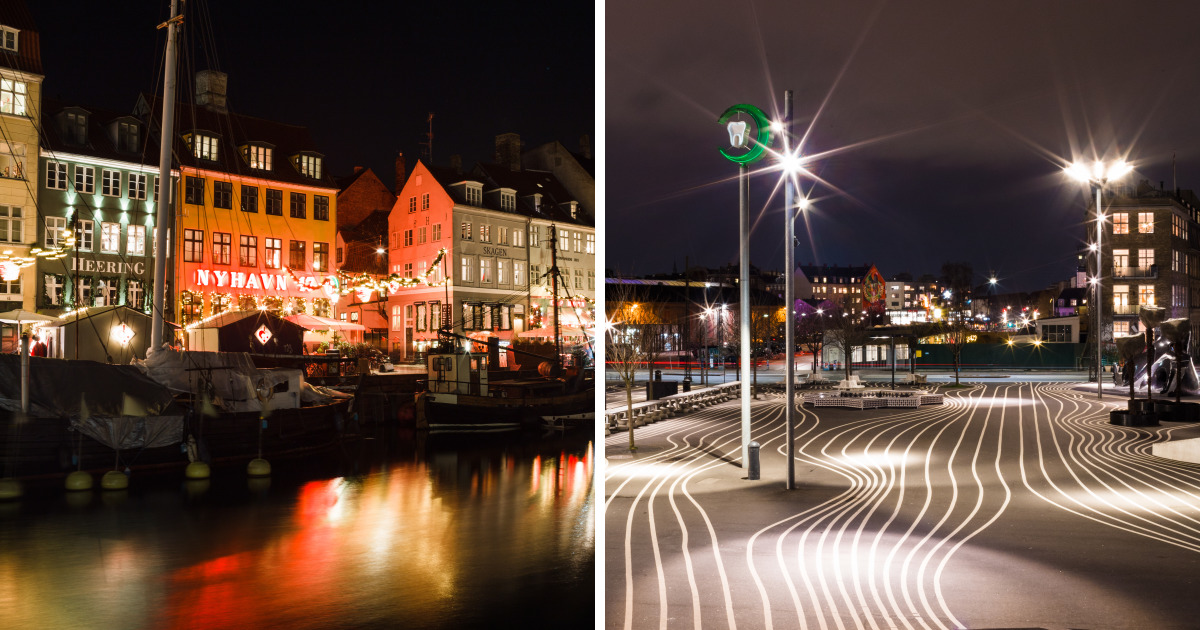
There is a special kind of darkness that arrives in Denmark during winter. It does not knock. It does not text first. It simply moves into your apartment, sits in your favorite chair, and asks whether you really need to go outside today. As a photographer living in Denmark, I quickly learned that winter is not just a season here. It is a full-time creative collaborator with a dramatic personality, a terrible sleep schedule, and a suspicious relationship with sunlight.
When I first moved north, I imagined cozy streets, candlelit cafés, wool scarves, and cinematic fog. I got all of that. I also got days when the sun rose late, disappeared early, and behaved like a celebrity doing a very brief public appearance. In Copenhagen and much of Denmark, December daylight can feel shockingly short, with sunrise often arriving around breakfast and sunset sneaking away before most people have finished work. For a photographer, that means the golden hour is not a period of the day. It is the day.
This is the story of winter photography, low light, fortified foods, vitamin D, and the oddly emotional experience of chasing a sunbeam across a Danish kitchen floor like it owes you money.
Why Denmark Winter Feels So Different
Denmark is beautiful in winter, but it is not the postcard version of “winter wonderland” every day. Snow is possible, but rain, wind, wet pavement, gray skies, and damp cold are often more dependable companions. The temperature may not always look extreme on paper, yet the humidity and wind can make the cold feel personal, as if the weather has read your private messages and chosen emotional damage.
The bigger challenge is light. Denmark sits far enough north that winter daylight becomes a limited resource. In December and January, outdoor shoots must be planned with military precision. If I wanted natural light portraits, street photography, or documentary-style scenes, I had to know exactly when the useful light would arrive. Waiting until “later” was not a strategy. Later was darkness wearing a coat.
During my first winter, I kept making the rookie mistake of assuming noon would feel bright. Technically, yes, the sun existed. Emotionally, it was giving “I am here, but please do not ask too much of me.” The light was soft, low, and often filtered through clouds so thick they seemed unionized. My camera could handle it better than I could.
The Photographer’s Problem: Beautiful Light, Almost No Light
Winter light in Denmark is both a blessing and a prank. On clear days, it is stunning. The low angle creates long shadows, gentle contrast, glowing windows, and a muted color palette that makes ordinary streets look like stills from an art-house film. Brick buildings, bicycles, wet cobblestones, and harbor reflections all become more poetic under that pale northern glow.
But the same light also disappears quickly. A portrait session scheduled too late can turn into an accidental study in ISO noise. A street photography walk can become a test of how steady your hands are while wearing gloves thick enough to handle frozen fish. Even editing changes. Winter files often need careful white balance correction, shadow recovery, and a delicate approach to contrast so the mood feels intentional rather than “my camera got seasonal depression.”
What I Learned to Shoot Differently
I started treating winter photography like a different language. Instead of fighting darkness, I learned to compose with it. Window light became my best friend. Reflections in café glass became layered storytelling tools. Street lamps, bus headlights, Christmas markets, and apartment windows became practical light sources. I stopped chasing perfect brightness and started looking for atmosphere.
Some of my favorite images came from conditions I would have avoided before: foggy mornings, wet sidewalks, blue-hour bike lanes, and quiet residential streets where a single warm window could become the emotional center of a frame. Denmark winter forced me to slow down. It made me notice small gestures: a hand wrapped around a coffee cup, a cyclist leaning into the wind, a dog wearing a sweater with more confidence than most fashion influencers.
Vitamin D Fortified: The Phrase That Became My Winter Personality
At some point, the lack of sunlight moved from being a photography problem to being a body problem. I felt more tired than usual. My mood became flatter. My energy dipped. I was sleeping enough, drinking coffee like a responsible adult with questionable limits, and still feeling like someone had turned my internal brightness slider down to 27 percent.
That was when vitamin D entered the chat.
Vitamin D helps the body absorb calcium and supports bone, muscle, nerve, and immune function. The body can make vitamin D when skin is exposed to UVB rays from sunlight, but winter at northern latitudes makes that process harder. Short days, low sun angle, heavy clothing, cloud cover, and more indoor time all reduce the opportunity. And no, sitting beside a window with a tragic expression does not solve it. Glass blocks much of the UVB needed for vitamin D production, though it does provide excellent lighting for dramatic self-reflection.
That is why fortified foods become important in winter. In the United States, many people get much of their dietary vitamin D from fortified milk and other fortified foods. Common sources include fortified dairy milk, fortified plant-based milks, fortified cereals, some yogurts, orange juice with added vitamin D, fatty fish such as salmon and trout, egg yolks, sardines, tuna, and certain UV-exposed mushrooms.
In Denmark, I began paying closer attention to labels. “Vitamin D fortified” stopped sounding like boring packaging language and started sounding like survival poetry. My breakfast became less glamorous but more strategic: fortified milk or plant milk, oats, eggs, fish when I could, and the occasional yogurt that looked innocent but was doing important nutritional diplomacy.
The Winter Mood: Not Just “Being Lazy”
One of the biggest lessons I learned is that winter fatigue should not automatically be dismissed as laziness. Reduced daylight can affect circadian rhythm, sleep patterns, motivation, and mood. Seasonal affective disorder, often called SAD, is associated with seasonal changes and reduced sunlight, especially during fall and winter. Not every winter slump is SAD, of course, but the difference matters.
As a creative person, I initially blamed myself. I thought I had lost discipline. I thought I was failing at routine. I thought maybe I was just not built for northern winter. But the truth was more practical: my environment had changed dramatically, and my body and workflow needed to adapt.
For photographers, this matters because creativity is not separate from biology. You can have the best lens, the most organized Lightroom catalog, and a mood board that deserves its own museum wallbut if your sleep is chaotic, your energy is low, and you have not seen direct sunlight since what feels like the Viking Age, your motivation may suffer.
My Practical Winter Survival Kit
I built a routine around small, repeatable habits rather than heroic life overhauls. First, I tried to go outside during the brightest part of the day, even if the sky looked like a damp bedsheet. A short walk helped reset my mood and gave me scouting opportunities. Second, I planned photo sessions earlier than felt natural. Third, I added more artificial light to my indoor work: softboxes, practical lamps, reflective surfaces, and warm bulbs that made my apartment feel less like a submarine.
I also became more intentional about food. Fortified foods were not magic, but they were helpful building blocks. I treated vitamin D like part of a broader winter strategy that included sleep, movement, social time, creative structure, and medical advice when needed. Anyone concerned about deficiency should speak with a healthcare professional and consider a blood test rather than guessing. Supplements can be useful for some people, but dose and need vary by age, health status, diet, and lifestyle.
How Denmark Changed My Photography Style
Before Denmark, I loved strong sunlight, clear shadows, and warm late-afternoon tones. Winter in Denmark taught me to appreciate restraint. I began using negative space more confidently. I let gray become a color instead of treating it as a problem. I embraced silhouettes, blurred movement, condensation, and the emotional geometry of people moving through cold streets.
One afternoon, I photographed a cyclist crossing a bridge in Copenhagen during a misty blue hour. The image was technically imperfect: high ISO, slight motion blur, tiny raindrops on the lens. But it felt true. The cyclist was hunched against the wind, the water behind him looked metallic, and a row of apartment windows glowed in the background. It captured winter better than a crisp, sunny postcard ever could.
That became my winter rule: stop asking the season to look like summer. Denmark winter has its own visual grammar. It speaks in muted blues, warm windows, wet stone, wool textures, candlelight, and the quiet confidence of people who bike through weather that would make others write a formal complaint to the sky.
SEO-Friendly Lessons From a Vitamin D Fortified Winter
If you are a photographer, traveler, student, remote worker, or expat living through a Danish winter, the phrase “vitamin D fortified” may become more than a nutrition label. It may become a reminder to build light into your life deliberately. Natural light becomes precious. Food choices become more intentional. Outdoor time becomes something you schedule, not something you accidentally stumble into.
For creative professionals, Denmark’s winter can be demanding, but it can also sharpen your eye. Limited daylight teaches planning. Low light teaches patience. Harsh weather teaches flexibility. The dark months encourage you to find beauty in smaller scenes: steam rising from a cup, candles in a window, the reflection of a red traffic light on wet asphalt, or the pale edge of sun breaking through clouds for three glorious minutes while you whisper, “Please stay, we can make this work.”
Specific Tips for Photographers Living in Denmark During Winter
Plan Around Daylight, Not the Clock
Check sunrise and sunset times before scheduling shoots. In winter, the most usable daylight may fall within a narrow window. Morning and early afternoon sessions are usually safer than late-day plans. If you are shooting portraits, communicate clearly with clients so nobody arrives just in time to model for the darkness.
Use the Low Sun Creatively
When the sun appears, it often stays low in the sky, creating long shadows and soft side light. This is excellent for texture, architecture, moody portraits, and street scenes. Look for light bouncing off pale buildings, water, glass, or wet pavement.
Carry Weather Protection
A camera rain cover, microfiber cloths, extra batteries, and gloves that allow finger movement are not luxuries. They are emotional support objects. Cold weather drains batteries faster, and wet air can make lenses fog or collect droplets. Denmark winter rewards photographers who prepare like polite survivalists.
Make Indoor Light Part of the Story
Do not treat indoor photography as a backup plan. Cafés, homes, studios, museums, libraries, and workshops can offer rich winter storytelling. Danish interiors often use warm lamps, candles, natural materials, and clean design, which can create intimate images when outdoor light is limited.
Extra Experience: The Winter I Learned to Chase Light Like a Profession
My most memorable winter in Denmark began with denial. I told myself I loved moody weather. I said things like, “Gray is elegant,” and “The atmosphere is amazing,” which were both true and also what people say before buying three lamps and googling vitamin D at midnight. By mid-December, my daily routine had become strangely tactical. I checked the weather forecast, sunrise time, sunset time, cloud cover, wind speed, and whether my socks were emotionally prepared for the outside world.
One morning, I woke up early for a photo walk near the harbor. The sky was still dark, the pavement was wet, and the air had that Danish winter quality of being cold without being dramatic about it. I had packed my camera, spare battery, lens cloth, and a sandwich that looked like it had accepted its fate. For the first thirty minutes, nothing happened. No light, no subject, no magic. Just me, a few cyclists, and the kind of drizzle that feels too small to complain about but too committed to ignore.
Then, for maybe six minutes, the clouds opened. A thin strip of sunlight hit the water and turned the whole harbor silver. People kept moving as if this miracle were normal. A woman in a long coat stopped to adjust her scarf. A delivery rider crossed a bridge. A gull landed on a railing with the confidence of a small, feathered landlord. I shot quickly, not because I was panicked, but because Denmark had trained me: when the light arrives, be ready. Do not negotiate. Do not change lenses unless absolutely necessary. Do not spend the entire moment checking your histogram like a nervous accountant.
That day taught me something I still use in photography and in life. Winter does not always give you abundance. Sometimes it gives you a narrow window and asks what you can make with it. The answer depends on preparation. If your batteries are charged, your settings are close, your eyes are open, and your body is reasonably cared for, you can make something beautiful in very little time.
The vitamin D part became part of that preparation too. I stopped treating my energy as a mysterious artistic mood and started treating it as something I could support. I ate more vitamin D-rich and fortified foods. I built walks into my schedule. I kept a consistent sleep routine when possible. I talked to local friends about how they handled winter, and almost everyone had a system: light therapy lamps, swimming, saunas, running clubs, candles, social dinners, weekend trips, or simply refusing to let the weather win every argument.
Living in Denmark during winter did not make me immune to gray days. It made me more observant. I learned that creativity is not always a lightning strike. Sometimes it is a bowl of fortified cereal, a charged camera battery, waterproof boots, and the stubborn decision to go outside before the sun changes its mind.
Conclusion: Finding Light When Winter Gets Bossy
Vitamin D fortified foods did not turn Danish winter into a tropical vacation, and they definitely did not make my camera bag lighter. But they became part of a larger lesson: winter creativity requires care. A photographer living in Denmark during winter must manage both exposure settings and personal energy. The season demands planning, patience, and a sense of humor strong enough to survive sunset before dinner.
Denmark winter can be dark, wet, and wildly inconvenient for anyone who depends on natural light. Yet it can also produce some of the most atmospheric, honest, and emotionally rich photography you will ever make. The trick is not to fight the darkness every day. The trick is to understand it, work with it, and support yourself well enough to keep showing up.
Note: This article is for general lifestyle and informational purposes only. Anyone concerned about vitamin D deficiency, persistent fatigue, or winter-related mood changes should speak with a qualified healthcare professional for personal guidance.