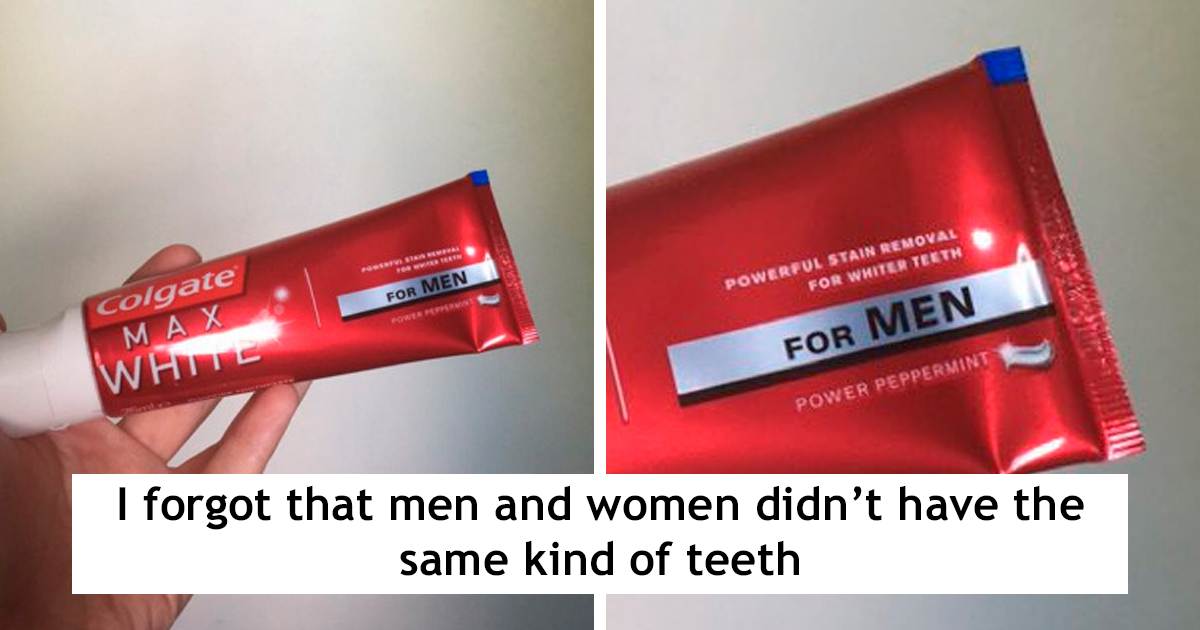
Fragile masculinity is what happens when a perfectly normal human activityordering a strawberry smoothie, enjoying skincare, wearing pink, asking for directionssomehow becomes a full-blown emergency for someone’s identity. The internet, being the world’s loudest group chat, has made a sport out of spotting these tiny panic attacks in real time. And honestly? Sometimes the jokes write themselves.
But beneath the memes, clapbacks, and comment-section comedy, there is a real cultural conversation happening. Masculinity itself is not the problem. Confidence, responsibility, courage, discipline, kindness, protectiveness, and emotional strength can all be healthy parts of masculinity. The issue is the fragile version: the one that needs constant proof, fears anything coded as “feminine,” and treats ordinary preferences like legal testimony in the Court of Bro.
Researchers have long discussed the idea that manhood can be treated socially as something that must be repeatedly proven, and public surveys show Americans still debate what masculinity should look like today. Mental health experts also point out that restrictive gender expectations can make it harder for men and boys to express vulnerability or seek support. In other words, the internet did not invent fragile masculinity. It just gave it a comment box, a screenshot button, and a very unforgiving audience.
What Does “Fragile Masculinity” Mean?
Fragile masculinity refers to an insecure performance of manhood that feels threatened by harmless things: colors, hobbies, drinks, emotions, fashion, friendships, or women being competent within a five-mile radius. It is not the same as being masculine. Healthy masculinity does not panic because another man uses lotion. Healthy masculinity does not need to insult a candle because it smells like vanilla. Healthy masculinity can hold a baby, wash a dish, wear sunscreen, and survive.
The internet “destroys” fragile masculinity by exposing its contradictions. A man who says he is too tough for therapy but spends three hours arguing with strangers about whether a tote bag is “manly” has accidentally become the punchline. A guy who calls cooking “women’s work” but worships celebrity chefs has handed the internet a silver platter. When insecurity dresses up as authority, social media tends to notice.
75 Times the Internet Destroyed Fragile Masculinity
Below are 75 original, internet-style examples inspired by real patterns seen across social media, forums, comment sections, and everyday culture. No screenshots required; you already know these people exist.
- The pink-shirt panic: A man refused to wear a salmon button-down because “pink is for girls,” and the internet reminded him that fabric has no gender and also no patience.
- The umbrella warrior: Someone said real men do not use umbrellas. Everyone else asked whether pneumonia comes with a championship belt.
- The skincare scandal: A guy mocked moisturizer, then complained about looking tired. The replies diagnosed him with “fear of hydration.”
- The straw problem: A man called drinking through a straw “unmanly,” which is impressive considering the straw is just a tiny tube doing its job.
- The fruity drink debate: Someone said cocktails with fruit were not masculine. The internet pointed out that pirates drank rum with citrus and somehow survived the branding crisis.
- The candle meltdown: A man claimed scented candles were feminine. The comments asked whether his apartment smelled like “gym sock confidence.”
- The cooking contradiction: Cooking at home was called women’s work, but grilling outside was “manly.” Apparently, the patriarchy begins and ends at the patio door.
- The baby-holding emergency: A dad worried that a baby carrier looked soft. Parents online explained that caring for your child is not cosplay; it is parenting.
- The therapy fear: A man said therapy was weak, then posted a 900-word rant about being misunderstood. The internet gently suggested he had already written the first session notes.
- The lotion rebellion: “Real men have rough hands,” said one comment. “Real adults avoid cracked skin,” replied everyone with knuckles.
- The salad suspicion: A man said salads were not masculine. The internet introduced him to athletes, farmers, and literally anyone who has met a vegetable.
- The tote bag trial: A canvas tote became controversial because it was too “soft.” Meanwhile, it carried groceries better than the argument carried logic.
- The rom-com confession: Someone admitted he liked romantic comedies and was instantly promoted to “man secure enough to enjoy jokes and feelings.”
- The crying debate: A post mocked men for crying at movies. The replies turned into a celebration of emotional honesty, because tears are not acid.
- The sunscreen denial: A man called sunscreen “girly.” Dermatologists everywhere probably felt a disturbance in the force.
- The manicure misunderstanding: A guy mocked men with clean nails. The internet asked why basic hygiene made him nervous.
- The plant dad panic: Caring for houseplants was labeled unmanly, until everyone remembered that agriculture built civilizations.
- The yoga outrage: A man said yoga was not for men. People replied with photos of elite athletes using yoga for mobility, balance, and not walking like rusty gates.
- The minivan crisis: Someone claimed driving a minivan ruined masculinity. Parents responded that nothing is tougher than surviving a road trip with children and snacks.
- The cat ownership accusation: A man was mocked for loving his cat. The internet replied that earning a cat’s trust is harder than pretending not to care.
- The pink phone case: A phone case became a masculinity test, which is wild because the phone inside still makes calls.
- The “women drivers” comment: A man made a tired joke about women driving, then got corrected by women who drive trucks, buses, ambulances, race cars, and the conversation.
- The latte shame: Coffee with milk was declared weak. The internet asked whether masculinity dissolves in foam.
- The hair conditioner controversy: A man refused conditioner. His split ends entered the chat as evidence.
- The friendship hug problem: Someone said men should not hug friends. Thousands of people replied that affection is not a software virus.
- The nurse stereotype: A male nurse was mocked. The internet pointed out that caring for sick people under pressure is tougher than most comment sections.
- The female boss panic: A man complained about reporting to a woman. The internet said leadership is not stored in the beard.
- The “real men don’t ask directions” myth: Navigation apps quietly destroyed this argument years ago.
- The apron anxiety: A man refused to wear an apron while cooking. The internet noted that stains do not respect gender roles.
- The emotional vocabulary shortage: A guy said he was not sad, just “angry, tired, annoyed, and empty.” The replies welcomed him to sadness with extra steps.
- The floral shirt panic: Flowers on shirts became suspicious, despite the fact that Hawaiian shirts have been dad-certified for decades.
- The blanket fear: A man mocked cozy blankets. The internet asked if warmth had personally attacked him.
- The tiny dog insult: Someone said small dogs were not masculine. Small dogs, famously fearless, declined to comment because they were busy ruling households.
- The dance-floor freeze: A man said dancing was embarrassing. The internet replied that refusing joy is not a personality.
- The musical theater panic: Enjoying Broadway was mocked until people remembered it takes stamina, skill, and confidence to perform live.
- The reusable bag resistance: A man called reusable grocery bags feminine. The planet filed a complaint.
- The “girl color” argument: The internet reminded everyone that color associations change across history, which means your fear of lavender is not science.
- The “dad can’t braid hair” excuse: Fathers online posted tutorials, proving love sometimes looks like uneven pigtails and effort.
- The soup insult: Soup was called weak food. The entire history of stews, soldiers, sailors, and grandmothers laughed in broth.
- The compliment panic: A man refused to compliment another man’s outfit. The internet explained that kindness is free and does not cancel your gym membership.
- The “men don’t journal” claim: History replied with explorers, presidents, scientists, and writers who kept journals.
- The gentle parenting roast: A dad mocked patience as weakness. Parents replied that yelling is easy; emotional control is the real heavy lifting.
- The poetry panic: Poetry was called unmanly, which would surprise centuries of male poets, soldiers, philosophers, and musicians.
- The grocery-list shame: A man said lists were for moms. The internet asked whether forgetting eggs was masculine now.
- The “women’s sports” insult: A guy mocked female athletes, then got invited to try keeping up. He did not RSVP.
- The bath bomb scandal: A man enjoyed a bath bomb and the comments celebrated him for discovering fizzy peace.
- The “real men eat meat only” speech: Nutrition entered the chat, carrying fiber.
- The laundry incompetence act: A man joked he did not know how to wash clothes. The internet refused to applaud learned helplessness.
- The “wife does the calendar” excuse: Adults online explained that remembering appointments is not a feminine superpower.
- The decorative pillow war: A man complained about pillows. The internet agreed there may be too many, but also asked why softness felt like an ambush.
- The selfie suspicion: Men taking selfies were mocked, until everyone remembered confidence looks better than pretending you do not own a front camera.
- The hair-dye drama: A man dyed his hair and fragile commenters panicked. Everyone else said self-expression is not a building code violation.
- The “boys don’t read fiction” myth: Libraries quietly destroyed this one by existing.
- The chore chart collapse: Some men called chore charts controlling. The internet called them “receipts for adulthood.”
- The “women are too independent” complaint: The replies asked why partnership becomes scary when both people can open a bank account.
- The craft-night panic: Woodworking was manly, but embroidery was not. The internet pointed out both involve tools, patience, skill, and occasionally stabbing material.
- The “real men drive stick” argument: Automatic drivers kept arriving at destinations just fine.
- The “no emotions” speech: Someone said men should be stoic, then erupted over a rainbow logo. The irony was visible from space.
- The perfume vs. cologne debate: The internet explained that smelling pleasant is not a threat to civilization.
- The brunch insult: Brunch was called feminine. Bacon, eggs, coffee, and pancakes requested legal representation.
- The “dad babysits” phrase: Parents corrected it immediately: when it is your child, it is parenting.
- The body wash branding trap: A man insisted he needed products labeled “extreme steel thunder.” The internet noted that soap is soap, not a monster truck rally.
- The “women can’t be funny” claim: The replies were funnier than the original post, ending the case in one scroll.
- The emotional support water bottle: A man mocked people carrying water everywhere. Hydrated people continued winning silently.
- The “male friendship must be insults” rule: Men online shared stories of supportive friendships, proving loyalty does not require roasting someone’s haircut weekly.
- The “real men don’t use recipes” belief: Chefs everywhere stared directly into the camera.
- The “women’s work” childcare comment: Fathers, teachers, pediatricians, and coaches collectively rejected the memo.
- The pastel hoodie panic: A hoodie became controversial because it was mint green. The internet asked whether masculinity had a low battery warning.
- The “I don’t clean bathrooms” confession: Nobody was impressed. Clean toilets remain undefeated.
- The “men should not say I love you” idea: Friends responded with warmth, grief, and real-life reminders that affection matters.
- The “strong women are intimidating” complaint: The internet translated it as “I prefer opponents on easy mode.”
- The face mask freakout: A man tried one skincare mask and liked it. The world did not end; his pores simply improved.
- The “reading instructions is weak” myth: Furniture assembly has humbled stronger men than that.
- The “men don’t need help” rule: The internet replied that teamwork built bridges, launched rockets, raised families, and fixed group projects.
- The ultimate clapback: Every time someone says “real men don’t care what people think,” then furiously polices another man’s socks, the internet wins by default.
Why the Internet Loves Calling This Out
Fragile masculinity is funny because it is dramatic in low-stakes situations. Nobody is asking a man to abandon his identity because he likes black coffee, motorcycles, or lifting weights. The joke begins when he believes everyone else must perform masculinity exactly the same way or society will collapse into scented hand cream.
The internet is especially good at revealing double standards. Cooking is “feminine” unless a man wears a chef’s coat. Caring about appearance is “vain” unless it is a beard-care routine with packaging that looks like military equipment. Emotional expression is “weak” unless the emotion is anger, which somehow gets a permanent backstage pass. These contradictions are why fragile masculinity gets roasted so efficiently online.
Fragile Masculinity vs. Healthy Masculinity
The best response to fragile masculinity is not to mock men for being men. It is to separate strength from insecurity. Healthy masculinity can be protective without being controlling. It can be confident without being loud. It can be competitive without treating women as enemies. It can be traditional by choice without trying to trap everyone else in the same script.
A healthy man can fix a sink and talk about feelings. He can love sports and respect women’s expertise. He can go to the gym and go to therapy. He can enjoy trucks, tea, action movies, gardening, fatherhood, poetry, boxing, baking, or absolutely none of the above. The point is not to replace one narrow box with another. The point is to stop living in a box at all.
The Real Cost of Performing Toughness
The comedy is fun, but the cost is serious. When boys and men are taught that vulnerability is humiliation, they may avoid asking for help, admitting fear, or building emotionally honest friendships. That can lead to loneliness, poor communication, relationship conflict, and untreated mental health struggles. The performance of toughness can become a cage with a gym membership.
Social media adds another layer. Online spaces can reward outrage, dominance, and humiliation, making insecurity look like confidence. But the internet also gives people tools to challenge those scripts. A single viral reply can reframe the whole conversation: maybe the man wearing sunscreen is not less masculine; maybe he is simply planning to keep his face. Maybe the father braiding his daughter’s hair is not “soft”; maybe he is showing up. Maybe the guy who says “I love you, bro” is not weak; maybe he understands that life is short and friendships matter.
How Brands Turn Masculinity Into a Packaging Problem
One of the funniest places fragile masculinity shows up is the product aisle. There are soaps, wipes, shampoos, candles, diet foods, and even stationery items marketed as though men require emergency reassurance before touching them. A normal body wash becomes “arctic blast power armor.” A candle becomes “smoked bourbon leather cave.” A moisturizer becomes “rugged face fuel.” The message is obvious: do not worry, sir, this lotion has a pickup truck.
That kind of branding can be hilarious, but it also reveals how easily insecurity becomes profitable. If a company can convince men that ordinary self-care threatens their identity, it can sell the same product in darker packaging for a higher price. The internet destroys that trick by laughing at it. Once people notice the formula, it becomes impossible to unsee.
Why Women, Men, and Everyone Else Join the Roast
Fragile masculinity does not only affect men. It affects partners, families, workplaces, friendships, and communities. Women often end up managing the emotional fallout of men who were never taught how to process vulnerability. Other men may feel pressured to perform toughness they do not actually believe in. Boys may learn that curiosity, kindness, style, or tenderness must be hidden to avoid ridicule.
That is why the internet’s best takedowns often come from every direction. Women call out double standards. Men share better models of masculinity. Parents challenge stereotypes before their children inherit them. Teachers, therapists, coaches, and creators offer language for healthier emotional lives. Humor opens the door, but the bigger goal is freedom: more room for people to be real.
of Experience: What These Moments Teach Us
Experiences related to “75 Times Internet Destroyed Fragile Masculinity” usually start small. You see a comment where someone panics over a man wearing nail polish. You scroll past a joke about men refusing to order dessert because it looks “too pretty.” You hear someone say a father is “babysitting” his own child. At first, these moments seem ridiculous, almost too silly to matter. Then you notice the pattern. The same fear keeps changing costumes.
In everyday life, fragile masculinity often appears as hesitation. A teenage boy may love art but avoid the class because his friends might tease him. A grown man may want to talk about stress but turn it into sarcasm because sincerity feels risky. A husband may secretly enjoy cooking but act clueless because competence in the kitchen was never framed as masculine in his household. These are not internet memes anymore. These are real people negotiating invisible rules.
The internet can be harsh, but it can also be strangely liberating. When thousands of people laugh at the idea that soup is unmanly or that a purple hoodie is dangerous, they are doing more than making jokes. They are removing power from the rule. They are saying, “Wait, who decided this?” That question is powerful. A lot of fragile masculinity survives because nobody challenges the original instruction. Once the instruction sounds absurd out loud, it becomes easier to ignore.
Many people have also experienced the opposite: men who are secure enough to make everyone around them feel comfortable. The dad who cries at graduation and still fixes the car. The coach who teaches boys that discipline includes respect. The friend who checks in without turning it into a comedy routine. The brother who wears whatever color he likes because he has bills, hobbies, and better things to worry about. These men rarely need to announce that they are masculine. You can tell because they are not threatened by everyone else’s freedom.
That is the best lesson from all 75 examples: fragile masculinity is loud because it is nervous. Healthy masculinity does not need to shout. It does not need to ban colors, foods, feelings, hobbies, or household chores. It has nothing to prove to a shampoo bottle. The internet destroys fragile masculinity not by destroying men, but by destroying the silly little rules that make men smaller. And honestly, if your confidence can survive taxes, traffic, heartbreak, family group chats, and assembling furniture, it can survive a strawberry smoothie.
Conclusion
“75 Times Internet Destroyed Fragile Masculinity” is funny because it exposes insecurity hiding inside everyday opinions. But it is also useful because it reminds us that masculinity does not have to be fragile, hostile, or constantly defended. The strongest version of masculinity is flexible enough to include care, humor, confidence, humility, friendship, responsibility, and emotional honesty.
The internet will keep roasting men who fear candles, colors, vegetables, therapy, and basic hygiene. Fair enough. But the better future is not just funnier clapbacks. It is a culture where men and boys can be fully human without treating every harmless choice like a threat. Real strength does not break when someone orders a fruity drink. Real strength says, “That looks goodmake it two.”
Note: This article is original, written for web publication, and informed by public research and reporting on masculinity, gender norms, digital culture, and men’s mental health, including work discussed by Pew Research Center, the American Psychological Association, Harvard Health, Common Sense Media, and peer-reviewed masculinity research.