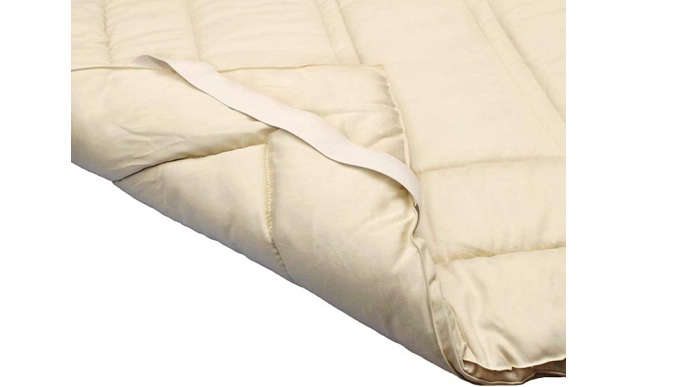
An Organic Merino Wool Topper sounds like the kind of bedding upgrade that belongs in a boutique mountain lodge where the pillows are fluffed by angels and the coffee arrives before you ask for it. In reality, it is a practical, deeply comfortable layer that can make an ordinary mattress feel softer, drier, warmer in winter, cooler in summer, and generally more civilized. Think of it as a natural comfort filter between you and your bed: less clammy, less synthetic, and a lot more breathable.
For shoppers tired of memory foam that traps heat like a laptop on a blanket, a merino wool mattress topper offers a different path. Instead of sinking into a foamy crater, you rest on springy, lofty wool fibers that cushion the body while helping manage moisture and temperature. Merino wool is especially prized because its fibers are fine, soft, and less scratchy than traditional coarse wool. When certified organic wool and organic cotton are used, the topper also appeals to people who want cleaner materials close to their skin.
This guide explains what an organic merino wool topper is, why it has become a favorite among natural bedding fans, how it compares with latex and memory foam, what certifications matter, and how to choose one without accidentally buying a fluffy marketing slogan with straps.
What Is an Organic Merino Wool Topper?
An organic merino wool topper is a removable bedding layer placed directly on top of a mattress to add softness, temperature regulation, and natural comfort. Most designs use wool batting or wool fleece inside an organic cotton cover. Some are quilted to keep the wool evenly distributed, while others use a loftier pillow-top construction for a plush, cloudlike feel.
The word organic matters. In bedding, it should not simply mean “it looks earthy” or “the product photo includes a eucalyptus branch.” A truly organic topper should use certified organic wool, certified organic cotton, or verified organic components. The strongest labels are backed by third-party standards such as GOTS, which evaluates organic textile processing, fiber content, chemical restrictions, environmental practices, and social criteria.
The word merino refers to wool from merino sheep, a breed famous for producing finer fibers than many traditional sheep breeds. Fine wool tends to feel softer, bend more easily, and create a smoother surface. That is why merino appears in high-end base layers, sweaters, baby clothing, blankets, and premium bedding.
Why Merino Wool Works So Well for Sleep
It Helps Regulate Temperature Naturally
The biggest reason people search for an organic merino wool topper is temperature comfort. Wool fibers have a crimped structure that traps tiny pockets of air. In cool weather, that trapped air helps insulate the body. In warm weather, wool can move moisture away from the skin and allow evaporation, helping reduce that sticky “why is my bed a swamp?” feeling.
This does not mean a wool topper turns your mattress into an air conditioner. It means wool helps create a more balanced sleep environment. If you sleep hot, wool may feel less heat-trapping than dense memory foam. If you sleep cold, it can add cozy insulation without the plastic-like warmth some synthetic pads create.
It Handles Moisture Better Than Many Synthetic Materials
Everyone loses moisture during sleep. That is not a moral failure; it is biology wearing pajamas. Wool can absorb moisture vapor and release it into the air, which helps the sleep surface feel drier. For people who wake up clammy, this is one of the most noticeable benefits of a wool mattress topper.
Moisture management also supports freshness. A bedding layer that stays drier is easier to live with, especially in humid climates, warm bedrooms, or homes where air-conditioning does not run all night. Wool’s natural odor resistance is another reason outdoor brands love merino clothingand why bedding makers love it for toppers.
It Adds Cushion Without the “Quicksand” Effect
A wool topper can soften a firm mattress, but it behaves differently from memory foam. Foam conforms closely and can create deep body impressions. Wool cushions more gently. You feel a plush surface, but you do not usually sink as dramatically. This can be helpful for combination sleepers who change positions during the night and do not want to wrestle their bed like it owes them money.
Side sleepers often appreciate the extra padding at the shoulders and hips. Back sleepers may enjoy the subtle surface comfort. Stomach sleepers should choose carefully, because too much loft can raise the torso and affect spinal alignment. As with all bedding, comfort depends on body weight, sleep position, mattress firmness, and personal preference.
Organic Merino Wool Topper vs. Memory Foam Topper
Memory foam is popular because it offers strong pressure relief and close contouring. It can be a good choice for people who want a hugging feel or need to soften a very firm bed dramatically. However, traditional memory foam often retains heat, responds slowly, and can have a noticeable new-foam smell.
An organic merino wool topper takes a more natural approach. It is breathable, moisture-managing, and resilient. It does not mold around the body as deeply, so it may not deliver the same pressure-relieving cradle as foam. But it usually feels more breathable and easier to move on. For hot sleepers, eco-conscious buyers, and people sensitive to synthetic odors, wool can be the more appealing choice.
If your mattress feels painfully hard, wool may improve surface comfort but may not completely transform support. If your mattress is only slightly too firm or sleeps too warm, wool can be an excellent upgrade. In bedding terms, memory foam is the dramatic makeover; merino wool is the tasteful renovation that also knows how to breathe.
Organic Merino Wool Topper vs. Latex Topper
Natural latex toppers are springy, supportive, and durable. They are often chosen by sleepers who want pressure relief with bounce. Latex can make a mattress feel softer or firmer depending on its density and construction. It is also heavier than wool and may have a more rubbery feel.
Wool toppers are lighter in feel, more breathable, and more focused on temperature and moisture comfort. Latex changes the support profile of the mattress more noticeably; wool changes the surface feel. Some premium toppers combine latex with wool and organic cotton: latex provides support, wool adds moisture control, and cotton creates a breathable cover.
Choose latex if your main goal is pressure relief or support correction. Choose wool if your main goal is plushness, climate comfort, and natural materials. Choose a wool-latex blend if you want to have your organic cake and sleep on it too.
Certifications to Look For Before Buying
GOTS Certification
GOTS, the Global Organic Textile Standard, is one of the most important certifications for organic bedding. It helps verify that textile products contain certified organic fibers and meet strict processing requirements. A product labeled “organic” under GOTS generally requires a higher percentage of certified organic fiber than a product labeled “made with organic.”
For shoppers, the takeaway is simple: do not rely only on poetic product descriptions. Look for a certification name, license number, and clear fiber details. “Natural wool” and “organic wool” are not the same claim. Natural describes the fiber type; organic should be backed by certification.
OEKO-TEX Standard 100
OEKO-TEX Standard 100 is not an organic certification, but it is useful because it tests textiles for harmful substances. A topper can be OEKO-TEX certified without being organic, and an organic product may also carry OEKO-TEX certification. When both appear together, they can give shoppers more confidence about material safety and textile processing.
Responsible Wool Standard
The Responsible Wool Standard focuses on sheep welfare, land management, and chain-of-custody practices. It is especially relevant for buyers who care about how wool is sourced. While RWS is not the same as organic certification, it is a meaningful animal-welfare and sourcing standard.
USDA Organic Claims
USDA organic certification applies to agricultural products, including fiber. For wool, organic claims relate to how sheep are managed, what they eat, and how farms follow organic rules. Finished bedding, however, also involves processing, covers, stitching, packaging, and sometimes additional materials. That is why textile certifications such as GOTS are so useful for evaluating the finished product.
Who Should Consider an Organic Merino Wool Topper?
Hot Sleepers
If you wake up sweaty or constantly flip your pillow looking for “the cold side of civilization,” wool deserves a look. Its moisture-handling ability and breathable structure can help create a drier, more comfortable sleep surface.
People With Firm Mattresses
A wool topper can add gentle cushioning to a firm mattress without drastically changing the bed’s support. It is a smart option if your mattress is supportive but feels a little too stern, like it was designed by someone who believes comfort builds weakness.
Eco-Conscious Shoppers
Organic merino wool appeals to buyers who want renewable natural fibers, fewer synthetic materials, and clearer sourcing. Wool is renewable because sheep grow new fleece, and high-quality wool bedding can last for years with proper care.
People Sensitive to Synthetic Odors
Some foam toppers release noticeable odors when new. A wool topper may have a mild natural wool scent at first, but it is usually different from chemical-like foam smells. Airing the topper before use can help.
How to Choose the Best Organic Merino Wool Topper
Check the Fill Weight and Loft
Fill weight tells you how much wool is inside the topper. More wool usually means more cushioning and warmth, but it may also feel thicker and less suitable for very hot sleepers. A lighter topper can improve comfort without making the bed feel overly padded. A thicker topper creates a more luxurious pillow-top feel.
Look at the Cover Material
The best organic wool toppers often use organic cotton covers. Cotton is breathable, washable in many cases, and pleasant against sheets. A tightly woven cotton cover can also help keep wool fibers contained while allowing airflow.
Review the Construction
Quilted channels, tufting, or stitched boxes help keep wool evenly distributed. Without good construction, wool can shift or compress unevenly. Corner straps are helpful because they keep the topper from sliding around like it is training for a mattress rodeo.
Match the Topper to Your Sleep Position
Side sleepers may prefer a thicker topper for shoulder and hip comfort. Back sleepers often do well with medium loft. Stomach sleepers should be cautious with very plush toppers because too much softness can affect alignment. Couples should consider motion, firmness preferences, and whether one person sleeps significantly hotter than the other.
Read the Care Label Before You Buy
Not all wool toppers are washable. Many should be spot-cleaned only, aired regularly, and protected with sheets or a washable mattress protector. If easy machine washing is a top priority, check the care instructions before falling in love with a topper that demands spa-level maintenance.
How to Care for an Organic Merino Wool Topper
Wool bedding rewards gentle care. Air it out occasionally in a shaded, well-ventilated area. Rotate it every few weeks to encourage even compression. Use a fitted sheet or breathable protector to reduce direct exposure to body oils and spills.
For small stains, spot clean with cool or lukewarm water and a wool-safe detergent. Dab gently; do not scrub aggressively. Avoid bleach, high heat, steam cleaning, and rough agitation unless the manufacturer specifically allows it. Wool fibers can felt, shrink, or clump when handled incorrectly.
If the topper arrives compressed, give it time to expand. Shake it gently, place it flat, and let air circulate. Natural fibers may need a little patience after shipping. Consider it the bedding version of stretching after a long flight.
Common Mistakes to Avoid
Assuming “Natural” Means “Organic”
Natural wool is not automatically organic. It may still be a good material, but the claim is different. If organic sourcing matters, look for certification.
Buying Too Much Loft
A huge fluffy topper looks dreamy, but bigger is not always better. Too much loft can change mattress feel, increase warmth, or reduce support for some sleepers. Choose based on your sleep position and mattress condition, not just the product photo.
Expecting Wool to Fix a Bad Mattress
A topper can improve comfort, but it cannot rescue a sagging mattress with deep body impressions. If your mattress has lost support, a topper may only add a cozy blanket over the problem. Very polite, very soft, still a problem.
Ignoring Return Policies
Bedding comfort is personal. A topper that feels perfect to one person may feel too warm, too soft, or not cushy enough to another. A good return policy or sleep trial can reduce risk.
Real-Life Experiences With an Organic Merino Wool Topper
The first thing many people notice when switching to an organic merino wool topper is not dramatic softness, but balance. The bed feels calmer. That may sound like something a mattress influencer would say while standing beside a suspiciously perfect houseplant, but it is a real sensation. Instead of the sharp firmness of a bare mattress or the slow sink of memory foam, wool creates a cushioned surface that feels breathable and steady.
One common experience is improved comfort on a mattress that is slightly too firm. Imagine a guest room mattress that feels supportive but a little unforgiving. Add a wool topper, and suddenly the surface has enough give for shoulders and hips without turning the bed into pudding. This can be especially helpful for side sleepers who wake up with pressure around the shoulder. The wool does not erase firmness; it rounds off the edges.
Hot sleepers often describe wool differently from cooling gels or high-tech foam. A cooling gel topper may feel cool at first, then warm up. Wool usually does not deliver that instant “ice pack” effect. Instead, it helps reduce dampness and heat buildup over the course of the night. The difference can be subtle at first, then obvious after a week: fewer sweaty wakeups, fewer blanket negotiations, fewer 3 a.m. debates with the thermostat.
In winter, the experience changes again. Wool feels cozy without the heavy, sealed-in warmth of some synthetic mattress pads. It creates a dry warmth, which is very different from stuffy warmth. People who dislike electric blankets may appreciate this because the topper adds comfort passively. No cords, no settings, no mysterious blinking controller under the bed.
There is also a lifestyle benefit. An organic merino wool topper makes the bed feel more intentional. You start noticing the difference between breathable sheets and polyester-heavy sheets. You may find yourself airing the bed in the morning instead of immediately burying it under layers. You may even become the kind of person who says, “I rotate my topper seasonally,” which sounds alarmingly adult but is actually useful.
The main adjustment is maintenance. Wool is not the bedding layer you casually toss into a washing machine on hot water while hoping for the best. It asks for gentle care: spot cleaning, airing, rotating, and protection from spills. If you have pets, kids, midnight snacks, or a personal relationship with coffee in bed, use a washable barrier layer. Wool is durable, but it is not magic. It will not forgive a full mug of espresso without at least raising an eyebrow.
Another real-world observation is that wool compresses slightly over time. This is normal. The topper may feel fluffier during the first weeks and more settled later. Regular shaking and rotating can help maintain loft, but buyers should expect natural settling. In exchange, wool offers a stable, breathable comfort that ages more gracefully than many synthetic pads.
Overall, living with an organic merino wool topper feels less like adding a gadget and more like upgrading the sleep environment. It is not flashy. It does not require an app. It simply makes the bed feel more comfortable, more breathable, and more naturally cozy. For many sleepers, that quiet improvement is exactly the point.
Conclusion
An Organic Merino Wool Topper is a smart choice for sleepers who want natural cushioning, better moisture management, and year-round comfort without relying on synthetic foam. It is especially appealing for hot sleepers, eco-conscious households, and anyone with a mattress that needs a softer, more breathable surface.
The best topper is not just the fluffiest one. Look for certified organic materials, thoughtful construction, clear care instructions, and a thickness that matches your sleep position. GOTS, OEKO-TEX, and Responsible Wool Standard labels can help you separate meaningful quality from cozy-sounding marketing.
If you want deep contouring, memory foam or latex may be better. But if you want a naturally breathable layer that softens the bed, manages humidity, and feels luxurious without acting dramatic, merino wool is hard to beat. It is the rare bedding upgrade that manages to be practical, comfortable, and a little fancybasically the sleep equivalent of wearing really good socks on a cold morning.