A large wood drying rack is one of those humble household heroes that does not beep, flash, connect to Wi-Fi, or ask you to download an app before drying your socks. It simply opens, stands there with quiet confidence, and turns wet laundry into wearable clothing without using a single burst of heat. In a world where even refrigerators seem to have opinions, that simplicity feels almost rebellious.
For many homes, a large wooden clothes drying rack is more than a laundry accessory. It is a practical space saver, an energy-conscious tool, a fabric-friendly drying solution, and sometimes the only thing standing between you and a sweater that exits the dryer looking like it belongs to a teddy bear. Whether you live in a family house, apartment, dorm, farmhouse, or laundry room that doubles as a storage closet, the right rack can make air drying easier, cleaner, and far less chaotic.
This guide explores what makes a large wood drying rack worth buying, how it compares with metal and plastic alternatives, how to choose the right size, and how to use it without turning your home into a damp sock museum. We will also look at real-life experiences, care tips, and smart ways to get the most out of a wooden laundry drying rack for clothes, towels, delicates, linens, and everyday wash loads.
What Is a Large Wood Drying Rack?
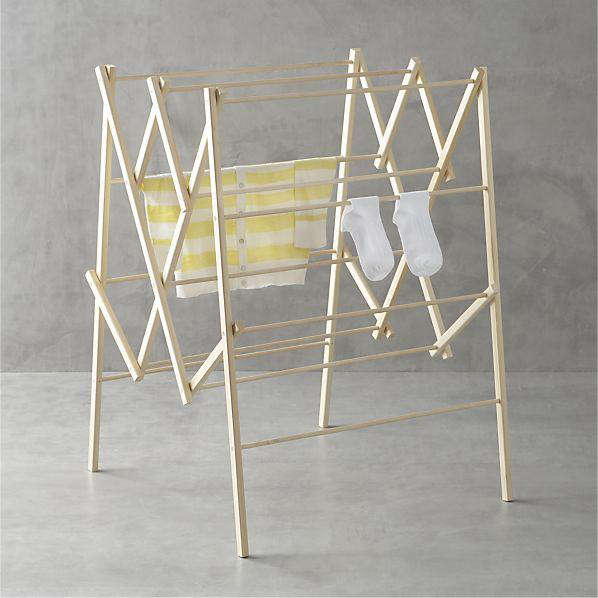
A large wood drying rack is a freestanding or foldable rack made primarily from hardwood, softwood, bamboo, or wood dowels. It is designed to hold wet garments while air circulates around them. Unlike a tumble dryer, it does not rely on heat or mechanical motion. Instead, it uses time, airflow, spacing, and gravity. Very old-school. Very effective.
Most large wooden drying racks have multiple horizontal rods or dowels arranged in tiers. Some models fold flat for storage, while others are tall, expandable, wall-mounted, or accordion-style. Many U.S.-available wooden racks are made from maple, poplar, birch, beech, bamboo, or other smooth woods that are sturdy enough to hold damp laundry without bending like a sad noodle.
The “large” part matters. A small rack may handle a few shirts and socks, but a large wood laundry drying rack can often hold a full washer load, depending on the design. Some heavy-duty wooden drying racks offer 30 to 40-plus feet of drying space, enough for towels, jeans, sweaters, baby clothes, gym wear, and the mysterious single sock that always looks guilty.
Why Choose a Wooden Drying Rack?
Wood Is Strong, Stable, and Pleasant to Use
A well-built wooden drying rack feels different from a flimsy plastic one. The frame has a warmer grip, the dowels are smooth, and the structure often has a furniture-like quality. Heavy-duty hardwood drying racks can hold thicker items such as jeans, bath towels, sweatshirts, and bedding better than lightweight racks that wobble every time you hang a damp hoodie.
Wood also has a natural look that blends nicely into laundry rooms, bedrooms, bathrooms, mudrooms, and farmhouse-style interiors. A large wood drying rack does not scream “temporary solution.” It quietly says, “Yes, I dry your laundry, and yes, I have better posture than your office chair.”
It Helps Protect Clothing
Air drying is especially useful for garments that do not love high heat. Wool sweaters, bras, activewear, linen shirts, silk pieces, lace, swimsuits, and printed T-shirts often last longer when they are not tossed around inside a hot dryer. Heat can weaken elastic, shrink fibers, fade colors, and increase wear over time. A wooden rack gives these pieces a gentler place to dry.
Care labels often include instructions such as “line dry,” “dry flat,” “drip dry,” or “line dry in shade.” A large wooden clothes drying rack makes those instructions easier to follow. You can hang items over the rods, lay sweaters across several bars, or use hangers on the frame to create more airflow.
It Can Reduce Energy Use
Clothes dryers are convenient, but they use electricity or gas every time they run. Air drying on a large wood drying rack uses no power, which can help reduce household energy use. Even if you do not give up your dryer completely, using a rack for delicates, partial loads, towels that only need finishing, or warm-weather laundry can make a noticeable difference over time.
Many households use a hybrid routine: machine dry durable items like sheets and cotton basics, then rack dry sweaters, workout clothes, and anything with elastic. This method saves energy while still keeping laundry day realistic. Because let’s be honest: nobody wants jeans hanging in the hallway for three business days.
Best Uses for a Large Wood Drying Rack
Everyday Laundry
A large wooden laundry rack can handle shirts, pants, socks, underwear, pajamas, school uniforms, kitchen towels, and lightweight blankets. To dry items faster, avoid bunching them together. Leave space between garments so air can move freely. Think of your laundry like guests at a dinner party: everyone needs a little breathing room.
Delicates and Special Fabrics
Delicate clothing benefits greatly from air drying. Bras keep their shape better, wool is less likely to shrink, and activewear maintains stretch longer when it avoids high heat. For sweaters, place them flat across multiple rods instead of hanging them from one bar. This prevents shoulder bumps and stretching.
Towels and Heavy Items
Large wood drying racks are useful for towels, but heavy wet towels need smart placement. Spread them over wider sections, avoid loading all the weight on one side, and rotate them if they are taking too long to dry. Thick towels dry best with extra airflow, so place the rack near a fan, open window, or warm interior room.
Small Spaces and Apartment Living
A foldable wood drying rack is excellent for apartments because it can open when needed and collapse when laundry duty is done. Large racks can still work in small spaces if they fold flat behind a door, slide beside a washer, or store under a bed. Before buying, measure both the open footprint and the folded storage size. Your future self will thank you when the rack does not block the refrigerator.
Large Wood Drying Rack vs. Metal, Plastic, and Bamboo
Wood vs. Metal
Metal drying racks are often slim, affordable, and lightweight. Some are coated to resist rust, but chips in the coating can expose metal over time. Wood does not rust, which is a major advantage in laundry rooms and humid spaces. However, wood must be kept dry between uses to prevent mildew, swelling, or warping.
Wood vs. Plastic
Plastic racks are inexpensive and easy to carry, but they may flex under heavy laundry and can become brittle over time. A sturdy wood clothes drying rack usually feels more durable and stable, especially for larger loads. Plastic may win on price, but wood often wins on longevity, appearance, and strength.
Wood vs. Bamboo
Bamboo drying racks are popular because bamboo is lightweight, renewable, and attractive. Many bamboo racks look beautiful and work well for lighter laundry. Solid hardwood racks, especially maple or poplar designs, may offer more strength for heavy loads. The best choice depends on how much laundry you dry and how often you use the rack.
How to Choose the Best Large Wood Drying Rack
Check the Drying Capacity
Drying capacity is usually measured by the number of rods, the total length of hanging space, or the rack’s dimensions when open. A single person may only need a moderate rack, while a family may need a large wooden drying rack with 30 feet or more of drying space. If you wash towels, jeans, and bedding often, choose a rack with thicker dowels and a strong frame.
Look at the Wood Type
Hardwood racks made from maple or similar woods are usually stronger than very lightweight softwood designs. Poplar can also be sturdy when built well. Bamboo is attractive and lighter, but quality varies. Smooth finishing matters because rough rods can snag fabric. Run your hand over the dowels if shopping in person. If it feels like it might fight your sweater, choose another rack.
Consider Stability
A large drying rack should stand evenly and resist tipping. Wide feet, strong hinges, reinforced joints, and thick rods all help. Some racks have bottom supports or locking positions that prevent collapse. This is especially important if you have kids, pets, or a cat who believes every household object is an obstacle course.
Measure Your Space
Always measure before buying. Check the height, width, depth, and folded size. A rack that looks reasonable online may become a wooden laundry fortress in a small bathroom. For compact homes, choose a tall rack with vertical drying space rather than a wide rack that eats the entire floor.
Choose Foldable or Permanent
Foldable racks are best for most households because they store easily. Wall-mounted wooden drying racks are excellent for laundry rooms, mudrooms, and bathrooms where you want a permanent station. Freestanding racks are flexible because you can move them near airflow, sunlight, or warmth.
How to Use a Large Wood Drying Rack Correctly
Give Clothes Space
The biggest mistake people make is overloading the rack. When clothing overlaps too much, moisture gets trapped and drying slows down. Hang shirts with space between them, drape pants over more than one rod, and avoid piling socks in damp little mountains. Damp mountains are not cute.
Use Hangers for Shirts
For button-down shirts, dresses, and light jackets, place garments on hangers and hook them over the rack. This improves airflow and reduces wrinkles. It also saves rod space for smaller items.
Spin Clothes Well Before Hanging
The wetter the clothing, the longer the drying time. Use a strong spin cycle when fabric care allows. You can also gently roll very wet items in a clean towel before placing them on the rack. Less dripping means faster drying and less stress on the wood.
Place the Rack in the Right Room
The best location is warm, dry, and well ventilated. A room with moving air is better than a closed corner. Avoid pushing the rack directly against exterior walls, especially in cold or humid weather, because trapped moisture can encourage mildew. Leave space around the rack and open a window briefly when outdoor humidity allows.
Add a Fan or Dehumidifier
A simple fan can dramatically improve drying time. It does not need to blast your laundry like a wind tunnel; steady airflow is enough. In damp climates or winter months, a dehumidifier can help remove moisture from the room and protect both clothing and walls.
How to Care for a Wooden Drying Rack
Keep the Wood Dry Between Uses
Wood and long-term moisture are not best friends. After laundry dries, remove the clothing and allow the rack itself to dry fully before folding it away. Wipe the rods with a dry cloth if they feel damp. This small habit helps prevent mildew and keeps the wood in better condition.
Do Not Leave Wet Clothes on It for Days
A large wood drying rack is strong, but it is not a swamp dock. Leaving heavy wet jeans or towels on the rods for too long can stress the frame and may contribute to warping or musty smells. Remove items when dry and rotate heavy pieces if needed.
Clean Gently
For routine cleaning, wipe the rack with a slightly damp cloth and mild soap, then dry it completely. Avoid soaking the wood. If rough spots appear, lightly sand them smooth so fabric does not snag. Some owners use a small amount of wood-safe wax or polish, but avoid finishes that could transfer residue to clothing.
Store It Properly
Fold the rack only when dry. Store it in a clean, dry location away from leaky pipes, damp basements, and outdoor rain. If you use the rack outside on warm days, bring it back indoors afterward. Outdoor air is fine; surprise thunderstorms are not.
Common Mistakes to Avoid
Buying Too Small
If you regularly wash full loads, a tiny drying rack will quickly become frustrating. Laundry needs room to dry. Choosing a large wood drying rack with generous spacing makes the process smoother and faster.
Ignoring Weight Limits
Wet fabric is heavier than dry fabric. A rack that handles T-shirts may struggle with soaking towels. Place heavy items evenly across the rack instead of loading one side. This protects the joints and prevents tipping.
Using It in a Stuffy Room
Air drying requires air. A closed, cold, humid room slows everything down and may lead to musty odors. Use ventilation, spacing, and occasional airflow to help moisture escape.
Folding It Away Damp
This is the wooden rack equivalent of putting away a wet umbrella in a closet. Let the rack dry before storage. It takes only a little patience and saves a lot of trouble.
Who Should Buy a Large Wood Drying Rack?
A large wood drying rack is ideal for people who want to air dry clothing regularly, reduce dryer use, protect delicate garments, or add a durable laundry tool to the home. It is especially useful for families, apartment dwellers, eco-conscious households, people with expensive activewear, and anyone tired of discovering that the dryer has transformed a favorite shirt into doll clothing.
It is also a smart choice for homes with seasonal laundry needs. In summer, you can place the rack near an open window or covered porch. In winter, you can use it indoors with a fan or dehumidifier. During rainy weeks, it becomes the quiet backup plan that keeps laundry moving even when the weather acts dramatic.
Real-Life Experiences With a Large Wood Drying Rack
The first thing most people notice after switching to a large wood drying rack is how much calmer laundry feels. There is no dryer buzzer yelling from another room, no frantic race to prevent wrinkles, and no sudden discovery that a delicate top has been roasted into a decorative napkin. The rhythm changes. You wash, shake out the clothing, arrange it on the rack, and let air do the work.
In a family home, the rack often becomes part of the weekly system. Towels go over the strongest rods. School clothes hang from the middle. Socks and small items claim the upper levels like tiny laundry royalty. Parents quickly learn that spacing is everything. When jeans are draped too closely together, they dry at the speed of a sleepy turtle. When they are opened up with air between layers, drying time improves dramatically.
Apartment users often love foldable wooden drying racks because they offer capacity without requiring permanent installation. One practical trick is to set the rack near a window during the day, then move it away from cold glass at night. Another is to dry shirts on hangers along the top edge while using the rods for smaller pieces. This turns one rack into a miniature laundry command center.
For people who own a lot of workout clothing, the benefits show up quickly. Leggings, compression shirts, sports bras, and moisture-wicking fabrics can wear out faster under repeated high heat. A large wooden clothes drying rack gives these items space to dry without cooking the elastic. The clothes may take longer than a dryer cycle, but they often keep their shape better. That is a fair trade unless your gym shorts are urgently needed for a heroic treadmill session.
Another experience many users mention is the smell. Properly air-dried clothes can smell fresh, especially when the rack is placed in a ventilated room. The key word is “properly.” If clothes are packed too tightly or left in a damp corner, they may develop a musty odor. The solution is simple: shake garments out before hanging, leave gaps, use a fan when needed, and remove items as soon as they are dry.
Large wooden drying racks are also surprisingly useful beyond laundry. They can hold damp dish towels after holiday cooking marathons, dry hand-washed throw pillow covers, support mittens and scarves after snowy days, or air out freshly cleaned reusable shopping bags. Some people even use them for drying fabric crafts, quilting pieces, or hand-washed curtains. Once the rack enters the home, it quietly applies for several side jobs.
The main lesson from everyday use is that a large wood drying rack rewards good habits. Do not overload it. Do not store it wet. Do not trap it against a cold wall. Treat it like a useful wooden household tool, not a disposable gadget, and it can serve for years. A well-made rack becomes one of those items you stop thinking about because it simply works. That may not sound glamorous, but in laundry terms, “simply works” is basically a standing ovation.
Final Thoughts
A large wood drying rack is practical, attractive, energy-conscious, and gentle on clothing. It gives you more control over how garments dry, helps reduce unnecessary heat exposure, and offers a reliable alternative to machine drying. The best models combine sturdy wood, smooth rods, generous drying space, stable construction, and foldable storage.
If you want a laundry tool that saves energy, protects fabrics, and does not require an instruction manual thicker than a novel, a large wooden clothes drying rack is a smart investment. Choose the right size, place it where air can move, care for the wood properly, and it will reward you with fresh laundry, fewer dryer disasters, and a home that smells less like overheated socks.