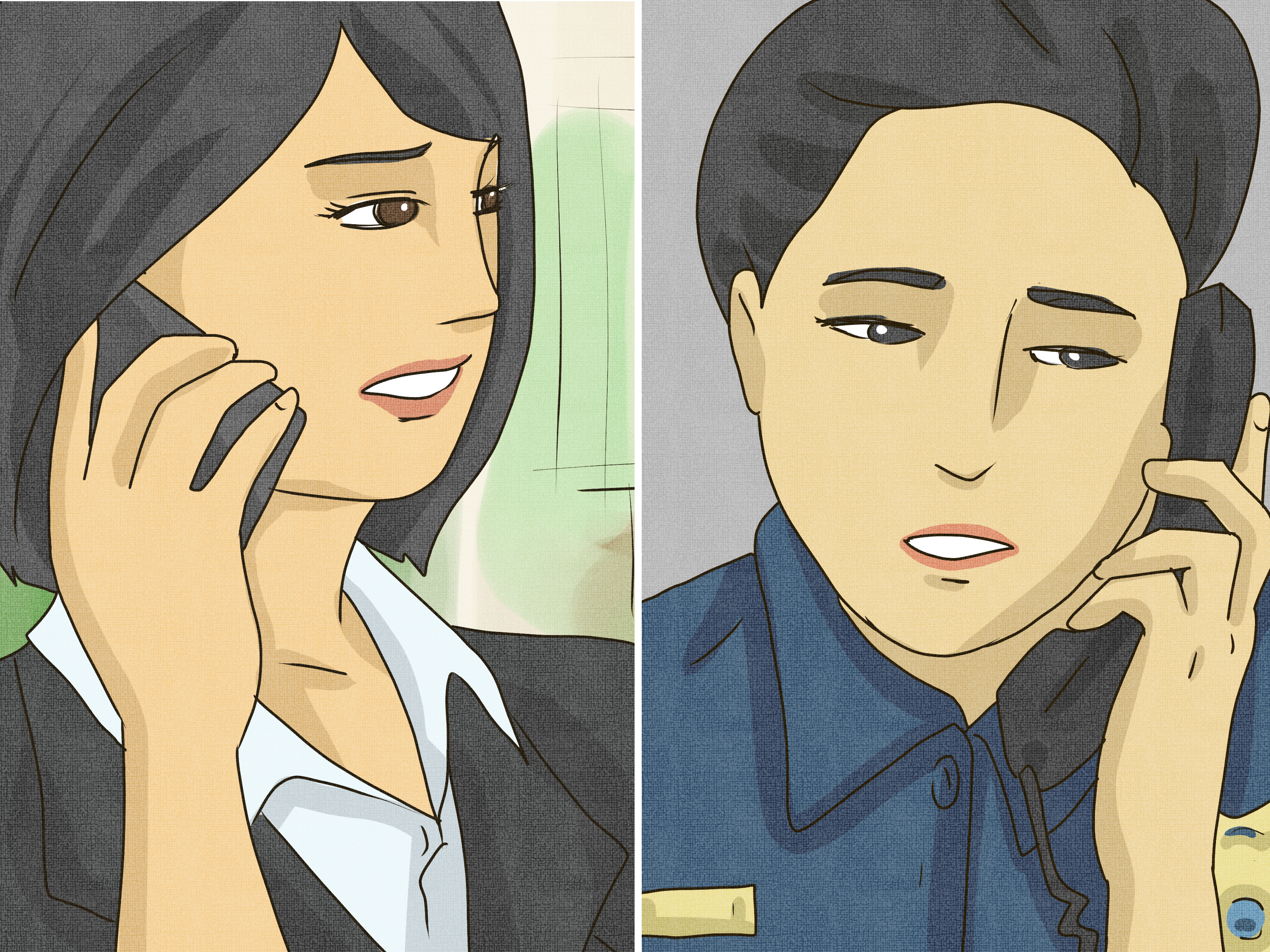
Note: This article is for educational and safety-planning purposes. If someone threatens immediate harm, violence, stalking, blackmail, or makes you feel unsafe, contact emergency services, a trusted person, or a qualified local support organization right away.
When a Threat Is Not “Just Drama”
Dealing with a narcissist’s threats can feel like trying to play chess with someone who keeps flipping the board and then accusing you of being “too emotional” about the flying pieces. Whether the threat is “I’ll ruin your reputation,” “You’ll regret leaving,” “I’ll take everything,” or “No one will believe you,” the goal is often the same: control.
Not every difficult person has narcissistic personality disorder, and diagnosing someone from a distance is not helpful. However, people with strong narcissistic traits may use intimidation, blame-shifting, guilt, gaslighting, or dramatic ultimatums to regain power when they feel criticized, rejected, exposed, or ignored. The safest response is rarely a perfect comeback. It is usually a calm, planned, well-documented, low-drama response that protects your emotional, physical, legal, and digital safety.
This guide explains 11 simple ways to respond to a narcissist’s threats without feeding the conflict. You will find practical scripts, boundary-setting examples, safety tips, and real-world strategies you can use with an ex, partner, parent, coworker, friend, or co-parent.
What Counts as a Narcissistic Threat?
A narcissistic threat is any statement, implication, or behavior used to scare you into compliance. It may sound obvious and aggressive, or it may be wrapped in charm, fake concern, or moral superiority. That is what makes it slippery.
Common examples include:
- Threats to expose private information or embarrass you online
- Threats to take money, property, children, pets, or opportunities
- Threats to contact your employer, family, friends, school, or community
- Legal threats used to intimidate rather than solve a real issue
- Threats of stalking, showing up uninvited, or “making you pay”
- Emotional threats such as guilt, abandonment, humiliation, or smear campaigns
The key question is not, “Are they technically a narcissist?” The better question is, “Is this person using fear to control my behavior?” If the answer is yes, your response should focus on safety, boundaries, evidence, and supportnot winning the argument.
11 Simple Ways to Respond to a Narcissist’s Threats
1. Stay Calm and Do Not Match Their Intensity
When someone threatens you, your nervous system may want to fight, defend, explain, or fire back a line so brilliant it deserves its own movie trailer. Unfortunately, a highly reactive response can give the other person exactly what they want: emotional fuel.
Take a breath before responding. Lower your voice. Slow your typing. If you are in person, create physical space. If you are texting, do not answer instantly just because they are sending messages like a malfunctioning popcorn machine.
Try saying: “I’m not going to continue this conversation while threats are being made.”
This response is short, clear, and non-dramatic. It does not insult them, diagnose them, or invite a debate about whether they are “really threatening” you.
2. Treat Serious Threats as Safety Issues, Not Relationship Problems
If a threat involves physical harm, stalking, sexual coercion, blackmail, weapons, property damage, forced isolation, or showing up where you live or work, do not treat it as a normal disagreement. Your job is not to calm their ego. Your job is to protect yourself.
Move to a safer place if you can. Tell someone you trust. Save evidence. Contact local emergency services if danger feels immediate. If the situation involves domestic abuse, dating abuse, stalking, or harassment, a domestic violence advocate or legal advocate can help you think through a safety plan.
Try saying only if it is safe: “I’m leaving now. Do not contact me except in writing about necessary matters.”
If saying anything could escalate the danger, you do not owe them a speech. Safety beats politeness every single time.
3. Use Short, Boring Responses
Long explanations are tempting. You may want to prove you are reasonable, ethical, kind, honest, and definitely not whatever dramatic label they just threw at you. But people using manipulation often twist long explanations into new arguments.
Use brief, neutral responses. This is sometimes called the gray rock approach: you become emotionally uninteresting, like a small gray rock on the sidewalk. Not glamorous, but very effective. No sparkle. No drama. No fresh material for the courtroom they are holding in their imagination.
Examples:
- “I understand that you disagree.”
- “I will respond when the conversation is respectful.”
- “That does not work for me.”
- “I’m not discussing this further.”
The goal is not to sound cold. The goal is to avoid feeding the emotional fire.
4. Do Not Defend Yourself Against Every Accusation
Narcissistic threats often arrive with accusations: “You’re selfish,” “You’re crazy,” “You’re the abusive one,” “Everyone knows what you did.” This can trigger a strong urge to defend yourself point by point. That is the trap.
When you defend every accusation, the conversation becomes a maze. You enter through one door and suddenly you are debating something from 2019, your tone in a text message, and whether your facial expression at dinner was “disrespectful.”
Try saying: “I’m not going to debate personal attacks. If there is a specific practical issue, put it in writing.”
This moves the conversation away from emotional chaos and toward concrete facts.
5. Set a Clear Boundary and Attach an Action
A boundary is not a wish. It is not “Please be nicer because I bought a journal and I’m healing now.” A real boundary includes what you will do if the behavior continues.
Weak boundary: “Stop threatening me.”
Stronger boundary: “If you threaten me again, I will end this call and communicate only by email.”
More examples:
- “If you raise your voice, I will leave the room.”
- “If you contact my workplace, I will document it and seek advice.”
- “If you send insulting messages, I will not reply.”
- “If you show up uninvited, I will not open the door.”
Boundaries work best when they are simple, realistic, and enforceable. Do not announce consequences you cannot or will not follow through on.
6. Keep Records of Threats
Documentation is not about revenge. It is about reality. When someone gaslights, denies, deletes, edits, or rewrites events, records help you stay grounded and may be useful if you need legal, workplace, school, or safety support later.
Save texts, emails, voicemails, screenshots, call logs, social media messages, and dates of in-person incidents. Store copies somewhere secure. If the person has access to your phone, cloud account, passwords, or shared devices, ask a trusted professional or tech-savvy support person how to preserve evidence safely.
A simple log can include:
- Date and time
- What was said or done
- Where it happened
- Who witnessed it
- Any screenshots or files saved
Think of documentation as an umbrella. You may not need it every day, but when the storm arrives, you will be glad it is not buried in the garage.
7. Move Important Conversations to Writing
Phone calls and in-person conversations can become messy fast. A person who uses threats may later deny what they said or claim you misunderstood. Written communication creates a clearer record and gives you time to respond calmly.
Try saying: “For clarity, I’ll only discuss this by email.”
If you must communicate because of co-parenting, shared bills, work, housing, or legal matters, keep messages factual. Avoid sarcasm, emotional confessions, insults, or diagnosis labels. Write as though a judge, HR manager, therapist, or very tired future version of you might read it later.
Example: “I will pick up the documents Friday at 3 p.m. Please leave them at the front desk.”
No extra commentary. No emotional seasoning. Just facts.
8. Avoid Threatening Back
It is understandable to feel angry. Threats are frightening and unfair. But threatening back can escalate the situation, weaken your credibility, and create material the other person may use against you.
Instead of saying, “I’ll destroy you if you keep this up,” choose a calm consequence: “If this continues, I will seek appropriate support and communicate only through formal channels.”
That may not feel as satisfying in the moment, but it is cleaner, safer, and much harder to twist.
9. Build a Support Team Before You Need One
Manipulative threats thrive in isolation. The more alone you feel, the easier it is for the person to convince you that you are overreacting, imagining things, or helpless. A support team helps you reality-check the situation.
Your support team might include a trusted friend, family member, therapist, school counselor, workplace supervisor, attorney, domestic violence advocate, or spiritual/community leader. Choose people who can stay calm, respect confidentiality, and avoid turning your life into a gossip podcast.
Try telling a trusted person: “I’m dealing with threatening messages from someone, and I may need support staying grounded and safe. Can I send you screenshots or check in if things escalate?”
You do not need to share every detail with everyone. You only need enough support so you are not carrying the entire situation alone.
10. Make a Safety Plan
A safety plan is a practical set of steps you prepare before a crisis. It can include where you will go, who you will call, how you will leave, what documents you need, how to protect children or pets, and how to secure your digital accounts.
This is especially important if the person has a history of violence, stalking, controlling money, monitoring your phone, isolating you, damaging property, or escalating when you set boundaries.
A basic safety plan may include:
- A safe place to go in an emergency
- A trusted person who knows what is happening
- A code word that means “I need help”
- Copies of important documents
- Emergency money, medication, keys, and essentials
- Stronger passwords and two-factor authentication
- A plan for children, pets, transportation, and school or work
Leaving or confronting a controlling person can sometimes increase risk. Planning quietly and getting expert support can make a major difference.
11. Know When to Stop Engaging Completely
Sometimes the best response is no response. If the person is baiting you, insulting you, repeating threats, sending dozens of messages, or trying to pull you into circular arguments, silence can be a boundary.
Of course, no contact is not always possible. You may share children, work together, live in the same household, or have legal obligations. In that case, consider low contact: communicate only about necessary topics, only in writing, and only at specific times.
Try saying: “I will respond only to messages about scheduling, finances, or required logistics.”
Then follow through. The magic is not in the sentence. The magic is in refusing to return to the emotional boxing ring.
What Not to Say to a Narcissist Who Is Threatening You
Some responses feel powerful but usually make things worse. Avoid statements that diagnose, insult, challenge, or dare the person.
Avoid phrases like:
- “You’re a narcissist and everyone knows it.”
- “Go ahead, I dare you.”
- “You’re insane.”
- “I’m going to ruin your life.”
- “No one is scared of you.”
These may feel satisfying for about six seconds. Then they can escalate the conflict or give the other person a shiny new excuse to play victim. Keep your language calm, factual, and focused on your next step.
Simple Script Examples You Can Copy
If they threaten to spread rumors:
“I will not respond to threats or rumors. If there is a practical issue to discuss, send it in writing.”
If they threaten legal action:
“I understand. Please send any legal communication through the appropriate written channel.”
If they threaten to contact your family or workplace:
“Do not involve third parties in this matter. I am documenting this message.”
If they threaten to show up:
“Do not come to my home/workplace. If you arrive uninvited, I will take steps to protect my safety.”
If they threaten self-harm:
“I’m sorry you’re feeling this way. I’m contacting emergency or crisis support so trained people can help you.”
Do not let threats of self-harm force you into unsafe contact. You can care about someone’s wellbeing while still involving appropriate help and protecting yourself.
Why These Responses Work
Threats often rely on emotional urgency. The person wants you scared, defensive, ashamed, or desperate to fix their mood. Calm responses interrupt that pattern. Documentation protects reality. Boundaries protect your time and energy. Support protects your judgment. Safety planning protects your future.
The deeper truth is this: you do not need to convince a threatening person to become fair before you are allowed to protect yourself. You can choose safety even if they call it betrayal. You can choose silence even if they call it guilt. You can choose support even if they call it drama.
Experience-Based Insights: What It Feels Like and What Helps
Many people who have dealt with narcissistic threats describe the same confusing cycle. At first, the threat sounds so extreme that they wonder if they misunderstood it. Then comes the panic: “What if they really do it?” After that, the self-doubt arrives wearing tap shoes: “Maybe I caused this. Maybe I should just apologize. Maybe if I explain better, they’ll calm down.”
That emotional spiral is common because threats are designed to knock you off balance. A calm person can make choices. A terrified person often makes concessions. That is why one of the most helpful experiences people report is learning to pause before responding. Even waiting ten minutes before replying to a hostile text can prevent a long, exhausting argument.
Another common lesson is that overexplaining rarely helps. People often spend months trying to craft the perfect messagethe one that finally makes the narcissistic person understand their pain. But a person who is committed to control may not be looking for understanding. They may be looking for leverage. Once people realize this, they often shift from emotional persuasion to practical protection.
For example, instead of writing, “I can’t believe you would threaten me after everything I’ve done for you,” they write, “Do not contact me at work again. Future communication must be by email.” The second message may feel less expressive, but it is usually more effective.
People also learn the importance of private support. When you are inside the conflict, every message can feel urgent. A trusted friend, therapist, advocate, or counselor can help you sort real danger from emotional noise. They can also remind you that being accused does not automatically make you guilty. A narcissistic person may sound confident, but confidence is not evidence.
One of the hardest experiences is accepting that boundaries may cause pushback. When you stop answering every message, the threats may briefly increase. When you stop apologizing for things you did not do, the person may call you cold. When you document the behavior, they may accuse you of “building a case.” This does not mean your boundary is wrong. It may mean the old control strategy is no longer working smoothly.
Another lesson: digital safety matters more than many people realize. Shared passwords, location tracking, family phone plans, cloud photo access, smart-home devices, and social media logins can all become tools for monitoring or intimidation. People who have been through this often wish they had changed passwords, checked privacy settings, and secured accounts earlier.
Finally, many survivors say the biggest turning point was giving themselves permission to stop being “nice” in the way the threatening person demanded. Calm is helpful. Kindness is admirable. But endless access to you is not kindnessit is self-abandonment with better manners. You can be respectful and still be unavailable. You can be compassionate and still call for help. You can be mature and still refuse to be threatened.
Responding to narcissistic threats is not about becoming harder, meaner, or more suspicious. It is about becoming steadier. You learn to trust patterns over promises, actions over apologies, and safety over performance. The result is not instant peace, but it is a beginning: fewer emotional ambushes, clearer choices, and the quiet strength of knowing you no longer have to wrestle every threat with your bare hands.
Conclusion: Respond With Calm, Document Everything, Choose Safety
Learning how to respond to a narcissist’s threats is not about finding the perfect clever comeback. It is about refusing to be pulled into fear-based control. Stay calm, keep responses short, document threats, set firm boundaries, build support, and create a safety plan when risk is present.
If a threat feels immediate or dangerous, prioritize real-world help over conversation. You do not have to prove the threat is “bad enough” before protecting yourself. Your safety, peace, and future are valid reasons to step back, speak carefully, and get support.