Varicose veins have a dramatic way of announcing themselves. One day your legs look perfectly normal; the next, a blue-purple squiggle appears like your calf is trying to draw a map without permission. If you have searched for natural support, you may have seen gotu kola for varicose veins mentioned in wellness blogs, supplement aisles, and old herbal medicine conversations. But does gotu kola actually help treat varicose veins, or is it just another leafy green with a good publicist?
The honest answer is: gotu kola may help support circulation and reduce symptoms related to chronic venous insufficiency, but it does not erase or “cure” varicose veins. The best evidence points to possible benefits for leg swelling, heaviness, discomfort, and microcirculation. However, the research is limited, older, and not strong enough to make gotu kola a first-line medical treatment. Think of it as a possible supporting character, not the superhero who saves the entire vein universe.
This guide explains what gotu kola is, how it may affect vein health, what the research says, how it compares with proven varicose vein treatments, and what safety issues you should know before taking it.
What Are Varicose Veins?
Varicose veins are enlarged, twisted veins that usually appear in the legs. They happen when tiny one-way valves inside the veins weaken or stop working properly. Normally, those valves help blood move upward toward the heart. When they fail, blood can pool in the lower legs, increasing pressure inside the veins. The result may be bulging veins, aching, swelling, heaviness, itching, skin changes, or nighttime leg discomfort.
Many people think varicose veins are only cosmetic, but that is not always true. Some are harmless and mainly affect appearance. Others are linked with chronic venous insufficiency, a longer-term circulation problem that can cause swelling, skin irritation, discoloration, and, in more serious cases, venous ulcers. If your legs feel heavy by the end of the day or your ankles seem to puff up like they are auditioning for a marshmallow commercial, your veins may be struggling with more than just appearance.
What Is Gotu Kola?
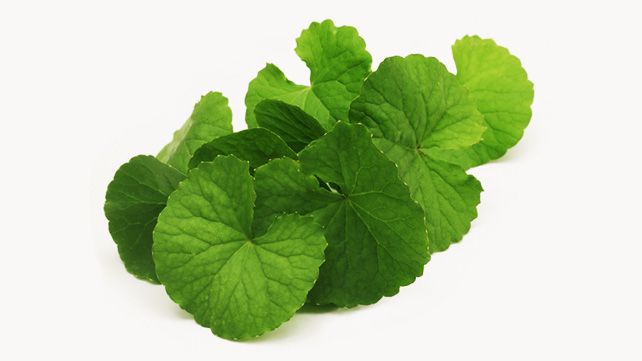
Gotu kola, also known as Centella asiatica, is a small green plant used in traditional medicine systems across Asia. It is not related to kola nut and does not naturally contain caffeine, so it will not turn your afternoon into a jittery drum solo. In herbal medicine, gotu kola has been used for wound healing, skin support, memory, inflammation, and circulation.
The compounds that attract the most scientific interest are called triterpenes. These include asiaticoside, madecassoside, asiatic acid, and madecassic acid. Some studies have examined a standardized extract called total triterpenic fraction of Centella asiatica, often shortened to TTFCA. This is important because “gotu kola” on a supplement label may not be the same as the standardized extracts used in clinical studies.
How Might Gotu Kola Help Vein Health?
Gotu kola is believed to support vein health in several possible ways. First, it may help the body maintain connective tissue, including collagen and elastin. These proteins help give structure and flexibility to blood vessel walls. When vein walls become weak or stretched, blood can pool more easily, contributing to varicose veins and venous insufficiency symptoms.
Second, gotu kola may influence microcirculation, which refers to blood flow through tiny vessels. Some research suggests standardized Centella asiatica extracts may improve measurements related to capillary function and fluid movement. In simpler terms, it may help reduce the “my legs feel like wet cement” sensation some people experience after standing all day.
Third, gotu kola has been studied for swelling, also called edema. In chronic venous insufficiency, fluid can collect in the lower legs because blood return is inefficient. If gotu kola improves vein wall tone or capillary stability, it may help reduce mild swelling in some people. That said, swelling can have many causes, including heart, kidney, liver, medication, or blood clot issues, so new or severe swelling should never be brushed off as “just veins being dramatic.”
What Does the Research Say About Gotu Kola and Varicose Veins?
The strongest research is not specifically about cosmetic varicose veins; it is mostly about chronic venous insufficiency. That distinction matters. Varicose veins are visible enlarged veins, while chronic venous insufficiency is a broader circulation problem that can include symptoms such as heaviness, swelling, pain, and skin changes.
Several clinical studies have examined standardized Centella asiatica extracts, especially TTFCA, in people with venous insufficiency. Some findings suggest improvements in leg heaviness, swelling, discomfort, and microcirculatory measurements. A systematic review concluded that Centella asiatica may improve signs and symptoms of chronic venous insufficiency, but the conclusion should be interpreted with caution because the evidence base is limited.
In plain English: there is a real scientific reason gotu kola keeps appearing in conversations about vein support. It is not random internet fairy dust. However, the research is not strong enough to claim that gotu kola can remove varicose veins, replace compression stockings, or prevent someone from needing medical treatment.
Can Gotu Kola Make Varicose Veins Disappear?
No reliable evidence shows that gotu kola can make established varicose veins disappear. Once a vein becomes enlarged, twisted, and structurally changed, an herb is unlikely to roll it back like a software update. Varicose veins may shrink temporarily when legs are elevated or symptoms improve, but the underlying vein structure usually remains.
Medical treatments such as sclerotherapy, endovenous laser therapy, radiofrequency ablation, and certain vein procedures are designed to close or remove problem veins. Gotu kola is not in the same category. It may help some people feel better, especially if their symptoms are mild, but it should not be marketed as a vein eraser.
Proven Ways to Manage Varicose Veins
If you are dealing with varicose veins, the most evidence-based plan usually starts with conservative care. These methods may not sound glamorous, but they are the reliable basics the sweatpants of vein care: not flashy, but surprisingly effective.
Compression Stockings
Compression stockings are often one of the first recommended tools for varicose vein symptoms. They apply gentle pressure to the legs, helping blood move upward and reducing pooling. Graduated compression is tighter near the ankle and looser higher on the leg. For many people, this helps reduce aching, swelling, throbbing, and fatigue.
Regular Movement
Walking, calf raises, cycling, swimming, and other low-impact activities activate the calf muscles, which act like a pump for leg veins. Sitting or standing still for long periods can make symptoms worse. Even short movement breaks can help. Your veins are not asking you to become an Olympic athlete; they are simply requesting that you stop sitting like a statue for five straight hours.
Leg Elevation
Elevating your legs above heart level for short periods can reduce pressure in the veins and help fluid drain from the lower legs. This is especially useful after long workdays, travel, or extended standing.
Weight and Lifestyle Support
Maintaining a healthy weight, avoiding smoking, staying active, and managing constipation may help reduce pressure on the veins. Diets rich in fiber, fruits, vegetables, and adequate hydration also support overall vascular health.
Medical Evaluation
If symptoms are persistent, painful, worsening, or associated with skin changes, a healthcare professional may recommend ultrasound testing. This helps identify reflux, valve problems, or clots. Treatment can then be personalized instead of guessed, which is always better than letting your legs play medical mystery theater.
How Gotu Kola May Fit Into a Varicose Vein Routine
Gotu kola may be considered a complementary option for people interested in natural support for venous insufficiency symptoms. The key word is complementary. It should sit beside proven care, not shove it out of the chair.
For example, someone with mild leg heaviness after standing all day might use compression stockings, take walking breaks, elevate their legs in the evening, and discuss gotu kola with a healthcare provider. That is a reasonable “supportive care” mindset. On the other hand, someone with large painful veins, skin discoloration, ulcers, sudden swelling, or calf tenderness should not delay medical care while experimenting with supplements.
Because supplement quality varies, people who choose gotu kola should look for products from reputable brands with third-party testing when possible. In the United States, dietary supplements are not approved by the FDA for safety and effectiveness before they are sold. That means the label may look official, but it is not the same as a prescription medication that has gone through strict approval for a specific disease.
Safety: Who Should Be Careful With Gotu Kola?
Natural does not automatically mean harmless. Poison ivy is natural, and nobody invites it to brunch. Gotu kola is generally well tolerated by many people, but safety concerns do exist.
Possible side effects may include stomach upset, nausea, dizziness, headache, sleepiness, itching, or skin rash. Rare liver injury has been reported with Centella asiatica, so people with liver disease should avoid it unless a clinician specifically recommends otherwise. Anyone who develops yellowing of the skin or eyes, dark urine, severe fatigue, abdominal pain, or unexplained nausea while using gotu kola should stop taking it and seek medical advice.
Gotu kola may also interact with sedatives, alcohol, and medications processed by the liver. It may not be appropriate for people who are pregnant, breastfeeding, preparing for surgery, taking multiple medications, or managing chronic medical conditions. Teens and children should not use gotu kola supplements unless a qualified healthcare provider says it is appropriate.
How Long Would It Take to Notice a Difference?
Clinical studies on Centella asiatica extracts often look at effects over several weeks. If someone notices improvement, it would likely be gradual rather than overnight. Gotu kola is not like flipping a light switch; it is more like asking your veins to attend a wellness seminar and hoping they take notes.
It is also important to track what changes. Are your legs less swollen at night? Is heaviness reduced? Are you able to stand longer with less discomfort? Are visible veins actually changing, or do they simply feel less bothersome? Symptom improvement is meaningful, but it is not the same as structural treatment.
Red Flags: When to See a Doctor
Do not rely on gotu kola, compression socks, or home care alone if you have warning signs. Seek medical attention if you develop sudden leg swelling, severe calf pain, warmth, redness, shortness of breath, chest pain, bleeding from a vein, open sores near the ankle, dark skin changes, or rapidly worsening symptoms. These may point to problems that need timely medical evaluation.
You should also talk with a healthcare professional if varicose veins interfere with daily life, cause frequent pain, or continue getting worse despite self-care. Modern vein treatments are often minimally invasive and far less intimidating than many people imagine.
So, Does Gotu Kola Help Treat Varicose Veins?
Gotu kola may help support symptoms related to chronic venous insufficiency, such as leg heaviness, swelling, and discomfort, but it is not a proven cure for varicose veins. The evidence is promising but not definitive. It appears most relevant as a complementary option, especially when used alongside compression, movement, leg elevation, and professional care when needed.
If you are hoping for smoother-looking legs, gotu kola will probably disappoint you. If you are hoping for gentle circulatory support and symptom relief, it may be worth discussing with a healthcare provider. The best approach is practical, not magical: support your veins daily, choose supplements carefully, and get medical advice when symptoms suggest something more serious.
Real-World Experiences and Practical Lessons
People who explore gotu kola for varicose veins often share a similar story: they are not looking for a miracle; they are looking for relief. Maybe their legs ache after a long shift. Maybe their ankles swell during summer. Maybe they have inherited their family’s veins along with their grandmother’s soup recipe and their father’s habit of saying, “I’m just resting my eyes.”
One common experience is that lifestyle changes make the biggest visible difference in daily comfort. For example, a person who stands all day in retail may feel more improvement from properly fitted compression socks and walking breaks than from any supplement alone. Gotu kola, if used, may feel like an added layer of support rather than the main event. This is an important expectation to set for readers: the supplement may support the plan, but the plan still matters.
Another practical lesson is that consistency beats intensity. Someone might elevate their legs once for 10 minutes and wonder why their varicose veins did not vanish like a magic trick. Vein support is more boring than that and more realistic. Daily movement, regular compression use, hydration, weight management when relevant, and avoiding long periods of stillness usually matter more than one heroic wellness gesture.
People also learn that supplement labels can be confusing. One bottle may say “gotu kola herb,” another may say “Centella asiatica extract,” and another may list triterpenes or standardized compounds. These may not have the same strength or research relevance. This is why it is smart to bring the bottle to a healthcare appointment or ask a pharmacist to review it. A fancy label with vines and gold lettering is not a clinical trial.
Some users report that gotu kola seems to reduce a heavy-leg feeling after several weeks. Others notice no change at all. That variation is normal. Varicose vein symptoms depend on many factors: genetics, pregnancy history, body weight, job demands, activity level, vein anatomy, hormones, age, and whether deeper venous reflux is present. If the underlying issue is significant valve failure, a supplement is unlikely to do much beyond possibly easing mild symptoms.
There is also an emotional side to varicose veins that many articles skip. People may feel self-conscious wearing shorts, swimsuits, skirts, or dresses. They may worry that visible veins make them look older or unhealthy. A helpful article should remind readers that varicose veins are extremely common and not a personal failure. Your veins are not a moral report card. They are body parts under pressure, doing their best with the valves they were given.
A balanced experience-based approach would look like this: first, identify your symptoms. Second, start with proven basics such as movement, leg elevation, and compression if appropriate. Third, talk with a healthcare professional if symptoms are painful, worsening, or connected with swelling or skin changes. Fourth, if you are still interested in gotu kola, discuss whether it is safe for your situation, especially if you take medications or have liver concerns.
The best takeaway is not “gotu kola works” or “gotu kola is useless.” The better takeaway is more nuanced: gotu kola has some evidence for venous insufficiency symptom support, but it belongs in a careful, realistic, safety-aware routine. Used wisely, it may help some people feel more comfortable. Used as a substitute for medical care, it may delay treatment that actually fixes the problem.
In the end, varicose vein care is a team sport. Compression socks, walking, leg elevation, medical evaluation, healthy routines, and cautious supplement use can all have a role. Gotu kola may earn a place on the bench and for some people, maybe even a few minutes on the field but it should not be asked to carry the whole game.
Conclusion
Gotu kola is one of the more interesting natural options discussed for varicose veins and chronic venous insufficiency. Its active compounds may support connective tissue, microcirculation, and swelling control. Research suggests possible benefits for symptoms such as leg heaviness and edema, but the evidence is not strong enough to call it a cure or replacement for proven treatment.
For readers dealing with mild discomfort, gotu kola may be worth discussing with a healthcare provider as part of a broader vein-support plan. For people with painful, worsening, or complicated varicose veins, medical evaluation is the smarter path. Your legs carry you everywhere; they deserve more than guesswork and a random capsule from the internet.