Arthritis is one of those words people toss around casually, usually right after standing up and making a dramatic “oof” sound. But arthritis is much bigger than everyday aches and creaks. It is not a single disease. It is a broad term for more than 100 conditions that affect joints, nearby tissues, and sometimes other parts of the body. Some forms are mostly about wear and tear. Others happen when the immune system gets confused and starts acting like your joints are trespassers.
The good news? Arthritis is common, manageable, and no longer something people have to “just live with” in silence while glaring at stairs. With the right diagnosis, treatment plan, and healthy habits, many people reduce pain, protect function, and stay active for years. In this guide, we will break down the most common arthritis symptoms, what causes it, the major types, treatment options, and practical ways to lower your risk.
What Is Arthritis?
Arthritis refers to inflammation, damage, or degeneration in and around a joint. A joint is where two bones meet, such as the knee, hip, fingers, shoulder, or ankle. Depending on the type, arthritis may affect cartilage, the lining of the joint, tendons, ligaments, or even organs beyond the joints.
Some people develop arthritis slowly over time. Others are hit with symptoms that seem to appear out of nowhere, like a joint decided to file a complaint overnight. The most common forms include osteoarthritis, rheumatoid arthritis, psoriatic arthritis, gout, and juvenile idiopathic arthritis.
Common Arthritis Symptoms
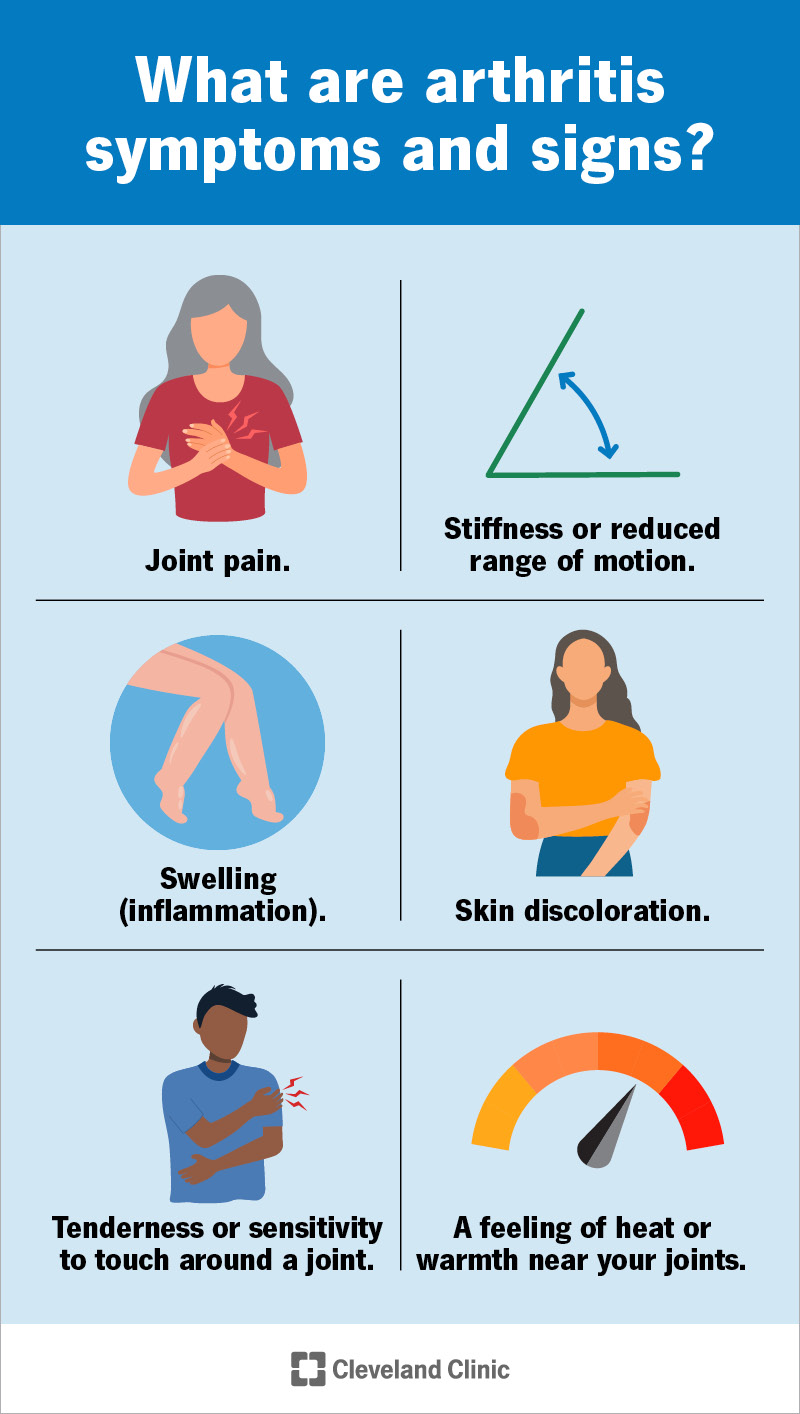
Arthritis symptoms vary by type, but several signs show up again and again. The most common ones include:
- Joint pain that may be dull, sharp, burning, or throbbing
- Stiffness, especially in the morning or after sitting still
- Swelling in or around a joint
- Warmth or redness over the joint
- Reduced range of motion
- Weakness or trouble using the joint normally
- Clicking, grinding, or cracking sensations
Some forms of arthritis come with extra symptoms outside the joints. Rheumatoid arthritis and psoriatic arthritis, for example, may cause fatigue, fever, skin changes, eye symptoms, or other whole-body problems. Gout often causes sudden, intense attacks of pain, often in the big toe. Juvenile arthritis in children may show up as limping, stiffness after sleep, or joints that seem swollen for weeks.
If a joint becomes suddenly hot, red, very swollen, and extremely painful, especially with fever, that deserves prompt medical attention. That pattern can signal a serious flare, gout, or even a joint infection.
What Causes Arthritis?
There is no single cause of arthritis because different types start in different ways. Think of “arthritis” as the umbrella and the causes as the weather underneath it.
1. Wear and Tear
Osteoarthritis, the most common type, develops when joint tissues break down over time. Cartilage, the smooth material that cushions the ends of bones, gradually wears away. As that cushioning thins, movement can become painful and stiff.
2. Autoimmune Activity
In rheumatoid arthritis and psoriatic arthritis, the immune system mistakenly attacks healthy tissue. Instead of protecting the body, it creates inflammation that can damage joints and, in some cases, other organs.
3. Crystal Buildup
Gout happens when uric acid builds up and forms crystals in a joint. Those crystals are tiny, but they do not arrive quietly. They can trigger sudden pain, swelling, and redness that feels severe.
4. Infection
Some forms of arthritis develop after an infection. Reactive arthritis is one example. In rare but urgent cases, bacteria can infect a joint directly, leading to septic arthritis, which is a medical emergency.
5. Injury and Repetitive Stress
Old sports injuries, heavy physical work, repeated kneeling or squatting, and joint trauma can raise the risk of certain kinds of arthritis later. A knee may “move on” emotionally from an old injury, but the joint sometimes remembers.
6. Genetics, Age, Weight, and Smoking
Family history can raise risk, especially for autoimmune forms. Age is a factor for osteoarthritis, although arthritis is not just a normal part of aging. Excess body weight increases stress on joints, especially hips and knees, and smoking is linked to a higher risk of rheumatoid arthritis and worse outcomes.
Main Types of Arthritis
Osteoarthritis
Osteoarthritis, or OA, is the most common type of arthritis. It often affects the hands, knees, hips, neck, and lower back. Symptoms usually include pain, stiffness after inactivity, and gradual loss of flexibility. OA tends to develop over time and is strongly linked with aging, prior injury, joint overuse, and excess weight.
Rheumatoid Arthritis
Rheumatoid arthritis, or RA, is an autoimmune disease. It commonly affects smaller joints first, such as the hands, wrists, and feet, and often appears on both sides of the body. Morning stiffness may last longer than 30 minutes. RA can also cause fatigue, low-grade fever, and problems outside the joints if inflammation is not controlled.
Psoriatic Arthritis
Psoriatic arthritis is an inflammatory arthritis linked to psoriasis. It may affect fingers, toes, the spine, or the places where tendons and ligaments attach to bones. Nail changes, swollen “sausage-like” fingers or toes, and skin plaques can provide clues.
Gout
Gout is famous for causing sudden flares, often in the big toe, but it can affect ankles, knees, elbows, and other joints too. Pain often reaches an impressive and deeply unfair intensity fast. The underlying problem is urate crystal buildup.
Juvenile Idiopathic Arthritis
Children can get arthritis too. Juvenile idiopathic arthritis is the most common chronic arthritis in kids. Symptoms may include swelling, warmth, stiffness, limping, and reduced activity. Early treatment matters because children’s joints are still developing.
Other Forms
Other types include ankylosing spondylitis, reactive arthritis, lupus-related arthritis, and arthritis linked to inflammatory bowel disease. This is why getting the exact diagnosis matters so much. “Arthritis” is the beginning of the conversation, not the end.
How Arthritis Is Diagnosed
Diagnosis starts with the basics: your symptoms, your medical history, your family history, and a physical exam. A clinician will often look for swelling, tenderness, warmth, joint shape changes, and how far the joint can move.
Tests may include:
- X-rays to look for joint damage, narrowing, spurs, or other changes
- Ultrasound or MRI to detect inflammation or earlier damage
- Blood tests to check markers of inflammation, autoimmunity, or uric acid issues
- Joint fluid testing in some cases, especially when gout or infection is suspected
With inflammatory arthritis, early diagnosis is especially important. Prompt treatment may reduce the risk of long-term joint damage and disability.
Arthritis Treatment Options
Treatment depends on the type of arthritis, symptom severity, the joints involved, and your overall health. Most people do best with a mix of strategies rather than a single miracle fix from the internet and a stubborn attitude.
Lifestyle and Self-Management
Exercise is one of the best-supported tools for many forms of arthritis. That may sound rude when your joints already hurt, but the right kind of movement can reduce pain, improve flexibility, support muscles, and help with weight control. Walking, cycling, swimming, water exercise, stretching, and strength training are all commonly recommended.
Weight management matters too, particularly for osteoarthritis in the hips and knees. Even modest weight loss can reduce stress on joints and improve pain and function.
Other useful habits include getting enough sleep, pacing activities, wearing supportive shoes, using braces or splints when advised, and learning joint-protection techniques for daily tasks.
Medications
Medication choices vary by arthritis type:
- Pain relievers and anti-inflammatory drugs: Often used for symptom relief in osteoarthritis and flares of inflammatory arthritis
- Topical treatments: Creams or gels may help painful hands, knees, or other accessible joints
- Corticosteroids: Used short term in some situations to calm significant inflammation
- DMARDs: Disease-modifying antirheumatic drugs, such as methotrexate, are mainstay treatments for rheumatoid arthritis and some other inflammatory types
- Biologics and targeted therapies: Used when inflammatory arthritis needs stronger immune-directed treatment
- Urate-lowering medicine: Used in many gout patients to prevent repeated attacks and lower crystal buildup over time
The key idea is simple: osteoarthritis treatment often focuses on symptom control and function, while inflammatory arthritis treatment also aims to control the disease process itself.
Physical and Occupational Therapy
Physical therapists can build exercise programs that strengthen muscles without punishing your joints. Occupational therapists can teach ways to open jars, type, cook, dress, and work more comfortably. Arthritis may be persistent, but it should not be allowed to redesign your whole life without negotiation.
Injections and Surgery
Some people benefit from joint injections for short-term symptom relief. If pain and joint damage become severe and conservative treatment no longer works, surgery may be considered. Joint replacement can be highly effective for advanced hip or knee osteoarthritis, restoring movement and reducing pain for many patients.
Can Arthritis Be Prevented?
Not every form of arthritis can be prevented. You cannot completely out-stretch genetics or bargain your way out of autoimmunity. But you can lower your risk of some types and reduce the odds of worsening symptoms.
- Stay physically active with low-impact exercise
- Maintain a healthy weight
- Do not smoke
- Protect joints during sports and repetitive work
- Treat injuries properly instead of pretending rest is for other people
- Manage blood sugar and other chronic conditions
- Follow treatment plans for psoriasis or inflammatory disease if you have them
- For gout risk, pay attention to diet, alcohol, hydration, and uric acid management if advised by your clinician
Prevention also means not waiting too long to get checked. Persistent swelling, stiffness, or joint pain deserves attention before it becomes the boss of your daily routine.
When to See a Doctor
Make an appointment if joint pain, swelling, or stiffness lasts more than a few weeks, keeps returning, limits your activities, or is getting worse. Seek prompt care if you have:
- A sudden, severely painful swollen joint
- Fever with joint redness or warmth
- Rapid loss of movement
- Symptoms affecting multiple joints plus fatigue, rash, or breathing problems
- A child with unexplained limping, ongoing joint swelling, or morning stiffness
Living Well With Arthritis
Arthritis management is not just about pain scores and X-rays. It is about function. Can you sleep well, walk the dog, type at work, cook dinner, play with your kids, or climb the stairs without planning a speech for your knees first?
Many people do best when they create a simple long-term plan: regular movement, realistic pacing, better sleep habits, stress management, check-ins with a clinician, and a treatment approach that can be adjusted when symptoms flare. Arthritis is often a marathon, not a sprint, but that does not mean you have to crawl through it.
Experiences Related to Arthritis: What Life With It Can Really Feel Like
Statistics explain arthritis, but lived experience gives it a face. A 52-year-old office manager with hand osteoarthritis may notice that mornings become the hardest part of the day. Buttons feel smaller, coffee mugs feel heavier, and opening a jar becomes a full-blown engineering project. By mid-morning, her fingers loosen up, but typing for hours brings the ache right back. What helps most is not a single dramatic treatment. It is a combination: hand exercises, breaks from repetitive tasks, topical pain relief, and using kitchen tools with easier grips.
A different story might belong to a 38-year-old parent with rheumatoid arthritis. At first, the symptoms are easy to dismiss. A little stiffness. Some fatigue. Hands that feel puffy in the morning. Then the stiffness lasts longer. Carrying groceries hurts. Twisting a doorknob feels strangely difficult. He finally sees a specialist, gets diagnosed, starts treatment early, and realizes something important: he was not lazy, out of shape, or imagining it. His immune system was causing inflammation. Once medication and regular exercise kick in, daily life becomes more manageable, and the fear of the unknown starts to shrink.
Then there is the person who experiences gout for the first time and thinks, “Surely no toe can hurt this much.” Yet it can. A flare may begin overnight, turning a bedsheet into a sworn enemy. The pain can be sudden and intense, which is why people often seek care fast. Over time, learning triggers, staying hydrated, and taking the right medications can make a huge difference. The experience teaches many patients that arthritis is not always slow and gradual. Sometimes it bursts in like a fire alarm.
Parents of children with juvenile arthritis often describe a different emotional journey. Their child may not say, “My joints are stiff,” because children are not usually that theatrically specific. Instead, a parent notices limping in the morning, avoiding playground activities, or a swollen knee that never quite returns to normal. A diagnosis can be overwhelming, but it can also be a relief. Once treatment starts, many families find that children can return to school, play, sports, and normal routines with the right support.
Across all these experiences, one lesson shows up again and again: arthritis is deeply personal. The same diagnosis can look mild in one person and disruptive in another. The most helpful mindset is usually a practical one. Learn your pattern. Track your symptoms. Keep moving in ways your body tolerates. Ask questions. Adjust when needed. Celebrate small wins, because being able to garden, cook, drive, hold a pen, or take a longer walk really does count. With arthritis, progress is often built from those ordinary victories.
Conclusion
Arthritis is a broad term, but the takeaway is straightforward: joint pain and stiffness should not be ignored, and treatment is not one-size-fits-all. Some types are caused by tissue breakdown, some by immune dysfunction, and others by crystal buildup or infection. The most effective approach starts with an accurate diagnosis and then blends the right tools, from exercise and weight management to medications, therapy, and, when needed, advanced care.
If you suspect arthritis, getting evaluated sooner rather than later can help protect joint function and reduce pain over time. Your joints may not send thank-you notes, but they will often reward you with better movement and fewer complaints.