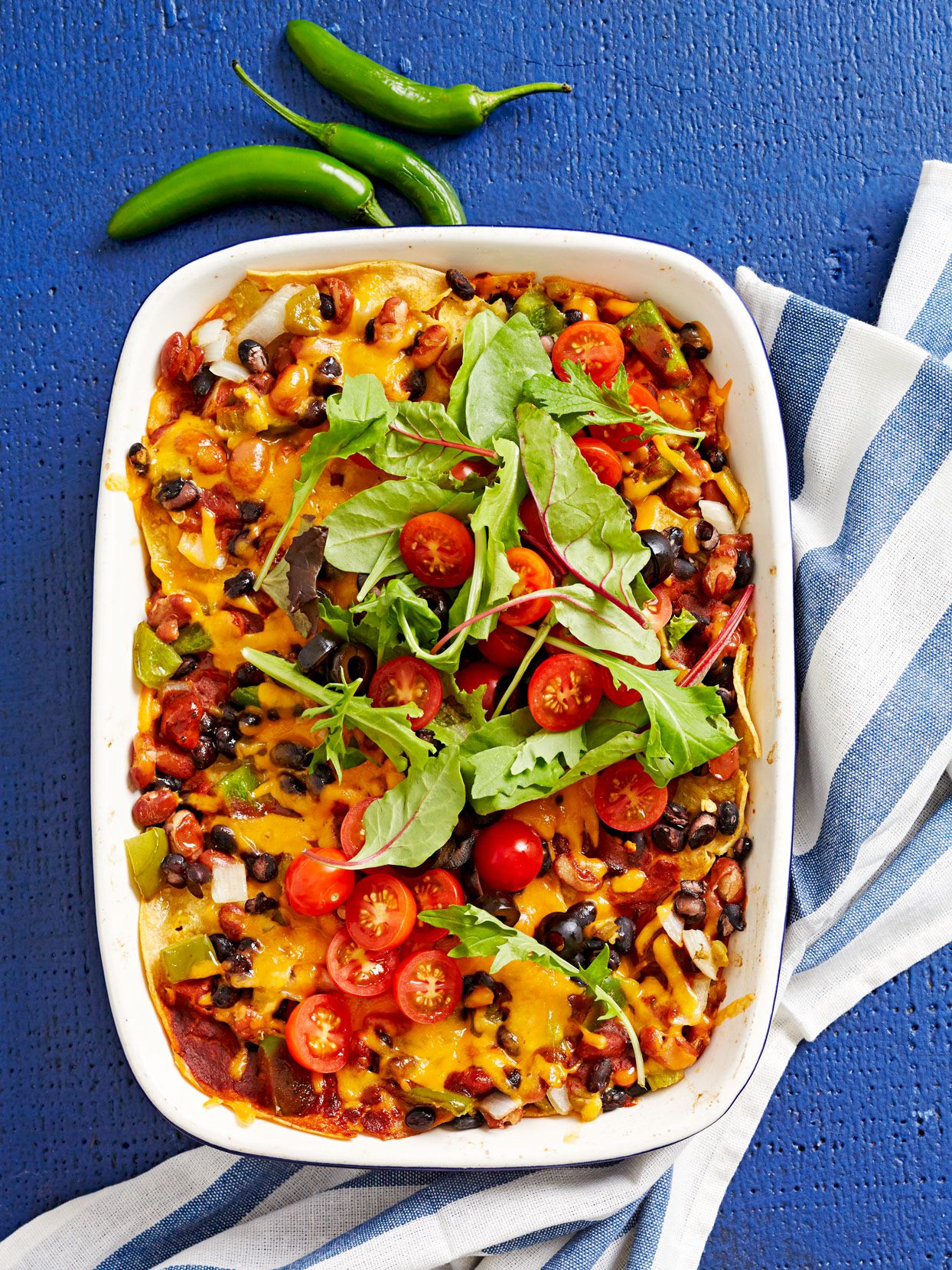
Comfort food has a bit of a reputation problem. The minute someone says “casserole,” people start picturing a bubbling dish loaded with cream, cheese, butter, and enough breadcrumbs to qualify as roofing material. But that old stereotype deserves a polite little update. A modern healthy casserole can be rich in flavor, packed with vegetables, satisfying enough for dinner, and still reasonably low in calories.
The trick is not to make casserole sad. Nobody wants a “healthy” dinner that tastes like a punishment. The goal is to keep the cozy baked-dinner magic while making smarter ingredient swaps: lean proteins, more vegetables, whole grains, lower-fat dairy, bold herbs, and sauces that don’t rely on a full dairy parade to get the job done.
In this guide, you’ll find 10 healthy casserole recipes low on calories that are practical, delicious, and weeknight-friendly. Some lean high-protein, some go heavy on vegetables, and some use clever swaps like cauliflower, Greek yogurt, or sweet potatoes to keep calories in check without sacrificing comfort. In other words, these casseroles still feel like casseroles. They just won’t leave you needing a nap and an apology.
What Makes a Casserole Healthy and Lower in Calories?
A good low-calorie casserole usually follows a few simple rules. First, it builds volume with vegetables instead of relying only on pasta, rice, or cheese. Second, it uses a lighter protein source such as chicken breast, turkey, beans, tuna, lentils, or eggs. Third, it adds creaminess with ingredients like Greek yogurt, blended cottage cheese, reduced-fat cheese, broth, or tomato sauce instead of a heavy cream base.
It also helps to watch toppings. A light sprinkle of Parmesan or a crisp whole-grain crumb topping can deliver plenty of flavor without turning dinner into a calorie bomb. And portion-friendly casseroles tend to be baked in a way that creates structure and satisfaction, so one square actually feels like a meal instead of a teaser trailer.
1. Chicken, Broccoli, and Brown Rice Bake
Why it works
This is the classic healthy casserole formula done right. Lean shredded chicken gives you protein, broccoli adds bulk and fiber, and brown rice keeps the dish hearty without tipping into “I need stretchy pants immediately” territory.
How to make it lighter
Use cooked chicken breast, steamed broccoli, cooked brown rice, low-sodium broth, garlic, onion, a spoonful of Dijon mustard, plain Greek yogurt, and a modest amount of sharp cheddar. Sharp cheese is a kitchen cheat code: you need less of it because it actually tastes like something.
The finished bake is creamy, savory, and family-friendly. It is also ideal for meal prep because it reheats beautifully and doesn’t lose its texture the next day.
2. Turkey Taco Cauliflower Casserole
Why it works
If taco night and a casserole dish had a very productive meeting, this would be the result. Lean ground turkey keeps the protein high, cauliflower rice cuts back on calories, and black beans make it filling enough that nobody will go hunting for chips 20 minutes later.
Flavor boosters
Use taco seasoning, diced tomatoes, onion, bell peppers, black beans, cauliflower rice, and a small handful of shredded Mexican-blend cheese. Top with sliced jalapeños, cilantro, or a dollop of plain Greek yogurt instead of sour cream.
This is a smart choice when you want a low-calorie casserole recipe that still tastes bold, cheesy, and a little festive.
3. Zucchini Lasagna Bake
Why it works
Traditional lasagna is delicious, but it can also be a heavyweight champion in the calorie department. Swapping pasta sheets for thin zucchini ribbons lightens things up while keeping the layered, saucy appeal that makes lasagna so lovable.
How to build it
Layer grilled or roasted zucchini strips with lean ground turkey or lentils, marinara sauce, spinach, part-skim mozzarella, and ricotta mixed with herbs. Let the zucchini release some water before assembling, or your casserole may become more soup than structure.
The result is fresh, satisfying, and perfect for anyone craving Italian comfort food without the usual carb avalanche.
4. Light Tuna Noodle Casserole with Peas and Mushrooms
Why it works
Yes, tuna noodle casserole can grow up and make better choices. This version ditches the ultra-heavy sauce and leans on mushrooms, peas, celery, onion, and a lighter creamy mixture for texture and flavor.
Healthier twist
Use whole-wheat egg noodles, tuna packed in water, sautéed mushrooms, peas, celery, garlic, a broth-thickened sauce, and a spoonful of Greek yogurt or reduced-fat cream cheese. Finish with a light breadcrumb topping for crunch.
This casserole is budget-friendly, pantry-friendly, and surprisingly elegant for something that includes tuna and nostalgia in equal measure.
5. Sweet Potato and Black Bean Enchilada Casserole
Why it works
This vegetarian casserole earns its place with flavor, color, and staying power. Sweet potatoes add natural sweetness and body, black beans bring protein and fiber, and enchilada sauce gives the whole dish a smoky, tangy backbone.
Best ingredients
Layer roasted sweet potato cubes, black beans, corn tortillas, enchilada sauce, onions, peppers, and a restrained amount of cheese. Add cumin, chili powder, and fresh lime to make everything pop.
It is one of the best healthy casserole recipes for meatless nights because it feels hearty instead of merely virtuous.
6. Spinach, Mushroom, and Egg White Breakfast Casserole
Why it works
Breakfast casseroles often go off the rails thanks to heavy sausage, extra cheese, and enough bread to open a bakery. This one keeps things lighter while still giving you a warm, filling start to the day.
How to keep it lean
Whisk eggs with extra egg whites, then fold in spinach, mushrooms, onion, bell pepper, and a little feta or reduced-fat cheddar. Bake until puffed and golden. Add roasted sweet potato cubes if you want more staying power without a huge calorie jump.
It slices cleanly, stores well, and makes weekday mornings feel suspiciously organized.
7. Greek Yogurt Chicken Enchilada Casserole
Why it works
This recipe gives you all the creamy, cheesy satisfaction of enchiladas without the restaurant-level richness. Greek yogurt adds tang and body, while shredded chicken keeps every serving protein-packed.
Simple formula
Mix shredded chicken with enchilada sauce, Greek yogurt, green chiles, onions, and chopped spinach. Layer with corn tortillas and top with a moderate amount of shredded cheese. Bake until bubbly and finish with cilantro and scallions.
It is comforting, a little spicy, and ideal for people who want casserole energy with a fresher finish.
8. Cauliflower Mac and Cheese Bake
Why it works
This casserole is for anyone who wants cheesy comfort without making pasta the star of the show. Cauliflower steps in as the base, adding volume while keeping calories lower than a traditional macaroni version.
How to get the texture right
Roast or steam cauliflower florets until just tender. Toss with a light cheese sauce made from low-fat milk, a small amount of cheddar, a little Parmesan, mustard, and black pepper. Top with whole-grain crumbs and bake until golden.
It is rich enough to feel indulgent, but not so heavy that dinner turns into a group yawn.
9. Lentil, Quinoa, and Roasted Vegetable Casserole
Why it works
This plant-forward casserole proves that healthy eating does not require blandness or sacrifice. Lentils and quinoa create a protein-and-fiber duo, while roasted zucchini, eggplant, tomatoes, and onions build deep flavor.
Why readers love it
It has great texture, reheats well, and works for lunch or dinner. Add a tomato-herb sauce, a little feta, and fresh parsley on top. You get the kind of baked dish that feels wholesome in the best way, not the smug way.
This is one of the strongest options if you want a vegetarian low-calorie casserole that still feels substantial.
10. Skinny Shepherd’s Pie with Sweet Potato Topping
Why it works
Shepherd’s pie is usually a comfort-food heavyweight, but a few smart changes can make it weeknight-friendly. Lean turkey or extra-lean beef works beautifully, and a mashed sweet potato topping brings flavor without requiring a lake of butter.
What to include
Cook the filling with onion, carrots, peas, garlic, tomato paste, herbs, and low-sodium broth. Spread mashed sweet potatoes on top and bake until lightly browned. If you want extra richness, add a dusting of Parmesan instead of a blanket of cheese.
The final dish tastes cozy, savory, and just a little sweet. Basically, it wears a sweater even when it doesn’t have to.
Smart Tips for Making Any Casserole Lower in Calories
1. Use vegetables as volume builders
Broccoli, spinach, mushrooms, cauliflower, zucchini, peppers, green beans, and tomatoes stretch a casserole without adding many calories. That means fuller plates and better portions.
2. Choose lean proteins
Chicken breast, turkey, tuna, eggs, beans, and lentils help create satisfying meals that do not depend on excess fat for flavor.
3. Be strategic with cheese
You do not need to banish cheese. You just need to use it like a supporting actor instead of the main character. Stronger cheeses such as Parmesan, feta, or sharp cheddar deliver more flavor in smaller amounts.
4. Skip the heavy canned soup trap
Many older casserole recipes lean heavily on condensed soups. Making a quick sauce with broth, milk, Greek yogurt, tomato sauce, or blended cottage cheese usually tastes fresher and gives you more control over sodium and calories.
5. Add herbs, spices, and acid
Lemon juice, vinegar, chili flakes, garlic, smoked paprika, cumin, oregano, basil, parsley, and thyme bring excitement without extra calories. Flavor is what keeps a healthy casserole from becoming a refrigerator obligation.
Common Mistakes That Make “Healthy” Casseroles Less Healthy
The first mistake is using too much cheese while telling yourself it is “protein.” Nice try. The second is making the base too dense with pasta, rice, or potatoes and not enough vegetables. The third is ignoring portion size. Even a lighter casserole can become a calorie monster if the serving size is roughly the dimensions of a throw pillow.
Another common issue is relying on sodium-heavy sauces, canned soups, and seasoning packets. Those ingredients are convenient, but they can turn a seemingly wholesome dish into a salt festival. Low-sodium broth, no-salt-added beans, tomato-based sauces, and homemade spice blends are often the better move.
Why Healthy Casseroles Work So Well for Busy Weeks
One of the biggest perks of a healthy casserole is efficiency. You can cook once and eat multiple times. That matters when life gets loud and your future self starts looking at takeout apps with suspicious affection. Casseroles also freeze well, travel well, and let you use ingredients that are already hanging out in the fridge waiting to be chosen.
They are also ideal for families because everyone can eat the same base meal while customizing toppings. Hot sauce for one person, extra herbs for another, avocado for someone feeling fancy. Dinner drama reduced. Kitchen victory achieved.
Experience: What I Learned From Making Low-Calorie Casseroles Regularly
One thing becomes obvious very quickly when you start making lighter casseroles on a regular basis: the difference between a “diet dish” and a genuinely good healthy dinner is usually texture and seasoning. The first few times people try to lighten casseroles, they tend to remove all the cheese, all the fat, and half the joy. That approach rarely ends well. The better strategy is to keep enough richness to make the food satisfying, then build the rest of the flavor with roasted vegetables, garlic, herbs, acidity, and smarter proteins.
In real life, the casseroles that get repeated are the ones that taste like actual dinner, not a compromise. A chicken and broccoli bake with a little sharp cheddar and Dijon feels complete. A sweet potato black bean enchilada casserole with smoky sauce and lime feels fun. A breakfast casserole with mushrooms, spinach, and feta feels like something you would happily eat even if calories were never mentioned at all. That matters, because sustainable healthy eating is usually less about perfection and more about whether you would willingly make the recipe again next Tuesday.
Another useful lesson is that lower-calorie casseroles are often better for leftovers than heavier ones. Traditional casseroles can feel great on the first night and oddly exhausting on the second. Lighter versions with vegetables, lean proteins, and balanced sauces tend to reheat more cleanly and sit better afterward. They feel like fuel with personality. That is a pretty nice category for dinner to live in.
There is also a strong practical advantage: these casseroles are excellent for using up ingredients that might otherwise go to waste. Half a bag of spinach, one lonely zucchini, leftover roasted chicken, a scoop of brown rice, a partial can of beans, a little cheese in the drawersuddenly that random collection becomes a meal. Healthy casseroles reward resourcefulness. They are the culinary equivalent of turning an overstuffed closet into a tidy shelf system.
And then there is the family factor. People often assume healthier casseroles will be a hard sell for kids or picky eaters, but that depends a lot on presentation. If the dish is colorful, cheesy enough to be inviting, and not aggressively “healthified,” it usually goes over much better than expected. Calling something “taco casserole” or “pizza-style zucchini bake” tends to generate more enthusiasm than announcing that dinner is a low-calorie cruciferous vegetable experience.
Over time, the biggest takeaway is simple: healthy casseroles work best when they are approached as comfort food with better habits, not comfort food in exile. Keep the warm baked edges. Keep the creamy middle. Keep the convenience. Just swap in more vegetables, better balance, and ingredients that help the dish feel lighter, brighter, and easier to fit into everyday life. That is how a casserole earns a permanent spot in the dinner rotation instead of a one-time appearance followed by polite silence.
Conclusion
If you have been searching for 10 healthy casserole recipes low on calories, the good news is that comfort food and smart nutrition can absolutely share a casserole dish. The best lighter casseroles use vegetables for bulk, lean proteins for staying power, and flavorful sauces that do more with less. From chicken and broccoli bakes to vegetarian enchilada layers and breakfast casseroles that actually make mornings easier, there is no shortage of ways to keep dinner cozy without overdoing the calories.
So go ahead and preheat the oven. Your casserole dish is about to become the most hardworking item in the kitchenand for once, it won’t need to be buried under a blanket of mystery cream sauce to prove its worth.