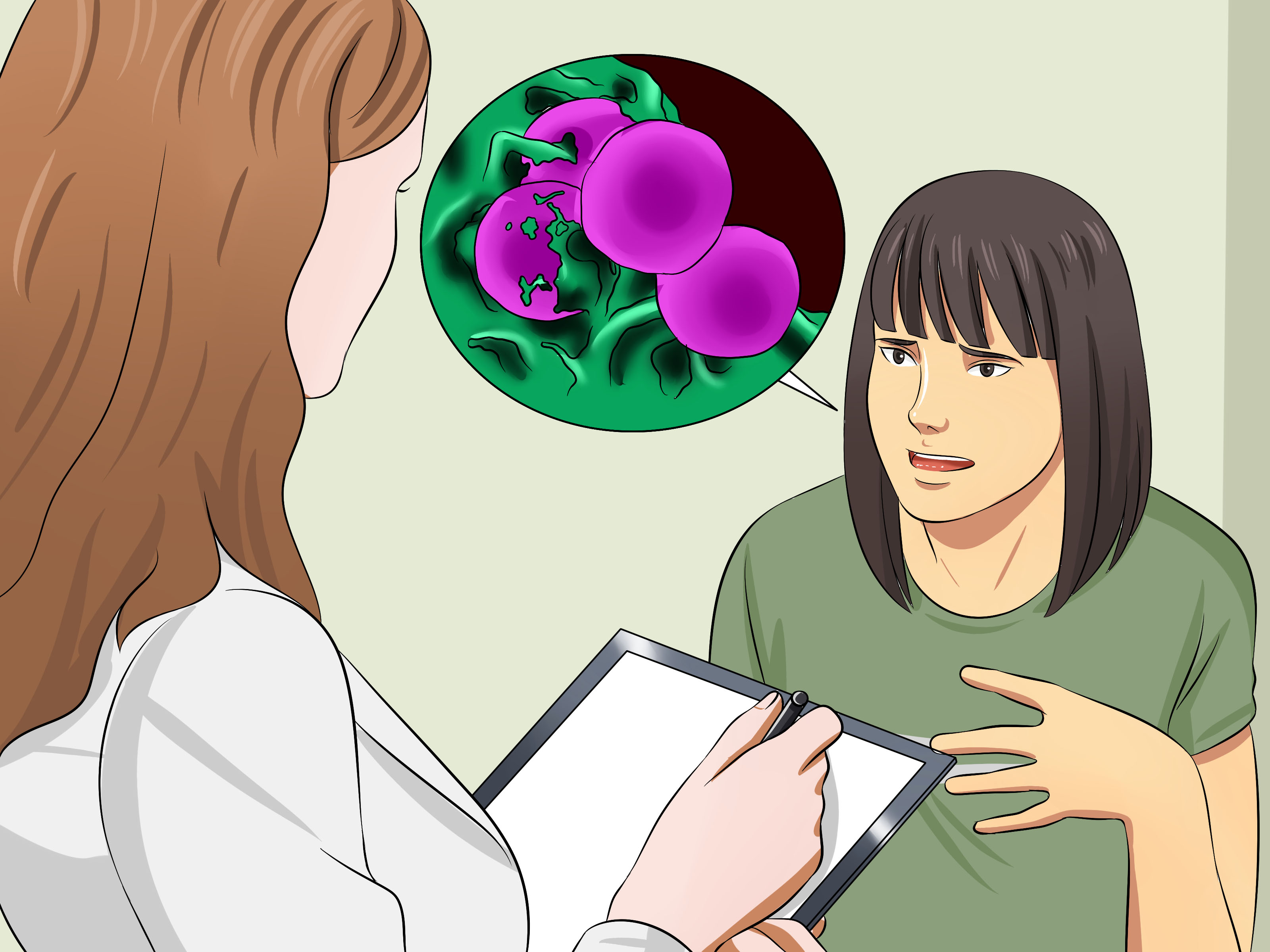
Boils are not exactly the kind of “glow-up” anyone asks for. One day your skin is minding its own business, and the next day there is a red, painful bump acting like it pays rent. A boil, also called a furuncle, is a skin infection that usually starts around a hair follicle or oil gland. It often becomes swollen, tender, and filled with pus. Most commonly, boils are linked to Staphylococcus aureus, a type of bacteria that can live on the skin or in the nose without causing troubleuntil it finds a tiny opening and decides to start a tiny skin drama.
The good news? You cannot prevent every boil, because skin is skin and bacteria are ambitious little freeloaders. But you can greatly lower your risk by keeping your skin clean, reducing friction, covering wounds, avoiding shared personal items, and paying attention to early warning signs. This guide breaks down six practical, science-backed ways to prevent boils without turning your bathroom into a hospital supply closet.
Important note: This article is for educational purposes only. If you have a boil that is very painful, keeps coming back, appears on your face or spine, causes fever, spreads quickly, or occurs while you have diabetes or a weakened immune system, contact a healthcare professional.
What Causes Boils?
Boils happen when bacteria enter the skin, often through a small cut, scrape, irritated hair follicle, ingrown hair, or area of friction. Once inside, the body sends immune cells to fight the infection. That battle can create pus, swelling, redness, warmth, and pain. In short: a boil is your immune system throwing a very intense neighborhood meeting under your skin.
Boils can appear almost anywhere, but they are especially common in areas where sweat, rubbing, and hair follicles meet. Think armpits, neck, face, thighs, groin, buttocks, and waistline. Tight clothing, shaving irritation, shared towels, athletic equipment, poor wound care, and close skin-to-skin contact can all increase the chance of bacteria spreading.
6 Ways to Prevent Boils
1. Keep Your Skin CleanEspecially After Sweating
Good hygiene is the first and most basic defense against boils. This does not mean scrubbing your skin like a dirty frying pan. In fact, aggressive scrubbing can irritate the skin and create tiny openings where bacteria can enter. The goal is steady, gentle cleanliness.
Wash your body regularly with soap and water, especially after exercise, yard work, hot weather, or anything that leaves you sweaty. Sweat itself does not “cause” boils, but warm, moist, high-friction areas can create a perfect little vacation resort for bacteria. Showering after workouts helps remove sweat, oil, and germs before they get too comfortable.
Pay extra attention to areas that rub together or stay damp: underarms, inner thighs, groin, buttocks, and skin folds. Dry the skin thoroughly afterward. Bacteria love moisture; your towel’s job is to be the bouncer.
For people who get boils often, a healthcare provider may recommend special antibacterial washes or other prevention steps. Do not start strong antiseptic routines on your own without guidance, because overdoing it can irritate your skin or disrupt its natural barrier.
2. Wash Your Hands Like They Actually Touch ThingsBecause They Do
Your hands are hardworking, multitasking, germ-collecting machines. They open doors, touch phones, scratch itches, prepare food, pet dogs, grab gym equipment, and occasionally betray you by touching your face before you even realize it. Regular handwashing is one of the simplest ways to reduce the spread of bacteria that may contribute to boils.
Wash your hands with soap and water for at least 20 seconds, especially before touching broken skin, after changing bandages, after using the bathroom, after exercise, and before preparing food. If soap and water are not available, an alcohol-based hand sanitizer can help.
Hand hygiene becomes even more important if someone in your household has a boil, staph infection, or draining wound. Avoid touching another person’s bandages or wound area unless you are helping with care, and wash your hands thoroughly afterward. If you are the one with a boil, wash your hands after touching the area or changing a dressing.
Here is a helpful rule: if your hand is about to meet a cut, scrape, razor bump, pimple, or suspicious red bump, wash first. Your skin will appreciate the manners.
3. Cover Cuts, Scrapes, and Irritated Skin
Boils often begin when bacteria slip into the skin through a tiny break. That break might be a visible cut, a shaving nick, an insect bite, a scratched rash, or a small area of chafing. You may not even notice it at first. Bacteria, unfortunately, are excellent at finding side doors.
Clean minor cuts and scrapes with soap and water, then cover them with a clean, dry bandage until they heal. Change the bandage if it gets wet, dirty, or loose. Keeping wounds covered protects them from bacteria and helps prevent germs from spreading to other people or surfaces.
If you already have a boil that opens and drains, keep it covered with sterile gauze or a clean bandage. Do not squeeze, poke, lance, or “help it along” with home surgery. That is how small infections can become bigger problems. Squeezing can push bacteria deeper into the skin or spread infection to nearby tissue.
If drainage soaks through a bandage, change it safely and throw the old dressing away in a sealed or closed bag. Wash your hands afterward. Laundry that touches the infected areatowels, sheets, clothing, washclothsshould be washed thoroughly.
4. Do Not Share Towels, Razors, Washcloths, or Clothing
Sharing is lovely when it comes to birthday cake. It is less charming when it comes to towels, razors, washcloths, underwear, sports gear, or anything that touches bare skin. These items can carry bacteria from one person’s skin to another, especially if they are damp, used after shaving, or exposed to pus from an infected area.
Use your own towel and washcloth. Do not borrow razors, even from someone you trust. A razor can create tiny cuts and also transfer bacteriaa truly terrible two-for-one deal. If you use gym towels, make sure they are freshly laundered. If you bring your own, wash it after use and let it dry completely.
Clothing can also matter. Tight or sweaty clothes may trap moisture and increase friction, both of which can irritate hair follicles. Change out of sweaty workout clothes as soon as possible. Wash exercise clothing, underwear, socks, and towels regularly. If someone in the home has a boil or staph infection, avoid mixing contaminated towels or clothing with shared clean items.
For athletes, this rule matters even more. Contact sports, shared mats, locker rooms, and equipment can increase the spread of bacteria. Use a barrier such as clothing or a towel on shared surfaces, clean equipment when appropriate, and report suspicious skin infections early.
5. Reduce Friction, Ingrown Hairs, and Shaving Irritation
Boils love irritated hair follicles. That means friction, shaving, tight clothing, and ingrown hairs can all raise the risk. If you regularly get bumps in areas you shavesuch as the face, neck, underarms, bikini area, or legsit may be time to rethink your shaving routine.
Start with clean skin and a clean razor. Shave in the direction of hair growth when possible, use shaving gel or cream, and avoid dragging a dull blade over the same area repeatedly. A dull razor does not shave so much as negotiate poorly with your skin.
Do not shave over active boils, irritated bumps, or open cuts. This can spread bacteria and make inflammation worse. If you frequently develop boils in shaved areas, consider trimming instead of shaving, using an electric razor, or asking a dermatologist about safer hair-removal options.
Clothing choices can help too. Wear breathable, well-fitting clothes that reduce rubbing. If your thighs, waistline, or underarms often chafe, consider moisture-wicking fabrics, anti-chafing balms, or looser clothing. After sweating, rinse off and change into dry clothes.
People with skin folds may need extra care to keep those areas clean and dry. This is not about blame or body shameit is simply skin physics. Warmth plus moisture plus friction can irritate follicles, and irritated follicles are easier targets for bacteria.
6. Support Your Skin Barrier and Know When to Get Medical Help
Healthy skin is not just decoration; it is armor. When your skin barrier is dry, cracked, inflamed, or scratched, bacteria have more opportunities to enter. Moisturize dry skin, treat itchy rashes promptly, and avoid picking at bumps, scabs, or ingrown hairs. Your fingernails are not dermatology tools, no matter how confident they seem.
If you have eczema, acne, hidradenitis suppurativa, diabetes, immune system problems, or frequent skin infections, talk with a healthcare provider about prevention. Recurrent boils may require a closer look. Sometimes doctors test drainage to identify the bacteria, recommend prescription treatment, or discuss decolonization strategies for recurring staph infections. These steps should be personalized, not guessed from the internet at midnight.
Seek medical care if a boil is larger than usual, extremely painful, spreading, located on the face or spine, associated with fever, or not improving. Also get care if you see red streaks, feel very ill, or have multiple boils at once. A cluster of connected boils is called a carbuncle and may need medical treatment.
Remember: preventing boils is not about having “perfect” hygiene. Boils can happen to clean people, active people, careful people, and people who own more skincare products than a small boutique. Prevention is about stacking the odds in your favor.
Extra Tips for Households, Gyms, and Shared Spaces
At Home
If someone in your home has a boil, avoid sharing towels, bedding, razors, and clothing until the infection has healed. Wash laundry that touches the infected area. Keep wounds covered, clean commonly touched surfaces, and encourage everyone to wash hands regularly. You do not need to panic-clean the ceiling, but door handles, bathroom counters, and shared gym bags deserve attention.
At the Gym
Use a towel or clothing barrier on shared benches and mats. Wipe down equipment before and after use when cleaning supplies are available. Shower after workouts and change into dry clothing. Do not use public pools, hot tubs, or shared athletic spaces if you have a draining, uncovered skin infection.
During Travel
Pack a small skin-care kit with bandages, hand sanitizer, gentle soap, and a clean towel if needed. Travel can mean sweating, shared surfaces, and laundry delays. A little preparation can prevent your suitcase from becoming a mobile bacteria hotel.
Common Mistakes That Can Increase Boil Risk
Picking at Skin
Picking at pimples, scabs, bug bites, or ingrown hairs can create openings for bacteria. If your hands wander toward a bump, give them a new job: apply a warm compress, wash gently, or leave the area alone.
Reusing Damp Towels
A damp towel sitting in a pile is basically a spa retreat for microbes. Hang towels so they dry fully, wash them regularly, and avoid sharing them.
Ignoring Recurrent Boils
One boil may be a random event. Repeated boils deserve medical attention. A healthcare provider can check for risk factors, recommend treatment, and help prevent future outbreaks.
Trying DIY Drainage
Never cut, squeeze, or puncture a boil at home. It may feel satisfying for two seconds and then become a much bigger problem. Warm compresses and medical care are safer choices.
When a Boil Appears Anyway
Even with great prevention, a boil can still show up like an uninvited guest with luggage. If it is small and you feel well, warm compresses may help it come to a head and drain naturally. Apply a clean, warm, moist cloth for about 10 to 15 minutes several times a day. Keep the area clean and covered if it opens.
Do not squeeze it. Do not stab it. Do not invite your most dramatic friend to “take a look.” If the boil worsens, becomes very painful, causes fever, grows quickly, or is in a risky location, get medical advice.
Personal Experience: What Boil Prevention Looks Like in Real Life
Preventing boils often comes down to ordinary habits that are so simple they are easy to ignore. Think of it like brushing your teeth. Nobody expects applause for doing it, but skip it long enough and your body may send a strongly worded complaint.
One of the most useful real-life habits is changing out of sweaty clothes quickly. Many people finish a workout, run errands, answer messages, drive home, make a snack, and only then shower. By that point, tight leggings, compression shorts, sports bras, or damp T-shirts have been sitting against warm skin for a long time. For boil-prone skin, that can be a problem. A practical fix is to pack a clean shirt, underwear, and small towel. Even if you cannot shower immediately, changing into dry clothes can reduce friction and moisture.
Another everyday lesson: shaving deserves respect. People often rush through shaving with an old razor, skip shaving cream, and then wonder why the skin looks angry. If boils or follicle infections tend to appear after shaving, the routine may need an upgrade. Use a fresh blade, soften the hair first, shave gently, and avoid going over the same spot again and again. If one area keeps flaring, trimming may be better than shaving. Smooth skin is nice; infected skin is not worth the trade.
Laundry habits matter too. Towels should dry fully between uses, and workout clothing should not live in a gym bag until it develops its own personality. Wash towels, washcloths, underwear, and exercise gear regularly. If someone in the household has a boil, separate personal items and be more careful with shared surfaces. This is not about treating your family like biohazards. It is about giving bacteria fewer chances to move around.
People who get recurrent boils often learn to watch for early irritation. A tender bump in a high-friction area is a signal to pause shaving, reduce rubbing, wear loose clothing, and keep the skin clean. Early attention can sometimes prevent a small irritation from becoming a larger infection. It also helps to stop picking. Many skin problems get worse because fingers keep “checking” them every ten minutes. The skin does not need that level of project management.
Finally, the biggest experience-based tip is to know when home care is no longer enough. A small bump may be manageable with gentle care, but repeated boils, fever, spreading redness, severe pain, or boils in sensitive areas should be evaluated. Prevention is powerful, but medical care is not failure. It is simply calling in backup before the skin drama gets a sequel.
Conclusion
Boils are common, uncomfortable, and occasionally very stubborn, but they are not inevitable. The best boil prevention plan is practical: keep your skin clean, wash your hands, cover wounds, avoid sharing personal items, reduce shaving irritation and friction, and support your skin barrier. These habits may not sound glamorous, but neither does explaining to a boil that it has overstayed its welcome.
If boils keep coming back, do not just keep treating them one by one. Recurrent boils can be a sign that bacteria are spreading within a household, that skin irritation is ongoing, or that an underlying health factor needs attention. A healthcare provider can help identify the cause and recommend a prevention plan that fits your life.
In the end, preventing boils is not about fear. It is about smart skin care, clean habits, and knowing when to ask for help. Your skin works hard every day. Give it backup, give it breathing room, and pleaseretire that ancient razor.