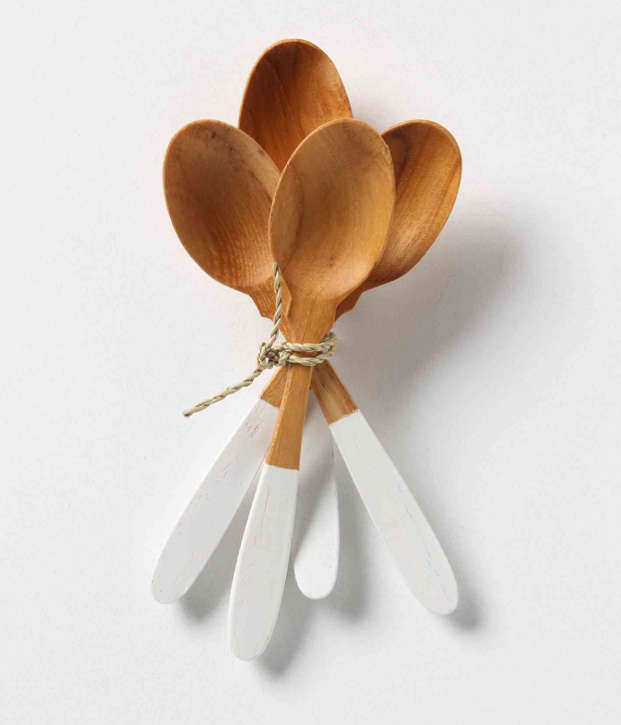
A two-toned wood spoon set is the kind of kitchen upgrade that quietly steals the show. It does not blink, beep, connect to Wi-Fi, or ask you to download an app. It simply sits in your utensil crock looking warm, useful, and suspiciously more stylish than everything around it. Then, when dinner starts, it gets to work stirring soup, tossing salad, serving rice, scraping the bottom of a pan, and making you feel like your kitchen has finally become the cozy, well-edited space you always imagined.
The beauty of a two-toned wooden spoon set is that it blends everyday function with decorative charm. The contrast may come from two natural wood colors, a stained handle and natural bowl, painted accents, or a pairing of different hardwoods. That visual detail turns a basic cooking tool into something gift-worthy, countertop-friendly, and practical enough for daily use. In other words, it is not just a spoon set; it is kitchen personality with a handle.
Whether you are building a first-apartment kitchen, refreshing your cooking tools, or looking for a tasteful housewarming gift, a two-toned wood spoon set offers a smart mix of durability, comfort, and design. Let’s dig into what makes these utensils special, how to choose a quality set, how to use them well, and how to keep them looking handsome for years.
What Is a Two-Toned Wood Spoon Set?
A two-toned wood spoon set usually includes multiple wooden utensils with contrasting colors or finishes. Some sets feature a darker wood handle and a lighter spoon bowl. Others use natural grain variation from woods such as acacia, teak, walnut, olive wood, mango wood, beech, cherry, or maple. You may also find sets with painted, dipped, or stained handles that add a modern farmhouse, coastal, rustic, or minimalist look.
The set may include standard mixing spoons, slotted spoons, flat-edged spoons, salad servers, rice paddles, spatula-style spoons, and small condiment spoons. The best sets are not only pretty; they are shaped for real cooking. A shallow spoon is great for stirring sauces, a deep bowl helps with serving, a flat edge scrapes fond from the pan, and a long handle keeps your knuckles away from bubbling tomato sauce. Your knuckles will send a thank-you note.
Why Wooden Spoons Still Belong in Modern Kitchens
Kitchen trends come and go, but wooden spoons have stayed because they solve several everyday cooking problems beautifully. Unlike metal utensils, wood is gentle on nonstick, ceramic, enameled cast iron, and stainless-steel cookware. Unlike some plastic tools, wood will not melt into a sad little spatula puddle when left near heat. Wooden spoons also do not conduct heat the way metal does, so the handle stays more comfortable during long stirring sessions.
Wooden utensils are also pleasantly quiet. If you have ever scraped a metal spoon against a pan at 6:30 a.m., you know that sound can wake the neighbors, the dog, and possibly your ancestors. Wood offers a softer cooking experience. It feels warm in the hand, looks inviting on the counter, and has a natural texture that synthetic tools often cannot match.
The Style Appeal of Two-Toned Wooden Utensils
A regular wooden spoon is useful. A two-toned wooden spoon is useful and photogenic. The contrasting tones add depth and visual interest, making the set attractive enough to display in a ceramic crock, glass jar, or open kitchen shelf. For home cooks who like a coordinated kitchen, two-toned utensils can tie together wood cutting boards, butcher-block counters, brass hardware, stoneware dishes, or white cabinets.
They also make excellent gifts because they feel personal without being risky. You do not need to know someone’s exact shoe size, favorite perfume, or complicated coffee order. A handsome wood spoon set works for newlyweds, college students, new homeowners, enthusiastic bakers, meal-prep fans, and that one friend who keeps saying, “I’m going to cook more this year.” We support the optimism.
Best Woods for a Two-Toned Wood Spoon Set
Acacia Wood
Acacia is popular because it has dramatic grain patterns, warm color variation, and good density. It can naturally create a two-toned look, with golden, amber, and darker brown streaks running through the same piece. Acacia spoons are often used for serving and cooking because they feel sturdy without looking heavy.
Teak Wood
Teak is valued for its durability and natural oils, which help it resist moisture better than many softer woods. It is often used in high-quality kitchen utensils and cutting boards. Teak typically has a rich golden-brown tone that pairs well with darker or lighter handle accents.
Walnut Wood
Walnut brings a deeper, more elegant look. A walnut spoon with a lighter accent can feel refined and modern, especially in kitchens with black, cream, brass, or marble details. Walnut utensils are also beautiful enough to use as serving pieces for dinner parties.
Maple, Cherry, and Beech
Maple, cherry, and beech are classic hardwoods for kitchen utensils. Maple is pale and clean-looking, cherry darkens beautifully with use, and beech is smooth and practical. These woods are often used in durable, single-piece spoon designs that can handle everyday stirring, folding, and serving.
Mango Wood
Mango wood is known for its attractive grain and warm color shifts. It is frequently used in decorative serving spoons and tabletop pieces. When properly finished and cared for, mango wood utensils can be both functional and display-worthy.
How to Choose a High-Quality Two-Toned Wood Spoon Set
Not all wooden spoon sets are created equal. Some are smooth, balanced, and ready for years of soup duty. Others feel rough enough to exfoliate a carrot. When shopping, look for these key features.
Choose Solid Wood Construction
A good spoon should feel sturdy and seamless. Single-piece construction is often preferable because there are fewer joints where food, water, or stress can cause problems. If the two-toned look comes from a painted or dipped handle, make sure the finish is food-safe and placed away from the spoon bowl if the utensil is meant for cooking.
Look for a Smooth Finish
Run your fingers along the handle and bowl if you are shopping in person. The surface should feel smooth, not splintery. A quality finish helps the spoon glide through food, wash more easily, and feel comfortable during use.
Check the Spoon Shape
A rounded spoon is ideal for stirring soups, sauces, oatmeal, and batters. A flat-edged spoon is better for scraping the bottom of a skillet or sauté pan. A slotted spoon drains liquids when serving vegetables, pasta, or dumplings. A good set gives you a mix of shapes instead of six nearly identical spoons having an identity crisis.
Consider Handle Length
Longer handles are helpful for deep pots, simmering sauces, and hot pans. Shorter handles are easier for serving at the table or scooping from small bowls. If you cook often, a set with several handle lengths gives you more flexibility.
Think About Storage
If your utensil drawer is already packed like a suitcase before a two-week vacation, consider whether the set fits your space. Many two-toned wood spoon sets look best displayed upright in a crock, where the contrast can become part of your kitchen decor.
Cooking Uses for a Two-Toned Wood Spoon Set
A two-toned wood spoon set can handle a surprising number of kitchen tasks. Use a broad spoon for folding muffin batter, stirring chili, mixing pancake batter, or tossing roasted vegetables with oil and spices. Use a flat-edged spoon to scrape browned bits from a pan when making gravy, pan sauce, or risotto. Use a slotted spoon for lifting vegetables from broth or serving saucy dishes without flooding the plate.
Wooden spoons are especially useful for nonstick cookware because they are gentle and less likely to scratch delicate surfaces. They also work well with cast iron and Dutch ovens, where a strong utensil is needed for thick stews, braises, and sauces. For baking, a sturdy wooden spoon can mix cookie dough, banana bread batter, and fillings without flexing too much.
For serving, two-toned wood spoons shine. They look natural with salad bowls, charcuterie boards, pasta dishes, grain bowls, and family-style sides. A matching set on the table makes even a Tuesday-night rice bowl feel a little more intentional.
How to Care for Wooden Spoons Properly
Wooden spoons are durable, but they are not invincible. Treat them well and they may become long-term kitchen companions. Treat them badly and they may crack, warp, or develop rough patches. Fortunately, care is simple.
Hand-Wash After Use
Wash wooden spoons with warm water, mild dish soap, and a soft sponge or gentle brush. Remove food residue promptly, rinse well, and avoid harsh detergents when possible. Hand-washing protects the natural wood fibers and helps maintain the finish.
Dry Thoroughly
After washing, dry the spoon with a clean towel and allow it to air-dry completely before storing. Moisture trapped in a drawer can encourage unpleasant odors and shorten the life of the utensil. A spoon standing upright in a crock dries more efficiently than one buried in a drawer under measuring cups and mystery twist ties.
Avoid the Dishwasher
The dishwasher is the enemy of wooden utensils. High heat, long water exposure, and strong detergent can dry out the wood, strip oils, and lead to cracks or warping. If your wooden spoon could talk, it would probably say, “Please do not send me into the steamy appliance cave.”
Do Not Soak for Long Periods
A quick wash is fine. A long soak is not. Wood absorbs water, and extended soaking can cause swelling, roughness, and splitting. If food is stuck on the spoon, loosen it with warm water and gentle scrubbing instead of abandoning it in the sink overnight.
Condition When the Wood Looks Dry
When wooden spoons start to look pale, fuzzy, or dry, rub them with a small amount of food-grade mineral oil or a food-safe wood conditioner. Let the oil absorb, then wipe away the excess. This helps restore the surface, reduce cracking, and keep the grain looking rich.
Cleaning Odors and Stains
Wood can absorb strong smells from garlic, onions, curry, tomato sauce, and other bold ingredients. That does not mean your spoon is ruined. For light odors, wash promptly and air-dry completely. For stubborn smells, rub the spoon with a paste of baking soda and water, then rinse and dry. Lemon and coarse salt can also help freshen the surface, especially after preparing aromatic foods.
Some staining is normal, especially if you cook with turmeric, tomato, paprika, or deeply colored sauces. Over time, wooden spoons develop character. A little color change is not a flaw; it is proof that the spoon has been invited to dinner many times.
Are Two-Toned Wood Spoons Safe for Food?
Wooden spoons are generally safe for everyday cooking when they are properly made, cleaned, and maintained. Choose utensils from reputable brands that use food-safe finishes. Avoid spoons with peeling paint, cracked bowls, loose glued parts, or rough surfaces that are difficult to clean. If a utensil develops deep cracks, splinters, mold, or persistent unpleasant odors, it is time to retire it gracefully.
For food safety, wash utensils after each use, avoid cross-contamination, and do not use damaged tools. If you use a wooden spoon with raw meat mixtures, wash it thoroughly right away. Many cooks prefer keeping separate utensils for raw and ready-to-eat foods, which is a simple way to reduce risk in a busy kitchen.
Decorating With a Two-Toned Wood Spoon Set
One of the best things about a two-toned wood spoon set is that it doubles as decor. Place the spoons in a white ceramic crock for a clean farmhouse look. Use a dark stoneware vessel for a moody modern kitchen. Pair them with linen towels, a wood cutting board, a marble utensil holder, or a brass rail for a warm, layered countertop display.
If your kitchen has open shelving, two-toned utensils can soften hard surfaces like tile, metal, and stone. They add natural texture without cluttering the room. In small kitchens, functional decor is a win because every object has to earn its rent.
Gift Ideas Featuring a Two-Toned Wood Spoon Set
A two-toned wood spoon set is easy to turn into a thoughtful gift. For a housewarming present, pair it with a bottle of good olive oil, a jar of flaky salt, and a simple recipe card. For a bridal shower, combine the spoons with a mixing bowl, kitchen towel, and measuring cups. For a holiday gift, add cocoa mix, pancake mix, or a homemade cookie recipe.
You can also create a “first kitchen” bundle with a spoon set, cutting board, silicone spatula, chef’s knife, and dish soap. It is practical, attractive, and far more useful than another decorative mug that says “But first, coffee.” We all have enough mugs. The cabinet is begging for mercy.
Two-Toned Wood Spoon Set vs. Silicone, Metal, and Plastic Utensils
Silicone utensils are flexible, colorful, and often dishwasher-safe. Metal utensils are strong and precise, especially for grilling or working with stainless steel. Plastic utensils are inexpensive, but they may stain, warp, or wear quickly. Wooden spoons sit in the sweet spot: strong enough for many cooking tasks, gentle enough for cookware, naturally beautiful, and comfortable to hold.
The main trade-off is maintenance. Wood requires hand-washing and occasional conditioning. But for many cooks, that small amount of care is worth it. A well-made wooden spoon feels better with age, while many cheaper synthetic tools look tired after heavy use.
Common Mistakes to Avoid
Using One Spoon for Everything
Wooden spoons are versatile, but a set exists for a reason. Use the right shape for the task. A deep spoon serves stew better than a flat paddle, while a flat-edged spoon scrapes pans better than a rounded mixing spoon.
Leaving Spoons in Hot Pans
Wood handles heat well, but that does not mean it should sit in a hot skillet for half an hour. Prolonged heat can dry the wood and affect the finish. Rest the spoon on a spoon rest between stirs.
Ignoring Rough Spots
If a spoon becomes fuzzy or rough, lightly buff it with fine sandpaper and condition it with food-safe oil. This small refresh can make an old utensil feel new again.
Buying for Looks Only
A beautiful spoon that is uncomfortable to hold will eventually become decor, not a tool. Choose a set that offers both good design and good ergonomics.
Personal Experience: Living With a Two-Toned Wood Spoon Set
The first thing I noticed about using a two-toned wood spoon set was not the cooking performance. It was the way the spoons made the kitchen feel more finished. Before that, my utensil crock was a chaotic little forest of mismatched tools: a metal whisk, one tired plastic spatula, a random ladle, and a wooden spoon that looked as if it had survived three historic events. Adding a coordinated two-toned set instantly made the counter look intentional.
But the real test came during weeknight cooking. A rounded spoon became the default tool for stirring oatmeal, tomato sauce, and soup. The handle felt warmer and more comfortable than metal, especially when I was standing at the stove pretending I had planned dinner instead of improvising around whatever was in the fridge. The spoon bowl moved smoothly through sauces and did not scrape loudly against the pot. That may sound minor, but quiet cooking has a calming effect, especially after a long day.
The flat-edged spoon quickly became the most useful piece in the set. It worked beautifully for sautéed onions, scrambled eggs, ground beef, mushrooms, and pan sauces. The edge could nudge browned bits from the bottom of a skillet without scratching the surface. It was not as thin as a metal spatula, of course, but it had enough strength to move food confidently. For risotto, it was excellent because it stirred and scraped at the same time. That is multitasking I can respect.
The two-toned finish also made serving more enjoyable. When friends came over, I used the spoons with a big salad bowl and a platter of roasted vegetables. The utensils looked polished enough for the table without feeling formal. There is something inviting about wood at the dinner table. It makes food look warmer, more relaxed, and more homemade, even if the appetizer came from the grocery store and was transferred to a plate with great confidence.
Maintenance became part of the routine. After cooking, I washed the spoons by hand, dried them with a towel, and left them standing upright to finish drying. It took less than a minute. Every few weeks, when the wood looked a little dull, I rubbed on a light coat of food-grade mineral oil. The darker tones became richer, the lighter grain looked smoother, and the whole set seemed refreshed. It felt less like a chore and more like caring for a favorite cutting board.
One lesson became clear: wooden spoons reward basic respect. Do not soak them. Do not put them in the dishwasher. Do not leave them buried under wet dishes. Follow those rules and they remain attractive, useful, and ready for the next pot of chili. Ignore those rules and they become dry, cracked, and emotionally unavailable.
After months of use, the set developed small signs of real cooking: slight color deepening, a few gentle marks, and a smoother feel in the hand. Instead of looking worn out, the spoons looked broken in. That is the charm of good wooden utensils. They age with the kitchen. They become part of the rhythm: stir, taste, adjust, serve, repeat.
Conclusion
A two-toned wood spoon set is a small kitchen purchase with a surprisingly big impact. It adds natural beauty to the countertop, protects cookware, feels comfortable in the hand, and handles everyday cooking tasks with ease. The two-tone design gives it extra visual appeal, making it just as useful for serving as it is for stirring.
The best set is made from durable hardwood, shaped for practical cooking, finished smoothly, and cared for properly. Hand-wash it, dry it well, condition it when needed, and keep it out of the dishwasher. Do that, and your wooden spoons can become the kind of kitchen tools you reach for automaticallynot because they are trendy, but because they simply work.
In a world of complicated gadgets, the two-toned wood spoon set proves that simple tools can still be the most satisfying. It is beautiful, practical, giftable, and quietly reliable. Not bad for something whose main job is stirring soup.