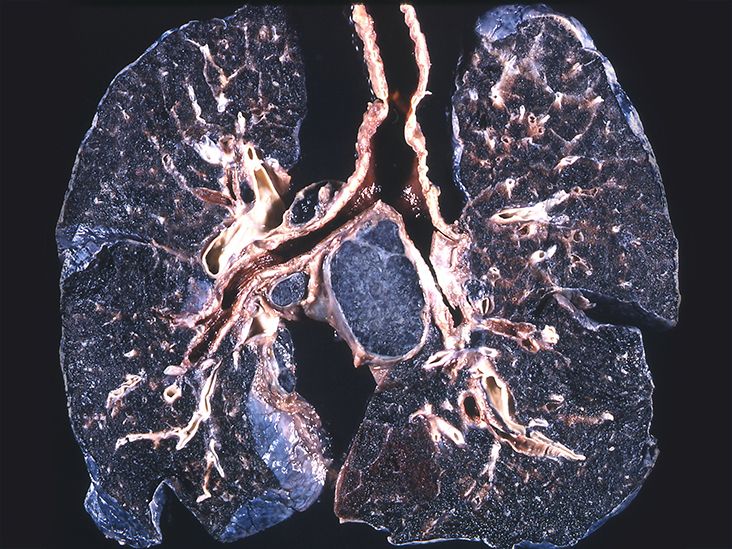
Black lung sounds like something from an old coal-town ghost story, but it is very real, very serious, and still affecting workers today. The medical name is coal workers’ pneumoconiosis, often shortened to CWP. It happens when a person breathes in coal mine dust over time, and the lungs respond by becoming irritated, inflamed, and scarred. In plain English: the lungs try to clean up a mess they were never designed to handle, and eventually the cleanup crew gets overwhelmed.
Although black lung is most closely linked with coal miners, the broader family of dust-related lung diseases can affect people exposed to mineral dusts, including silica. Black lung is not contagious, not inherited, and not caused by “weak lungs.” It is an occupational disease tied to repeated exposure to respirable coal mine dust. That dust is tiny enough to travel deep into the lungs, where it can cause permanent damage.
The tricky part? Black lung can develop slowly. A person may work for years before noticing symptoms. Some people have early black lung and feel fine. Others develop coughing, shortness of breath, chest tightness, fatigue, and difficulty doing everyday activities. In advanced cases, black lung can become disabling and even life-threatening.
What Is Black Lung Disease?
Black lung disease is a chronic lung condition caused by inhaling coal mine dust. Once that dust reaches the tiny airways and air sacs, the body reacts with inflammation. Over time, scar tissue can form. Scarred lung tissue does not stretch or exchange oxygen as well as healthy lung tissue, which is why breathing can become harder as the disease progresses.
The term “black lung” comes from the dark appearance of lungs affected by coal dust. But the disease is not just about color. It is about function. Healthy lungs are flexible, efficient, and surprisingly elegant. Black lung makes them stiffer, less efficient, and more prone to breathing problems.
Simple Black Lung vs. Complicated Black Lung
Doctors often describe black lung in two broad categories:
Simple coal workers’ pneumoconiosis is an earlier form. Small areas of scarring or dust deposits may appear in the lungs, often visible on a chest X-ray or CT scan. Some people with simple black lung have few or no symptoms.
Complicated coal workers’ pneumoconiosis, also called progressive massive fibrosis or PMF, is more severe. Larger masses of scar tissue form in the lungs. This can greatly reduce lung function, cause serious shortness of breath, and increase the risk of respiratory failure.
One of the most important facts to understand is that black lung can progress even after a person stops working around coal dust. Leaving exposure behind is still essential, but lung damage may continue to evolve, which is why screening and follow-up care matter so much.
What Causes Black Lung?
Black lung is caused by breathing in respirable coal mine dust. “Respirable” means the particles are small enough to be inhaled deeply into the lungs. Coal mine dust can include coal, crystalline silica, and other minerals. Silica exposure is especially concerning because it can cause aggressive lung scarring.
Risk increases with the amount and length of exposure. A miner who works underground for many years in dusty conditions has a higher risk than someone with limited exposure. However, risk is not only about time. The type of mining, ventilation quality, dust controls, job tasks, and whether a worker is cutting through rock with high silica content can all matter.
Jobs and Situations That May Increase Risk
Black lung is most often associated with coal mining, especially underground mining. Workers may face higher exposure if they operate cutting machines, drill into rock, work near conveyor belts, load coal, or spend long hours in poorly controlled dust environments.
Retired miners are also an important group. A person may leave mining behind but carry the effects of dust exposure into later life. That is why a long-ago work history is still medically relevant. If your lungs could talk, they would absolutely bring receipts.
Common Symptoms of Black Lung
Black lung symptoms can be mild at first. Some people notice only a nagging cough or a little breathlessness on hills or stairs. Others may not notice anything until the disease has already advanced. This slow start is one reason routine screening is so valuable for coal miners.
Early Symptoms
Early symptoms may include:
- Persistent cough
- Shortness of breath during activity
- Chest tightness
- Mild wheezing
- Unusual fatigue after physical work
These symptoms can be easy to dismiss. Many people blame age, smoking, allergies, weather, or being “out of shape.” Sometimes those factors do play a role. But if someone has a history of coal mine dust exposure, breathing changes deserve medical attention.
Advanced Symptoms
As black lung progresses, symptoms may become more serious:
- Shortness of breath even at rest
- Frequent coughing
- Coughing up dark or black mucus
- Low oxygen levels
- Swelling in the legs or feet from strain on the heart
- Repeated respiratory infections
- Difficulty walking, climbing stairs, or working
Advanced black lung can limit daily life in frustrating ways. Carrying groceries, mowing the lawn, walking across a parking lot, or playing with grandchildren may become difficult. Breathing is one of those things nobody appreciates enough until it starts acting like a subscription service with bad customer support.
When Should You Seek Medical Help?
Anyone with a history of coal mine dust exposure should talk with a healthcare professional if they develop a persistent cough, shortness of breath, chest tightness, wheezing, or reduced exercise tolerance. Do not wait until symptoms feel dramatic. Lung disease is easier to manage when it is found early.
Make an Appointment Soon If You Notice:
- A cough that lasts for weeks
- Breathlessness that is new or getting worse
- Chest tightness during activity
- Black, gray, or unusual mucus
- More frequent bronchitis or lung infections
- Fatigue that seems tied to breathing problems
If you are a current or former coal miner, be direct with your clinician. Say, “I worked around coal mine dust,” and explain how long, where, and what type of work you did. This information can change which tests your healthcare provider orders.
Seek Emergency Care If You Have:
- Severe shortness of breath
- Chest pain or pressure
- Bluish lips or fingertips
- Confusion, fainting, or extreme weakness
- Coughing up blood
- Oxygen levels that are dangerously low, if you monitor them at home
These symptoms can signal a serious lung or heart problem. They should not be handled with a “let’s see how it goes” approach. Your lungs are not a mystery novel; the cliffhanger is not helpful.
How Is Black Lung Diagnosed?
Black lung diagnosis usually starts with a work history and symptom review. A healthcare provider may ask whether you worked underground or above ground, how many years you were exposed, what tasks you performed, whether dust controls were used, and whether you smoked or had other lung conditions.
Common Tests for Black Lung
Chest X-ray: A chest X-ray can show patterns of lung scarring that suggest coal workers’ pneumoconiosis. Specially trained readers may classify X-rays for occupational lung disease.
Chest CT scan: A CT scan provides more detailed images and may help detect complicated disease or other lung problems.
Spirometry: This breathing test measures how much air you can blow out and how quickly. It helps evaluate lung function.
Oxygen testing: Pulse oximetry or other tests may show whether enough oxygen is getting into the blood.
Medical evaluation: Your clinician may also look for related conditions, such as chronic obstructive pulmonary disease, asthma, heart strain, or infections.
Diagnosis is not based on one cough or one scan alone. It is the combination of exposure history, imaging, symptoms, and lung function that helps doctors understand what is happening.
Can Black Lung Be Cured?
There is currently no treatment that reverses lung scarring caused by black lung. That sounds discouraging, but it does not mean nothing can be done. Treatment focuses on slowing progression, reducing symptoms, improving quality of life, preventing complications, and protecting remaining lung function.
Treatment and Management Options
Avoiding further dust exposure is one of the most important steps. Continued exposure can worsen lung damage. Workers diagnosed with black lung may need job changes, improved protection, or relocation to less dusty areas.
Smoking cessation is crucial for anyone who smokes. Smoking does not cause black lung, but it can make breathing problems much worse. Quitting helps protect lung function and lowers the risk of other diseases.
Medications may help manage symptoms. Bronchodilators can open airways, inhaled medications may reduce inflammation in some cases, and treatment for infections may be needed when they occur.
Pulmonary rehabilitation can be very helpful. This is a supervised program that combines exercise training, breathing techniques, education, and support. It teaches people how to move more efficiently, conserve energy, and manage breathlessness.
Oxygen therapy may be prescribed if blood oxygen levels are low. Oxygen is not a sign of failure; it is a tool. Think of it as a backup generator for your body’s power plant.
Lung transplant may be considered in very severe cases, although it is not an option for everyone and involves careful evaluation.
How to Prevent Black Lung
Black lung is considered preventable because it comes from dust exposure. Prevention depends on controlling dust at the source, monitoring exposure, using effective ventilation, following safety standards, and ensuring miners receive health screenings.
Workplace Prevention Strategies
- Controlling coal mine dust and silica dust levels
- Using proper ventilation systems
- Applying water sprays and dust suppression methods
- Maintaining equipment that reduces dust release
- Monitoring air quality and exposure levels
- Using respiratory protection when needed
- Training workers to recognize unsafe dust conditions
Personal protective equipment can help, but it should not be the only defense. The best strategy is to reduce dust before workers breathe it in. A respirator is useful; clean air is better.
Screening for Coal Miners
In the United States, coal miners may be eligible for black lung screening through occupational health programs. Screenings can include work and health questionnaires, chest imaging, spirometry, and blood pressure checks. The purpose is to identify disease early, sometimes before symptoms become obvious.
Early detection can help miners make informed decisions about work, treatment, benefits, and future exposure. It also helps public health experts track disease trends and identify dangerous work conditions.
Black Lung and Other Lung Conditions
Black lung can overlap with other breathing problems. Some miners also have chronic bronchitis, emphysema, chronic obstructive pulmonary disease, asthma, or silicosis. Symptoms can look similar, which is why professional evaluation matters.
For example, shortness of breath may be caused by black lung, COPD, heart disease, anemia, infection, or several problems at once. Guessing is risky. Testing helps separate “probably fine” from “needs treatment now.”
Living With Black Lung
Living with black lung often means learning new ways to protect your energy and breathing. This may include pacing activities, using inhalers correctly, staying current on vaccines, avoiding smoke and air pollution, attending pulmonary rehabilitation, and following a care plan.
People with black lung should also pay attention to respiratory infections. A cold that is merely annoying for one person can become a major setback for someone with reduced lung function. Calling a healthcare provider early when symptoms worsen can prevent complications.
Helpful Daily Habits
- Keep medical appointments and lung function follow-ups
- Use prescribed medications exactly as directed
- Avoid tobacco smoke, dust, fumes, and strong chemical odors
- Practice breathing techniques learned in pulmonary rehabilitation
- Stay physically active within safe limits
- Plan rest breaks before exhaustion hits
- Ask about flu, COVID-19, pneumonia, and RSV vaccines when appropriate
Small habits can make daily life easier. They may not erase black lung, but they can help people breathe better, stay more active, and avoid unnecessary flare-ups.
Real-World Experiences: What Black Lung Can Feel Like
Black lung is not just a diagnosis written on a chart. It is a lived experience that can change how a person works, rests, plans, and sees the future. Many people who develop symptoms describe the early stage as easy to ignore. A miner may first notice that climbing a hill takes a little longer. Then stairs become annoying. Then carrying a tool bag, walking through a store, or getting dressed can feel like a workout nobody signed up for.
One common experience is the “I thought I was just getting older” phase. That is understandable. Everyone slows down eventually, and hard physical work can make the body complain in creative ways. But breathlessness that keeps getting worse is different from normal aging. If a person with coal dust exposure starts avoiding activities because breathing feels uncomfortable, that is a sign worth respecting.
Another experience is frustration. People who spent years doing tough work may find it hard to ask for help. They may be used to pushing through pain, finishing the shift, and not making a fuss. But lungs are not like sore shoulders. You cannot simply “walk off” scarring. Getting checked is not weakness; it is maintenance. Even the strongest truck needs an oil change, and nobody calls the truck dramatic.
Families often notice changes before the person with symptoms does. A spouse may hear coughing at night. Adult children may see a parent pause halfway up the porch steps. Friends may notice that someone who used to be first on the trail now chooses the chair closest to the door. These observations matter. Sometimes the people around us become the early warning system we did not know we needed.
There can also be emotional weight. Black lung may bring worry about income, medical bills, independence, or whether symptoms will worsen. Some people feel anger because the disease is preventable. Others feel grief over losing the ability to do work or hobbies they once handled easily. Those reactions are human. Talking with healthcare professionals, benefits counselors, support groups, or trusted family members can make the burden less lonely.
Practical adjustments can help. People living with black lung may plan errands for times when they have more energy, sit while showering, keep frequently used items within easy reach, use fans carefully for comfort, and break big chores into smaller pieces. Pulmonary rehabilitation can also build confidence. It teaches breathing strategies that make movement less intimidating, which can feel like getting a user manual for lungs that have become stubborn.
The most important lesson from real-world experience is simple: do not wait for breathing problems to become severe before taking them seriously. A persistent cough, worsening shortness of breath, chest tightness, or unusual mucus deserves attention, especially with a history of coal mine dust exposure. Early care gives people more options, more information, and a better chance to protect the lung function they still have.
Conclusion
Black lung, or coal workers’ pneumoconiosis, is a serious occupational lung disease caused by breathing coal mine dust over time. It can start quietly, sometimes with no symptoms at all, but may progress to coughing, shortness of breath, chest tightness, oxygen problems, and severe disability. The disease cannot usually be reversed, but early detection, avoiding further exposure, symptom treatment, pulmonary rehabilitation, and regular medical care can make a meaningful difference.
If you are a current or former coal miner and your breathing has changed, do not brush it off. Your work history matters. Your symptoms matter. And your lungs deserve more than a pep talk and a cough drop. Seek medical care, ask about screening, and take steps to protect your breathing before small warning signs become big problems.